Chain Link Fence Cost Per Foot: What You Really Need to Know
Having worked in industrial equipment sales and installation for over a decade, I’ve seen my fair share of fencing projects — from small backyard jobs to sprawling commercial sites. One question I get asked all the time is: chain link fence cost per foot, how much does it really run me?
Well, first off, it’s not as straightforward as you might hope. Pricing varies based on materials, fence height, gauge thickness, and even labor in your area. Frankly, it feels weirdly complex for what’s essentially fence mesh and poles. But there’s more beneath the surface that affects cost and durability.
Chain link fencing is often considered the go-to option because of its balance of strength and affordability — not to mention it installs faster than wood or wrought iron fences. You’ll find these fences on everything from playgrounds to industrial yards, simply because they hold up and don’t demand tons of upkeep.
Materials & Specs Matter
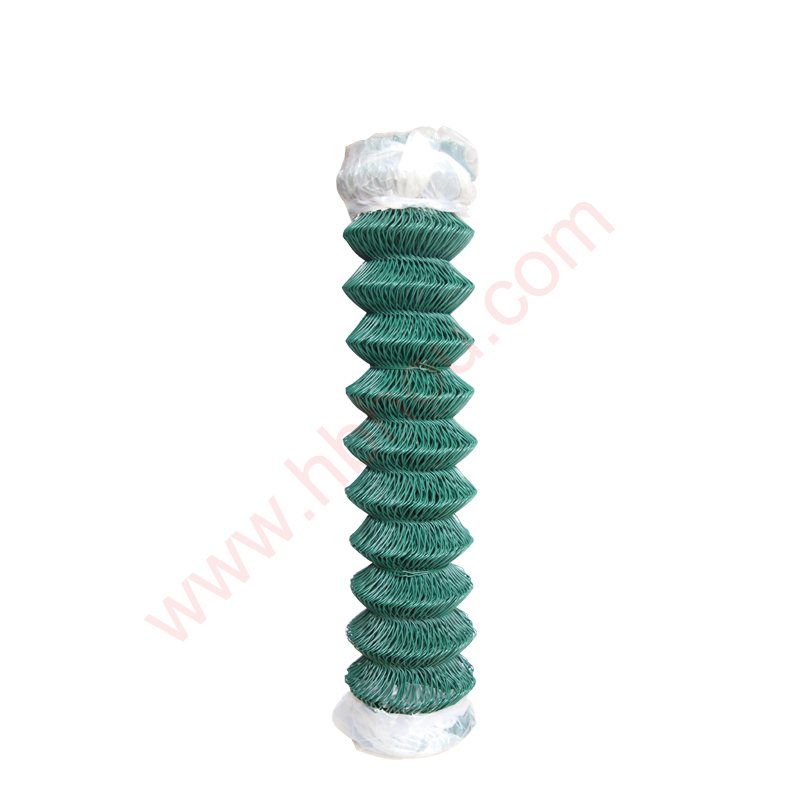
To get a true grip on cost, I always check the specs: steel gauge, mesh size, and coating type. Most industrial-grade chain link fences use galvanized steel wire — sometimes vinyl-coated for extra rust resistance. Here's the typical spec sheet from a mid-range product I often recommend for commercial use:
| Specification | Value |
|---|---|
| Wire Gauge | 9 or 11 gauge (heavier = stronger) |
| Mesh Size | 2" Mesh openings (standard) |
| Height | 4’ to 12’ options |
| Coating | Galvanized or vinyl-coated |
| Post Material | Galvanized steel tube |
Cost per foot will depend on which specs you choose, obviously. Next up: vendor pricing — because even with the same specs, prices can fluctuate quite a bit. I’ve tabulated a quick comparison among some common suppliers to give you a realistic picture.
| Vendor | Cost per Foot | Warranty | Average Lead Time |
|---|---|---|---|
| HBH Industrial | $8.50 | 10 years corrosion protection | 2 weeks |
| FencePro Supplies | $9.75 | 5 years limited | 3-4 weeks |
| Durafence Co. | $7.95 | 8 years | 1 week |
Prices are approximate and based on standard 6' height, 9-gauge galvanized chain link without additional coatings or customization.
Little Anecdote & Some Advice
I once worked on a project where a client originally went for the cheapest fence option — Durafence. Within five years, they called back frustrated because rust appeared sooner than expected, mostly due to environmental conditions near a saltwater body. After switching to a vinyl-coated option through HBH Industrial, the fence still looks great after four years. This is why sometimes a slightly higher upfront cost pays dividends over time.
In real terms, remember that installation labor, site prep (like existing debris or uneven terrain), and local permit fees can add up and impact your per-foot cost significantly as well. It’s also worth considering the lifecycle cost. Vinyl coatings and stronger gauge wires may seem expensive at first but reduce repair and replacement costs years down the line.
One last note — customization is possible. Often, fence height or adding privacy slats might be necessary for your project but will change your cost. Getting a detailed quote from a trusted supplier — like here — is the best way to avoid surprises.
So, the long and short of it? For typical industrial-quality fencing, expect around $8 to $10 per foot delivered, but keep your specific needs and local factors in mind.
Hope this helps you navigate this often confusing topic. Fencing might be “just wire and posts” on paper, but trust me — its details can make all the difference.
- John D., Industrial Equipment Specialist
References
- Industry Standard Fence Specs, Fence Association of America, 2023
- HBH Industrial Product Catalog, 2024
- Customer case study files, 2022-2023 Installations