Choosing the Right Dog Fence for Your Pet
Ensuring your dog's safety and freedom is a top priority for any pet owner. A reliable dog fence provides peace of mind, allowing your furry friend to roam safely within designated boundaries. This article will guide you through the different types of dog fences available, helping you choose the best option for your dog's needs and your lifestyle. We’ll cover everything from traditional fences to modern, high-tech solutions, ensuring you make an informed decision to keep your canine companion secure and happy.
Types of Dog Fences: A Comprehensive Overview
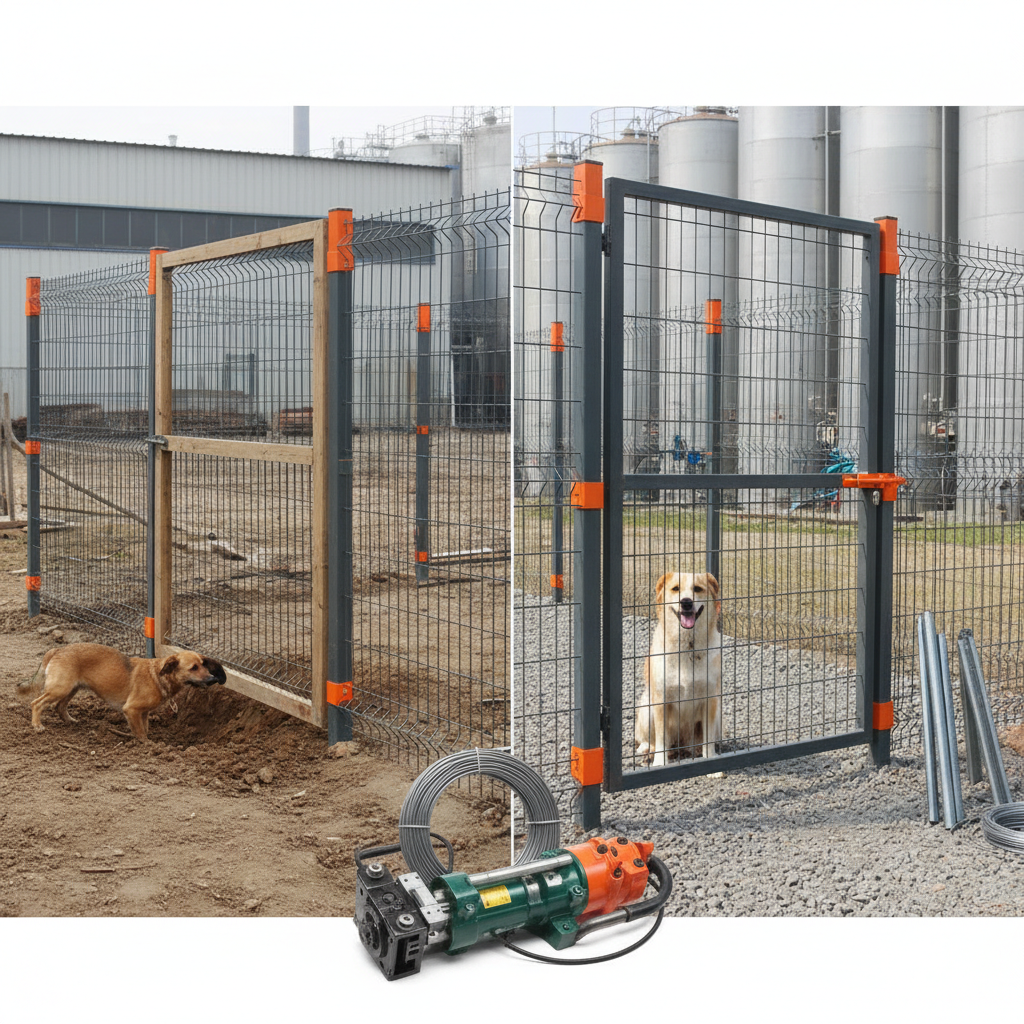
There's a wide variety of dog fences available, each with its own advantages and disadvantages. Traditional fences, like wood or chain-link, offer a physical barrier, while electric and wireless fences provide a more flexible solution. Invisible fences utilize radio waves or GPS technology to create virtual boundaries. Each option caters to different needs, considering factors like yard size, dog's temperament, and budget. Understanding the nuances of each type is crucial for making the right choice for your pet’s safety.
Key Highlights: Choosing the right dog fence depends on your dog's breed, size, and energy level, as well as your yard's layout and local regulations.
Understanding Electric Dog Fences
Electric dog fences, also known as invisible fences, use a transmitter to create a radio signal that forms a boundary. When your dog approaches the boundary, a collar delivers a mild static correction. These fences offer flexibility and don't obstruct your view, but require initial training for your dog to understand the boundaries. The effectiveness of an electric dog fence relies heavily on consistent training and a dog that responds well to correction. Proper installation and maintenance are also essential for optimal performance.
Electric Fence Benefits:
• Flexible boundary setup
• Doesn’t obstruct views
• Suitable for large properties
• Can be adjusted as needed
Comparing Dog Fence Types
Choosing between different dog fence options can be overwhelming. Traditional fences offer a physical barrier, while wireless and electric fences provide flexibility. Consider your dog’s breed, size, and temperament, as well as your property's layout and your budget. A well-informed decision ensures your dog's safety and your peace of mind. Each type has its own pros and cons, making a comparison essential to find the perfect fit.
Factors to Consider When Choosing a Dog Fence
Before investing in a dog fence, consider several key factors. Your dog’s size and breed play a significant role. Larger, more athletic dogs might require a more robust fence, while smaller breeds might do well with a wireless option. Your yard’s size and layout are also crucial. A sprawling property might benefit from an electric or wireless fence, while a smaller yard could be adequately enclosed with a traditional fence. Budget also matters; prices vary considerably depending on the type and features of the fence.
Product Specifications: HB Hou Dog Fence Systems
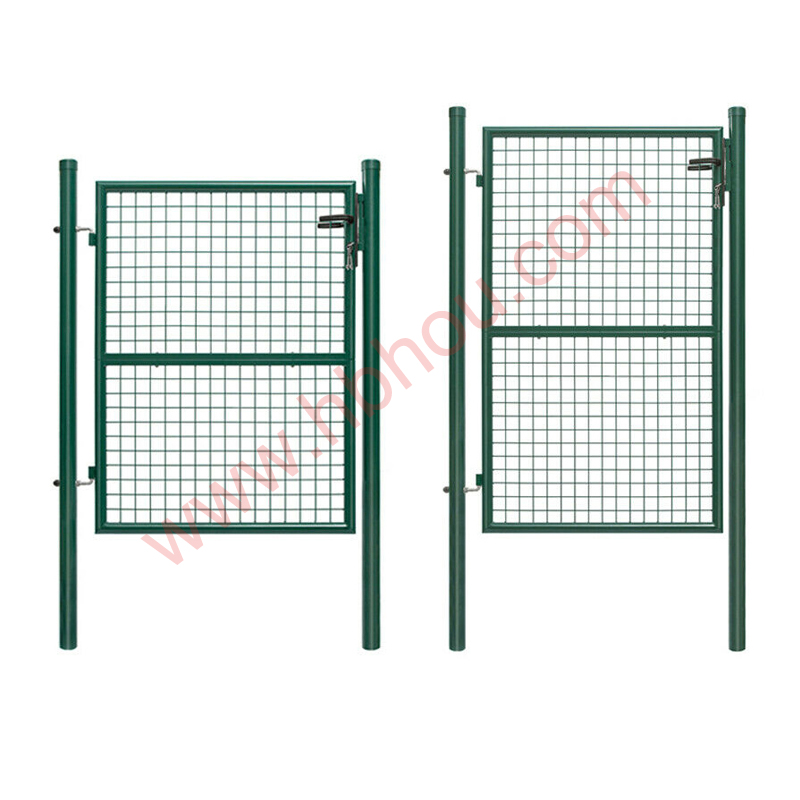
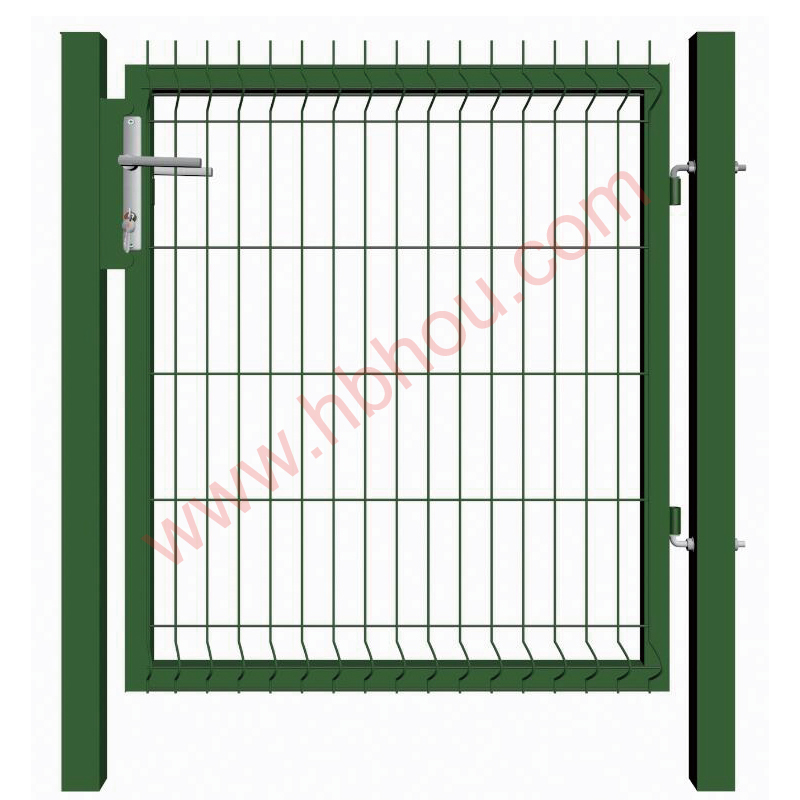
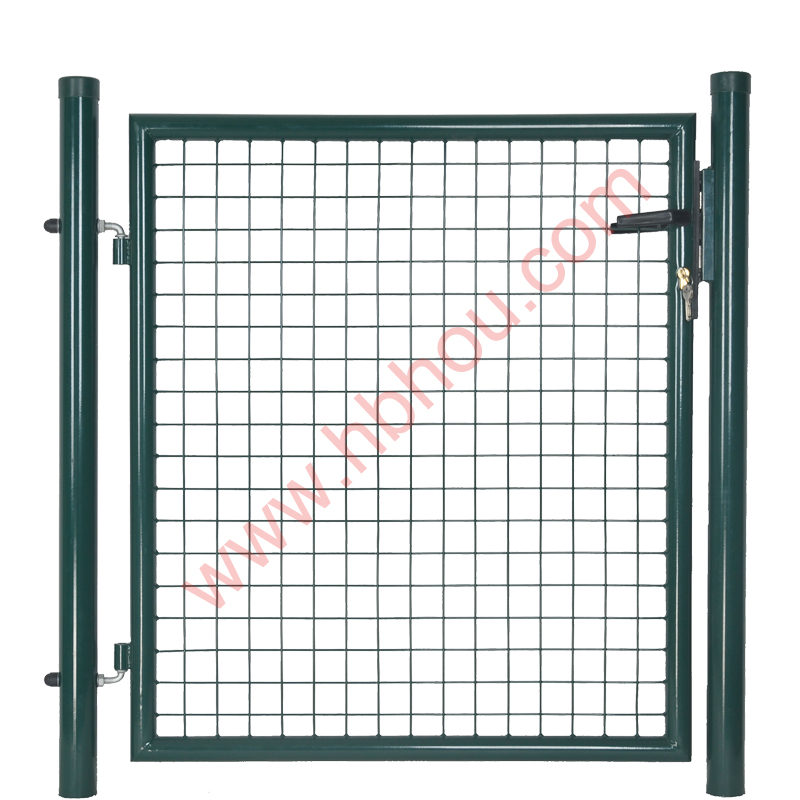
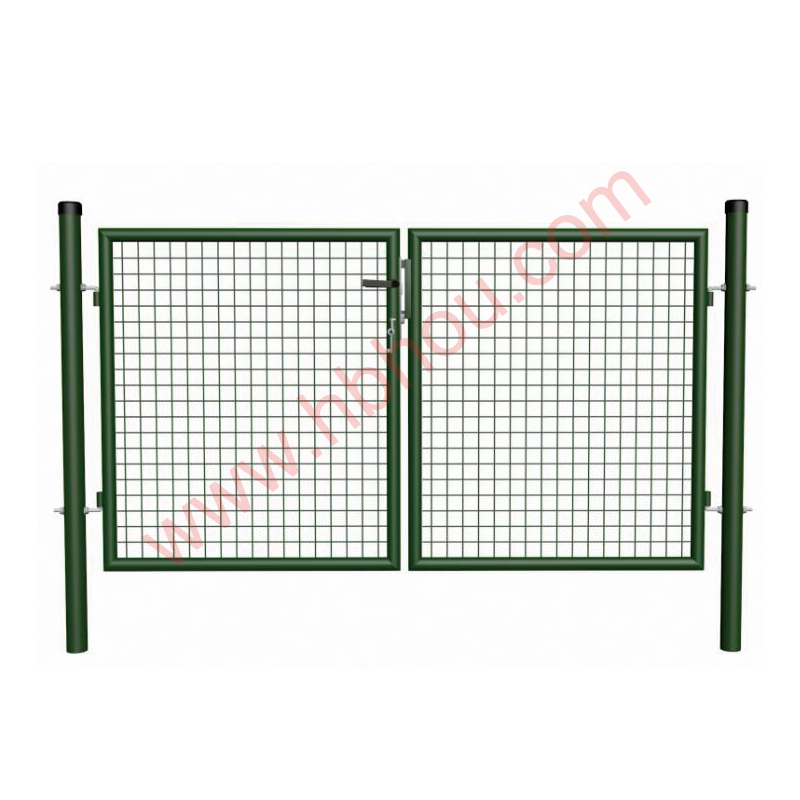
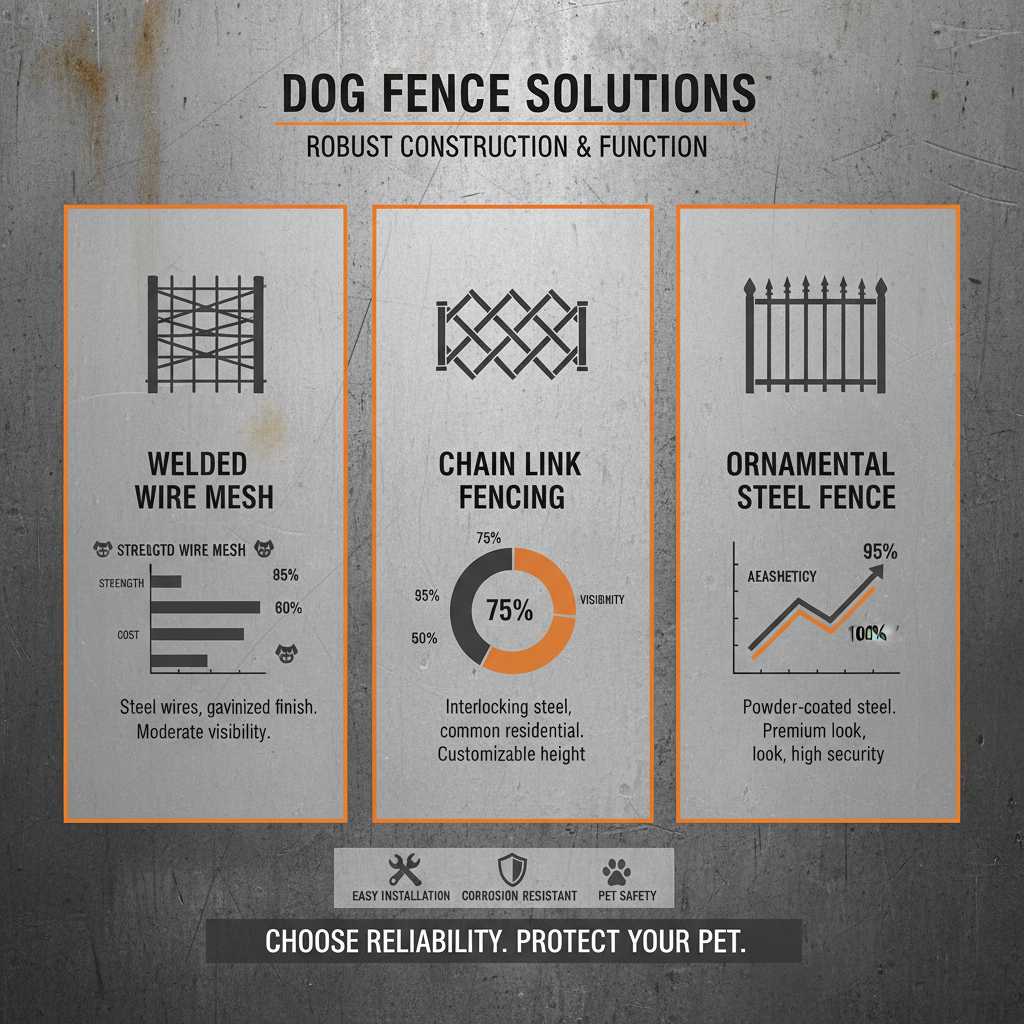
At HB Hou, we offer a range of dog fence systems designed to meet diverse needs. Our electric fence kits include adjustable collars, waterproof receivers, and easy-to-use transmitters. We also provide wireless fence options with customizable boundaries and multiple correction levels. Here’s a quick overview of our popular models:
Conclusion: Secure Your Pup with the Right Dog Fence
Choosing the right dog fence is a significant decision that impacts your pet's safety and your peace of mind. By carefully considering your dog’s needs, your property's layout, and your budget, you can find the perfect solution. Explore the options available at HB Hou and invest in a fence that provides reliable containment and allows your furry friend to enjoy their freedom safely.
Frequently Asked Questions (FAQs)
What training is required for an electric dog fence?
Training is crucial for a successful electric dog fence installation. It typically involves a multi-step process. First, your dog needs to get accustomed to wearing the collar. Then, you'll place temporary flags at the boundary line and guide your dog to walk along them, associating the flags with a correction. Gradually, you remove the flags while continuing to reinforce the boundary with verbal cues. Positive reinforcement is key, rewarding your dog for staying within the designated area. The training process can take several days or weeks, depending on your dog's temperament and learning speed.
Are wireless dog fences as effective as electric fences?
Wireless dog fences can be very effective, especially for dogs that respond well to tone or vibration corrections. However, they generally have a shorter range and can be more susceptible to interference than traditional electric fences. The signal strength can also be affected by obstructions like trees and buildings. Some wireless fences offer adjustable correction levels, while others rely solely on a tone or vibration. The key to success with a wireless fence is to choose a model that suits your yard size and your dog's temperament.
What should I do if my dog escapes from a fenced yard?
If your dog escapes, the first step is to immediately search the surrounding area. Check with neighbors and local animal shelters. Review your fence system for any weaknesses or gaps. If you're using an electric or wireless fence, ensure the boundary is properly set up and the collar is functioning correctly. Consider reinforcing the fence with additional features, such as a physical barrier along the bottom or increased correction levels. Regularly inspect your fence for any potential escape routes and address them promptly.
Is a dog fence a substitute for supervision?
No, a dog fence is not a substitute for responsible supervision. While a fence provides a boundary, it doesn't eliminate the need to monitor your dog's behavior and ensure their safety. Dogs can still find ways to escape or get into trouble, even with a secure fence. Regular interaction, playtime, and training are essential for a happy and well-behaved dog. Always provide adequate supervision, especially when your dog is outdoors.