Understanding Chain Link Fence Cost for 1 Acre: A Practical Guide
If you’ve ever wondered about the chain link fence cost for 1 acre, you’re definitely not alone. Fencing one acre can be quite the project, and chain link is one of the most popular options worldwide. Not just a simple boundary—these fences play crucial roles in security, agriculture, and even humanitarian aid globally. Frankly, getting a handle on costs isn’t just about budgeting but understanding materials, regional price differences, and future maintenance—which all add up in their own ways.
Why Does Chain Link Fence Cost Matter Globally?
Estimates from industry reports and organizations like the International Organization for Standardization (ISO) show fencing costs have a big impact on infrastructure projects globally. Whether it’s securing farms in rural Africa or delineating industrial sites in Europe, the cost effectiveness of chain link fences makes them a go-to. But here’s the catch: pricing varies hugely by region, mesh gauge, and installation complexity, creating real challenges for planners trying to allocate funds efficiently.
In real terms, a trusted fence can prevent livestock theft, protect critical assets, and even demarcate disaster relief areas. So, knowing what goes into the cost breakdown—materials, labor, permits—can ensure you get the best value while meeting your security needs.
What Does Chain Link Fence Cost for 1 Acre Actually Mean?
Put simply, it’s the total expense involved in buying, installing, and maintaining a chain link fence surrounding a piece of land roughly one acre in size (~43,560 square feet). This includes the fencing fabric, posts, gates, tension wire, and often labor tariffs. It’s a standard measure to help landowners, contractors, and organizations estimate their fencing budgets more accurately.
Interestingly, beyond the obvious agricultural or residential use, chain link fencing supports humanitarian projects—say a temporary camp after a natural disaster—where quick, durable, and cost-effective fencing is a must-have.
Key Factors Influencing Chain Link Fence Cost for 1 Acre
1. Material Durability
The gauge of the wire mesh—usually between 9 and 11 gauge—affects both price and lifespan. Thicker wires (lower gauge number) cost more but last longer, which many seasoned engineers swear by, especially in harsh climates.
2. Fence Height and Mesh Size
Higher fences (6 to 12 feet) are pricier, naturally. Also, smaller diamond-shaped meshes cost more because they require more wire per unit area.
3. Installation Labor & Terrain
Installation expenses can vary dramatically depending on the terrain. Flat, accessible land is a breeze, while rocky or sloped fields might require hefty groundwork. Labor costs will also hinge on local wage standards.
4. Gates and Accessories
Adding gates, barbed wire, or privacy slats bumps the price—sometimes substantially depending on the security level needed.
5. Coatings and Finishes
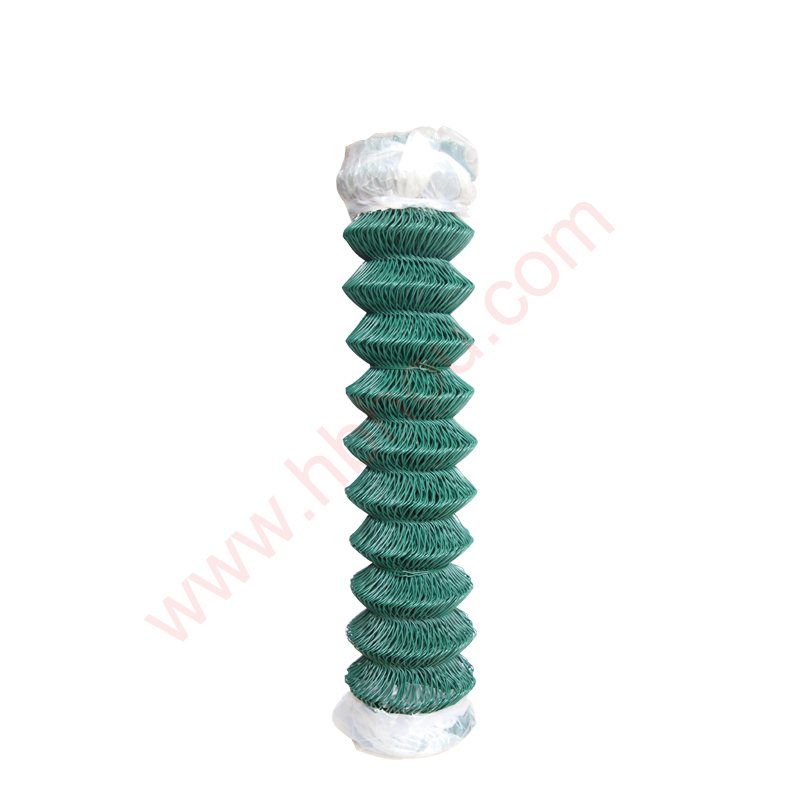
Galvanized steel is common for rust resistance, but vinyl-coated fences (available in colors) cost more — it’s about aesthetic preferences versus budget constraints.
6. Maintenance Implications
Long-term, cheaper fence materials may require replacement sooner, which could increase your overall investment. It’s a classic upfront cost vs. lifetime value debate.
Chain Link Fence Cost for 1 Acre: Specification Table
| Specification | Details | Comments |
|---|---|---|
| Area Covered | 1 Acre (~43,560 sq ft) | Standard land measurement |
| Fence Height | 6 ft (typical) | Higher for security purposes |
| Wire Gauge | 9 - 11 gauge | Thicker wire = more durable |
| Finish | Galvanized or Vinyl Coated | Vinyl coats add cost but prevent corrosion |
| Installation Time | 2–4 days | Depends heavily on terrain |
| Estimated Cost Range | $5,000 - $12,000 | Dependent on all above factors |
Major Vendors for Chain Link Fencing and How They Compare
| Vendor | Material Quality | Price per Acre | Installation Services | Warranty |
|---|---|---|---|---|
| FenceCo | Galvanized Steel | $6,500 – $8,000 | Full turnkey available | 10 years |
| SecureFencing | Vinyl-coated Mesh | $8,000 – $12,000 | Installation by subcontractors | 15 years |
| AgriFence | Standard galvanized | $5,000 – $7,500 | Limited installation support | 5 years |
Real-World Applications of Chain Link Fence for 1 Acre
- Agriculture: Around the world, farmers enclose pastures or orchards to protect livestock or crops from wildlife and theft.
- Industrial Sites: Factories and warehouses often demarcate their property with chain link fences for both safety and liability reasons.
- Disaster Relief: Organizations like the UNHCR use chain link fencing to quickly secure temporary camps providing dignity and safety to displaced populations.
- Schools and Parks: Public areas rely on durable fencing to safeguard children and reduce vandalism.
Oddly enough, though it feels like such a “basic” product, these fences really are the unsung heroes of multiple sectors.
Advantages and Long-Term Value
The upfront cost might seem daunting, but a well-chosen chain link fence deserves its spot in your project for:
- Cost Efficiency: Compared to wood or stone walls, chain link fencing offers a lower initial investment and better longevity.
- Sustainability: Galvanized steel components are recyclable, reducing environmental footprint.
- Security & Trust: Robust and hard to breach—an emotional comfort for communities and organizations alike.
- Low Maintenance: Minimal upkeep saves time and resources over the fence's lifespan.
Future Trends to Watch
Staying ahead, manufacturers are exploring eco-friendly coatings, solar-integrated fences for lighting, and even digital “smart fences” that can alert to breaches through sensors. There’s ongoing research to reduce steel weight without sacrificing durability, cutting costs and carbon footprints.
Common Challenges & Practical Solutions
Terrain complications and rising steel prices are typical tough nuts to crack. But many fencing contractors now deploy modular fencing kits with adjustable components for rough landscapes, and bulk purchasing pre-negotiated through networks can tame raw material cost jumps.
Frequently Asked Questions About Chain Link Fence Cost for 1 Acre
- How much does a 1-acre chain link fence typically cost installed?
- Installation with materials generally ranges from $5,000 to $12,000, depending on height, terrain, and finish. Labor and permits also factor in, so get local quotes to refine estimates.
- What is the most durable wire gauge for a chain link fence?
- Typically, 9 or 10 gauge wire is preferred, offering a solid balance between durability and cost. Thinner gauges may save upfront money but wear out sooner.
- Can I reduce installation costs by installing the fence myself?
- Yes, if you have basic DIY skills and tools, self-installation might save labor fees. But be prepared for a learning curve and ensure you meet local regulations for fence heights and materials.
- Are vinyl-coated fences worth the additional expense?
- Vinyl coating adds corrosion resistance and aesthetic appeal. If your fence will be exposed to harsh weather or near saltwater, the extra cost can be a smart investment.
- Where can I find detailed pricing on chain link fences locally?
- Contacting local suppliers or visiting websites such as chain link fence cost for 1 acre can provide current pricing and estimator tools tailored to your region.
Conclusion
Understanding chain link fence cost for 1 acre means more than just dollars spent—it’s about valuing durability, security, and practicality on a sizable property. With a bit of research and smart choices around material quality and installation, you can secure a perimeter that stands the test of time without breaking your budget. I suppose, whether you’re a farmer, industrial manager, or humanitarian planner, the right fence makes all the difference.
For detailed cost breakdowns or to get started on your fencing project, visit our website at https://www.hbhou.com.
Quick takeaway: Investing in the right chain link fence saves money and stress over the long haul—and that’s something every property owner can appreciate.