Choosing the Perfect Dog Fence Indoor: A Complete Guide for Pet Parents
Creating a safe, controlled environment for your furry friend is essential for both their safety and your peace of mind. Whether you are puppy-proofing your home or managing a senior dog's mobility, a high-quality dog fence indoor provides a reliable boundary that prevents destructive chewing and unwanted wandering. In this guide, we will explore the different types of indoor barriers, how to choose the right size for your space, and the best materials to ensure durability. By setting up a strategic barrier, you can maintain a clean home while ensuring your pet feels secure and loved.
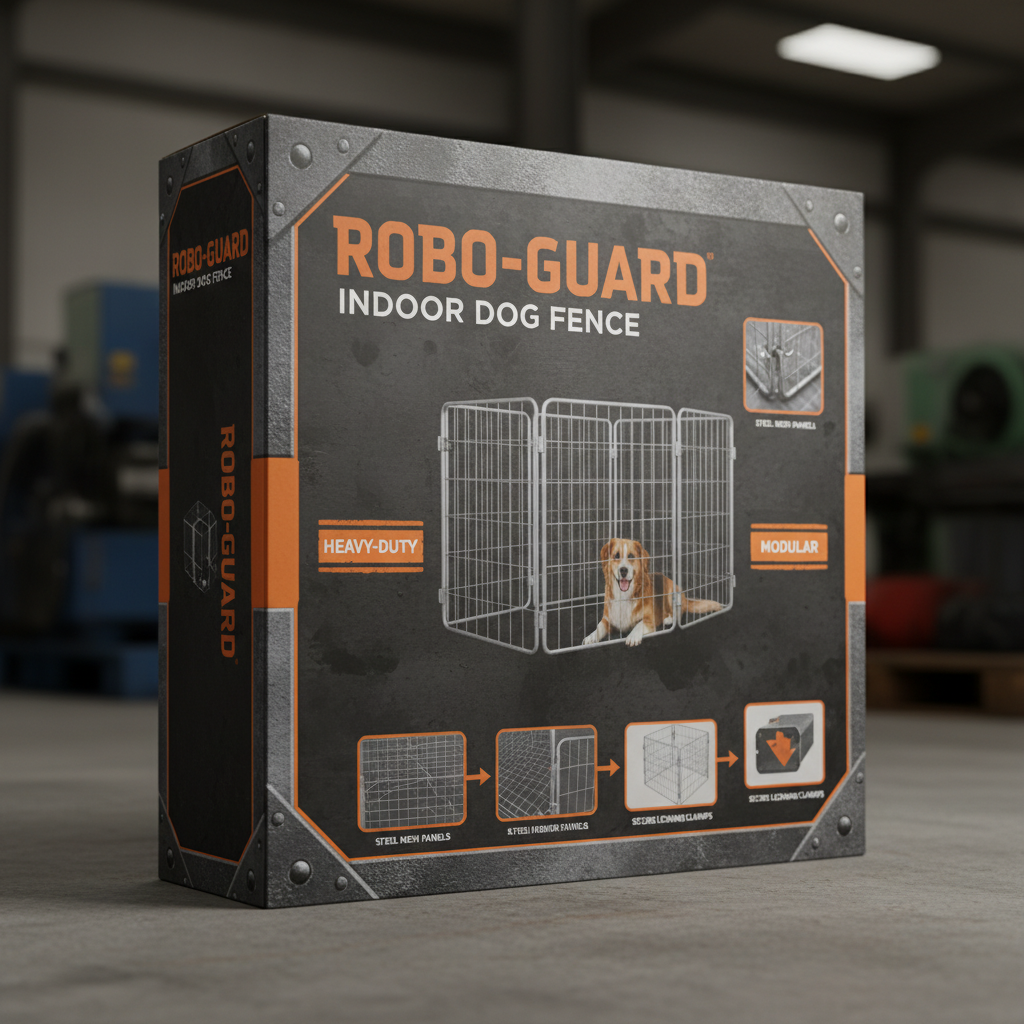
Why Every Home Needs a Reliable Dog Fence Indoor
Indoor fencing isn't just about restriction; it's about behavioral training and safety. Many pet owners struggle with "zoomies" in the kitchen or curious noses in the laundry room where hazardous chemicals might be stored. Using a dog fence indoor allows you to designate "safe zones" where your dog can relax without interrupting your daily chores. Furthermore, for puppies, these fences are invaluable for potty training, as they limit the dog's access to carpeted areas until they have mastered the art of going outside. It reduces stress for the owner and creates a predictable routine for the animal.
Pro Tip: When installing an indoor fence, always ensure there are no gaps at the bottom, as small breeds or determined puppies can easily squeeze under a barrier that isn't flush with the floor.
Comparing Types of Dog Fence Indoor Solutions
Not all indoor barriers are created equal. Depending on your dog's size, temperament, and the layout of your home, you might prefer a freestanding gate, a pressure-mounted barrier, or a modular playpen. Pressure-mounted gates are ideal for doorways as they require no drilling, while modular fences offer flexibility for larger open-concept living rooms. When selecting your dog fence indoor, consider whether your dog is a "jumper" or a "digger," as this will dictate the height and stability requirements of the product.
Material Matters for Your Dog Fence Indoor
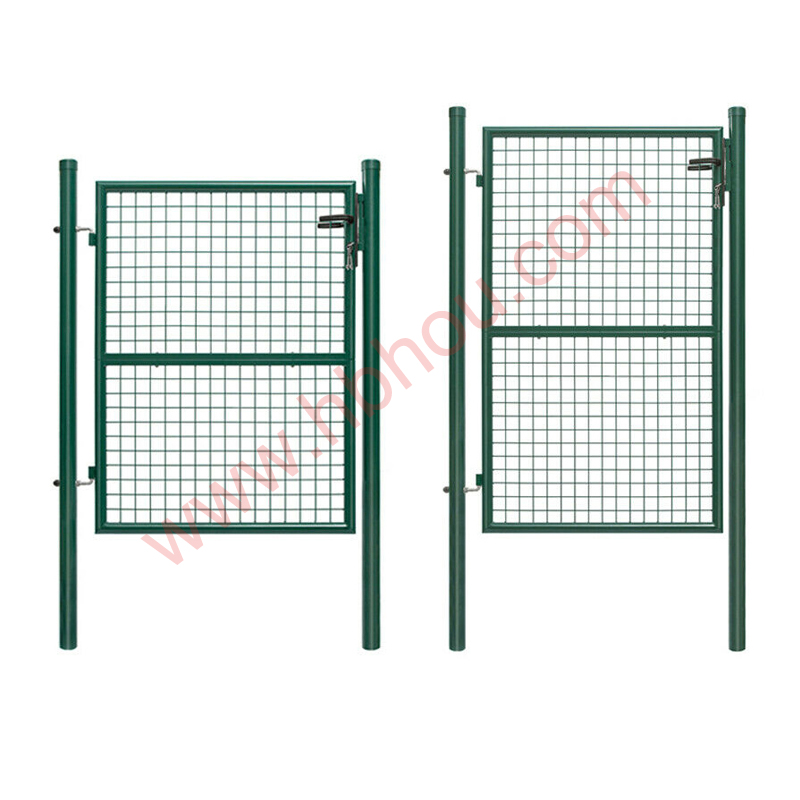
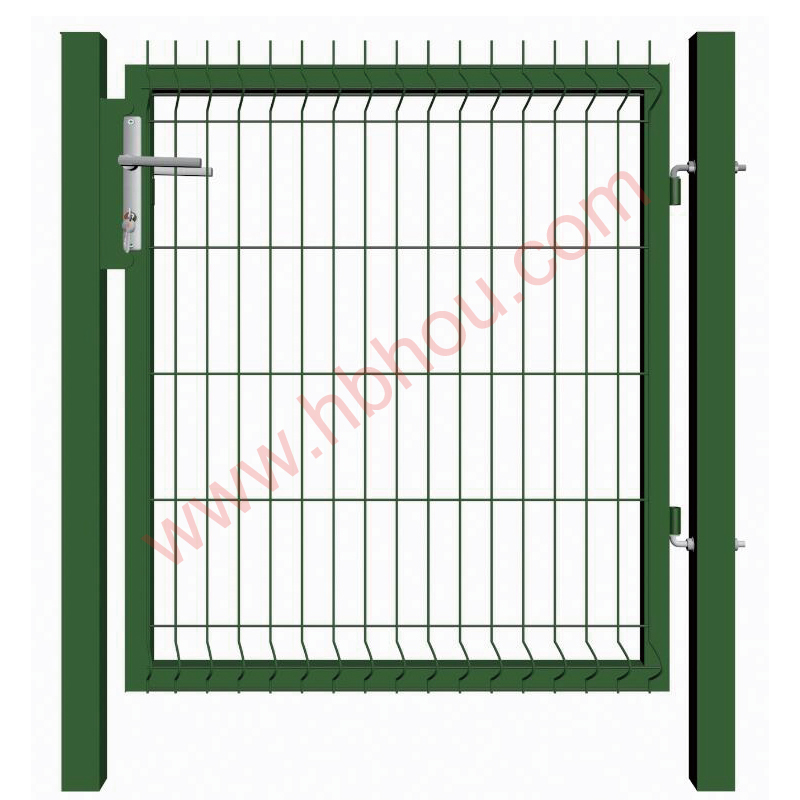
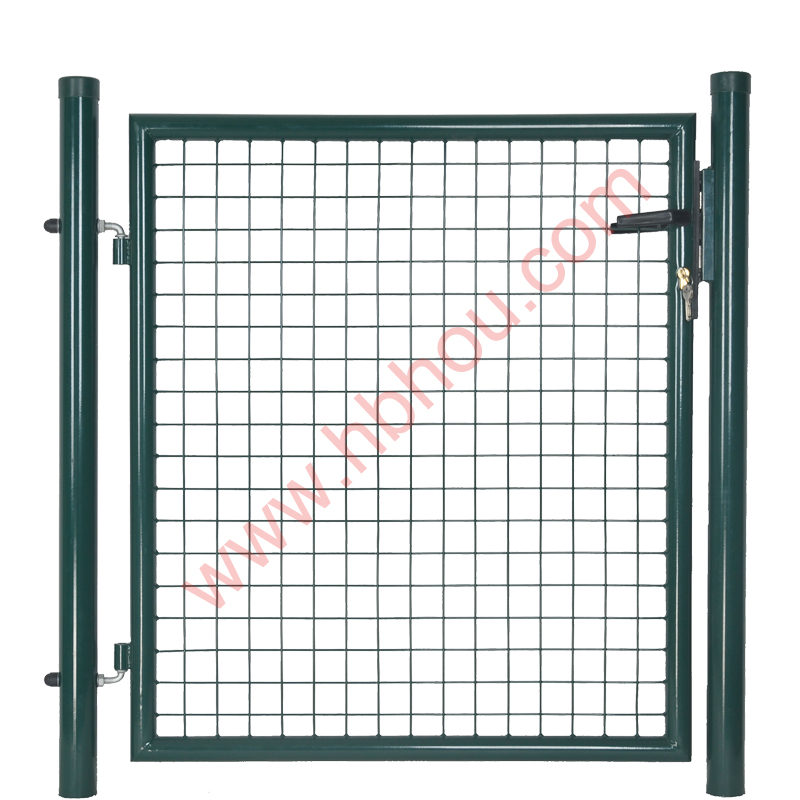
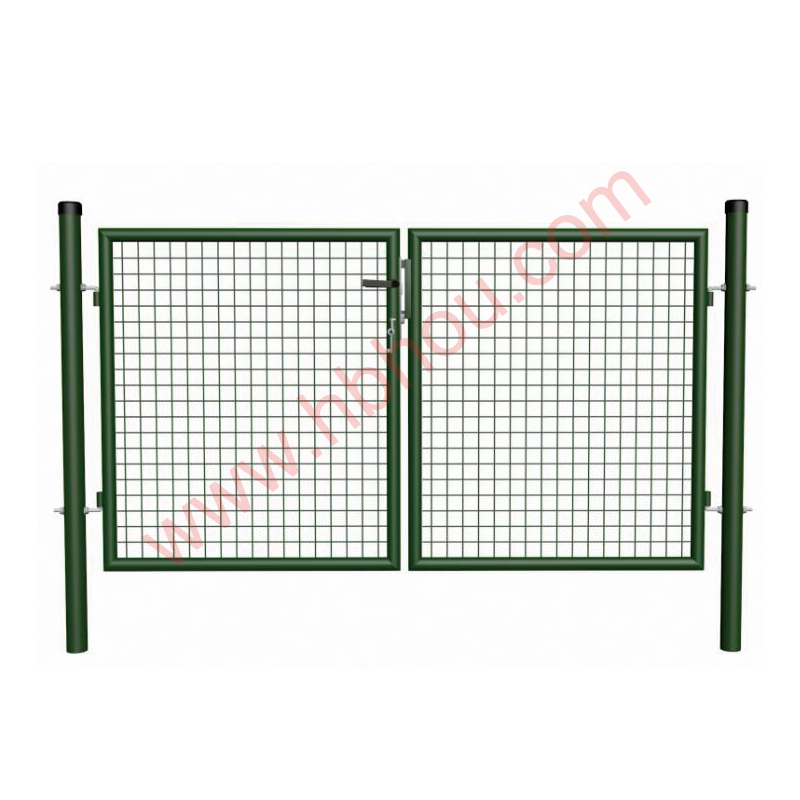
When browsing for a dog fence indoor, the material determines how long the product will last and how it fits your home's aesthetic. Metal fences, particularly powder-coated steel, are the gold standard for durability and are nearly impossible for dogs to chew through. Wooden fences offer a warmer, more traditional look and blend well with home furniture, though they may be prone to scratches. For those seeking something lightweight and portable, plastic or fabric-mesh options are available, although these are generally only suitable for small breeds or very calm dogs. Choosing a non-toxic, lead-free coating is paramount to ensure your pet's health.
Optimal Placement of a Dog Fence Indoor
Strategic placement is the key to effectiveness. The most common areas to install a dog fence indoor include the front entrance to prevent "door dashing," the kitchen to keep pets away from cooking hazards, and the bedroom to provide a quiet space for sleep. It is also helpful to place barriers around expensive electronics or delicate indoor plants. When placing your fence, ensure there is enough room for the dog to move comfortably within their designated area to avoid feelings of claustrophobia, which can lead to increased barking or anxiety.
Product Specifications for High-Quality Indoor Fencing
To help you make an informed decision, it is important to look at the technical specifications. A high-quality dog fence indoor should offer adjustable widths to fit various room sizes and a locking mechanism that is easy for humans to operate but challenging for dogs. Below are the typical specifications you should look for when shopping for professional-grade indoor pet barriers.
Conclusion: Enhancing Your Home with the Right Dog Fence Indoor
Investing in a high-quality dog fence indoor is one of the most effective ways to balance your home life with your pet's needs. By choosing the right material, ensuring a secure fit, and placing the barrier strategically, you create a harmonious living space where both humans and dogs can thrive. Remember that the best fence is one that fits your specific dog's personality and your home's architecture. Protect your interior and your pet—choose a professional indoor fencing solution today.
Frequently Asked Questions (FAQs)
Will an indoor dog fence make my dog feel isolated?
Not necessarily. In fact, many dogs feel more secure when they have a designated "den" or safe space. The key is to use the dog fence indoor as a way to manage access, not as a permanent cage. By providing toys, a comfortable bed, and regular interaction, your dog will view the fenced area as their own private sanctuary rather than a place of isolation. Always ensure they can still see you and hear the household activity to maintain their social bond.
How do I stop my dog from jumping over the indoor fence?
If your dog is a jumper, the first step is to ensure you have a fence with sufficient height. However, the real solution lies in training. Use positive reinforcement and treats to reward your dog for staying on their side of the barrier. Avoid scolding them for jumping, as this can sometimes be interpreted as attention. If they continue to jump, you may need to transition to a taller hardware-mounted gate. Consistency is key; never let them jump over the fence "just once," or they will learn that the barrier is optional.
Can I use an indoor fence for multiple dogs of different sizes?
Yes, but you must build the fence according to the needs of the smallest and most energetic dog. A gap that is too large might allow a small puppy to slip through, while a fence that is too short will be useless against a larger dog. We recommend choosing a sturdy metal dog fence indoor with narrow bar spacing. This ensures the small dog is contained while the larger dog is physically deterred from pushing through. Modular systems are particularly effective here as they can be expanded to create separate zones for each pet.
Are pressure-mounted fences safe for all wall types?
Pressure-mounted fences are generally safe for most sturdy walls, but caution is needed with drywall or fragile wallpaper, as the tension can leave marks or cause indentations over time. To prevent this, many high-quality fences come with rubber padding on the contact points. If you have very delicate walls or a dog that leans heavily against the gate, a hardware-mounted option is a safer bet. Always check that the fence is tightened securely every few weeks, as vibrations from the dog moving against it can loosen the tension.