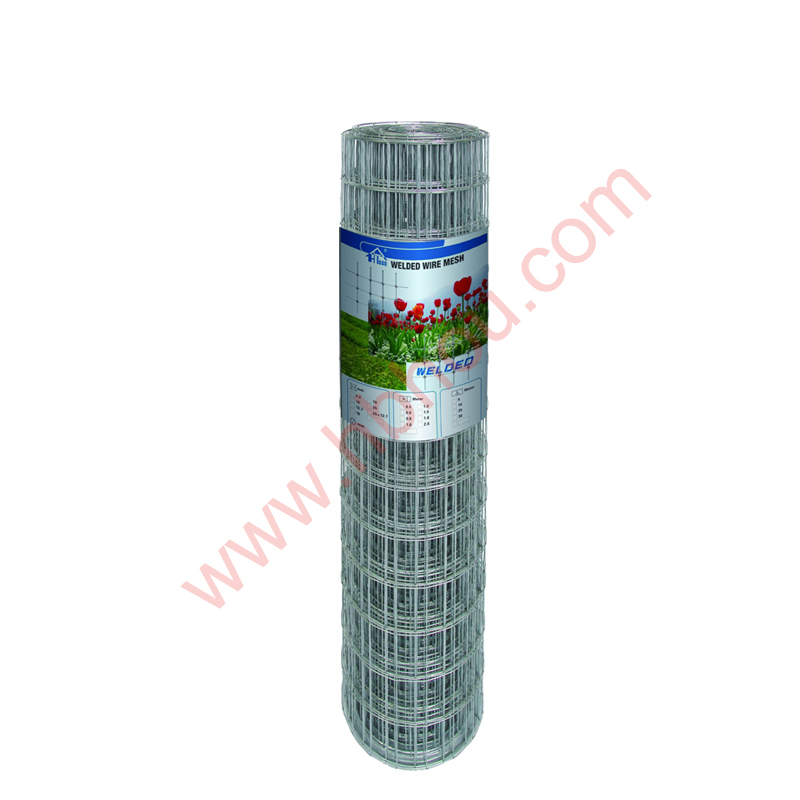
Choosing the Right Dog Fence for Large Dogs
Selecting the perfect dog fence for large dogs requires careful consideration. Large breeds need secure boundaries to roam safely, and the options available can be overwhelming. This guide will help you navigate the different types of fences, key features to look for, and how to choose the best solution for your furry friend and your property. We'll cover everything from electric fences to physical barriers, ensuring your dog stays contained and happy. A well-chosen fence is an investment in your dog's safety and your peace of mind.
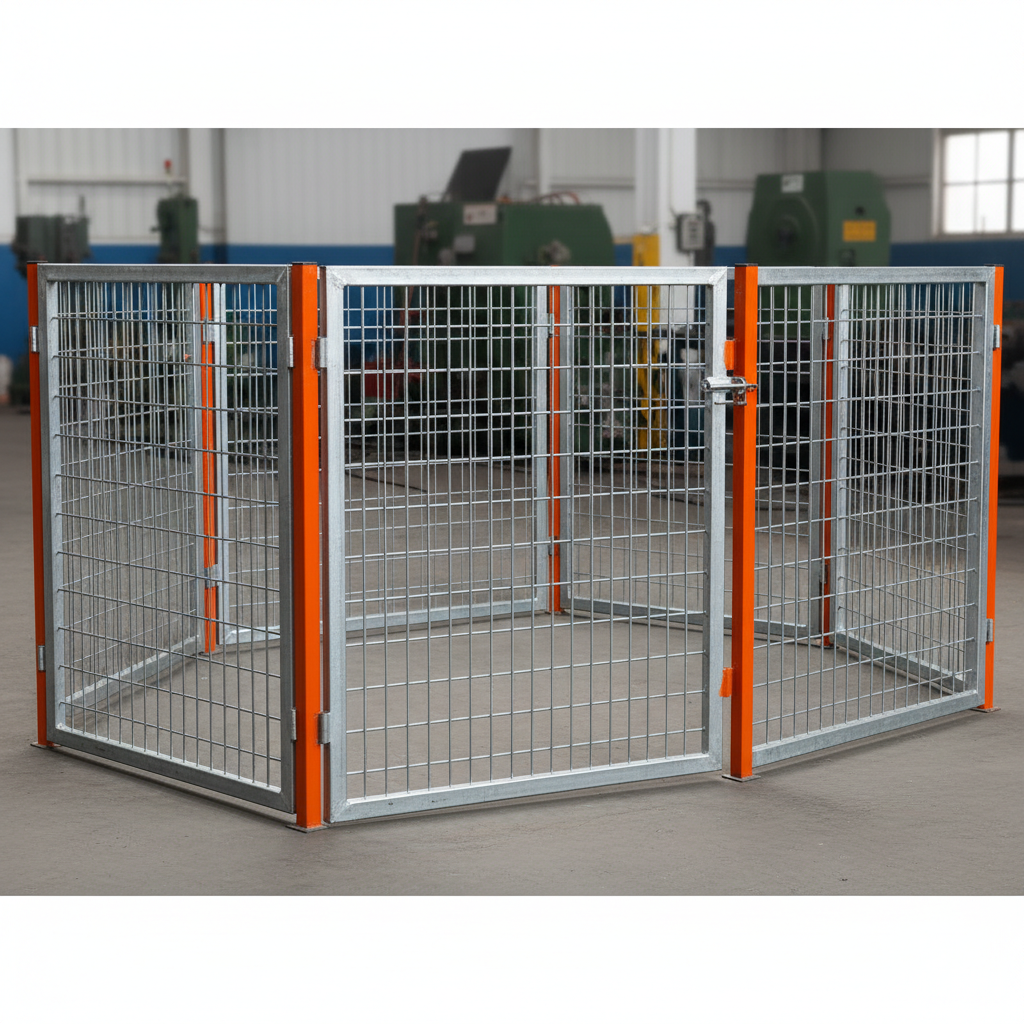
Understanding Different Types of Dog Fences
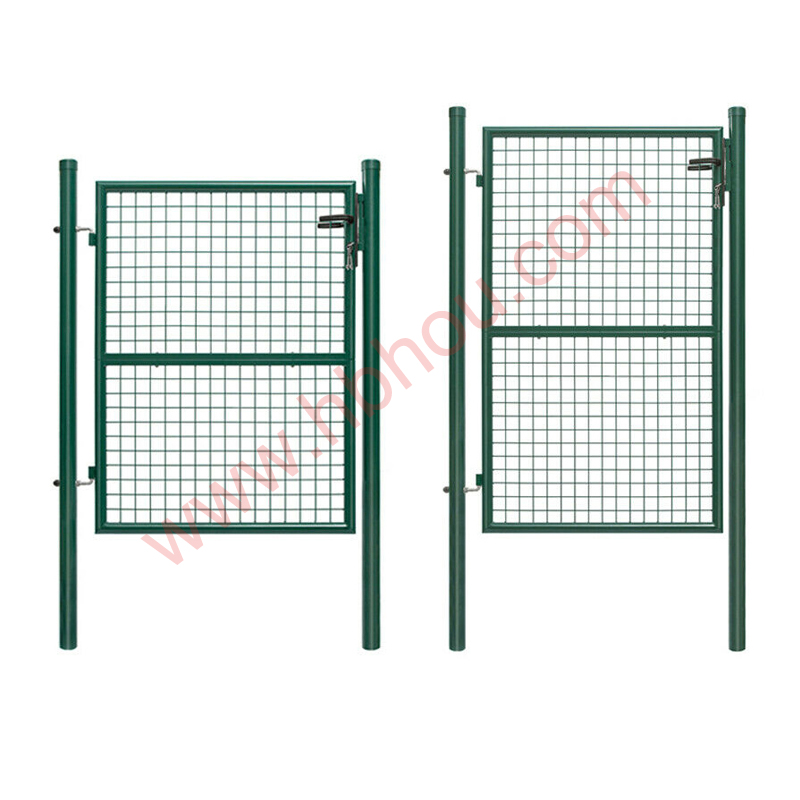
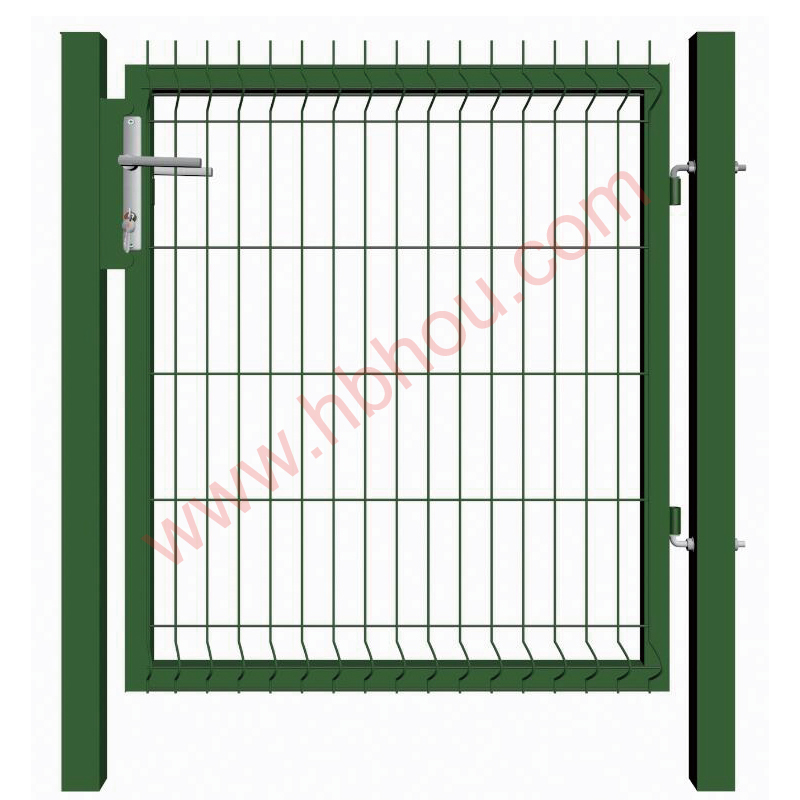
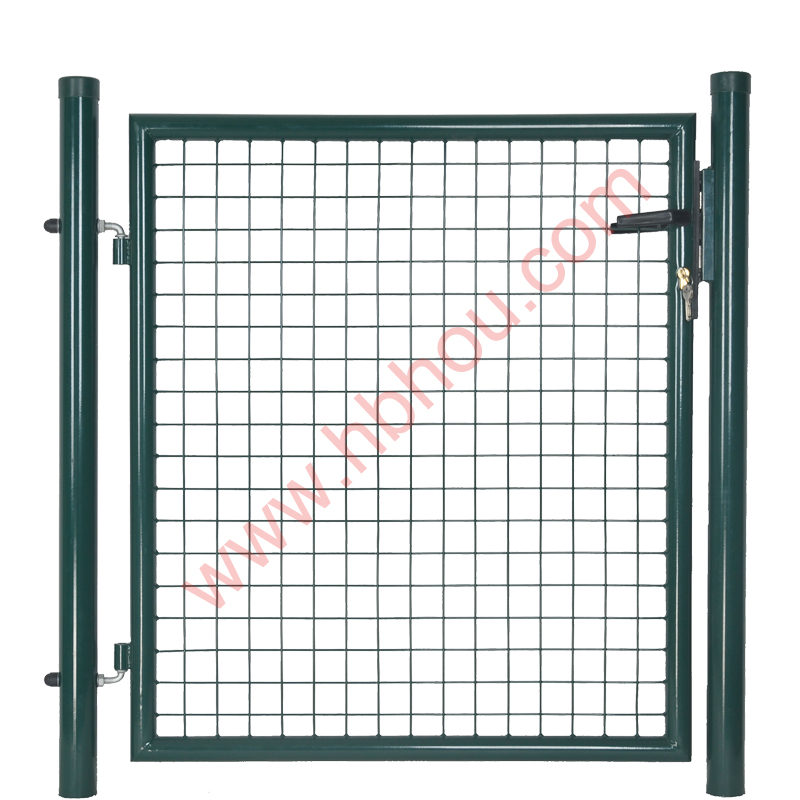
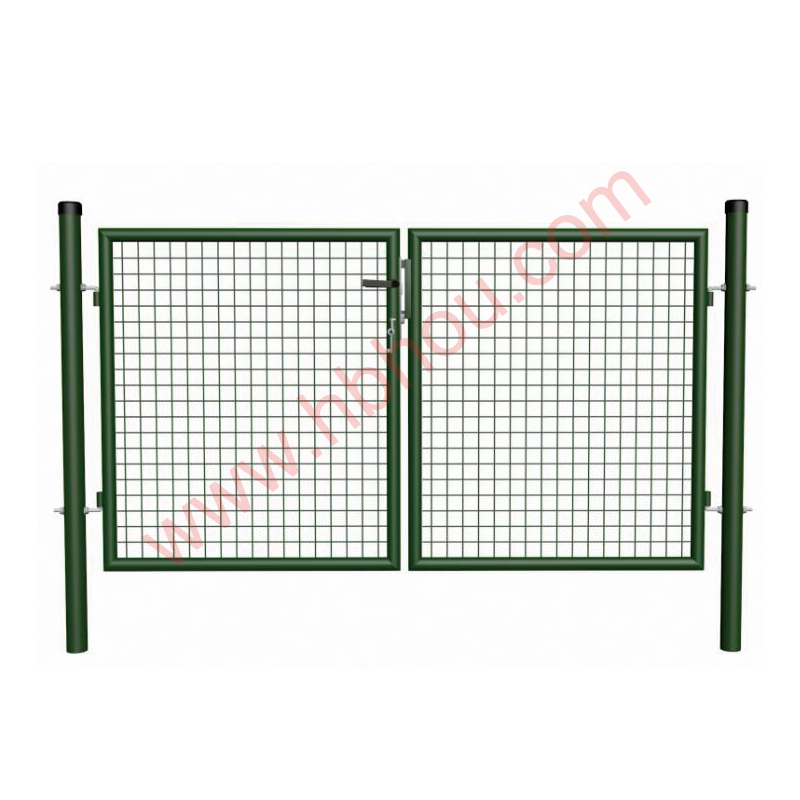
There are several types of dog fences available, each with its pros and cons. Traditional physical fences (wood, chain-link, vinyl) offer a visible barrier but require significant installation and maintenance. Electric fences, including in-ground and GPS systems, provide a flexible boundary but rely on training and consistent power. Wireless fences are the easiest to set up, ideal for temporary or portable containment. Finally, there are temporary mesh fences that are lightweight and ideal for travel or short-term containment. The best choice depends on your dog's temperament, your property layout, and your budget.
Key Considerations: Consider your dog’s breed, size, and tendency to dig or jump when choosing a fence. Also factor in local regulations and homeowner association rules regarding fence height and materials.
Key Features to Look for in a Dog Fence for Large Dogs
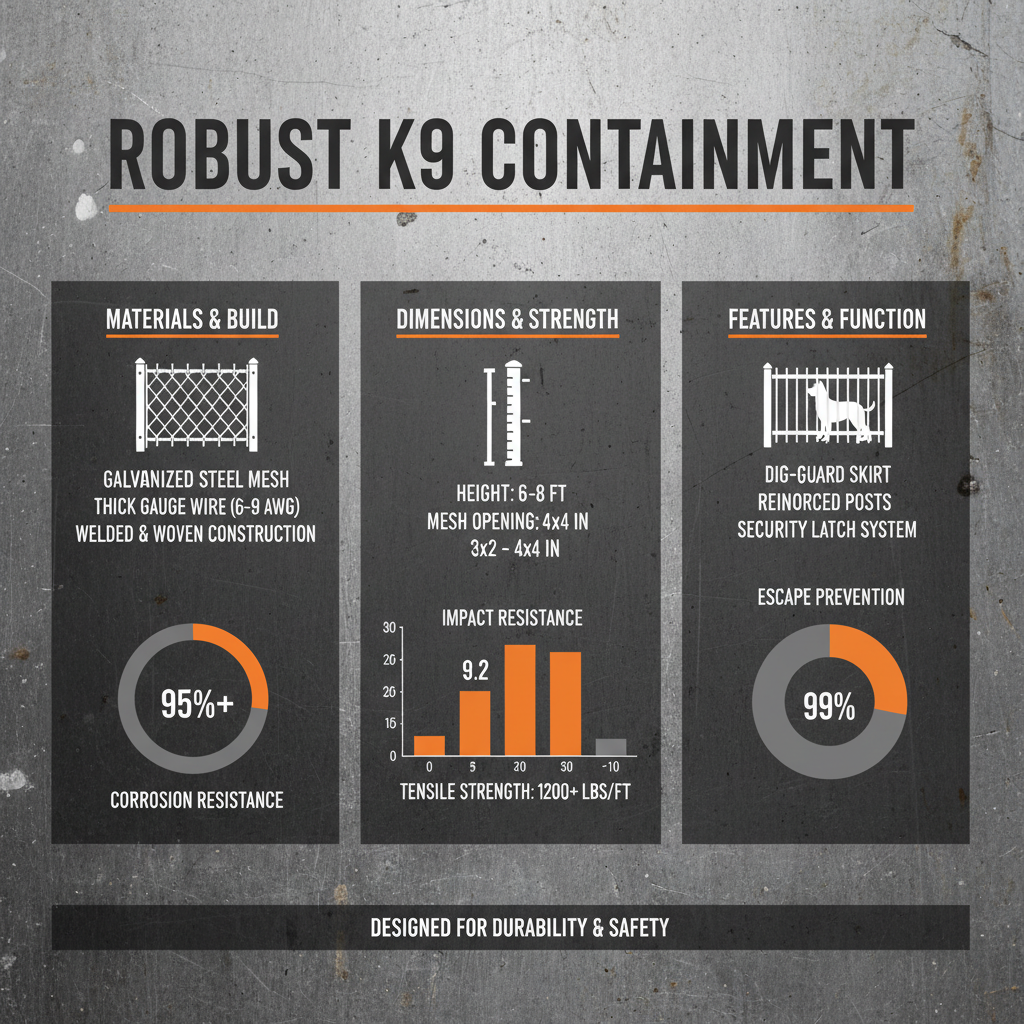
When selecting a fence, prioritize durability and strength. Large dogs can exert considerable force, so the fence needs to withstand pushing, leaning, and potential attempts to escape. Look for heavy-duty materials like reinforced vinyl or thick-gauge chain-link. For electric fences, ensure the system has adjustable static levels to suit your dog's sensitivity. A reliable power source and a long-lasting battery backup are also crucial. Furthermore, consider features like waterproof receivers and weatherproof wiring for long-term performance. HBhou provides a wide range of robust and reliable fencing solutions.
Essential Features:
• Durability and strength to withstand large breeds
• Adjustable static levels (for electric fences)
• Waterproof and weatherproof components
• Reliable power source and backup
Comparing Popular Dog Fence Options
Choosing between different fence types can be challenging. Here’s a comparison to help you make an informed decision:
Training Your Dog for an Electric Fence
Effective training is vital for any electric fence system. Start by introducing your dog to the receiver collar without any stimulation. Then, gradually introduce the static correction while guiding your dog toward the boundary line. Use positive reinforcement, such as treats and praise, when your dog responds correctly. Consistency and patience are key. Never punish your dog for crossing the boundary; the goal is to teach them to avoid it. HBhou provides comprehensive training guides to help you successfully set up your fence.
Conclusion: Ensuring Your Dog’s Safety and Freedom
Investing in the right dog fence for large dogs is an investment in their safety and your peace of mind. By carefully considering your dog's needs, your property layout, and the available options, you can create a secure and enjoyable environment for your furry companion. HBhou offers a wide selection of high-quality fences to meet every need.
Frequently Asked Questions (FAQs)
What is the best type of fence for a dog that likes to dig?
For dogs that dig, a physical fence with a buried footer is the most effective option. Burying the fence a few inches underground prevents them from digging under it. Alternatively, an electric fence with a buried wire can deter digging, but it requires consistent training. Reinforcing the bottom of a chain-link fence with wire mesh can also help. Consider the specific digging habits of your dog and choose a solution that addresses those behaviors. HBhou offers a range of dig-proof fencing solutions.
How much does it cost to install a dog fence?
The cost varies significantly depending on the type of fence and the size of your property. Physical fences are generally the most expensive, ranging from $500 to $3000 or more, including materials and labor. Electric fences typically cost between $200 and $800, depending on the features and coverage area. Wireless fences are the most affordable, usually costing between $150 and $500. Professional installation can add to the overall cost.
Can I use an electric fence on multiple dogs?
Yes, most electric fence systems can be used with multiple dogs, but you may need to purchase additional receiver collars. Ensure the system has enough power to support the number of dogs you plan to contain. It’s important to train each dog individually to ensure they understand the boundary and respond appropriately to the static correction. HBhou offers multi-dog systems and accessories.
How often should I check the battery in an electric fence receiver collar?
The frequency of battery checks depends on the collar’s usage and battery type. Generally, it’s a good practice to check the battery at least once a week. Most collars have a low-battery indicator that will alert you when it’s time to replace the battery. Keeping a spare battery on hand is always a good idea to avoid disruptions in containment.