Choosing the Right Dog Fence for Home: A Comprehensive Guide
Finding the perfect dog fence for home is essential for your pet’s safety and your peace of mind. A secure fence allows your dog to enjoy the outdoors without the risk of wandering off. This article explores the various types of dog fences available, helping you make an informed decision based on your dog's breed, size, and your property's layout. We’ll cover everything from traditional fences to innovative wireless systems, ensuring you find the ideal solution for your furry friend.

Understanding the Different Types of Dog Fences
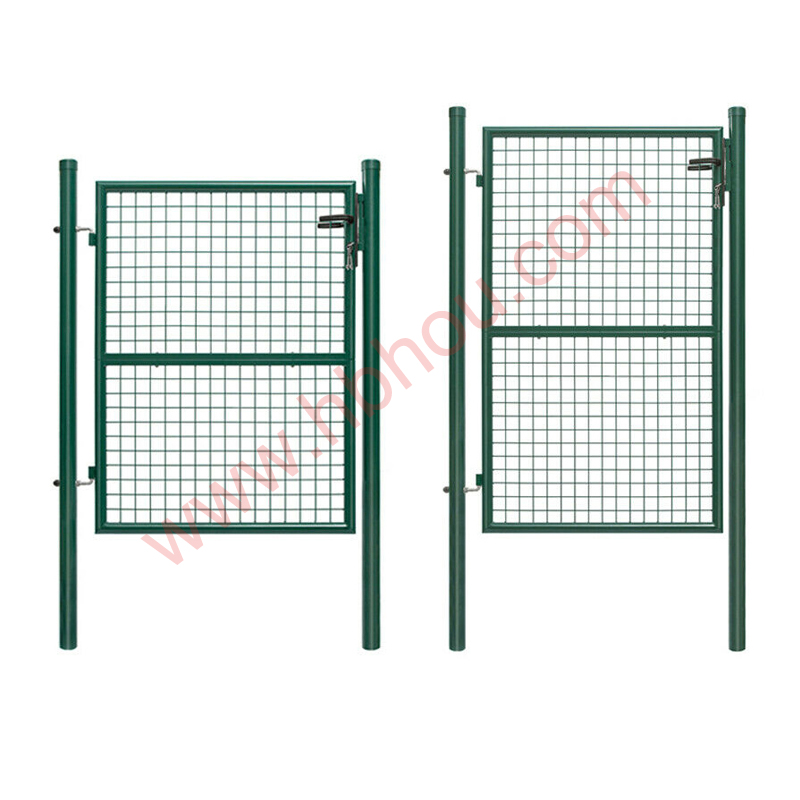
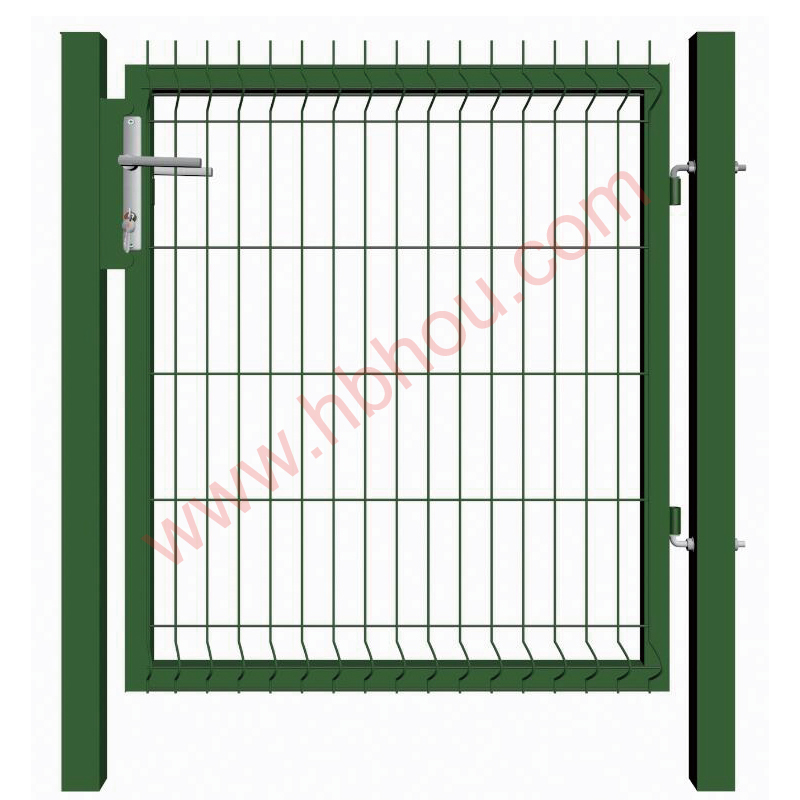
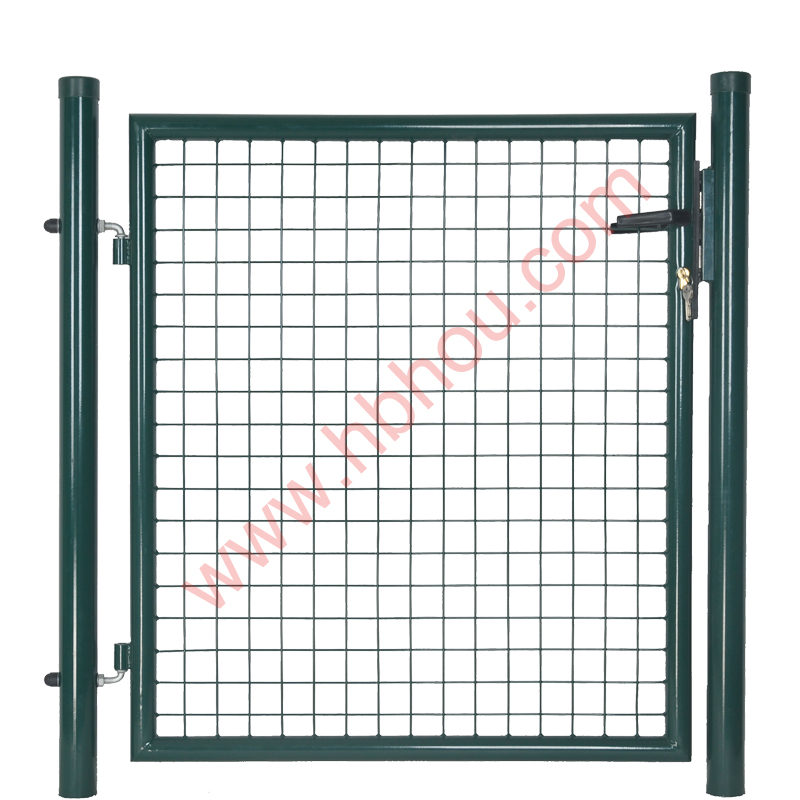
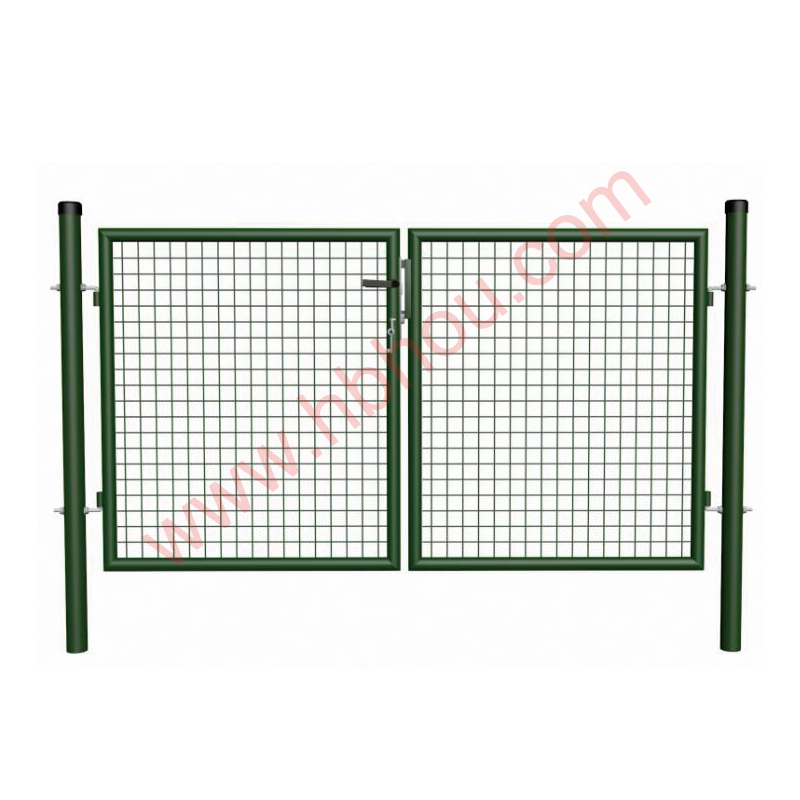
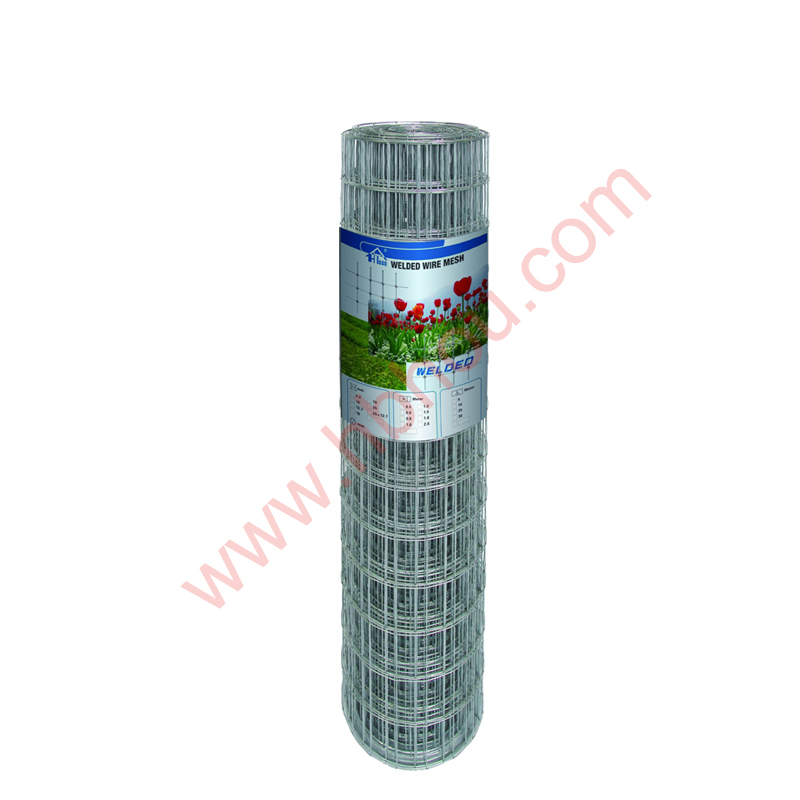
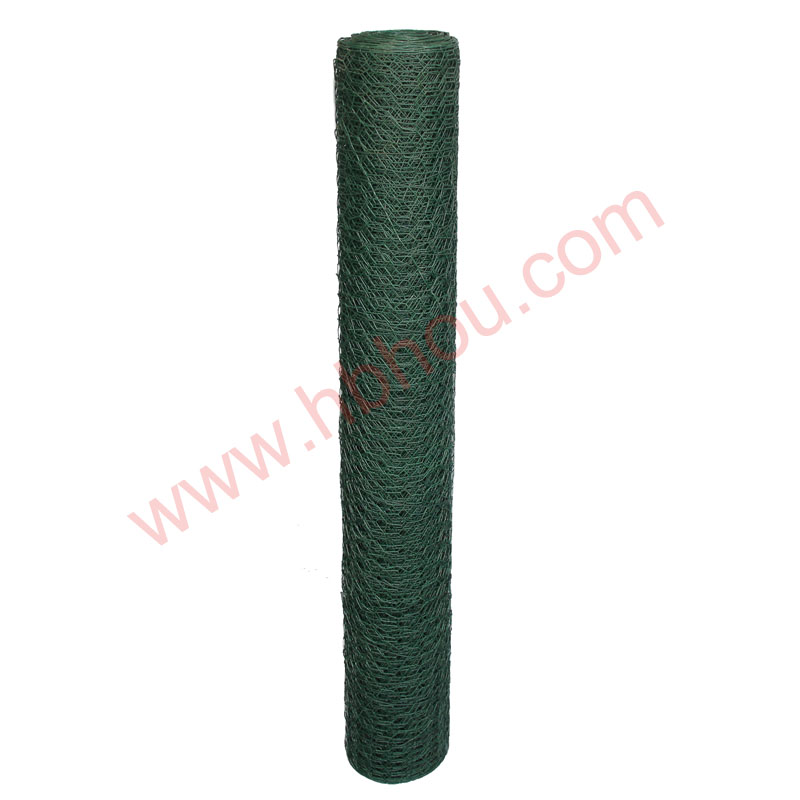
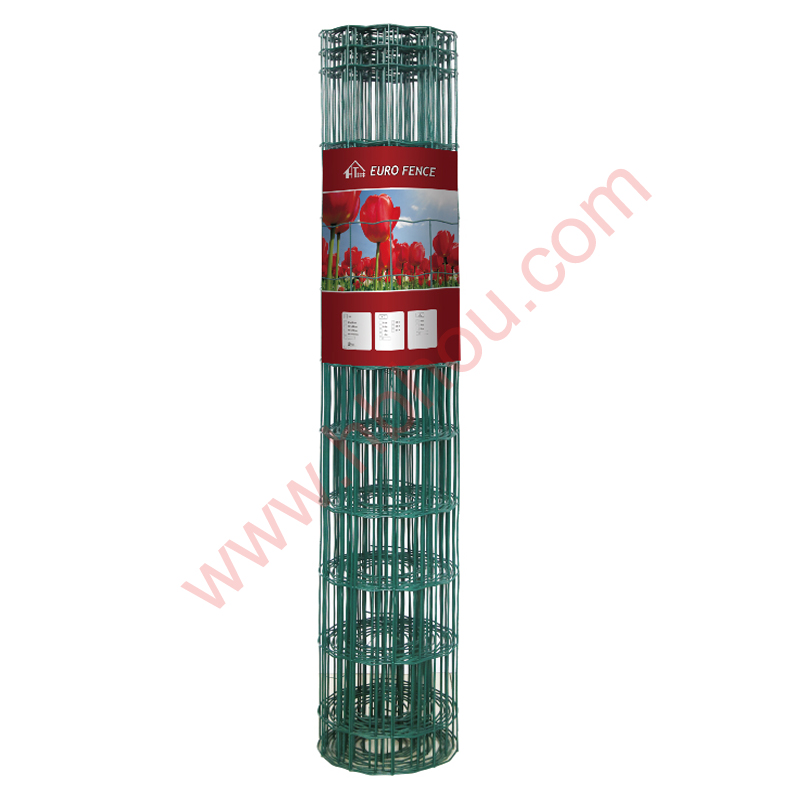
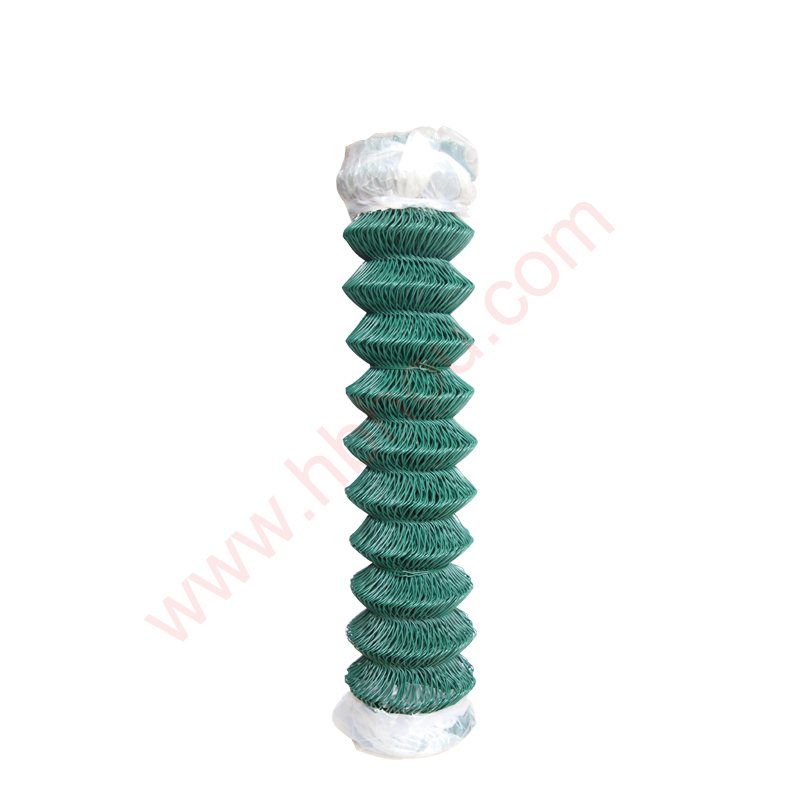
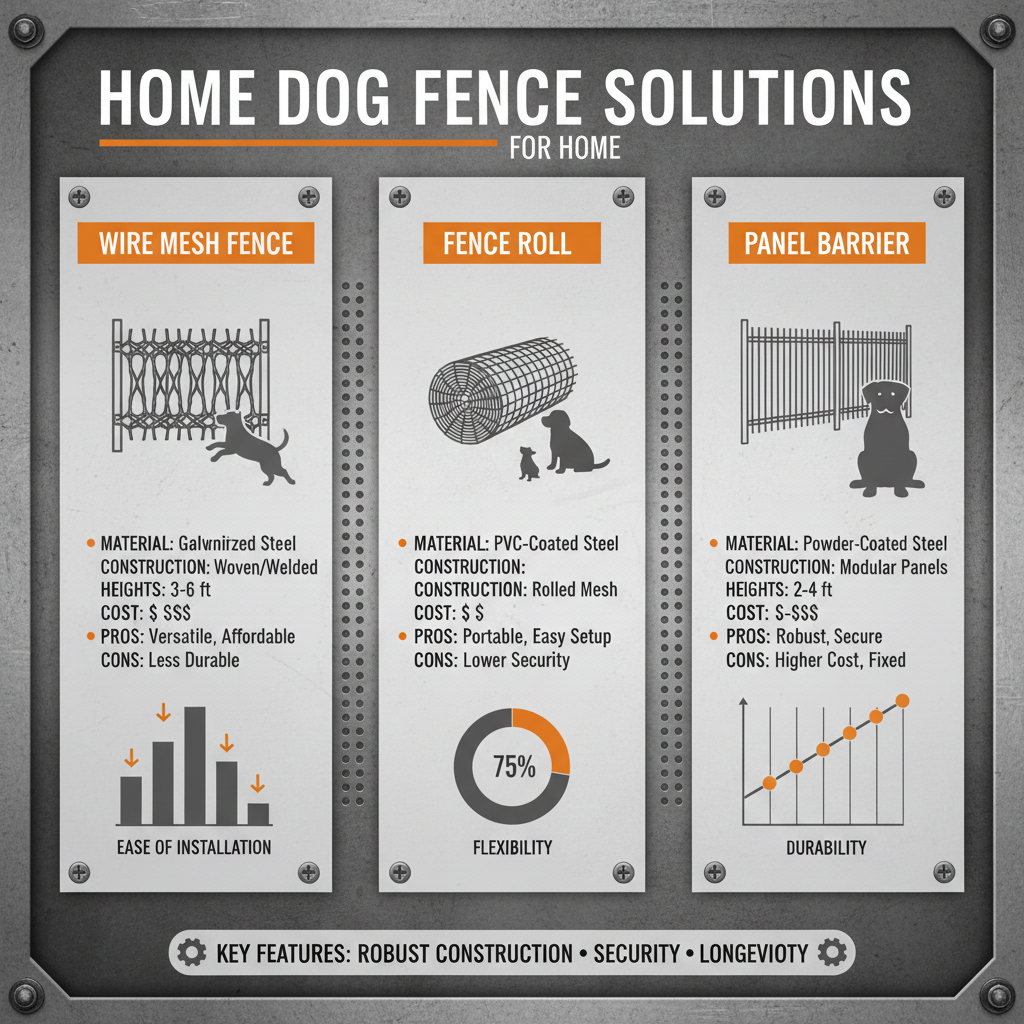
The market offers a diverse range of dog fences, each with its own advantages and disadvantages. Traditional fences, constructed from wood, metal, or vinyl, provide a physical barrier that's often aesthetically pleasing. However, they can be expensive and require significant installation effort. Electric fences, both in-ground and wireless, use a mild static correction to deter your dog from crossing the boundary. These are generally more affordable but require training. Finally, portable or temporary fences are great for travel or short-term containment. Choosing the best type depends on your individual needs and circumstances. Considering factors like your dog's breed and digging habits is crucial.
Key Considerations: Consider your dog’s size, breed, energy level, and tendency to dig or jump when selecting a fence. The type of terrain and your budget are also important factors.
In-Ground Electric Dog Fences: A Detailed Look
In-ground electric dog fences are a popular choice for homeowners seeking a reliable containment solution. These systems involve burying a wire around your property and connecting it to a transmitter that emits a radio signal. When your dog wears a receiver collar and approaches the buried wire, the collar delivers a static correction. While the static is harmless, it’s enough to discourage your dog from crossing the boundary. Proper installation and consistent training are essential for success. These fences are ideal for larger properties and offer a relatively discreet solution.
Benefits of In-Ground Electric Fences:
• Long-term containment solution
• Suitable for large properties
• Relatively discreet
• Adjustable correction levels
Wireless Dog Fences vs. Traditional Fences: A Comparison
Wireless dog fences offer a simpler installation process compared to in-ground systems, as they don't require burying wires. However, they often have limitations in terms of range and reliability, particularly in areas with dense vegetation or obstructions. Traditional fences, while more expensive and labor-intensive to install, provide a robust and visually defined boundary. They also don't rely on a power source or require collar training. Here's a detailed comparison to help you decide:
Choosing the Best Dog Fence for Your Needs
Ultimately, the best dog fence for home depends on your specific situation. Consider your dog's size, breed, and temperament, as well as your property's size and layout. If you have a large property and a determined digger, a traditional or in-ground electric fence might be the best option. For smaller yards or temporary containment, a wireless or portable fence could be more suitable. At HB Hou, we offer a wide selection of dog fences to meet your needs.
Product Specifications: Electric Dog Fence System
Here’s a typical specification for a popular in-ground electric dog fence system:
Conclusion: Securing Your Dog's Freedom
Choosing the right dog fence for home is a vital step in ensuring your pet's safety and well-being. By considering your dog's needs, your property's characteristics, and the available options, you can make an informed decision that provides peace of mind for both you and your furry friend. Explore the extensive range of solutions available at HB Hou and find the perfect fence to keep your dog safe and happy.
Frequently Asked Questions (FAQs)
How do I train my dog to use an electric fence?
Training is crucial for the success of any electric fence system. Start by letting your dog explore the area without the collar. Then, introduce the collar and allow them to get used to wearing it. Next, place the flags included with the system around the boundary and walk your dog around them, associating the flags with a verbal cue like “Stay.” Gradually increase the correction level as your dog gets closer to the flags. Consistency and positive reinforcement are key. Avoid using punishment; instead, reward your dog for staying within the designated area. It’s also important to supervise your dog during the initial training phase.
What should I do if my dog ignores the fence correction?
If your dog continues to cross the boundary despite receiving corrections, there may be several reasons. First, ensure the collar fits properly and the batteries are charged. Second, review your training process to ensure you've followed the steps correctly. Increase the correction level gradually, but avoid going too high too quickly. If the problem persists, consult with a professional dog trainer or contact the fence manufacturer for assistance. It’s possible your dog has a high pain tolerance or is experiencing anxiety that's overriding the correction.
Are there any safety concerns with electric dog fences?
Electric dog fences are generally safe when used correctly. However, it's important to choose a reputable brand and follow the manufacturer's instructions carefully. Ensure the collar fits properly to avoid skin irritation. Avoid using the fence on dogs with anxiety or aggression issues, as it could exacerbate their problems. Regularly check the system for malfunctions and supervise your dog during the initial training period. The goal is to create a deterrent, not to punish your dog.
Can I use a dog fence on multiple dogs?
Yes, many electric dog fence systems can be used with multiple dogs. However, you'll typically need to purchase additional receiver collars for each dog. Ensure each collar is properly adjusted and programmed to the same settings. When training, work with each dog individually to ensure they understand the boundaries. Some systems offer features like adjustable correction levels for different dogs, allowing you to customize the experience based on their size and temperament.