Effective Strategies for Dog Fence Jumping Prevention
Every dog owner knows the thrill of a happy pet, but that joy can quickly turn into anxiety when your furry friend discovers they can clear the backyard perimeter. Implementing a robust plan for dog fence jumping prevention is not just about containment; it is about ensuring the safety of your pet and preventing potentially dangerous encounters with traffic or stray animals. Whether you have a high-energy Border Collie or a determined Labrador, understanding the psychology of jumping and the physical barriers required can make all the difference. In this guide, we will explore the most effective physical and behavioral solutions to keep your pets secure.
Identifying Why Your Dog Jumps the Fence
Before applying a physical fix, it is crucial to understand the "why" behind the behavior. Most dogs don't jump fences simply for the sake of it; they are usually driven by boredom, instinct, or high prey drive. A dog might see a squirrel on the other side or feel under-stimulated in a small yard. By addressing these root causes through increased exercise and mental stimulation, you can reduce the motivation to escape. Combining behavioral training with a professional dog fence jumping prevention strategy ensures a holistic approach to pet security.
Common Triggers: High prey drive (chasing animals), separation anxiety, lack of daily physical activity, and curiosity about the neighborhood environment.
Comparing Methods for Dog Fence Jumping Prevention
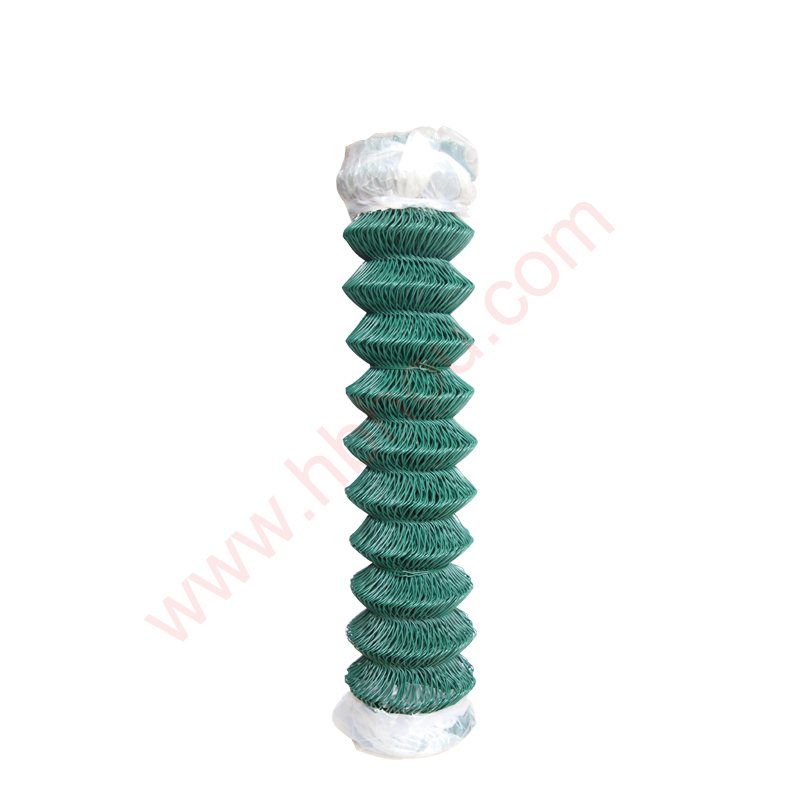
Not all fences are created equal, and not all dogs jump the same way. Some dogs climb, some leap, and some find a specific "launch point." When evaluating dog fence jumping prevention methods, you must consider the material of your current fence and the athletic ability of your breed. For instance, a chain-link fence provides "footholds" that a wooden fence does not, making climbing much easier for agile breeds.
Physical Barrier Upgrades for Maximum Security
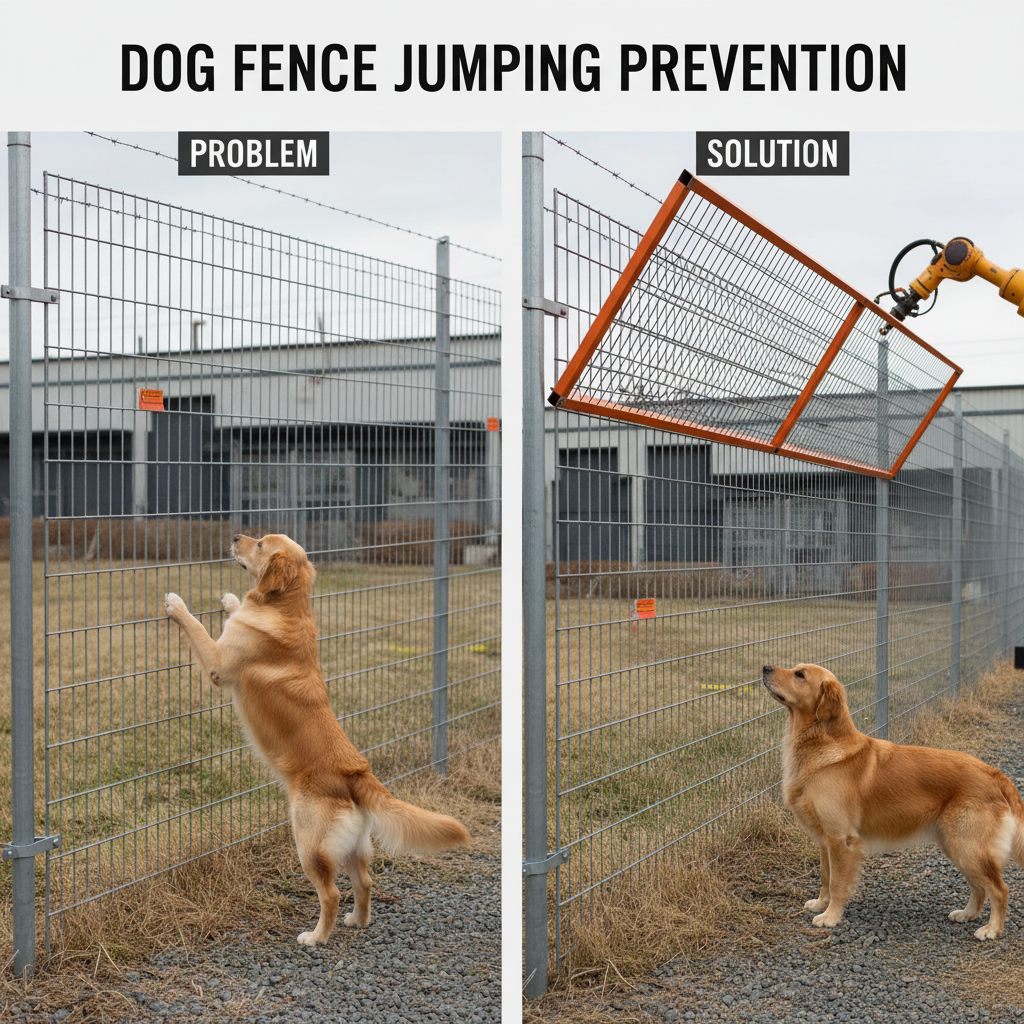
When behavioral changes aren't enough, physical upgrades are the gold standard for dog fence jumping prevention. One of the most effective additions is the "inward lean" or "overhang." By adding an extension to the top of the fence that angles toward the inside of the yard, you create a psychological and physical barrier that is nearly impossible for a dog to navigate. Additionally, removing "launch pads"—such as woodpiles, benches, or trash cans placed near the fence—eliminates the advantage your dog uses to gain height.
Advanced Technical Solutions: Rollers and Mesh
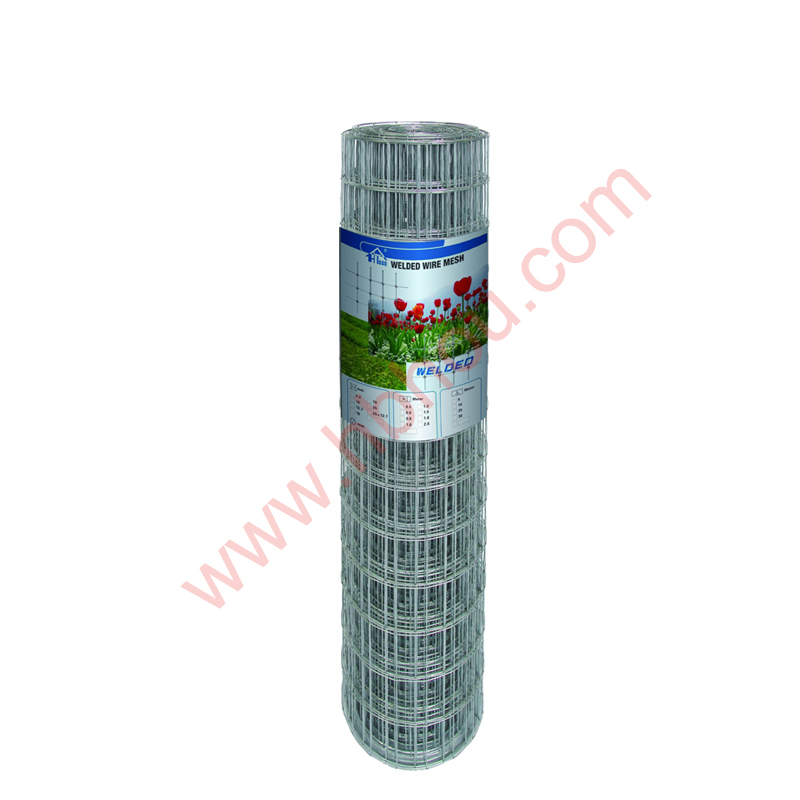
For the most determined escape artists, professional-grade hardware is necessary. Coyote rollers, for instance, are aluminum tubes that spin when a dog attempts to grip the top of the fence, causing them to lose their footing and slip back into the yard. Another option is adding a high-gauge wire mesh extension. This increases the overall height of the perimeter without requiring a full fence replacement. These technical upgrades provide a permanent solution for dog fence jumping prevention that caters to high-energy athletic breeds.
Integrating Training with Fence Security
The most successful dog fence jumping prevention is a combination of physical barriers and positive reinforcement training. Training your dog to "stay" or "leave it" when they approach the perimeter can significantly reduce the likelihood of an escape attempt. Rewarding your dog for staying away from the fence creates a positive association with the boundary. Remember, a tired dog is a well-behaved dog; ensuring your pet has had a long walk or a game of fetch before being left in the yard reduces the restlessness that leads to jumping.
Maintenance and Regular Inspections
Prevention is an ongoing process. Fences can warp, nails can loosen, and dogs can become more creative over time. Regular inspections are a critical part of any dog fence jumping prevention strategy. Check for gaps at the bottom where dogs might dig and start to climb, and ensure that any installed extensions remain secure. By staying proactive, you can spot potential weaknesses before your dog does, ensuring your home remains a safe sanctuary for your pet.
Conclusion: Creating a Secure Haven for Your Pet
Ensuring your dog stays safely within your boundaries requires a blend of understanding, physical reinforcement, and consistent training. From installing coyote rollers to providing more mental stimulation, the right approach to dog fence jumping prevention eliminates the risks associated with escape. By investing in quality materials and spending time on behavioral training, you provide your pet with the freedom to enjoy the outdoors without compromising their safety. A secure fence is not just a barrier; it is peace of mind for every responsible pet owner.
Frequently Asked Questions (FAQs)
Will a higher fence always stop my dog from jumping?
While increasing height is a primary goal in dog fence jumping prevention, it is not always a complete solution. Some agile breeds are capable of jumping surprising heights, and others may simply find a way to climb the material. This is why adding "top-of-fence" deterrents, like rollers or inward-sloping extensions, is often more effective than simply adding more height. Height provides the barrier, but the design prevents the climb.
Are "invisible fences" effective for dogs that jump?
Invisible fences rely on training and a corrective stimulus rather than a physical barrier. For dogs with an extremely high prey drive, the instinct to chase a squirrel may override the memory of the corrective shock or beep. Therefore, for high-risk jumpers, we recommend a hybrid approach: a physical fence for containment and an invisible boundary as a secondary layer of security to discourage them from even approaching the edge.
Can visual blockers help prevent jumping?
Yes, significantly. Many dogs jump because they are stimulated by things they see on the other side of the fence. By using privacy slats, hedging, or fabric screens, you remove the visual triggers that motivate the jump. When a dog cannot see the "prize" (like another dog or a cat), they are much less likely to attempt a leap. This is a low-cost, highly effective complement to any professional dog fence jumping prevention system available at hbhou.com.
What is the best material for a jump-proof fence?
Solid materials like vinyl or smooth-finished wood are generally better than chain-link or wrought iron because they do not offer "toe-holds" for climbing. However, the "best" material often depends on the specific dog. For most owners, a solid fence paired with an aluminum roller system at the top provides the highest level of security. This combination prevents both the leap and the climb, offering a comprehensive solution for pet containment.