Choosing the Right Dog Fence for Small Dogs: A Comprehensive Guide
Finding the perfect dog fence for small dogs can be a daunting task. With so many options available, it's important to consider your dog's size, temperament, and your yard's layout. This article provides a detailed overview of the different types of dog fences, their pros and cons, and how to choose the best one for your furry friend. Ensuring your small dog has a safe and secure space to roam is crucial for their well-being and your peace of mind. We’ll explore everything from traditional fencing to innovative wireless systems, helping you make an informed decision.
Types of Dog Fences for Small Dogs
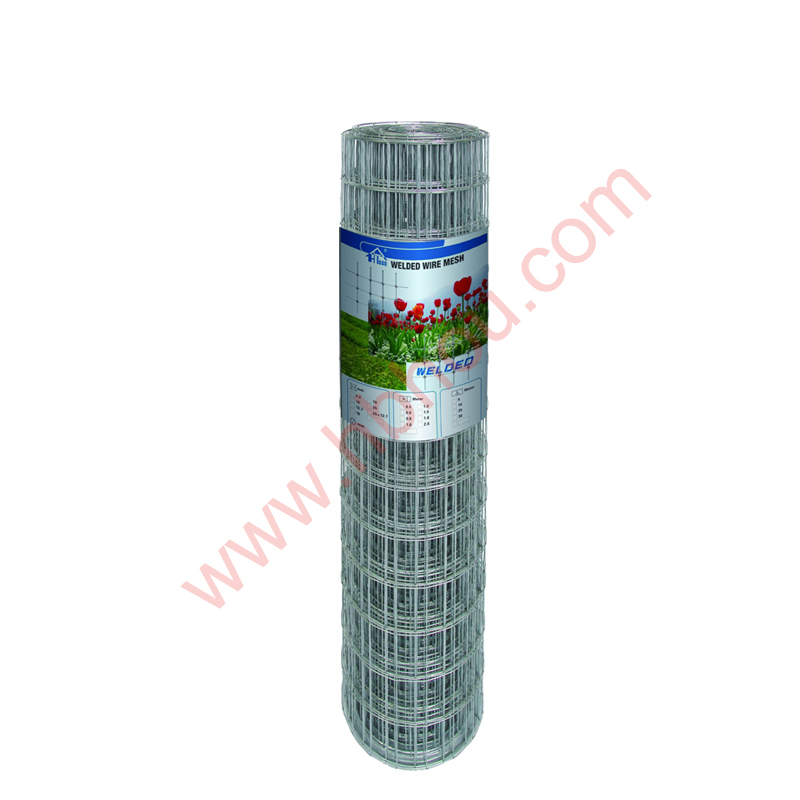
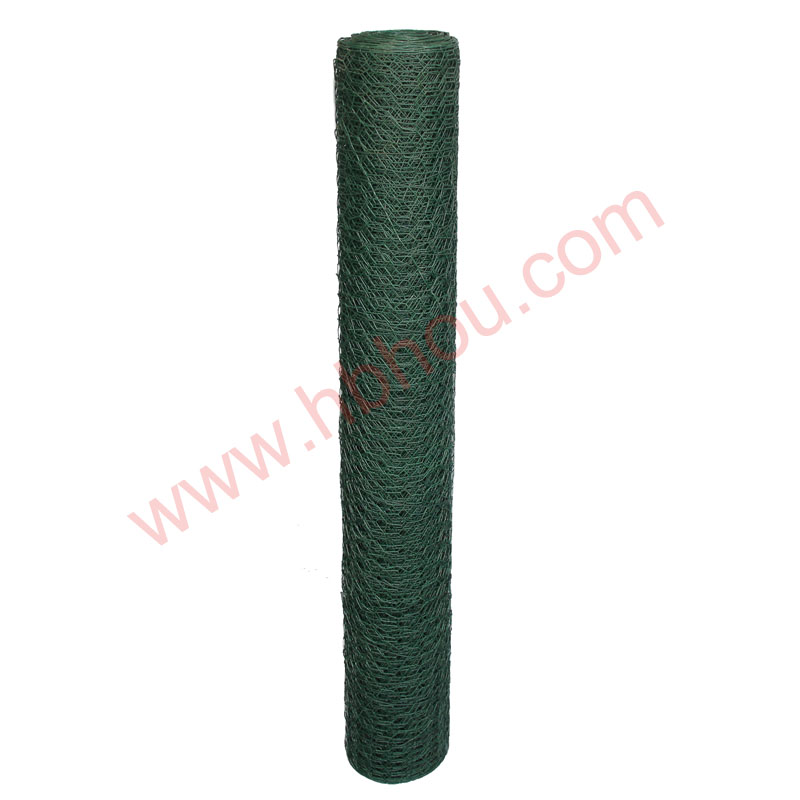
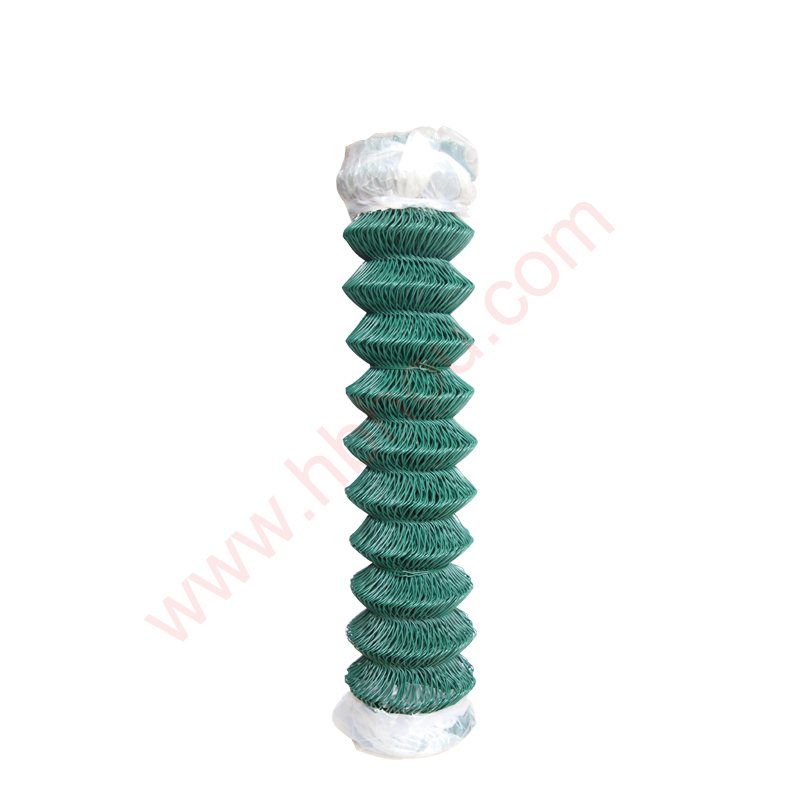
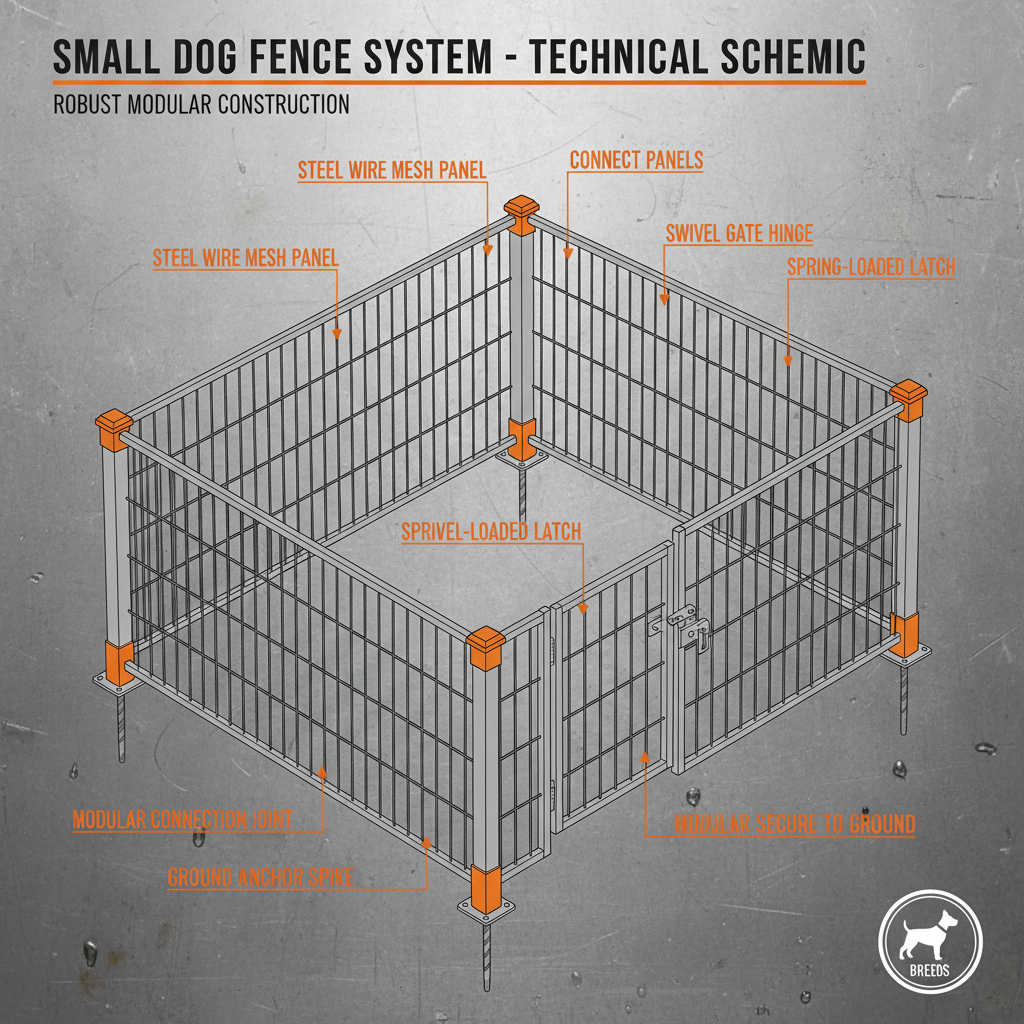
There's a wide array of dog fences available, each with its unique benefits. Traditional fences, like wood or chain-link, offer a physical barrier, while electric and wireless fences utilize technology to keep your dog contained. Below are some of the most popular choices:
Common Fence Types: Traditional, Electric, Wireless, and Portable Playpens.
Understanding Wireless and Electric Dog Fences
Wireless fences are a popular choice for their ease of installation and flexibility. They create a boundary using radio signals, and your dog wears a receiver collar that delivers a correction when they approach the boundary. Electric fences, similarly, use a buried wire to create a boundary, and the collar delivers a static correction. Both systems require proper training to ensure your dog understands the boundaries. It's crucial to choose a system with adjustable correction levels to suit your dog’s sensitivity. The HB Hou offers a variety of these advanced containment systems.
Wireless & Electric Fence Benefits:
- Easy Installation
- Flexible Boundary Options
- Adjustable Correction Levels
- Suitable for various yard sizes
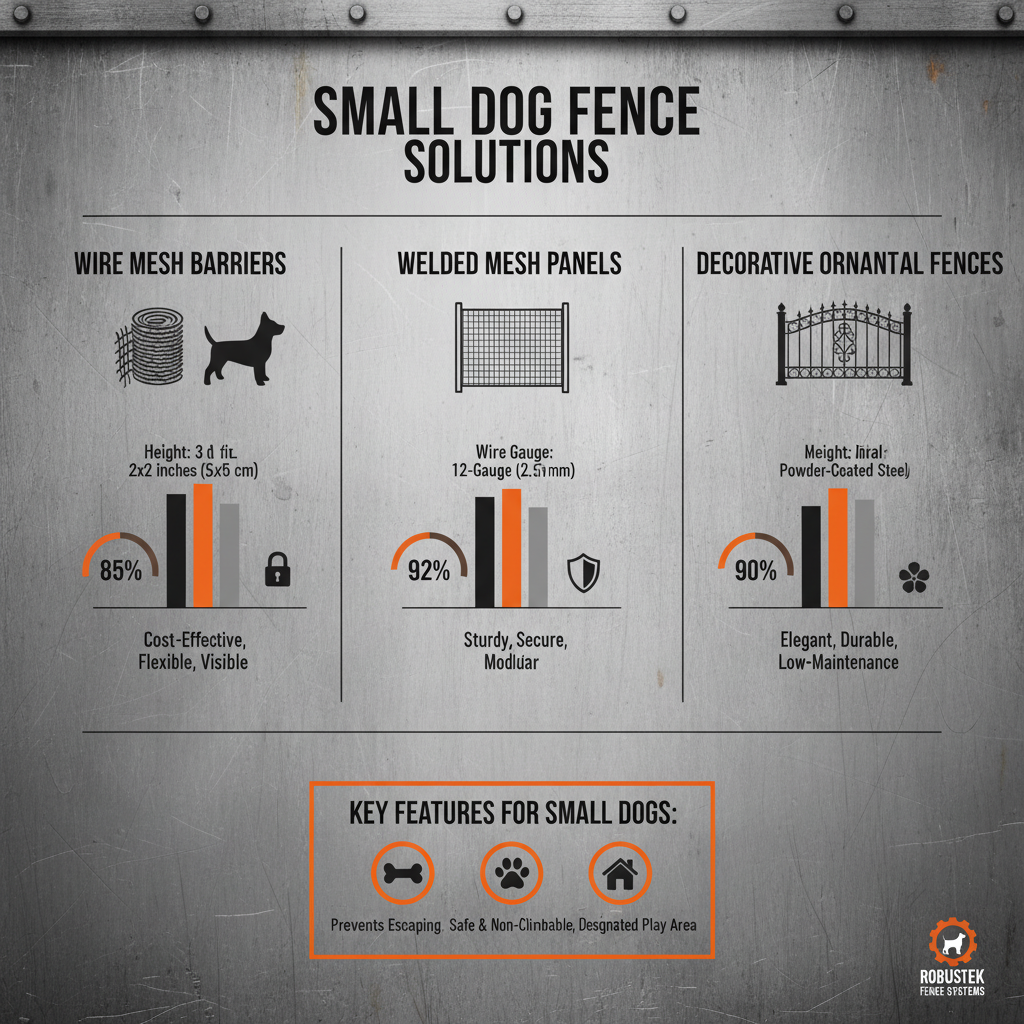
A Comparison of Dog Fence Types for Small Dogs
Choosing the right fence depends on your specific needs and circumstances. Here's a comparison to help you decide:
Factors to Consider When Choosing a Dog Fence for Small Dogs
Several key factors should influence your decision. Your dog's breed, size, and temperament are crucial. Smaller dogs may be able to squeeze under or jump over certain fence types. Consider your yard's layout and terrain. If you have a large, uneven yard, a wireless fence might be more practical than a traditional fence. Budget is also an important factor, as prices vary significantly between fence types. Finally, consider the ease of installation and maintenance. The team at HB Hou can help you assess your needs and find the perfect solution.
Conclusion: Ensuring a Safe Space for Your Small Companion
Selecting the right dog fence for small dogs is an investment in their safety and your peace of mind. By carefully considering your dog's needs, your yard's layout, and your budget, you can find the perfect solution. Whether you choose a traditional fence, a wireless system, or a portable playpen, ensuring your dog has a secure and comfortable space to roam is paramount. Explore the options available at HB Hou to find the ideal fence for your beloved companion.
Frequently Asked Questions (FAQs)
What is the best type of fence for a small, escape-artist dog?
For a determined escape artist, a traditional fence or a professionally installed electric fence with a low-riding collar is often the most reliable option. Wireless fences can sometimes be circumvented by a clever dog. Ensure the fence is tall enough and doesn't have gaps that your dog can squeeze through. Dig-proofing is also essential – consider burying chicken wire or adding a concrete footer to prevent digging under the fence. Training is critical to reinforce the boundaries.
Are wireless fences safe for small dogs?
Wireless fences are generally safe when used correctly. It's crucial to choose a system with adjustable correction levels and start with the lowest setting. Ensure the collar fits properly and doesn't cause any discomfort or irritation. Never leave your dog unattended for extended periods with a wireless fence until they are thoroughly trained. Regular checks of the collar and receiver are essential to ensure proper function.
How much training is required for an electric or wireless fence?
Training is essential for both electric and wireless fences. Start by introducing your dog to the collar without any correction. Then, gradually introduce them to the boundary flags, allowing them to explore the area. When they approach the flags, administer a verbal correction and gently guide them back. Repeat this process consistently until your dog understands the boundaries. Training can take several days to weeks, depending on your dog's temperament and learning ability.
What should I do if my dog is afraid of the correction from a wireless or electric fence?
If your dog is exhibiting fear or anxiety, immediately reduce the correction level or temporarily remove the collar. Re-evaluate your training approach and focus on positive reinforcement. Consider consulting with a professional dog trainer for guidance. It’s essential to create a positive association with the boundaries, rather than relying solely on correction. Make sure the collar isn’t causing any irritation or discomfort.