Understanding Chain Link Fence Cost Per Foot Installed: A Global Perspective
Chain link fencing is everywhere—from industrial zones to residential neighborhoods—and the cost per foot installed plays a crucial role in project planning, budgeting, and lifecycle maintenance. Worldwide, this metric supports decisions not just for homeowners but also for governments and NGOs working in security, disaster relief, and infrastructure protection. Frankly, knowing the chain link fence cost per foot installed isn’t just about numbers—it’s about balancing durability, security, and affordability in environments that matter.
Why It Matters Globally
According to data from the United Nations and the World Bank, infrastructure projects in emerging economies face tight budgets and require cost-efficient, reliable fencing solutions to secure property and public assets. Chain link fences offer a practical balance—economical yet durable, widely available, and quick to install. Yet, the true cost varies by location, material quality, installation methods, and project scale, which can complicate budgeting efforts globally.
Understanding these costs is more than a project concern; it connects to global trade flow, construction standards (ISO-certified suppliers for fencing materials, for example), and even humanitarian operations requiring rapid yet secure perimeter solutions.
The Basics: What Does Chain Link Fence Cost Per Foot Installed Actually Mean?
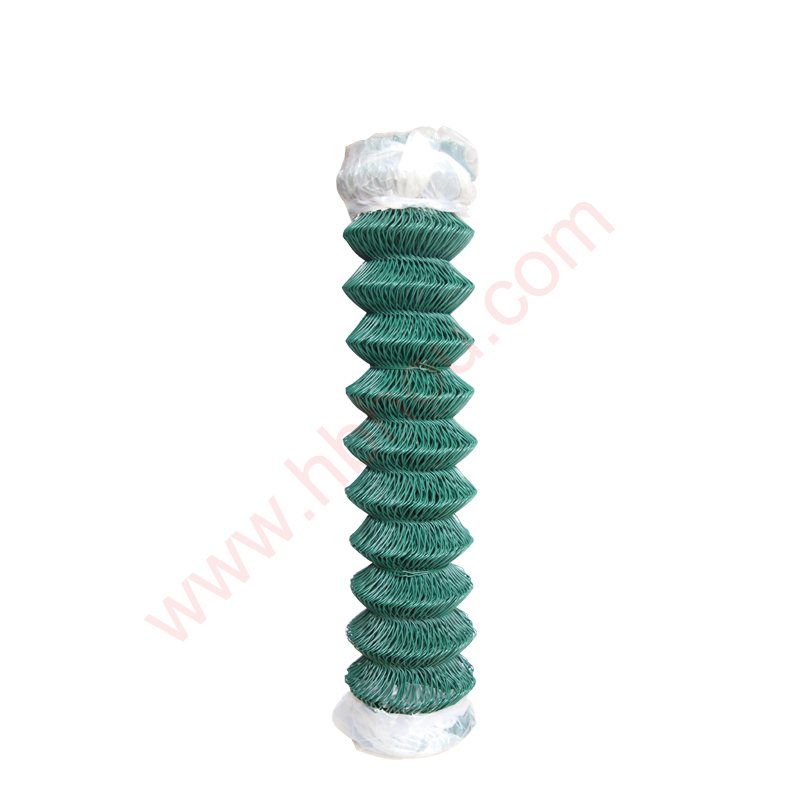
Put simply, the “chain link fence cost per foot installed” is the total expense incurred to purchase, transport, and put up one linear foot of chain link fencing. This includes the price of materials (steel or aluminum mesh, posts, fittings), labor for installation, and any related equipment usage. It’s a vital figure when considering fencing for industrial, commercial, or residential use because it provides a clear benchmark for estimating overall project expenses.
In modern industry, this cost metric is tightly intertwined with demands for rapid installation and durability—especially in sectors like construction, agriculture, and logistics. On the humanitarian side, getting fences up quickly and affordably can secure temporary settlements or supply yards, with costs needing to fit emergency budgets.
Key Factors Influencing Chain Link Fence Installation Costs
1. Material Quality & Mesh Gauge
The thickness of the wire (gauge) and the metal type significantly impact cost. For example, galvanized steel tends to be more expensive than vinyl-coated options but lasts longer against corrosion. Oddly enough, in coastal or humid climates, opting for vinyl coating might increase upfront cost but yield savings via maintenance over time.
2. Fence Height & Size
Taller fences require more posts and stronger fittings, which ups the materials and labor cost. Standard fencing heights range from 3 to 8 feet for residential or commercial use, but industrial security fences can be much taller.
3. Terrain & Installation Complexity
Installing fencing on rough terrain, slopes, or rocky soil requires more labor and possibly specialized equipment. A flat, open field is naturally less costly than hillside or urban sites where access is tricky.
4. Labor Rates & Local Regulations
Labor costs differ widely by region. Also, some local laws mandate specific anchoring or materials, influencing installation techniques and cost.
5. Accessories & Customizations
Add-ons such as gates, barbed wire, privacy slats, or anti-climb features add to overall cost but improve security and functionality.
Mini takeaway: When estimating chain link fence cost per foot installed, it’s not just about price per foot—it’s about what that foot includes in materials, labor, terrain, and extras.
Product Specifications: Typical Chain Link Fence Components & Costs
| Component | Description | Typical Cost (USD) |
|---|---|---|
| Wire Mesh (9 gauge galvanized steel) | Standard chain link mesh, 1.5" diamond pattern | $3.00 - $5.00 / linear ft |
| Posts (metal) | Round steel posts, 2" diameter | $10 - $15 / post (spaced ~8 ft) |
| Fittings & Accessories | Ties, rails, tension bands | $1.50 - $3 / linear ft |
| Installation Labor | Includes digging, setting posts, attaching mesh | $6.00 - $10 / linear ft |
Vendor Comparison: Chain Link Fence Suppliers & Installers
| Supplier | Price Range (USD / ft) | Installation Time | Warranty | Service Area |
|---|---|---|---|---|
| FenceCo Global | $9.5 - $12 | 2–3 days for 500 ft | 5 years on materials | USA, Canada |
| SecureLine Installations | $8 - $11 | 3–4 days for 500 ft | 3 years on labor & materials | Europe, Middle East |
| EcoFence Solutions | $10 - $13 | 2 days for 400 ft | 10 years (rust resistant coating) | Australia, New Zealand |
Global Applications & Use Cases
Industrially, chain link fences enclose manufacturing plants, airports, and warehouses worldwide. Oddly enough, their versatility extends to humanitarian relief zones, where NGOs use them to secure refugee camps or supply depots — often under tight budget constraints. The World Health Organization highlights temporary fencing solutions in post-disaster management to protect critical infrastructure.
In remote industrial zones like mining sites in Africa or gas pipelines in Central Asia, chain link fencing is favored for its balance of cost, durability, and relative ease of installation — important factors when logistics are complicated.
Advantages & Long-Term Value
- Cost Efficiency: Affordable initial investment with low maintenance.
- Durability: Resistant to weathering, lasting up to 20+ years.
- Scalability: Easily adapted to various lengths and heights.
- Security: Provides clear demarcation and physical barriers.
- Social Impact: Enhances safety and privacy, supporting dignity.
Beyond pragmatic reasons, there’s peace of mind in choosing a reliable fencing solution—knowing that your property, livestock, or humanitarian site is secured. That especially counts in conflict- or disaster-prone areas.
Looking Ahead: Future Trends and Innovations
Interestingly, the fence industry is leaning into green and smart technologies. Manufacturers experiment with eco-friendly coatings reducing environmental impact and increasing lifespan. Digital transformation introduces IoT-enabled fencing systems with sensors for perimeter intrusion alerts.
Automation will likely speed installation — robotic post drivers and mesh unrollers are in early stage testing. Then there’s an increased push towards sustainability certifications aligning with ISO 14000 environmental standards.
Challenges and Practical Solutions
Common challenges include corrosion in harsh environments and installation delays on difficult terrain. However, innovations like polymer coatings and modular fencing systems can mitigate these. Also, partnering with local installers familiar with geographical nuances trims costs and speeds delivery.
Many engineers advocate for comprehensive site surveys early on to avoid surprises during installation.
Frequently Asked Questions About Chain Link Fence Cost Per Foot Installed
- Q: What elements most affect chain link fence installation cost?
- A: Material gauge, fence height, terrain, labor rates, and any added features like gates or barbed wire significantly influence overall cost.
- Q: How long does a typical chain link fence last?
- A: With proper maintenance and quality materials, a well-installed chain link fence can last 15-25 years, though coastal or humid climates might reduce longevity.
- Q: Are there eco-friendly options for chain link fences?
- A: Yes, PVC/vinyl coatings and recycled steel materials are increasingly common, plus suppliers are beginning to offer sustainable packaging and transport options.
- Q: Can chain link fences be installed quickly in emergency or disaster zones?
- A: Absolutely, many vendors specialize in rapid deployment fencing designed for such environments, making installation feasible within days.
- Q: How can I find reliable vendors with transparent pricing?
- A: Look for ISO-certified suppliers with clear, itemized estimates and solid warranties; consulting local installation companies with global supply links can help ensure transparency.
Conclusion & Next Steps
In the big picture, understanding chain link fence cost per foot installed unlocks smarter decisions—whether securing a family yard or protecting critical infrastructure halfway across the globe. The metric connects affordability with functionality, reliability, and even social impact.
If you’re looking for detailed pricing or facing project-specific challenges, I recommend visiting our website for tailored solutions and expert advice. Because in fencing, as in so many things, knowing the full story behind the cost can make all the difference.
After all, it’s not just fencing—it’s peace of mind layered with precision and care.
References: