Understanding the Cost of Chain Link Fence Installed: A Global Perspective
Chain link fences might not make headlines often, but they quietly play a starring role all around the world—in industrial zones, residential neighborhoods, sports fields, and even in humanitarian efforts. Knowing the cost of chain link fence installed is more than just a budgeting exercise; it’s about understanding a vital element of security, durability, and accessibility that impacts communities and industries globally.
Why This Topic Matters
Globally, fencing solutions like chain link fences help protect investments, delineate spaces, and provide safety in ways both big and small. According to the United Nations Office for Disaster Risk Reduction, securing perimeters is crucial in disaster-prone zones to protect assets during recovery. Meanwhile, World Bank data reveals that effective fencing can mitigate unauthorized land use and encroachments that often undermine infrastructure projects. So, wrapping your head around the cost elements helps planners, developers, and humanitarian agencies alike.
Mini takeaway: Understanding these costs is key to balancing budgets with long-term security and functionality needs.
What Exactly Is the Cost of Chain Link Fence Installed?
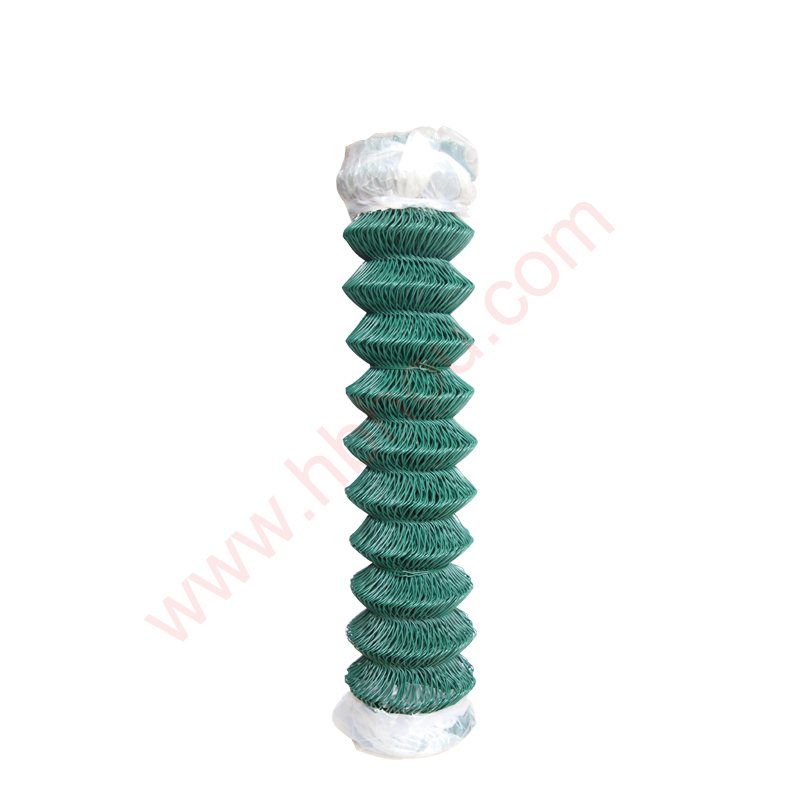
Simply put, the cost of chain link fence installed includes the price of materials—like galvanized steel or vinyl-coated wire—the labor to put it up, hardware (posts, fittings, gates), and any ground prep work. It’s not just the fence material’s sticker price; it’s what you pay to get a complete, ready-to-use security barrier in place.
In today’s industrial world, and in disaster relief contexts, this is crucial. For instance, NGOs setting up temporary shelters might need fences quickly and affordably to control access and protect assets. The installed cost directly influences project feasibility and timing.
Key Factors Affecting Installed Cost
Material Choice & Durability
The most common chain link wire gauges range from 6 to 11, affecting strength and price. Galvanized steel is a standard due to corrosion resistance, but vinyl-coated options add durability and aesthetics—and cost more upfront.
Fence Height and Length
Taller fences or longer fences require more materials and labor. Oddly enough, scaling up can sometimes lower per-foot costs due to efficiencies, but ground conditions may balance that out.
Installation Complexity
Uneven terrain, rocky grounds, or areas requiring additional security features (like barbed wire or electric fencing) add labor and material costs.
Local Labor and Regulations
Costs vary widely by region depending on labor rates and local codes, which may require permits or specific installation standards.
Gate and Access Points
The number, size, and type of gates impact overall costs. Automated or lockable gates cost more but add a layer of security.
| Specification | Typical Range | Notes |
|---|---|---|
| Wire Gauge | 6 - 11 gauge | Lower number means thicker wire |
| Fence Height | 3 - 12 feet | Standard residential ~4 ft, commercial/industrial often >6 ft |
| Material | Galvanized steel, vinyl-coated | Vinyl coating increases durability & price |
| Installation Cost | $5 - $15 per linear foot | Depends on terrain, location, complexity |
Mini takeaway: If you want a fence to last decades while keeping costs manageable, material choice and site conditions are your best friends — or your biggest headaches.
Global Applications & Use Cases
Chain link fences are everywhere, but their roles vary:
- Industrial Zones: Securing factories and warehouses in places like Southeast Asia and Eastern Europe, often balancing cost with durability due to heavy machinery access.
- Residential Areas: Demand is high in North America and Australia, for affordable fencing that defines property without blocking views.
- Sports Facilities: Chain link fencing encloses tennis courts, baseball diamonds, and soccer fields worldwide.
- Humanitarian and Disaster Relief: Fast-install fences protect refugee camps or temporary shelters — the cost of chain link fence installed must be low and deployment quick.
For instance, after the 2015 Nepal earthquake, NGOs needed fast, cost-effective fencing to secure relief storage areas against theft and vandalism while camps were being established.
Advantages & Long-Term Value
Chain link fences are popular because they offer a hands-on combination of benefits:
- Cost Efficiency: Compared to other fencing types like wood or wrought iron, chain link fences come in cheaper both in materials and installation.
- Sustainability: Galvanized steel fences resist rust and reduce replacement frequency, which cuts down waste.
- Reliability: Their low maintenance needs mean less hassle for owners and users.
- Social Impact: Improved security can foster community trust, business confidence, and even personal safety.
And, frankly, feeling protected contributes to peace of mind — which counts for a lot. The visual transparency of chain link also preserves a sense of openness, unlike opaque barricades.
Future Trends & Innovations
Innovation isn’t always flashy, but improvements in chain link fencing keep coming:
- Eco-Friendly Coatings: New low-VOC vinyl coatings lessen chemical impacts and extend product life.
- Smart Fencing: Sensors embedded in fences can detect breaches or damage and alert property managers remotely.
- Automated Installation: Robotics and automated post-driving machines reduce labor costs and increase precision.
Industry 4.0 is creeping into even the fencing world, blending sustainability with digital tools — an odd combo, but a welcome one.
Challenges & Solutions
Of course, chain link fences have downsides. They’re not the most attractive option, and in some high-security situations, they provide limited deterrence. Installing on uneven terrain can drastically increase costs and time.
Experts often recommend hybrid solutions—such as combining chain link with privacy slats, or integrating barbed wire atop fences for critical security sites. Pre-planning and site assessment can mitigate costly surprises during installation.
| Vendor | Material Quality | Installation Speed | Price per linear foot | Warranty |
|---|---|---|---|---|
| FenceTech Pro | High-grade galvanized steel | Fast (1-2 days for 1000 ft) | $12 | 10 years |
| SecureLine Fencing | Vinyl-coated options available | Moderate (3 days for 1000 ft) | $14 | 15 years |
| Budget Fence Installers | Standard galvanized steel | Variable (depends on terrain) | $7-9 | 5 years |
Frequently Asked Questions About Cost of Chain Link Fence Installed
1. What influences the cost of chain link fence installation the most?
The biggest drivers are the fence height and length, material type (galvanized vs. vinyl-coated), terrain complexity, and labor rates in your area. Adding gates or security features will also hike costs.
2. How long does a typical chain link fence last once installed?
A well-installed galvanized chain link fence can last 15-20 years or more. Vinyl coatings can extend this lifespan, especially in corrosive environments.
3. Is installing a chain link fence a DIY-friendly project?
While smaller fences can be DIY projects, most installations—especially on uneven terrain or large plots—are best left to professionals for durability and code compliance.
4. Can I customize the appearance of a chain link fence?
Yes, options like vinyl coatings come in various colors, and privacy slats can be inserted for visual appeal and added security. Gates and post caps can also be customized.
5. Where can I find reliable cost estimates for chain link fence projects?
Contact multiple local vendors for quotes or consult platforms such as cost of chain link fence installed for benchmarks and vendor comparisons.
Conclusion
Bottom line: the cost of chain link fence installed touches many industries and geographies, balancing upfront budgets with long-term value. Whether protecting a construction site or securing a refugee camp, understanding these costs empowers smarter decisions.
For tailored advice and up-to-date pricing, I recommend visiting our detailed resource at https://www.hbhou.com. It’s a handy starting point to ensure your fencing projects are both economical and reliable.
Reflecting on it, sometimes the simplest solutions—like a chain link fence—have the potential to solve complex, real-world problems. And knowing what it costs to get them installed smoothly is the first step in unlocking that potential.