Understanding the Cost of Chain Link Fencing Per Foot: A Practical Guide
Chain link fencing—ubiquitous and essential in countless sectors—might not seem glamorous, but the cost of chain link fencing per foot is a surprisingly important metric to grasp. Why? Because whether you're securing a construction site in Nairobi, demarcating a schoolyard in Chicago, or setting up temporary fencing in disaster zones, knowing how much you’re spending per foot affects not just budgets but project success.
Globally, fence installation spans many industries and humanitarian efforts. On one hand, chain link fences provide reliable security for urban centers; on the other, they help in rapid deployment for refugee camps. The costs gathered per foot serve as a simple yardstick—literally and financially—for decision-making in both resource-rich and resource-limited environments.
Mini takeaway: Grasping fencing costs per linear foot gives a practical lens on budgeting and utility worldwide, touching everything from urban infrastructure to humanitarian logistics.Introduction: Why the Cost of Chain Link Fencing Matters Globally
Oddly enough, fencing might not jump to your mind when considering global infrastructure challenges. But at the crossroads of safety, property allocation, and logistics, chain link fencing stands tall. According to the World Bank, urban safety initiatives and infrastructure projects increasingly rely on affordable perimeter solutions. In places where budgets are tight but secure boundary definition is critical, the cost of chain link fencing per foot becomes a decisive factor.
Further, global supply chain dynamics affected by material costs (think: steel prices influenced by geopolitical tensions and tariffs) directly impact fencing expenses. A key challenge is that sudden spikes in cost per foot can stall projects or force compromises—affecting everything from construction timelines to humanitarian responses.
What Is the Cost of Chain Link Fencing Per Foot?
Simply put, the cost of chain link fencing per foot reflects the price required to purchase and install a one-foot length of chain link fence. It includes the wire mesh, posts, fittings, and sometimes labor, although this last can vary widely by region.
This metric connects deeply with construction, agriculture, and community safety sectors. For humanitarian agencies setting up camps or securing supplies, understanding these costs influences how quickly and effectively fences go up, scaling with urgency and budget.
Key Factors Influencing Cost of Chain Link Fencing Per Foot
1. Material Quality and Gauge
The thickness (gauge) of the wire mesh impacts durability and price. Thicker gauge usually means higher cost but longer lifespan. Oddly enough, cheaper thin-gauge fencing can develop maintenance issues fast, causing hidden long-term expenses.
2. Fence Height and Length
Taller fences require more material and sturdier posts, naturally increasing the cost per foot. But sometimes, going a bit higher upfront avoids costly security breaches down the line.
3. Coating and Finish
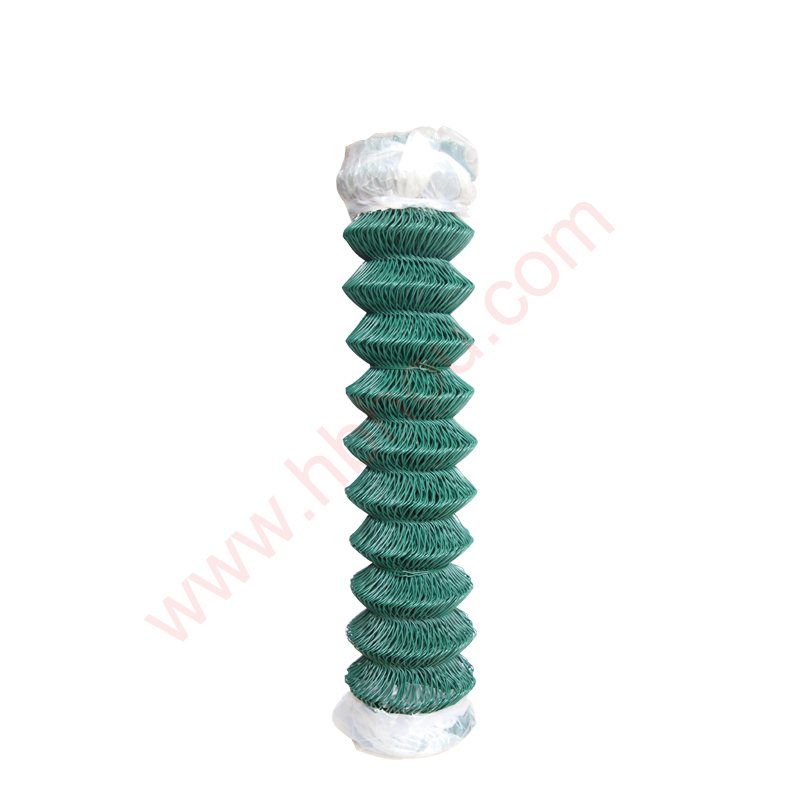
Galvanized steel with vinyl coating tends to cost more per foot but offers better weather resistance and corrosion protection, resulting in better longevity—important in humid or coastal areas.
4. Installation Complexity
Difficult terrain or remote locations can spike labor costs. Some regions’s labor rates add heavily to the final cost per foot. Installation speed and simplicity may lower costs in flat, accessible areas.
5. Accessories and Additional Features
Gates, barbed wire, or privacy slats usually increase costs but enhance functionality.
Mini takeaway: Cost per foot isn’t a static figure; it’s a composite influenced by material, location, and functionality—each variable worth weighing carefully.Common Specifications of Chain Link Fencing
| Specification | Details |
|---|---|
| Wire Gauge | 9 - 11 gauge (thicker wire = stronger, more costly) |
| Mesh Size | 2” x 2” diamond pattern perch standard |
| Coating | Galvanized or vinyl-coated for corrosion resistance |
| Fence Height | Ranges from 3’ to 12’ or more |
| Post Material | Steel or aluminum posts, evenly spaced |
Vendor Comparison: Cost Per Foot Variations
| Vendor | Price Range (per linear foot) | Gauge | Material | Includes Installation? |
|---|---|---|---|---|
| Apex Fencing Co. | $9 - $15 | 9 gauge | Galvanized steel | Optional |
| SecureLine Supplies | $12 - $18 | 11 gauge | Vinyl-coated steel | Included |
| Global Fence Supplies | $7 - $13 | 10 gauge | Galvanized steel | Not included |
Global Applications and Use Cases
Chain link fencing at predictable price points plays a vital role—from sprawling industrial sites in Brazil to community parks in Europe and emergency relief zones in South-East Asia. For example, NGOs operating in Bangladesh often rely on modular chain link fences to quickly erect secure perimeters around temporary shelters during floods. It’s cost-effective, transportable, and adaptable. Meanwhile, large-scale mining operations in Australia set fences to control access at lengths stretching dozens of miles, where cost per foot directly impacts capital expenditure.
It’s also indispensable in urban areas. Schools, sports fields, and residential communities count on chain link fencing because it strikes a balance between security, visibility, and affordability.
Mini takeaway: Chain link fencing’s cost efficiency makes it a go-to globally, from temporary humanitarian needs to permanent infrastructure.Advantages and Long-Term Value
- Cost Efficiency: You pay a reasonable price per foot, gaining a durable fencing solution without breaking the bank.
- Sustainability: Galvanized and coated steel lasts decades, reducing the need for frequent replacements and waste.
- Security and Visibility: Provides reliable boundary marking while allowing visibility, which enhances safety and trust.
- Adaptability: Easy to install and remove, scaling with whatever the exigencies of your project or facility might be.
- Social Impact: In humanitarian uses, the fencing ensures dignity and safety, protecting vulnerable populations.
Frankly, the emotional reassurance a reliable fence provides—whether it’s protecting a child’s playground or a refugee camp—can’t be overstated. It’s not just wire; it’s peace of mind.
Future Trends and Innovations
The fencing industry is quietly evolving. New materials like recycled plastics and composite coatings aim to improve corrosion resistance and reduce environmental footprints. Digitally integrated solutions, such as smart fences with sensors for intrusion detection, are gaining traction, albeit currently at higher price points. Automation in manufacturing is also driving price stabilization, even as raw material costs jitter. We’re also seeing policy pushes toward sustainable sourcing and life-cycle analyses to reduce ecological impacts.
Challenges and Solutions
Despite its strengths, fencing installation sometimes runs into problems: cost volatility with steel prices, difficulties in rough terrain, and labor shortages increase installation expenses. One simple yet effective solution: using prefabricated panels can reduce on-site labor and speed deployment. Additionally, partnering with reputable suppliers for long-term contracts tends to hedge price fluctuations.
For tricky environments, novel materials such as polymer-coated wire and modular fencing units lower maintenance burdens, ensuring longevity even if upfront costs tick up slightly.
FAQ: Frequently Asked Questions About Cost of Chain Link Fencing Per Foot
- Q: What factors most affect the cost of chain link fencing per foot?
- A: The main drivers include wire gauge, fence height, coating type, and installation complexity. Higher gauge and heights mean more material, while coatings add to durability but also cost.
- Q: Can I reduce installation costs by buying fencing materials myself?
- A: Sometimes yes, but keep in mind that professional installation ensures right placement, tension, and post setting—crucial for fence longevity and safety.
- Q: How does climate impact the cost and choice of fencing?
- A: Humid or coastal climates benefit from vinyl coating to prevent rust, typically raising cost but saving money over time by avoiding corrosion repairs.
- Q: What’s a typical lifespan for chain link fencing?
- A: With proper materials and installation, fencing lasts 15–30 years, depending on environment and maintenance.
- Q: Are there eco-friendly chain link fencing options?
- A: Yes, manufacturers are introducing recycled and recyclable materials along with lower-impact coatings to reduce environmental footprint.
Conclusion
So, at the end of the day, knowing the cost of chain link fencing per foot means you’re equipped to make smarter, more informed decisions—whether you’re securing property, protecting vulnerable communities, or managing large-scale projects. It’s more than just dollars and cents; it’s about reliability, sustainability, and the practical realities on the ground. For detailed pricing quotes, product info, and guidance, don’t hesitate to visit our site for comprehensive resources: https://www.hbhou.com.
Thanks for sticking with me through this exploration. Fencing might seem simple, but the devil’s always in the details—and trust me, next time you consider perimeter solutions, cost per foot will feel a lot less mysterious.
Reflection: Understanding technical costs means fewer surprises on-site and more value in the long haul. Chain link fence cost isn't just about price, but about the role it plays in safety and infrastructure worldwide.