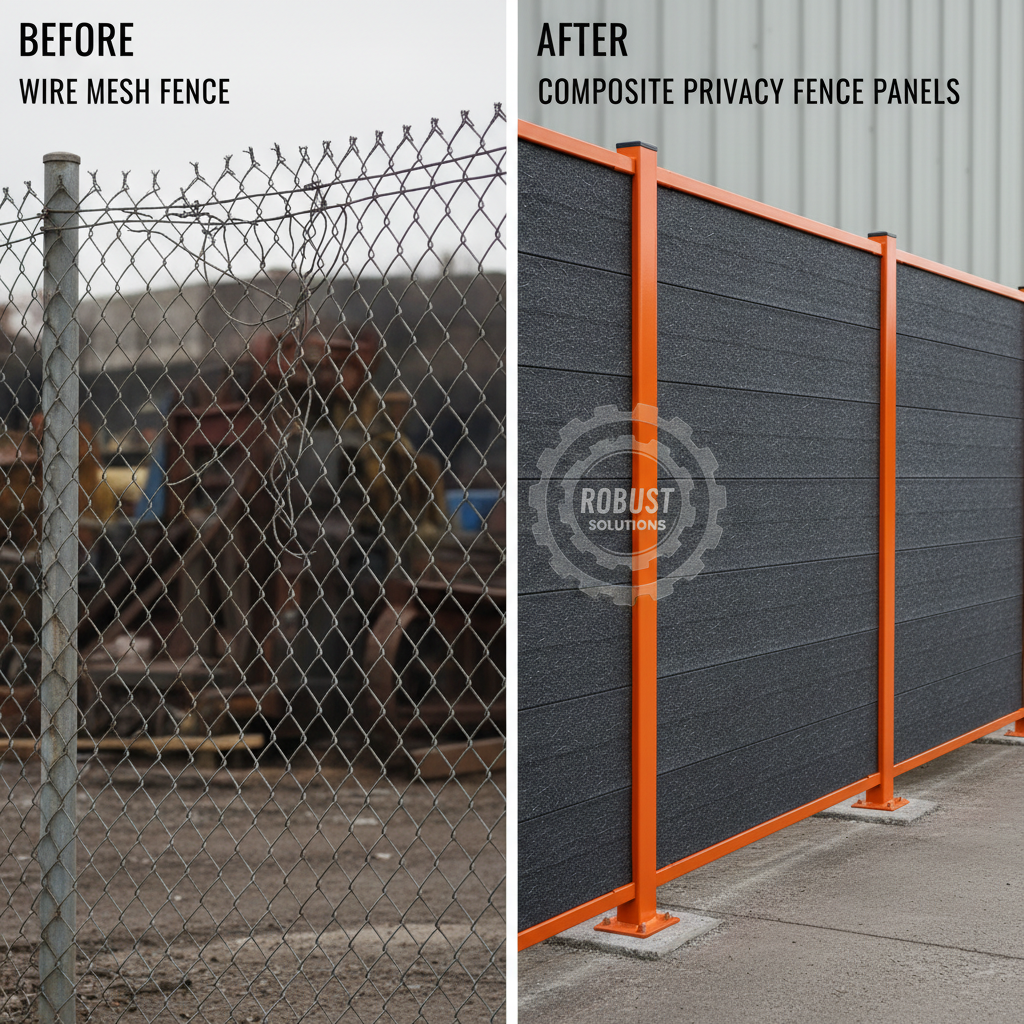
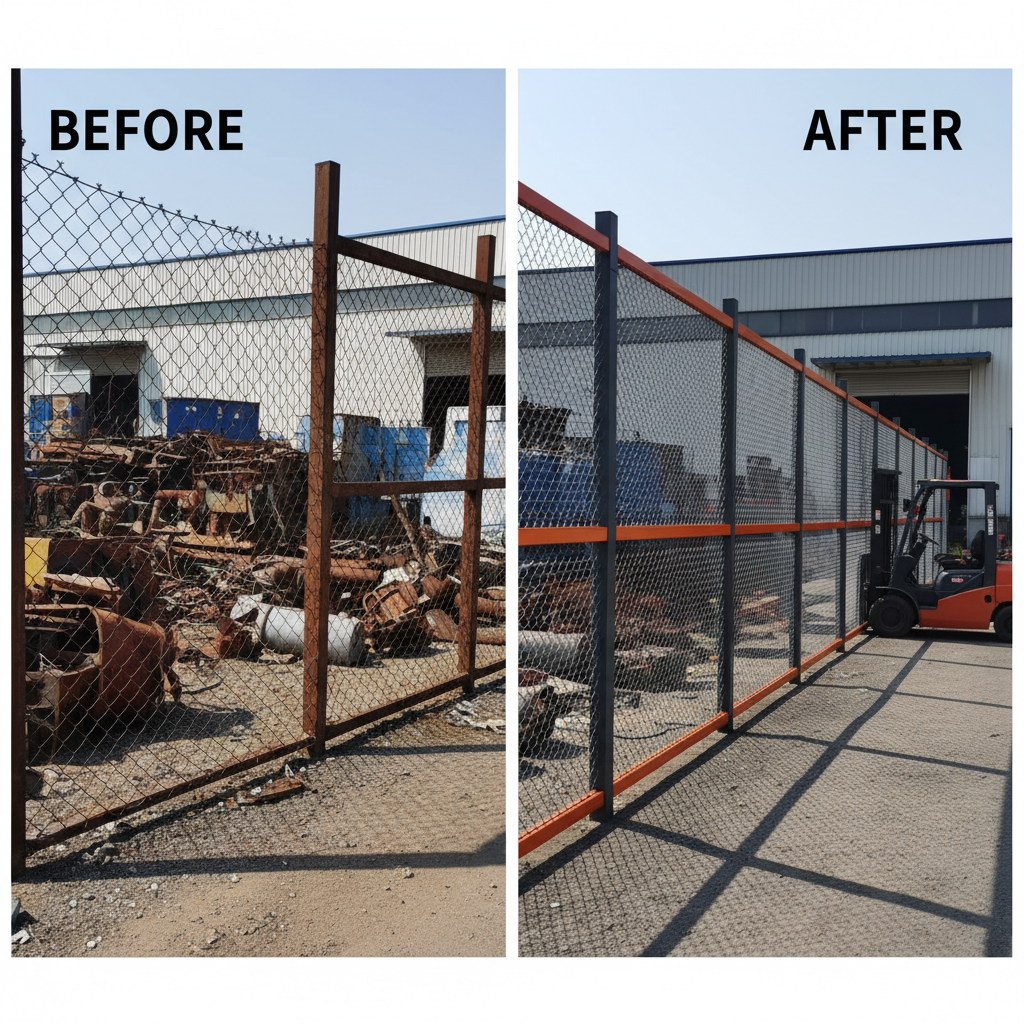
Finding the perfect balance between aesthetic appeal and lasting durability is a primary concern for modern homeowners and commercial developers alike. composite privacy fence panels have emerged as a premier solution, blending the natural look of traditional wood with the high-performance characteristics of engineered polymers. These systems provide an immediate upgrade to property security and seclusion while eliminating the tedious upkeep associated with organic materials.
In the global architectural landscape, the shift toward sustainable building materials is no longer a trend but a necessity. The integration of recycled plastics and wood fibers in composite privacy fence panels represents a significant leap in eco-friendly engineering, reducing the reliance on old-growth timber and hazardous chemical preservatives. This evolution ensures that privacy boundaries are not only visually pleasing but also environmentally responsible.
Beyond the surface, the technical superiority of these panels lies in their resistance to the elements. Unlike traditional fencing that warps, splinters, or rots under extreme weather conditions, composite structures maintain their structural integrity and color vibrancy for decades. Understanding the nuances of these materials allows property owners to make an informed investment that enhances both the value of their land and the quality of their private living spaces.
The Industrial Evolution of Composite Privacy Fence Panels
The transition from traditional timber and wrought iron to composite privacy fence panels reflects a broader industrial movement toward hybrid materials. Historically, privacy fencing required frequent staining, painting, and replacement due to biological decay and oxidation. The introduction of Wood-Plastic Composites (WPC) revolutionized this sector by combining the cellulose fibers of wood with the durability of high-density polyethylene (HDPE).
This evolution has been driven by the demand for "set-and-forget" infrastructure. As urban densities increase, the need for effective sound dampening and visual barriers has grown, leading engineers to refine the density and interlocking mechanisms of these panels. Today, they stand as a testament to how material science can solve the age-old conflict between natural beauty and industrial longevity.
Core Material Composition and Engineering
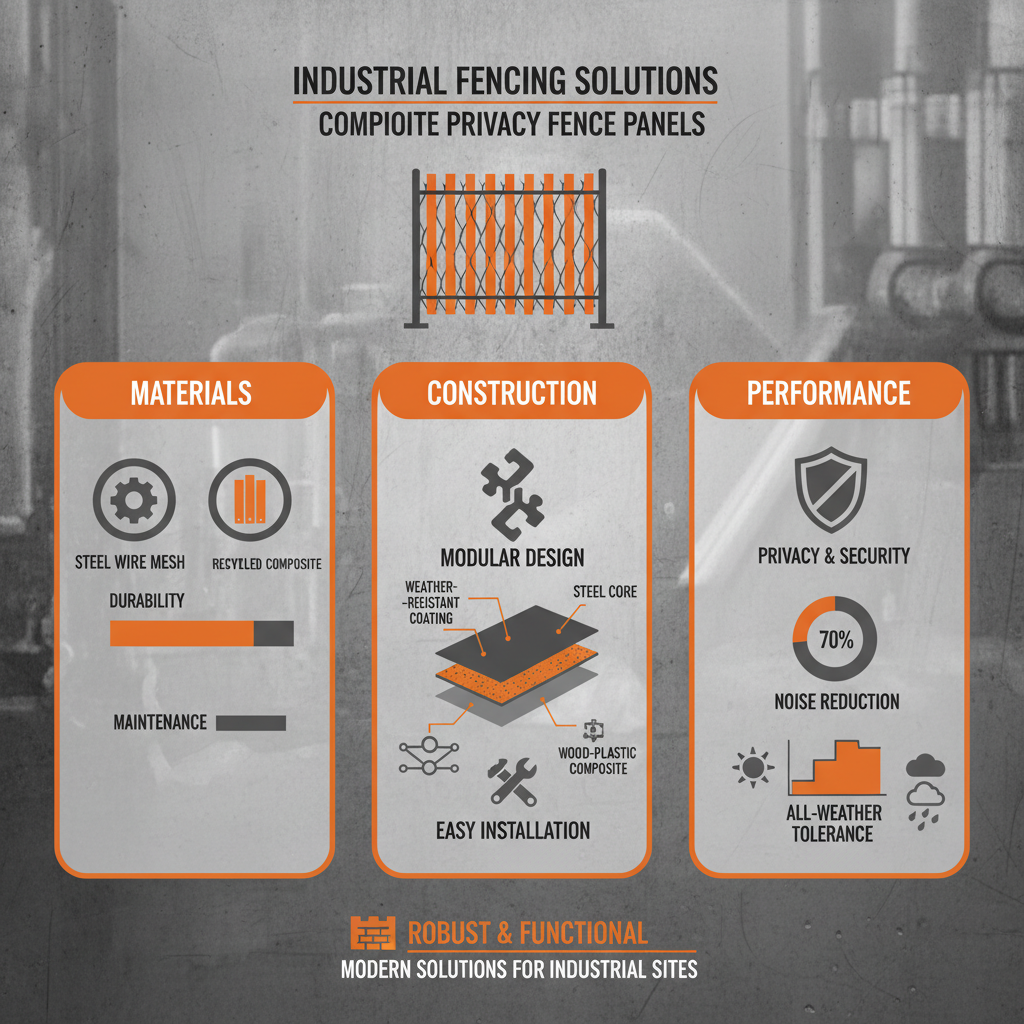
At the heart of high-quality composite privacy fence panels is a precise blend of recycled polymers and organically sourced fibers. This composite matrix is engineered through an extrusion process that ensures a uniform distribution of materials, eliminating the weak points typically found in natural wood knots or welded joints. The result is a non-porous surface that is naturally resistant to moisture, insects, and UV radiation.
The structural integrity is further enhanced by the addition of stabilizing agents and pigments that are integrated throughout the material rather than applied as a surface coating. This means that even if a panel is scratched or impacted, the color remains consistent throughout the board. This "through-body" coloring is a critical engineering advantage that prevents the peeling and fading common in traditional painted fences.
Furthermore, the internal geometry of these panels often incorporates hidden reinforcement ribs or cellular structures. These design elements maximize the strength-to-weight ratio, allowing the panels to withstand significant wind loads without bowing or warping. This level of precision engineering ensures that the privacy boundary remains straight and secure regardless of the regional climate.
Key Performance Factors for Privacy Solutions
When evaluating composite privacy fence panels, the first critical factor is weather resilience. Unlike wood, which expands and contracts violently with humidity changes, composite materials exhibit high dimensional stability, ensuring that the gaps between panels remain consistent and the structural alignment persists over decades of exposure.
Scalability and installation efficiency also play a vital role. Modern composite systems utilize interlocking tongue-and-groove designs that allow for rapid deployment. This reduces labor costs significantly compared to traditional custom-built fences, making high-end privacy solutions accessible for large-scale residential developments and commercial perimeters.
Finally, the acoustic dampening properties of these panels offer a tangible quality-of-life improvement. Due to the density of the polymer-fiber blend, composite privacy fence panels are more effective at absorbing ambient street noise than thin metal sheets or porous wood, creating a true sanctuary within the home's boundaries.
Comparative Analysis of Marketed Systems
To understand the value proposition of composite privacy fence panels, one must compare them across multiple performance metrics including maintenance requirements, lifespan, and initial investment. While the upfront cost may be higher than pressure-treated pine, the total cost of ownership is drastically lower due to the absence of recurring staining and repair costs.
The following data illustrates how different composite configurations perform in real-world stress tests, focusing on their ability to maintain structural and aesthetic standards over time.
Comparative Performance of Composite Privacy Fence Panel Variants
Global Applications in Urban and Rural Zones
In densely populated urban centers, composite privacy fence panels are increasingly utilized in rooftop gardens, courtyard dividers, and luxury apartment balconies. In these environments, the focus is on maximizing limited space while providing a sleek, modern aesthetic that complements contemporary architecture. Their resistance to urban pollutants and smog makes them an ideal choice for city dwellers who want low-maintenance greenery boundaries.
Conversely, in rural or coastal regions, the application shifts toward protection against harsh environmental stressors. In coastal areas, where salt spray corrodes metal and rots wood, composite materials remain impervious, providing a permanent shield for beachfront properties. In agricultural zones, these panels are used to create windbreaks and secure livestock perimeters without the risk of splintering that could injure animals.
Long-Term Economic and Environmental Value
The economic logic of investing in composite privacy fence panels is rooted in the concept of "Lifecycle Costing." When factoring in the cost of labor for yearly sanding, staining, and the eventual replacement of timber every 7-10 years, composite systems pay for themselves within the first decade. The stability of the material also adds tangible resale value to a property, as buyers perceive composite fencing as a permanent improvement rather than a temporary fixture.
From an environmental perspective, the impact is profoundly positive. By utilizing reclaimed sawdust and recycled plastic waste—materials that would otherwise occupy landfill space—the production of composite panels supports a circular economy. This reduces the demand for virgin plastic production and slows the rate of deforestation, aligning property development with global sustainability goals.
Beyond the numbers, there is an emotional value in the reliability these systems provide. The sense of security and dignity derived from a well-maintained, private sanctuary cannot be overstated. Homeowners experience less stress knowing their boundaries are secure against termites, decay, and weather, allowing them to focus on the enjoyment of their outdoor living spaces.
Future Trends in Sustainable Fencing Technology
The future of composite privacy fence panels is leaning toward "Smart Materials" and advanced bio-polymers. Researchers are currently developing composites that incorporate self-healing polymers, which can close micro-cracks caused by extreme thermal expansion. Additionally, the integration of photocatalytic coatings is being explored to help panels "clean" the surrounding air by breaking down nitrogen oxides through sunlight exposure.
Automation in manufacturing is also streamlining the customization process. 3D printing technology is beginning to allow for bespoke panel textures and organic shapes that were previously impossible with traditional extrusion. This means that future privacy fences will not only be durable but will be artistic installations tailored to the specific topography and architectural style of the property.
As global building codes move toward stricter carbon-neutral mandates, the industry is shifting toward 100% recycled content and biodegradable binding agents. This ensures that at the end of its long life, a composite panel can be fully recycled back into the production loop without leaving a toxic footprint.
Comparative Analysis of Composite Privacy Fence Material Specifications
| Material Type |
Lifespan (Years) |
Maintenance Level |
UV Resistance Score |
| Standard WPC |
15-20 |
Very Low |
7/10 |
| Capped Composite |
25-30 |
Near Zero |
10/10 |
| Recycled HDPE |
20-25 |
Low |
8/10 |
| Bamboo-Polymer |
18-22 |
Low |
7/10 |
| Mineral-Filled Composite |
30+ |
Zero |
9/10 |
| Hybrid Fiber Blend |
20-28 |
Low |
8/10 |
FAQS
Yes, primarily in terms of longevity and maintenance. While real wood offers a traditional feel, it is susceptible to rot, termites, and warping. Composite panels use a blend of polymers and fibers that make them virtually immune to these biological threats, eliminating the need for annual sanding and staining while providing a similar aesthetic.
High-quality composite panels are treated with UV inhibitors to minimize fading. Many modern options feature a "capped" outer shell (co-extrusion), which acts as a protective shield against the sun's rays, ensuring the color remains vibrant for decades. Some slight weathering may occur, but it is far less drastic than the silvering of untreated cedar or pine.
Cleaning is remarkably simple compared to wood. Most composite panels only require a periodic wash with soapy water and a soft brush or garden hose to remove dust and debris. Because the material is non-porous, stains generally don't penetrate the surface and can be wiped away without the need for harsh chemical strippers.
Absolutely. Because composite panels are modular, installers can use "stepping" techniques to follow the contour of the land. The flexibility of the mounting brackets allows for precise leveling of the posts, while the panels themselves can be adjusted to ensure a seamless, professional look regardless of the slope.
Yes, they are generally more sustainable than traditional wood. Most are manufactured using recycled plastics (like HDPE) and reclaimed wood flour. By diverting waste from landfills and reducing the demand for virgin timber, they provide an environmentally conscious alternative that supports the circular economy of construction materials.
Depending on the length of the perimeter, composite panels can often be installed faster than traditional wood fences. The prefabricated nature of the panels and the interlocking systems reduce the amount of on-site measuring and cutting required, allowing professional crews to complete larger projects in a shorter timeframe.
Conclusion
In summary, composite privacy fence panels represent a sophisticated intersection of material science, environmental stewardship, and architectural design. By solving the inherent weaknesses of traditional wood—namely decay, maintenance, and instability—these panels provide a permanent, high-performance solution for those seeking genuine seclusion and security. From the urban balcony to the coastal estate, their versatility and durability ensure they remain a top choice for modern infrastructure.
Looking forward, as the industry embraces smart materials and carbon-neutral manufacturing, the value of composite fencing will only increase. For property owners, the transition to these advanced systems is an investment in both quality of life and property value. We encourage you to prioritize materials that balance aesthetics with sustainability to create a lasting legacy for your outdoor space. Visit our website: www.hbhou.com