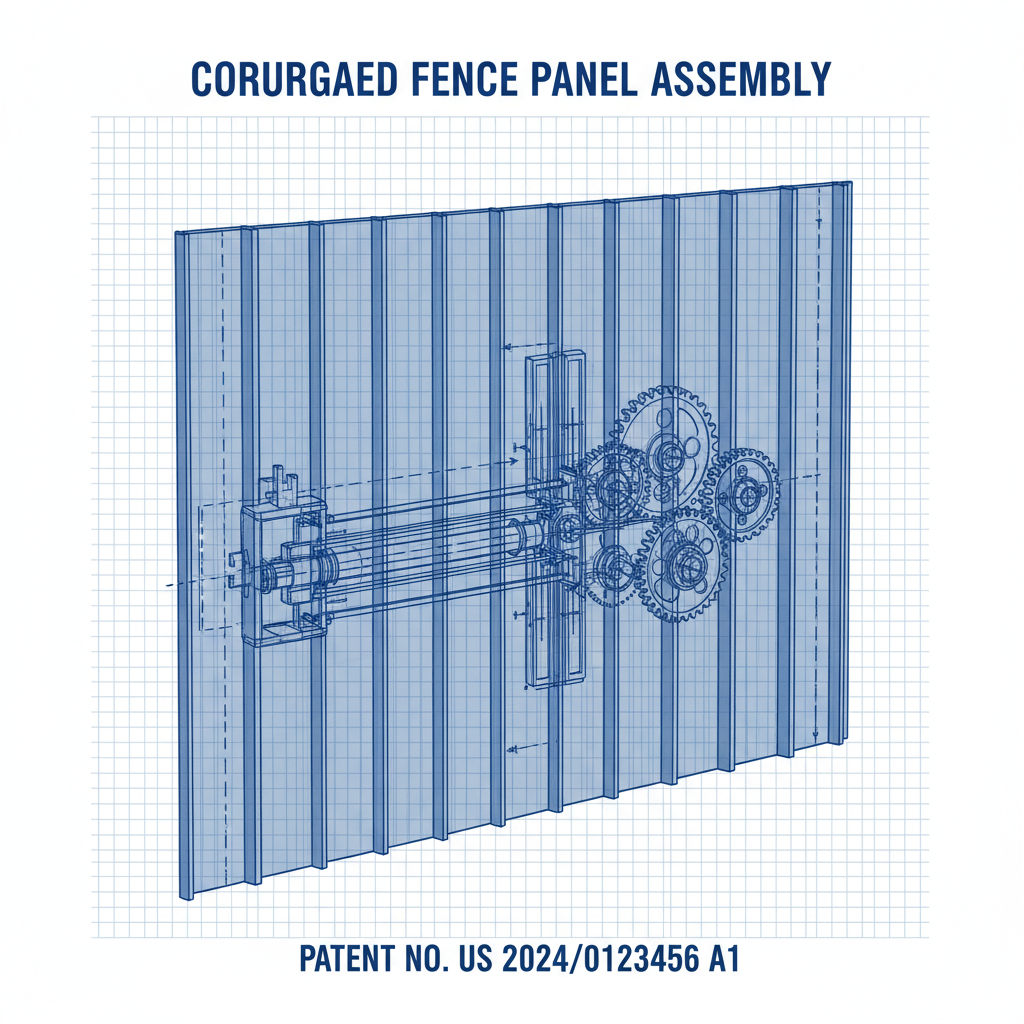
Composite gates and fencing represent a significant advancement in security, aesthetics, and durability for a wide range of applications. These systems, built from a blend of materials – typically steel, aluminum, and advanced polymers – offer a compelling alternative to traditional wood, wrought iron, or chain-link fencing. Their increasing popularity stems from a growing need for low-maintenance, high-security solutions that can withstand harsh environmental conditions while enhancing property value.
The global demand for robust and reliable fencing solutions is fueled by factors like increasing urbanization, rising security concerns, and a growing emphasis on property protection. Emerging economies, in particular, are witnessing a surge in construction activity, driving the demand for fencing materials. Furthermore, the rising prevalence of gated communities and the heightened need for perimeter security in industrial and commercial sectors contribute to the escalating market growth for composite gates and fencing. The UN estimates a continued global population increase, amplifying these needs.
At their core, composite gates and fencing are designed to provide a balance of strength, aesthetics, and cost-effectiveness. They bridge the gap between the traditional limitations of materials like wood – which is susceptible to rot and requires regular maintenance – and the often-high cost of wrought iron. By leveraging the unique properties of different materials, composite systems deliver superior performance and longevity.
Introduction to composite gates and fencing
composite gates and fencing are quickly becoming the preferred choice for a wide array of applications, from residential properties to high-security industrial sites. This surge in popularity isn't accidental; it's a direct response to the limitations of traditional fencing materials and a growing demand for solutions that are both aesthetically pleasing and incredibly durable. Choosing the right fencing is a significant investment, impacting security, property value, and overall peace of mind.
These systems are engineered to provide superior performance in challenging environments, resisting corrosion, weathering, and even attempted intrusion. The inherent strength and flexibility of composite materials also contribute to their longevity, reducing the need for frequent repairs or replacements. This makes them a financially sound investment in the long run, offering a compelling return on investment through reduced lifecycle costs.
Defining composite gates and fencing
At its simplest, composite gates and fencing refers to fencing systems constructed using a combination of different materials, most commonly steel or aluminum framing coupled with polymer-based panels or cladding. Unlike traditional wrought iron fences made entirely of metal or wood fences which rely solely on timber, composite systems leverage the strengths of each material to create a superior product. This allows for greater design flexibility, enhanced durability, and improved cost-effectiveness.
The connection to modern industry lies in the advancements in materials science and manufacturing techniques. The ability to precisely engineer materials with specific properties – such as high tensile strength, corrosion resistance, and weatherability – allows for the creation of fencing systems that can withstand extreme conditions and provide long-lasting performance. This is particularly crucial in industries like agriculture, infrastructure, and security.
Understanding composite gates and fencing is vital as we increasingly seek sustainable and resilient solutions. It represents a shift away from purely traditional materials towards more innovative approaches, optimizing both functionality and environmental impact. These systems are designed to meet stringent industry standards and provide a secure perimeter while minimizing environmental impact.
Key Characteristics of composite gates and fencing
Durability: Composite fencing exhibits exceptional resistance to corrosion, rot, and weathering, far surpassing traditional wood or even many metal fencing options. This longevity translates into reduced maintenance costs and a longer lifespan, making it a smart long-term investment. The polymers used often have UV inhibitors built in, protecting against sun damage.
Security: The robust construction of composite fences, often incorporating reinforced steel or aluminum frames, provides a significant deterrent against intrusion. The materials are difficult to cut or climb, making them ideal for securing properties and protecting assets. They can also be designed with specific security features such as anti-climb additions or integrated surveillance systems.
Aesthetics: Unlike some traditional fencing options, composite materials can be manufactured in a wide range of colors, textures, and styles, allowing for a customized look that complements any architectural design. They can mimic the appearance of wood or wrought iron while offering superior performance characteristics.
Global Applications of composite gates and fencing
composite gates and fencing are employed in an increasingly diverse range of applications across the globe. In post-disaster relief operations, their rapid deployment capabilities and durability make them ideal for creating secure temporary settlements. In remote industrial zones, such as mining facilities or oil and gas installations, they provide robust perimeter security in harsh environmental conditions.
Agricultural applications benefit from the resistance to corrosion from fertilizers and animal waste. Deer and livestock fencing utilizing composite materials provide a long-lasting, effective barrier. Furthermore, they are increasingly popular in commercial properties, residential estates, and public spaces where aesthetics and security are paramount. For example, numerous gated communities in the United States and Europe are adopting composite fencing for enhanced security and curb appeal.
The demand is also growing in regions with extreme weather patterns, such as coastal areas prone to hurricanes or areas with heavy snowfall. Their ability to withstand these conditions without significant damage or maintenance makes them a valuable asset. The versatility and adaptability of composite systems allow them to be tailored to specific regional needs and environmental challenges.
Performance Comparison of composite gates and fencing Types
Advantages and Long-Term Value
The tangible benefits of composite gates and fencing extend beyond initial cost savings. Reduced maintenance requirements, stemming from their resistance to corrosion and decay, translate into significant long-term cost reductions. The enhanced security they provide offers peace of mind and safeguards valuable assets. The environmental benefits, such as reduced wood consumption and lower carbon footprint (depending on the polymer used), also contribute to their overall value.
From an emotional perspective, composite fencing adds curb appeal and enhances the aesthetic value of a property. Knowing that your property is well-protected instills a sense of safety and security, contributing to overall well-being. From a logical standpoint, the durability and longevity of these systems represent a sound financial investment, minimizing the need for costly repairs or replacements.
Future Trends in composite gates and fencing
The future of composite gates and fencing is likely to be shaped by several key trends, including the development of even more sustainable materials. Research is ongoing to create polymers derived from renewable resources, further reducing the environmental impact of these systems. Digital integration, such as incorporating smart sensors and remote monitoring capabilities, will enhance security and provide real-time insights into fence integrity.
Automation in the manufacturing process will lead to increased efficiency and reduced production costs, making composite fencing even more accessible. Furthermore, the integration of energy-efficient features, such as solar-powered gate operators, will further enhance their sustainability. The development of self-healing polymers – materials that can automatically repair minor damage – is also a promising area of research.
Challenges and Innovative Solutions
Despite their many advantages, composite gates and fencing do face certain challenges. The initial cost can sometimes be higher than traditional wood fencing, although this is often offset by lower lifecycle costs. Concerns about the environmental impact of certain polymers require careful material selection and responsible manufacturing practices.
Innovative solutions are addressing these challenges, such as the development of recycled polymer composites and the implementation of closed-loop manufacturing processes. Furthermore, advancements in design and engineering are reducing material usage and optimizing structural performance. Collaboration between material scientists, engineers, and manufacturers is crucial to overcoming these challenges and unlocking the full potential of composite fencing.
One of the key solutions involves educating consumers and contractors about the long-term benefits and cost-effectiveness of composite systems, highlighting their superior durability and reduced maintenance requirements. By emphasizing the total cost of ownership, the perceived price barrier can be effectively addressed.
Summary of Key Challenges and Solutions for composite gates and fencing
| Challenge |
Impact on composite gates and fencing Adoption |
Proposed Solution |
Implementation Stage |
| Initial Cost |
Can be a barrier to entry for some consumers. |
Lifecycle cost analysis and highlighting long-term savings. |
Ongoing |
| Polymer Environmental Impact |
Concerns regarding sustainability and waste disposal. |
Utilizing recycled polymers and developing biodegradable composites. |
Research & Development |
| UV Degradation |
Long-term exposure to sunlight can cause fading and brittleness. |
Incorporating UV stabilizers and protective coatings. |
Widely Implemented |
| Installation Complexity |
May require specialized tools and expertise. |
Developing modular systems and providing comprehensive installation guides. |
Implementation |
| Material Standardization |
Lack of consistent quality standards across manufacturers. |
Establishing industry certifications and quality control protocols. |
Advocacy |
| Public Perception |
Lack of awareness regarding the benefits of composite materials. |
Marketing campaigns and educational initiatives. |
Ongoing |
FAQS
Composite fencing offers superior durability, requiring less maintenance than wood. It resists rot, decay, insect damage, and weathering, leading to a longer lifespan and reduced long-term costs. Unlike wood, it doesn’t need regular painting or staining, saving you time and money. It also provides a more consistent appearance and is less prone to warping or cracking, making it a more reliable and aesthetically pleasing option. Furthermore, composite materials can often be manufactured with enhanced security features.
The environmental impact of composite fencing depends on the materials used. Many manufacturers now utilize recycled plastics and other sustainable materials in their production process, reducing the demand for virgin resources. Compared to wood fencing, composite fencing reduces deforestation and the associated environmental consequences. However, it's essential to choose products from reputable manufacturers who prioritize sustainable practices and responsible waste management.
Composite fencing excels in extreme weather conditions. It's highly resistant to moisture, preventing rot and decay, and won't warp or crack due to temperature fluctuations. It can withstand high winds, heavy snow, and prolonged exposure to sunlight without significant degradation. This makes it an ideal choice for regions with harsh climates where traditional fencing materials often fail.
The lifespan of a composite fence can range from 25 to 50 years or even longer, depending on the quality of the materials and the environmental conditions. This significantly exceeds the lifespan of a typical wood fence, which often requires replacement within 10-15 years. The durability and resistance to degradation of composite materials ensure a long-lasting and reliable fencing solution, minimizing the need for costly repairs or replacements.
While some DIY experience is helpful, composite fencing installation is generally straightforward, especially with modular systems. Most manufacturers provide detailed installation guides and pre-cut components, simplifying the process. However, proper post placement and alignment are crucial for a stable and long-lasting fence. For more complex installations, it's recommended to hire a professional contractor with experience in composite fencing.
The initial cost of composite fencing can be higher than wood fencing, but often comparable to or lower than wrought iron or vinyl. However, when considering the long-term costs, composite fencing often proves to be the most cost-effective option due to its reduced maintenance requirements and extended lifespan. The elimination of painting, staining, and frequent repairs can result in significant savings over time.
Conclusion
In conclusion, composite gates and fencing represent a significant advancement in fencing technology, offering a compelling combination of durability, aesthetics, security, and sustainability. Their adaptability to diverse applications, from residential properties to industrial sites, combined with their long-term cost-effectiveness, makes them an increasingly attractive choice for discerning customers. The benefits are clear: reduced maintenance, increased security, enhanced property value, and a minimized environmental impact.
Looking ahead, continued innovation in materials science and manufacturing processes will further enhance the performance and affordability of composite systems. By embracing sustainable practices and prioritizing long-term value, we can unlock the full potential of composite gates and fencing, creating a more secure and aesthetically pleasing world. Visit our website at www.hbhou.com to explore our comprehensive range of composite fencing solutions and discover how we can help you protect and enhance your property.