Understanding Chain Link Fence Cost: A Practical Perspective
Having spent well over a decade in the industrial equipment sector, I’ve had my fair share of chats about fencing. One question that constantly pops up is the chain link fence cost. It’s one of those topics that sounds straightforward, but like many things, the truth is a bit more layered once you start digging.
At first glance, chain link fences seem pretty generic, right? Just steel mesh and posts. But — and maybe oddly enough — there’s a lot more going on behind the scenes that impacts price. From materials and coating types, to height, gauge, and installation complexities, the cost can swing quite a bit.
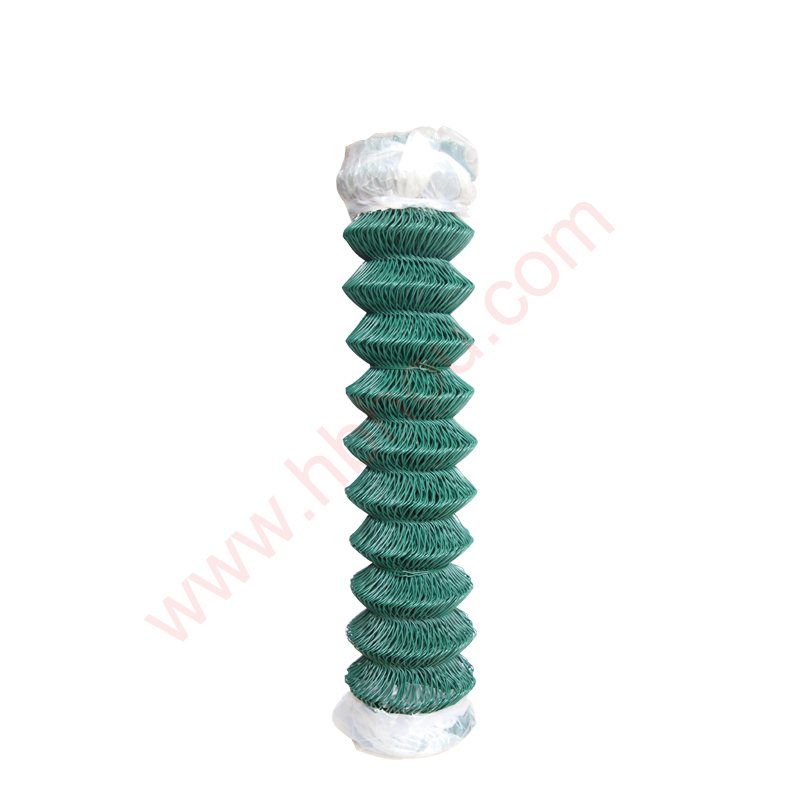
Let me walk you through some of the main factors. For many customers—whether it’s for industrial sites, residential properties, or even sports facilities—the choice of material is the starting point. Most commercially available chain link fences use galvanized steel, which prevents rust. But you can also find vinyl-coated (PVC) options. The latter usually adds to the expense, though it’s visually cleaner and lasts longer, especially in harsh weather.
Thickness matters too. In real terms, a 9-gauge wire (heavier, thicker) will boost durability but costs more than the lighter 11 or 12-gauge options. Often, engineers I’ve worked with recommend heavier gauge for industrial areas exposed to heavy wind or contact. If you’re thinking about longevity, skipping on wire gauge tends to be penny-wise but pound-foolish.
Height also drives cost. A 4-foot fence is pretty standard for residential use, but when you jump to 6 or 8 feet, prices rise notably. And if you want to go higher for added security or privacy, be prepared for the price hike — and sometimes special building permits.
Installation is another story. Chain link fencing seems simple enough, but proper tensioning, corner bracing, and gate setup can quickly increase labor time. Frankly, I’ve seen “cheap” quotes that balloon after subcontractors start showing up and site conditions reveal themselves.
Here’s a quick overview of typical specs for commercial-grade chain link fencing to put things in perspective:
| Specification | Details |
|---|---|
| Wire Gauge | 9 - 11 gauge steel wire |
| Fence Height | 4 to 12 feet |
| Coating | Galvanized or Vinyl-coated |
| Mesh Size | 2-inch diamond pattern (standard) |
| Post Spacing | 8 to 10 feet apart |
When I consult clients or fellow engineers, we often compare vendors not just on price but on reliability, customization options, and support. That’s because chain link fencing isn’t a one-size-fits-all product. Some vendors offer stronger steel grades, while others provide better warranties or eco-friendly coatings.
Here’s a quick vendor comparison that I’ve compiled (just a typical snapshot, by the way):
| Feature | Vendor A | Vendor B | Vendor C |
|---|---|---|---|
| Wire Gauge Options | 9, 11 gauge | 10, 12 gauge | 9, 10, 11 gauge |
| Coating Types | Galvanized & Vinyl | Galvanized Only | Vinyl-Coated Only |
| Warranty | 10 years | 5 years | 15 years |
| Custom Sizes | Yes | Limited | Yes |
| Delivery Time | 2-3 weeks | 1-2 weeks | 3-4 weeks |
One anecdote I recall quite clearly: A local warehouse client opted for a cheaper galvanized-only fence, which seemed fine at first. Within four years, the fence started showing signs of rust, especially near joints and gates. They had to replace half the fence sooner than expected—something that could’ve been avoided with a slightly higher initial spend on vinyl coating. It’s a familiar story to many operators, showing how initial costs can be deceptive if you don’t factor lifecycle and maintenance.
All things considered, the chain link fence remains one of the most cost-effective, durable, and flexible options out there. Prices might vary, but the true value emerges over time — you know, good fencing is about protecting your assets without surprise maintenance bills.
If you want a dependable supplier and clear pricing, I suggest checking out chain link fence cost directly from experienced manufacturers to get a tailored quote. There’s no one-size-fits-all here, but the right info helps make smarter choices.
At the end of the day, it feels like proper planning and honesty from your vendor are just as important as the steel itself.
— Alex, Industrial Equipment Field Veteran
References:
- Industrial Fencing Materials Handbook, 2019 Edition
- Fencing Today: Comparing Coating Lifespans, Journal of Construction Tech, 2021
- Vendor Warranty Data, H&B Industrial Supplies Internal Report, 2023