Understanding the Border Fence: Materials, Design & Practical Use
Having spent over a decade in the industrial equipment sector, I've come across a fair share of fencing solutions, and border fence systems stand out for their strategic importance and engineering nuances. Oddly enough, despite their utilitarian nature, these fences represent an intersection of material science, design pragmatism, and geopolitical necessity. So, let’s unpack what makes a quality border fence — well, quality — and how it actually performs out in the field.
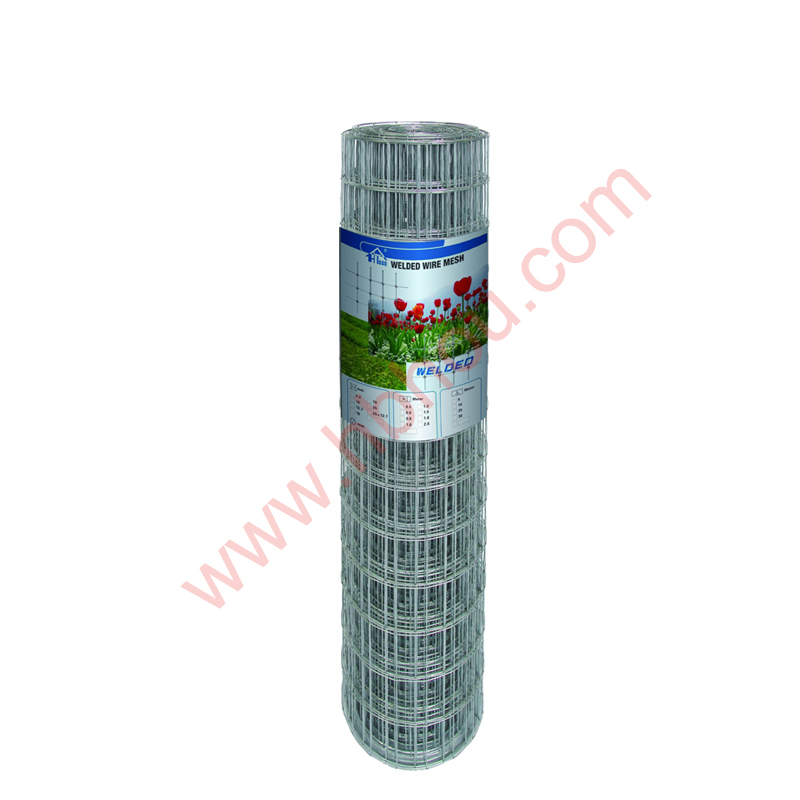
First off, it’s no secret that border fences need to be robust beyond standard industrial fences because they’re designed for long-term security and resistance to attempts at breach or environmental wear. I remember a project where the fence had to withstand harsh weather and localized attempts at cutting or climbing. The materials chosen here were galvanized steel and high-tensile wire mesh, known for exceptional corrosion resistance and tensile strength.
Manufacturers typically work with galvanized steel components. You can think of it as steel coated with a protective zinc layer — kind of like nature’s armor for metal. This reduces rust, thereby extending the fence’s lifespan. Many engineers I’ve spoken with also favor powder-coated finishes to add an extra layer of UV and abrasion resistance, which frankly, is a game changer in places with sun or wind exposure.
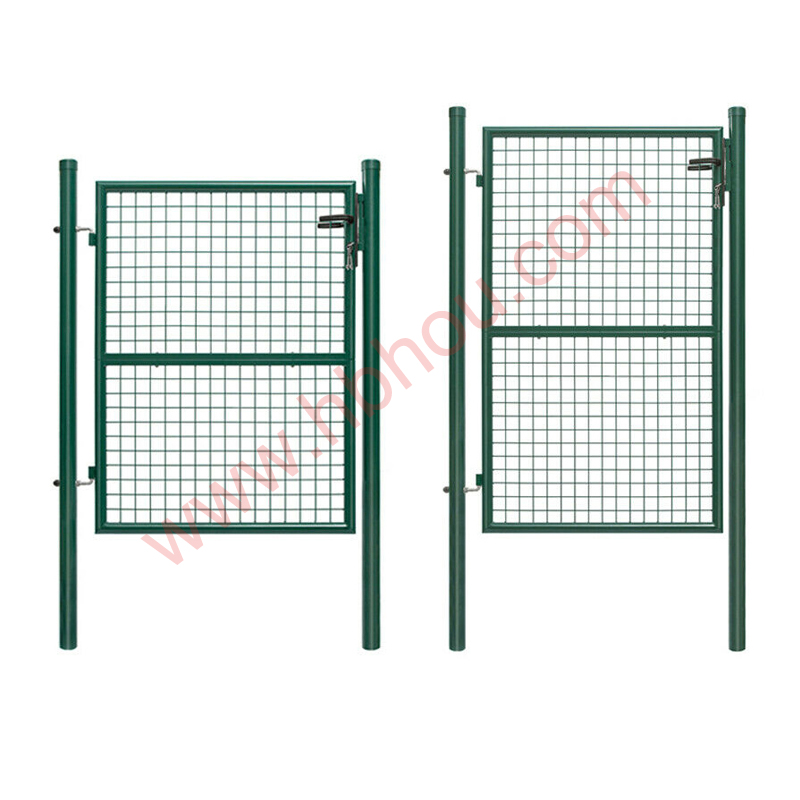
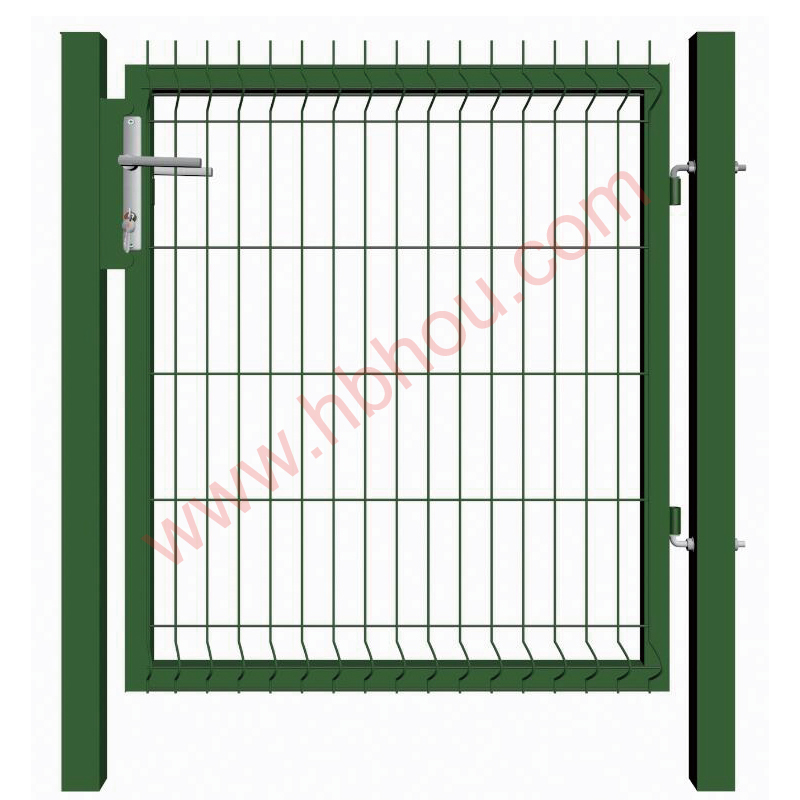
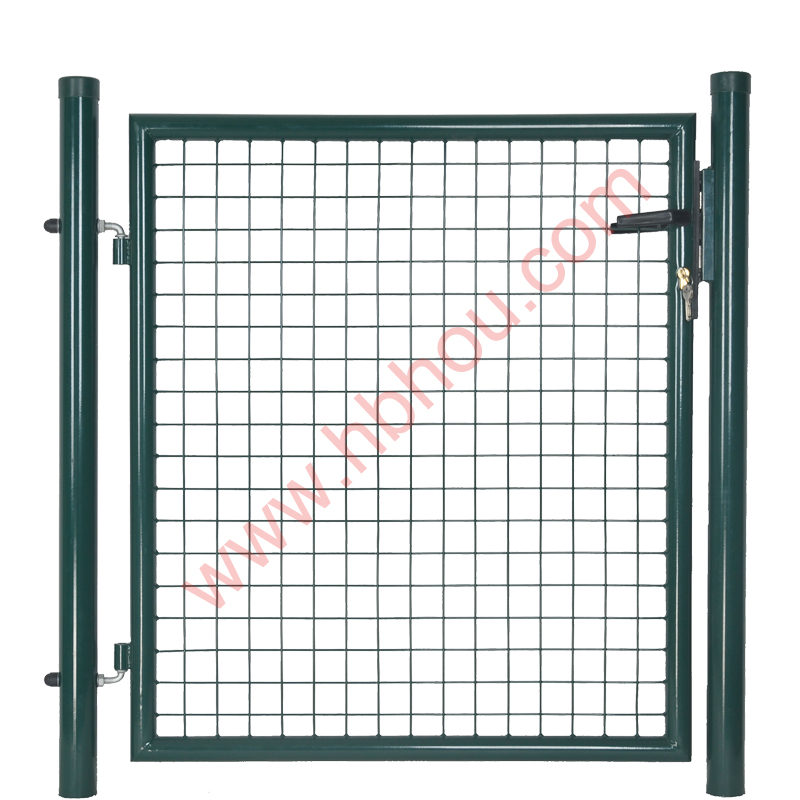
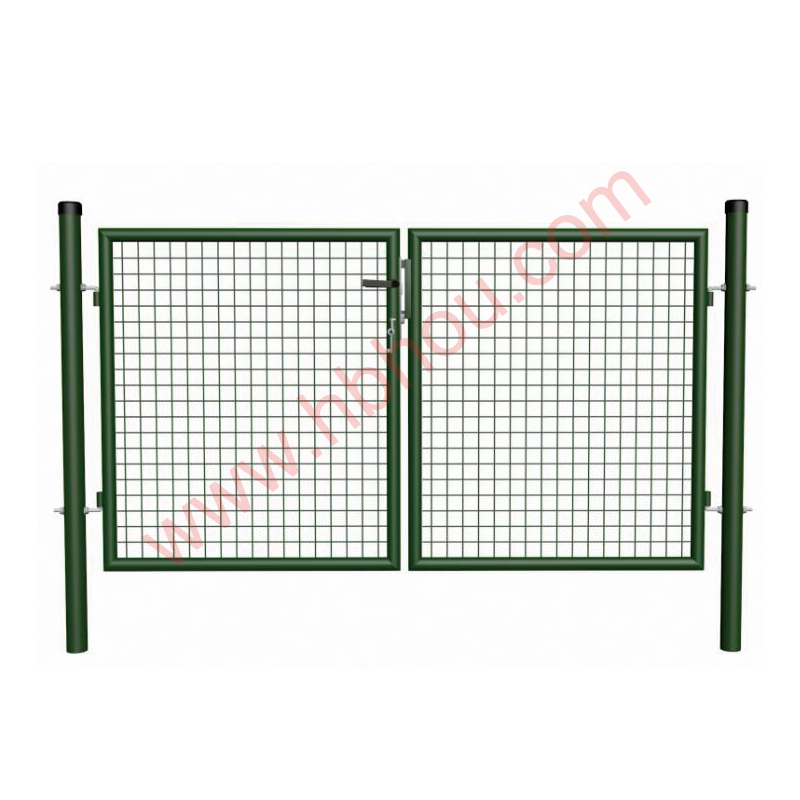
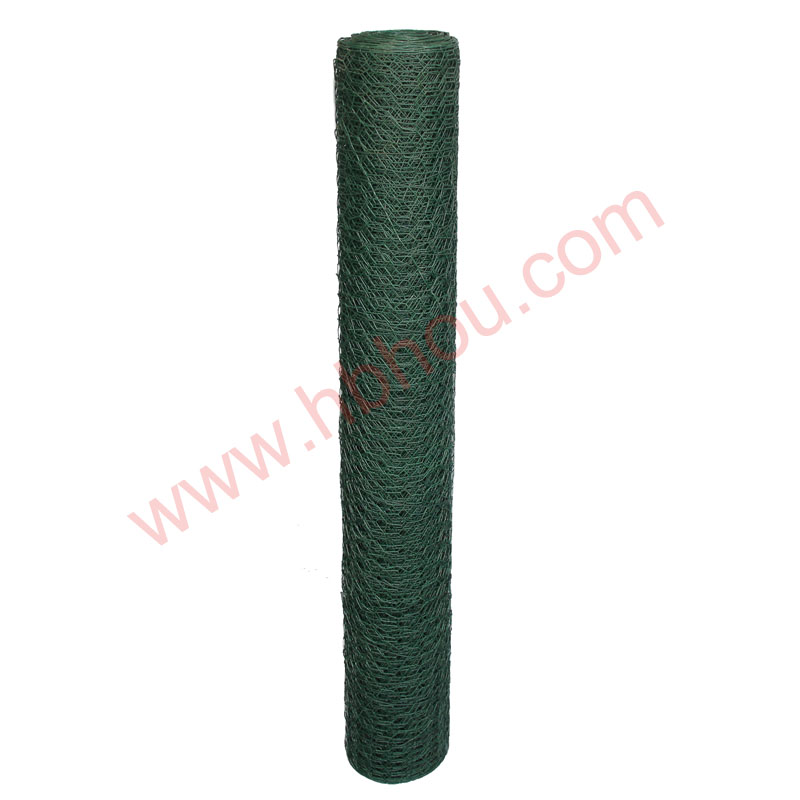
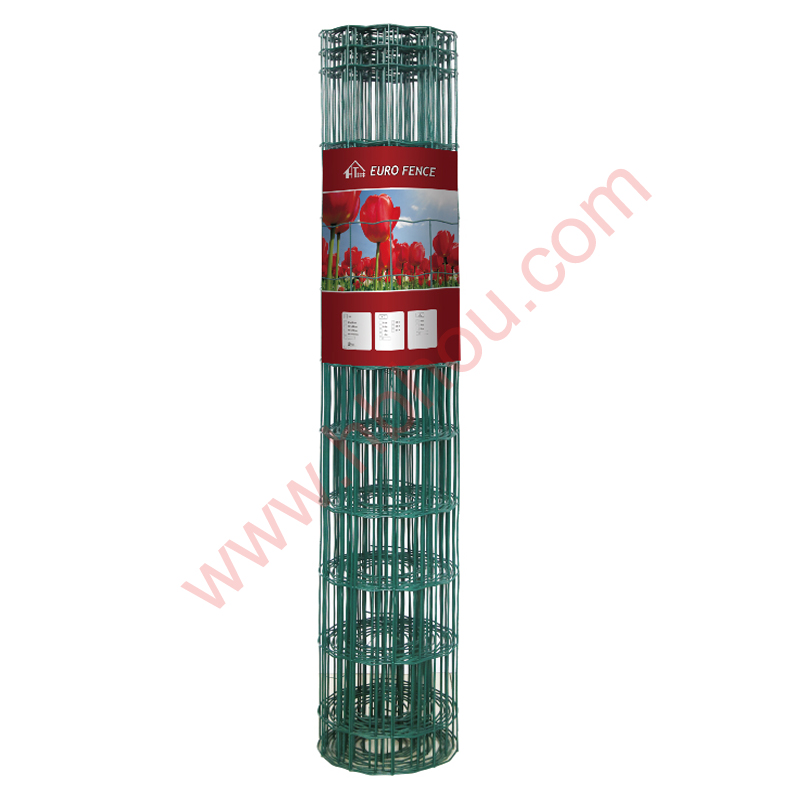
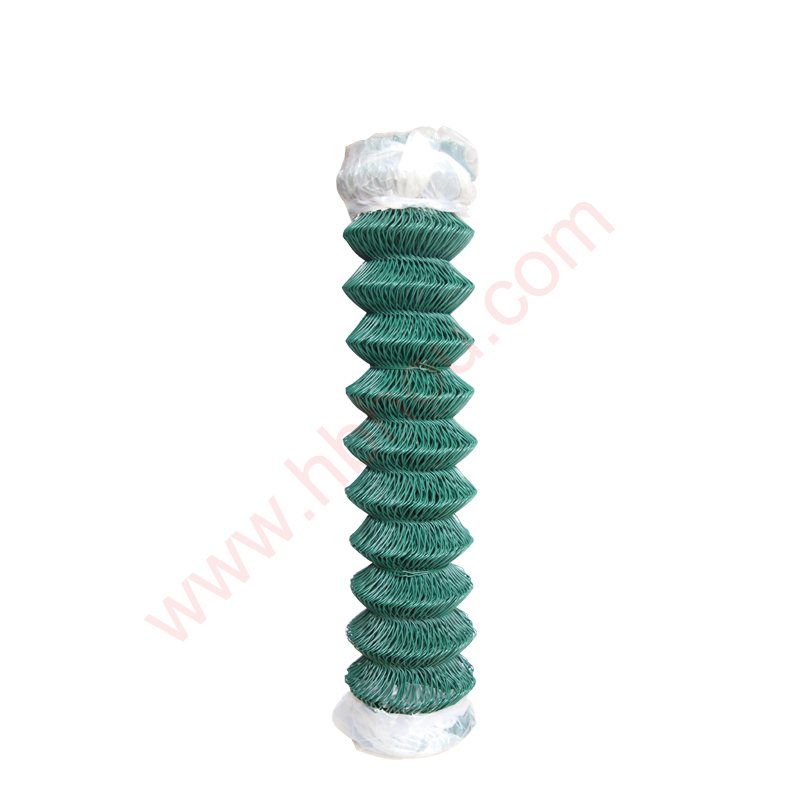
Design-wise, border fences can vary. Some are simple wire mesh stretched over posts, while others incorporate razor wire or even sensors and surveillance attachments. The spec changes depending on the intended use — from agricultural boundary markers to high-security installations near sensitive zones. It feels like combining strong materials with smart design principles is the key to success here.
Border Fence Product Specifications
| Specification | Detail |
|---|---|
| Material | Galvanized steel with powder coating |
| Fence Height | 2.5 to 4 meters (customizable) |
| Wire Mesh Gauge | 12 to 14 gauge high-tensile wire |
| Post Spacing | 2 to 3 meters |
| Additional Security | Razor wire, tensioned barriers optional |
| Typical Lifespan | 15+ years with maintenance |
Customization is standard practice. Honestly, it’s almost impossible to find a one-size-fits-all solution in border fencing because each site has unique challenges — soil type, climate, local wildlife, legal restrictions. Early on in my career, I saw a customer request a special rust-proof mix for their coastal installation. It was a bit more costly upfront but saved loads on repairs and downtime.
Speaking of vendors, I've evaluated a handful over the years and was intrigued to compare their offerings objectively. Here’s a quick snapshot:
Vendor Comparison for Border Fences
| Vendor | Material Quality | Customization Options | Lead Time | Price Range |
|---|---|---|---|---|
| HBHOU | High-grade galvanized steel | Extensive (height, coatings, wire types) | 3-4 weeks | $$-$$$ |
| SteelCraft Inc. | Standard galvanized steel | Moderate | 4-6 weeks | $-$$ |
| FortiFence Solutions | High tensile mesh focus | Limited | 2-3 weeks | $$$ |
Among these, HBHOU has stood out to me several times for their balance of quality and flexibility. Plus, their lead times are pretty reasonable, which can be critical when dealing with time-sensitive border projects. I recall a case where rapid deployment was key due to evolving land management requirements. They delivered within three weeks, and that quick turnaround made a tangible difference.
In terms of testing, important factors include tensile strength tests, corrosion resistance, and durability under impact or cutting attempts. It’s rare to find a fence that excels at all three out of the box, so seeking vendors who guarantee certification for these tests is prudent. Security isn’t just about a physical barrier; it’s about trust in the product’s performance over time.
Bottom line? Border fences might not be the flashiest industrial equipment, but they’re fundamental, and frankly, fascinating when you consider all the layers—engineering, customization, vendor trust—that go into making them effective. If you ever find yourself specifying a border fence, think beyond the basics. Materials, coating, installation environment—all matter.
Anyway, for those who want to explore more or get quotes, check out HBHOU’s border fence offerings. From experience, they provide a solid mix of durability and customization options that can suit most needs.
It’s been a quiet yet steady part of my career, seeing these fences withstand the test of time and challenges. Often unnoticed, but always critical.
References:
1. Industry Standards for Security Fencing – ASTM F2781
2. Corrosion and Protective Coatings – NACE International publications
3. Field Case Studies on Border Security Equipment, Journal of Industrial Safety