Why a 2ft Garden Fence Matters More Than You Think
Think about the humble 2ft garden fence. It’s a simple-looking boundary—usually wooden or metal—set low enough to mark a garden’s border without blocking the view. But beneath that quiet presence lies a surprisingly global relevance. From urban gardening in dense cities to defining safe play areas in schools, these little fences serve not only aesthetic purposes but solve practical challenges worldwide.
Understanding the impact of the 2ft garden fence is a gateway to appreciating how small-scale infrastructure supports sustainability, security, and community well-being on a global stage. Plus, knowing its core features can help gardeners, municipal planners, or humanitarian organizations make better choices—cost-wise and environmentally.
Behind the Fence: The Global Context of Garden Fencing
Globally, urban green spaces have surged in importance. According to the United Nations, urban populations are expected to reach 68% by 2050, meaning more community and private gardens are key to improving urban environments. A low-profile 2ft garden fence helps to delineate these spaces without contributing to overbuilt urban clutter.
However, city planners and gardeners face a problem: how to balance protection for plants, pets, and play areas, while maintaining openness and light flow? Tall fences block views and sometimes violate local regulations. The 2ft garden fence nails the sweet spot.
Interestingly, this small product echoes wider trends in resource-efficient urban design. Lightweight, re-usable fences help cities meet sustainability goals — often aligned with ISO standards for environmental management.
Mini takeaway: Low fencing meets a surprisingly complex urban demand: protection plus openness fused with sustainability.
What Exactly Is a 2ft Garden Fence?
Simply put, a 2ft garden fence is a fence about two feet high (roughly 60 cm). It typically surrounds flower beds, vegetable patches, or small yards, serving as a visual barrier and mild physical boundary.
The term isn’t just jargon for homeowners. In humanitarian relief scenarios, modular 2ft fences can create safe child play zones or demarcate garden plots in temporary settlements, marrying simple design with societal needs.
Core Features of a Reliable 2ft Garden Fence
1. Durability That Lasts
Whether you opt for pressure-treated wood or galvanized metal, the fence must withstand weather, pets, and daily wear. An often overlooked yet crucial factor is UV protection on paint or coatings to prevent fading and chipping.
2. Cost Efficiency Without Compromise
The charm of a 2ft garden fence partly lies in its affordability. Many manufacturers produce modular panels that are easy to ship and install, keeping costs reasonable while maintaining quality—whether for suburban gardens or large community projects.
3. Ease of Installation and Scalability
Pop-it-up-and-go fences are all the rage. Many 2ft fence units connect seamlessly, allowing users to expand boundaries as needs evolve. Scalability is particularly useful for schools, parks, or urban farms that grow over time.
4. Eco-Friendly Materials and Recycling
Manufacturers increasingly use sustainably harvested wood or recycled metals. Some introduce biodegradable composites to minimize landfill impact after the fence’s lifespan.
5. Aesthetic Flexibility
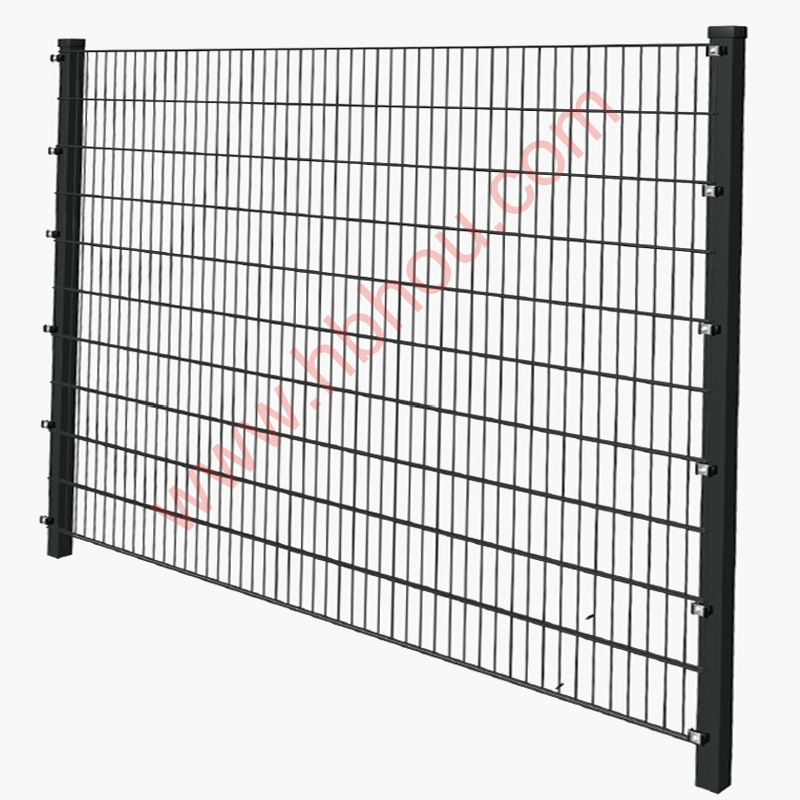
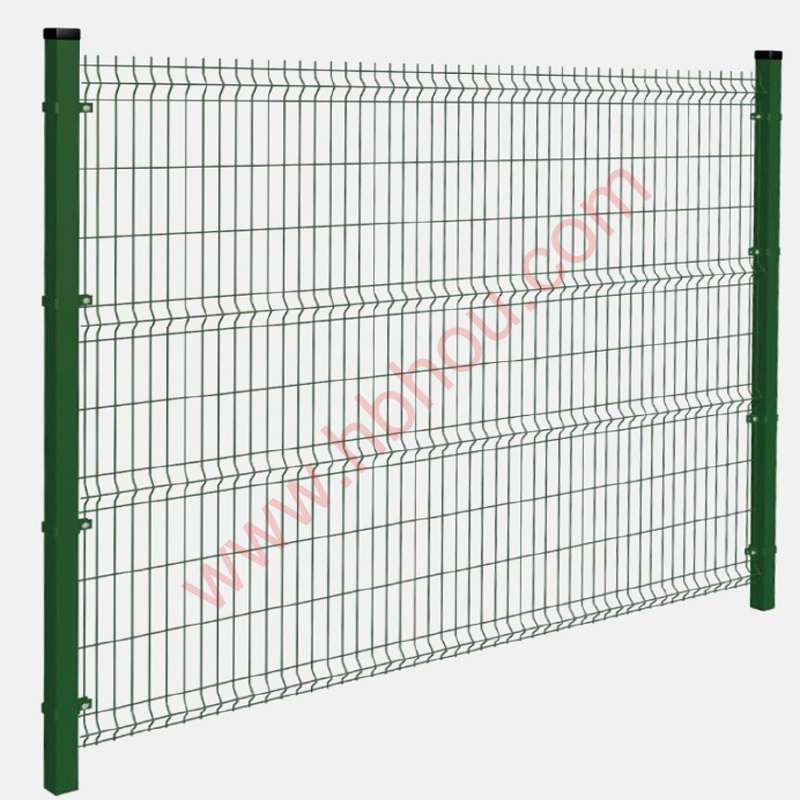
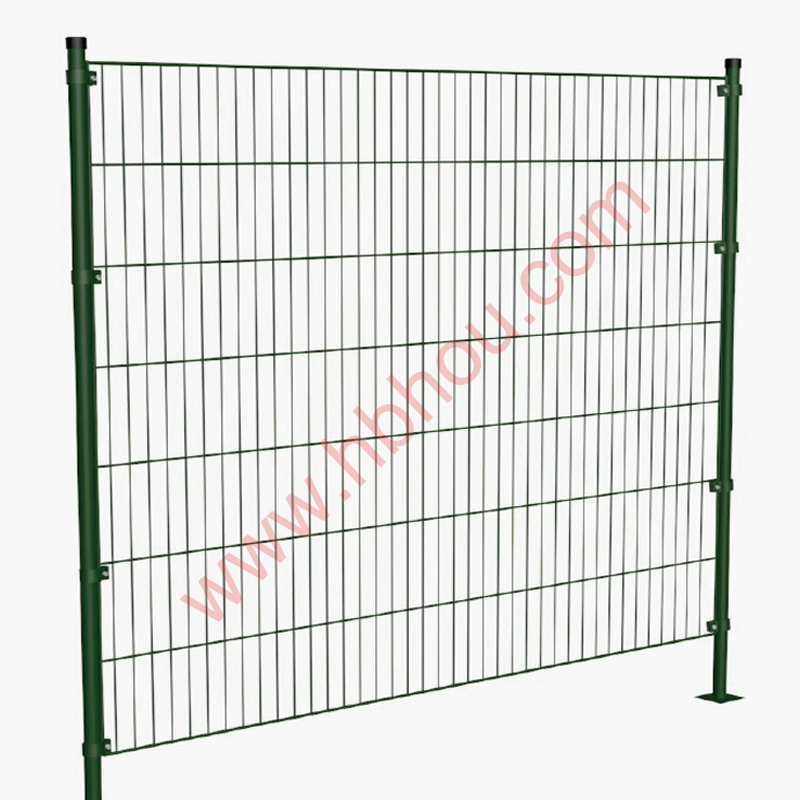
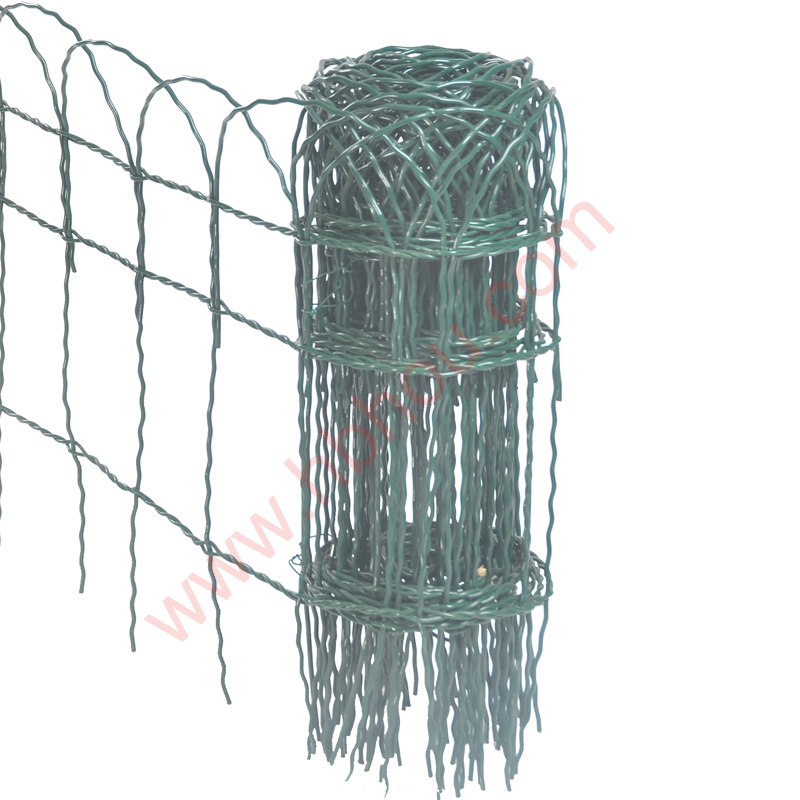
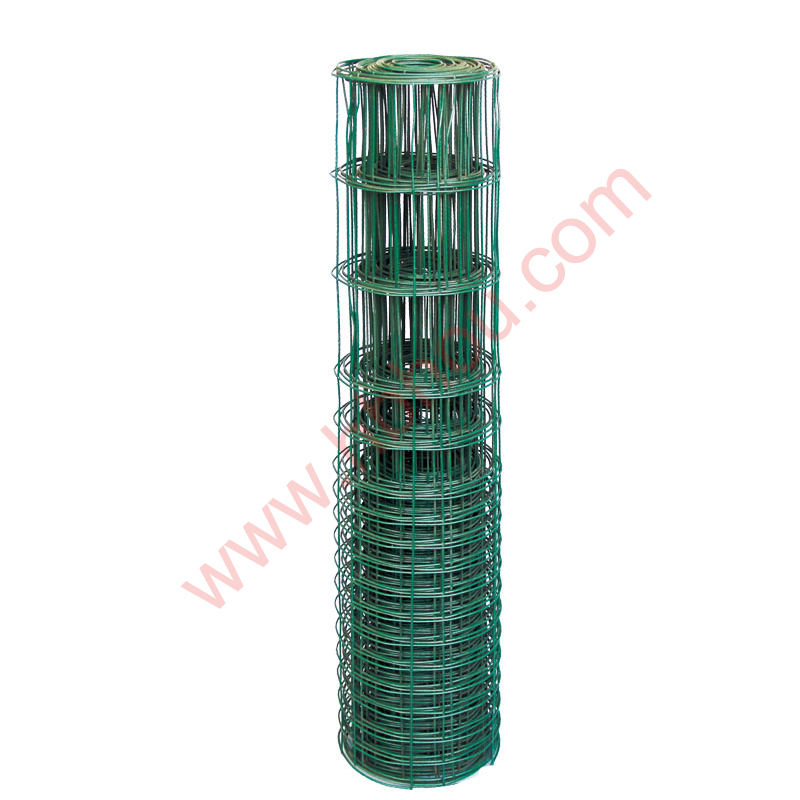
From classic picket styles to horizontal slats or even wire mesh, personalization is abundant. Sometimes, painting or adding climbing plants transforms a simple fence into an artistic statement.
Mini takeaway: The best 2ft garden fences combine durability, affordability, green credentials, and style.
Where on Earth Do People Use 2ft Garden Fences?
From the community gardens of New York City to rural farms in Kenya, the 2ft garden fence finds versatile applications worldwide. Its role often extends beyond property protection:
- Post-disaster relief: NGOs use low fences to mark safe play zones for children amid temporary shelters, enhancing safety and providing structure.
- Urban green spaces: In Europe, city councils install these fences around parks to protect young saplings and delimit picnic areas.
- Industrial zones: Facilities use low fencing for visually clear boundaries that don’t obstruct patrol views.
- Private homes: As a mild deterrent to neighborhood cats or to keep pets contained.
On a personal note, I saw a community project in Tokyo use recycled 2ft fences to create mini-food forests on rooftops—neat idea! It feels like such a small product but a huge enabler of green living worldwide.
Advantages and Longevity of a Good 2ft Garden Fence
When you invest in a quality garden fence at this height, you’re buying more than wood or metal. You’re buying peace of mind.
- Cost-effective protection: It won’t break the bank to safeguard tender plants from foot traffic or small animals.
- Environmental stewardship: Sustainable choices promote circular economies, reducing waste.
- Social trust and safety: Community gardens bounded by low fences often enjoy better stewardship since boundaries are visible and respected.
- Easy upgrades: Modular panels mean fences can adapt to changing needs, so you don’t start over every season.
To me, these benefits echo the deep connection between environmental care, social goodwill, and sensible design. The 2ft garden fence quietly helps build that bridge.
Emerging Trends and Innovations in Garden Fencing
Smart fencing? It’s coming. Some suppliers now integrate solar-powered LED strips along fence tops, providing nighttime illumination for patios or gardens. Meanwhile, rising eco-consciousness pushes manufacturers towards hemp-based composites or bamboo blends.
Digitally, QR codes embedded in fence post labels can link stakeholders to info on maintenance tips or plant guides. As someone who likes tech mixed with tradition, this excites me.
Challenges and How to Overcome Them
Of course, not all fences are created equal. Some issues pop up:
- Lifespan limitations: Untreated wood fences can rot quickly. Selecting pressure-treated or coated materials helps.
- Installation difficulty: Uneven terrain makes panel alignment tricky. Modular, adjustable feet are a smart workaround.
- Local regulation hurdles: Some urban zones restrict fence heights or materials. Research matters.
Expert tip: Always consult local guidelines early and consider investing a little more for warranties that cover environmental wear.
Quick FAQ: What You’re Really Asking About 2ft Garden Fences
- Q: Can a 2ft garden fence keep pets contained effectively?
- A: It can deter small to medium pets, but very agile or jumping animals may require higher barriers or mesh extensions to prevent escapes.
- Q: What maintenance is needed to keep these fences looking good year-round?
- A: Regular cleaning, repainting or re-staining wooden fences every 2–3 years, and occasional rust-proofing for metal varieties ensures longevity.
- Q: Are 2ft garden fences weather-resistant?
- A: Quality models are designed to handle rain, sun, and wind. Opting for UV-protected paints and pressure-treated woods increases resistance.
- Q: How quickly can these fences be installed?
- A: Many panels are designed for DIY assembly and can be installed in a few hours depending on boundary size and terrain.
- Q: Are eco-friendly garden fence options available?
- A: Yes, from recycled plastics to sustainably sourced wood, many vendors now offer green alternatives aligned with circular economy principles.
Comparing Popular 2ft Garden Fence Vendors
| Vendor | Material | Price Range | Eco-Friendly Options | Warranty |
|---|---|---|---|---|
| GreenWood Fencing | Pressure-treated wood | $30-$50/panel | Yes, FSC certified wood | 5 years |
| EcoMesh Panels | Recycled metal mesh | $40-$70/panel | 100% recycled | 7 years |
| Bamboo Barrier Co. | Bamboo composite | $50-$80/panel | Biodegradable materials | 3 years |
Typical Specifications of a 2ft Garden Fence Panel
| Specification | Details |
|---|---|
| Height | Approximately 24 inches (60 cm) |
| Width | Typically 36 inches (91 cm) |
| Material Options | Wood (pressure-treated), metal (galvanized), bamboo composite |
| Installation | Interlocking modular panels or standalone picket units |
| Weight | Range: 4–7 kg per panel depending on material |
| Finish | UV-resistant paint, stain, or weatherproof coating |
For more detailed options and to jumpstart your garden planning, check out our resources on 2ft garden fence.
Final Thoughts
Oddly enough, the 2ft garden fence manages to balance tradition and innovation. It’s quiet but vital: helping both tiny seedlings and big communities grow safely. It’s a small solution with a broad impact—whether in cozy backyards or bustling cities planning for a greener, safer tomorrow. So next time you see one, maybe give a little nod of appreciation to this unassuming guardian of green spaces.
For those ready to bring this practical charm to their own outdoor spaces or projects, visit our website to explore options, tips, and vendor connections.