The Importance of Rabbit Protection Fences
In the world of gardening and agriculture, rabbits often emerge as adorable yet formidable adversaries. Their insatiable appetite for fresh vegetables and flowers can lead to significant damage in gardens, reducing the yield of crops and curtailing the joy of cultivating beautiful landscapes. This is where rabbit protection fences come into play, serving as an essential barrier to safeguard gardens and ensure that they flourish without the threat of these tricky little creatures.
Understanding the Need for Protection
Rabbits are known for their incredible ability to reproduce and for their love of feasting on a variety of plants. This makes them a common nuisance for gardeners. Homeowners may find themselves in an ongoing battle to keep rabbits out of their meticulously planned flower beds or vegetable patches. Without proper protection, efforts to cultivate a lush garden can be in vain, leading to frustration and loss.
The Design of Rabbit Protection Fences
Rabbit protection fences are designed not just to keep these animals out, but also to deter them from attempting to breach the barrier. An effective rabbit fence should be at least 2 to 3 feet high, as rabbits can easily hop over lower barriers. Additionally, burying the bottom of the fence 6 to 12 inches underground can prevent rabbits from digging underneath the fence.
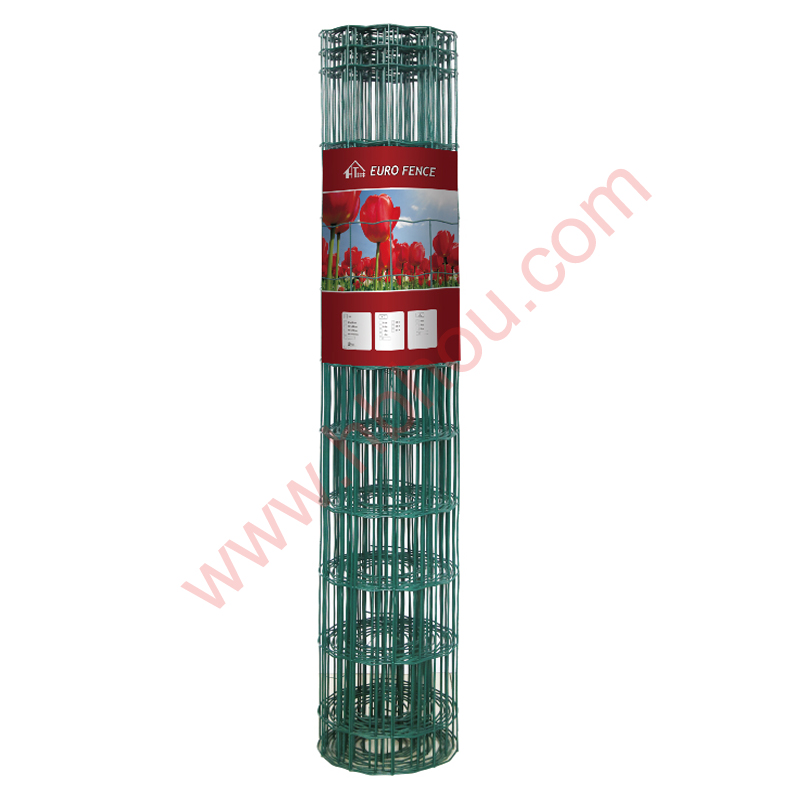
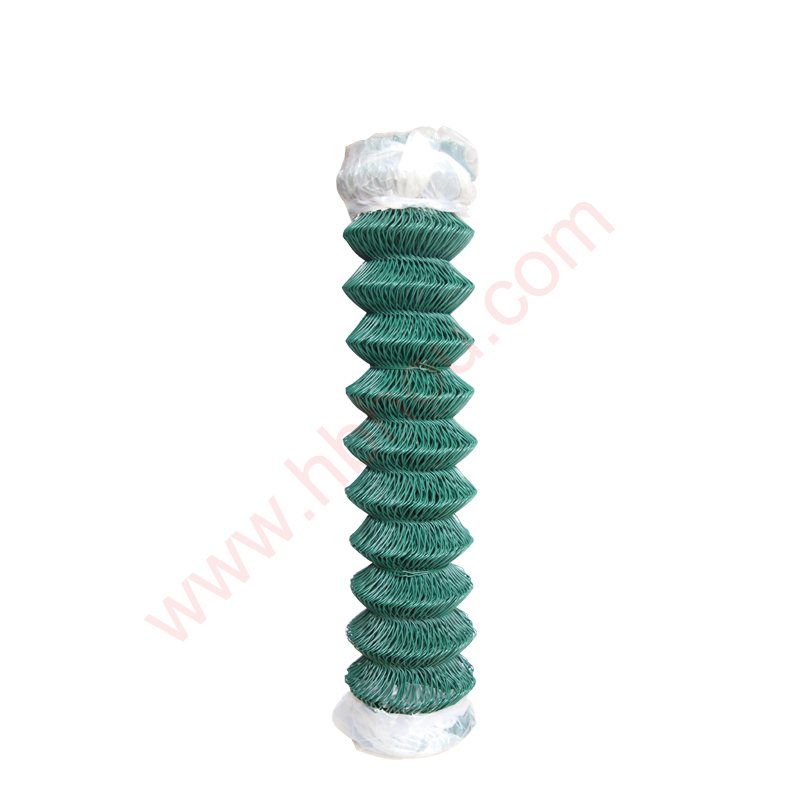
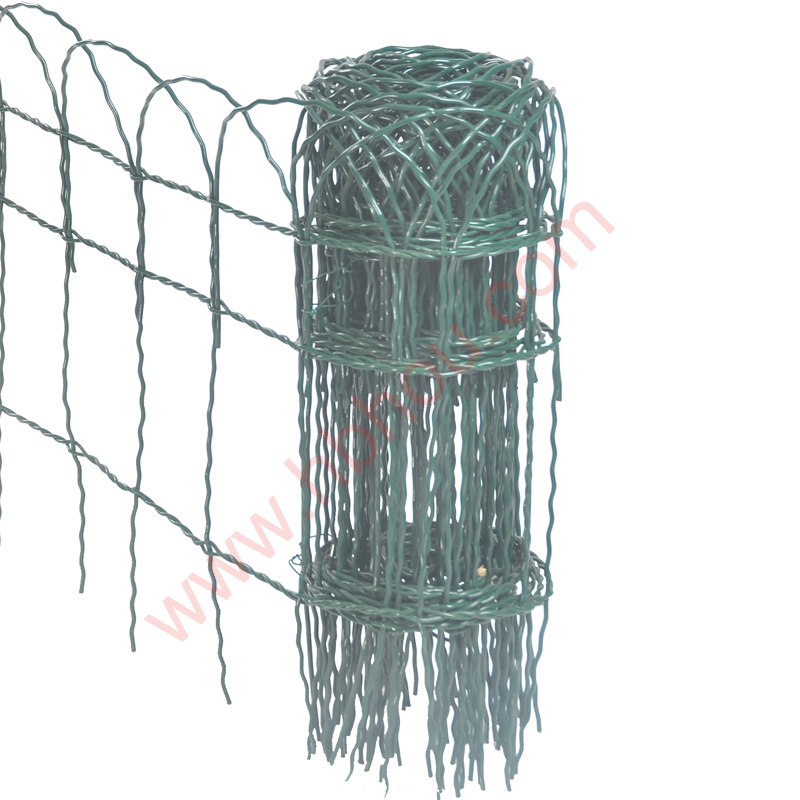
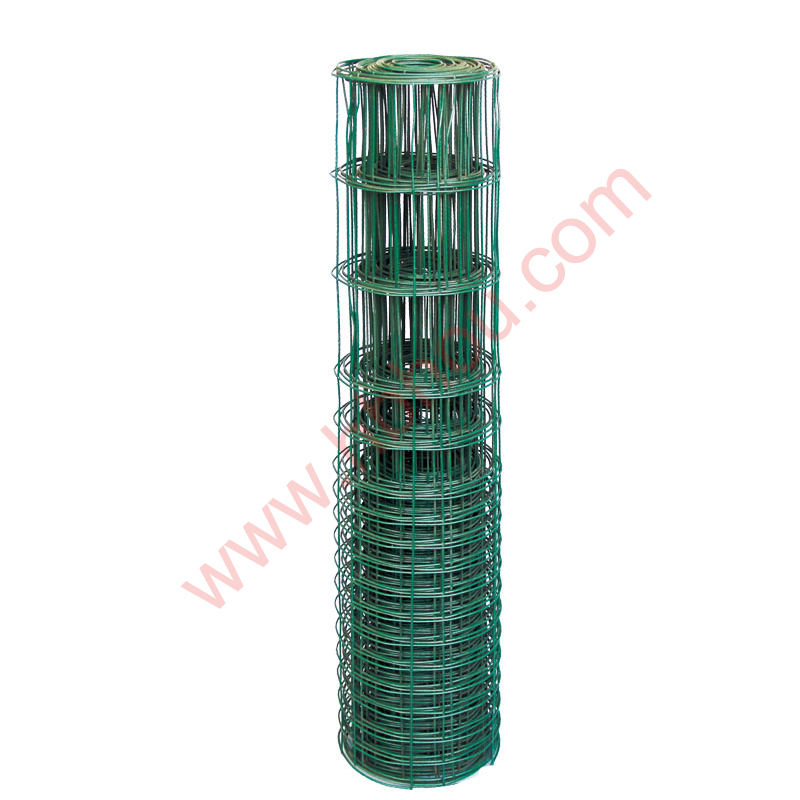
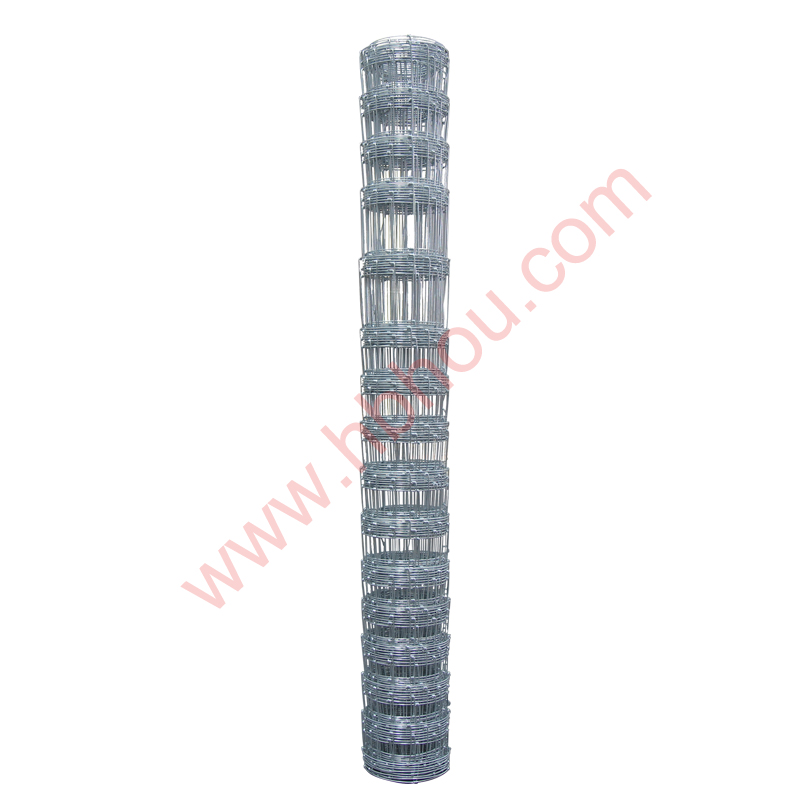
Materials used for rabbit protection fences vary; options include wooden barriers, chicken wire, and vinyl-coated wire. Chicken wire is a popular choice due to its affordability and flexibility. However, it is crucial to choose a material that is sturdy enough to withstand animal pressure and harsh weather conditions.
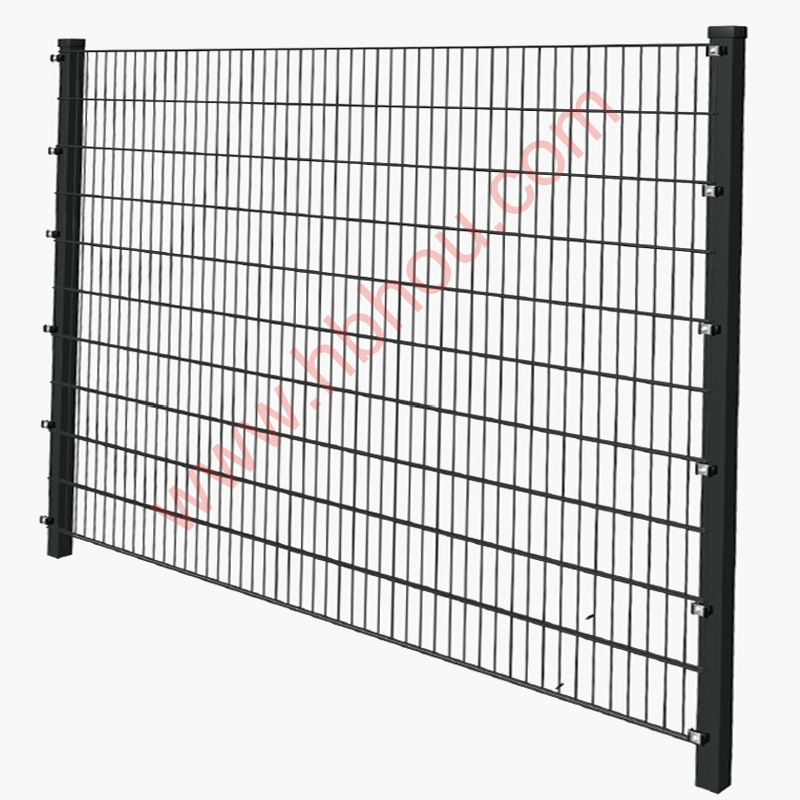
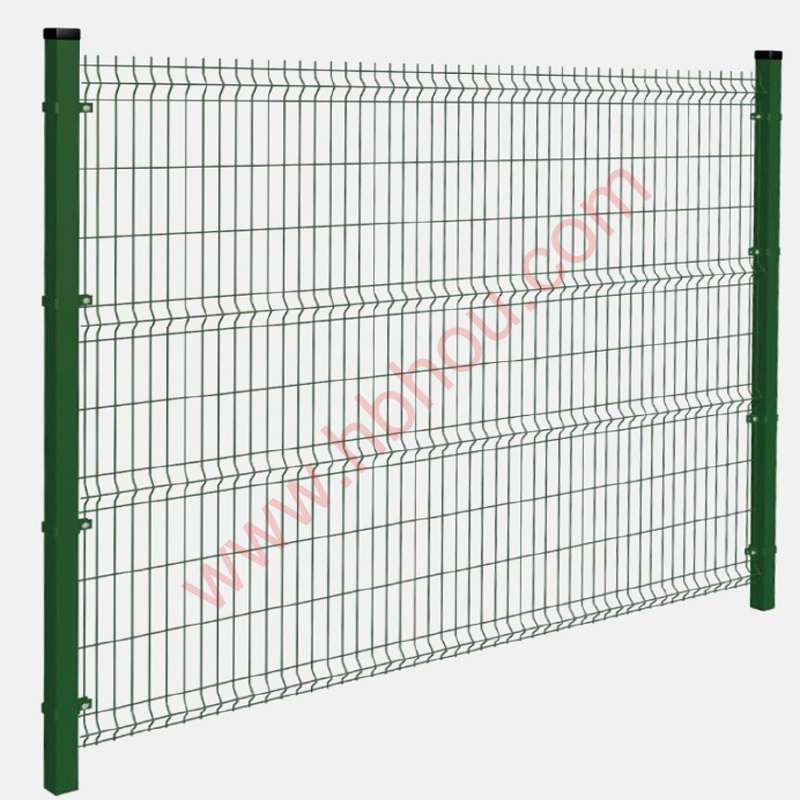
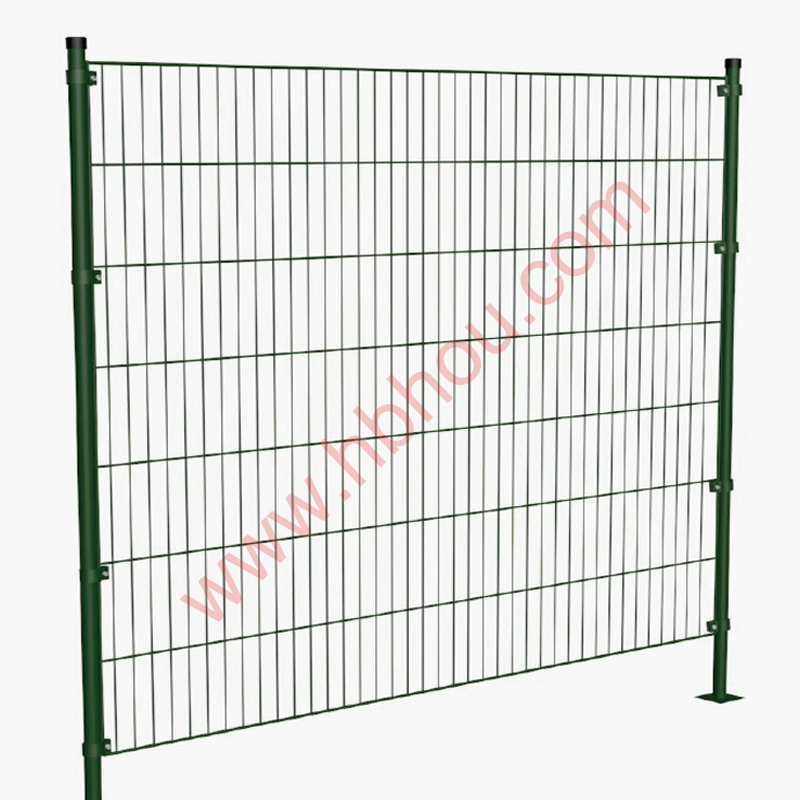
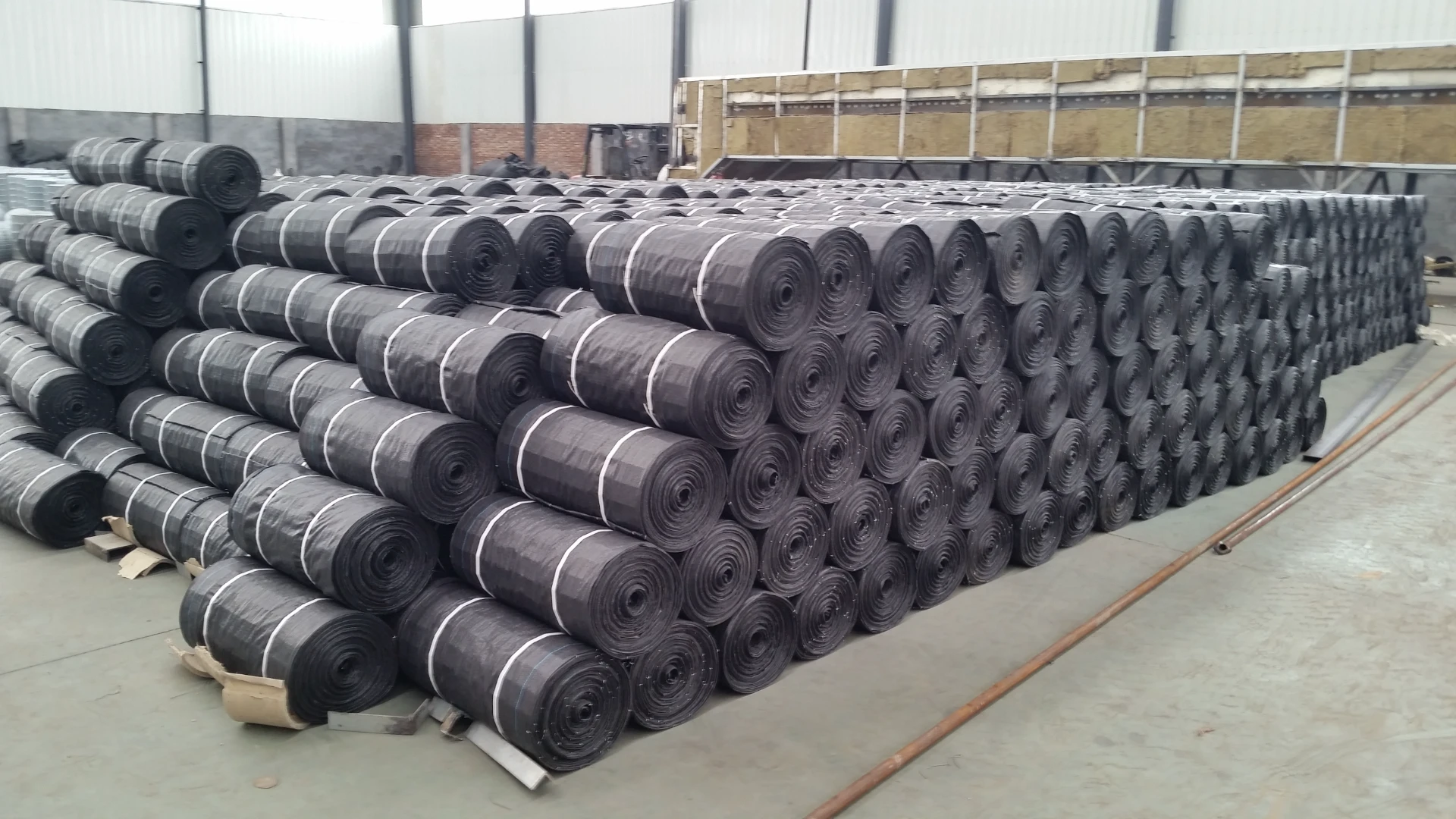
rabbit protection fence
Aesthetics and Functionality
While the primary function of a rabbit protection fence is to provide security, many homeowners also prioritize aesthetics. Fortunately, fencing can be both functional and visually appealing. Wooden fences can be painted or stained to match the garden decor, while decorative metal options can enhance the overall look of the landscape. Additionally, planting climbing vines or flowers can help the fence blend seamlessly with the natural surroundings, transforming a purely utilitarian installation into a beautiful part of the garden design.
Additional Strategies for Rabbit Control
While rabbit protection fences significantly reduce the risk of damage to gardens, they can be even more effective when combined with additional control strategies. For instance, using repellents can deter rabbits from approaching the garden in the first place. Many gardeners have success using natural deterrents, such as scaring devices, or planting rabbit-resistant plants in and around their gardens as a form of distraction.
Another beneficial method is community cooperation. Neighbors can band together to create longer stretches of fencing, which can be beneficial in an area where rabbits are prevalent. Together, they can also share information on the most effective types of barriers and repellents they have used in their own gardens.
Conclusion
In conclusion, rabbit protection fences are an invaluable asset for gardeners seeking to protect their hard work from these common pests. By investing in a well-designed fence, gardeners can enjoy the fruits of their labor without the fear of rabbits ruining their efforts. When combined with thoughtful landscaping and additional deterrents, these fences can create a harmonious balance between nature and cultivation, allowing gardens to thrive while keeping the playful, yet pesky, rabbits at bay. As the old saying goes, Good fences make good neighbors, and in the case of gardening, they cultivate a flourishing relationship between plants and caretakers.