Installing Privacy Fence Panels A Comprehensive Guide
Creating a private, secure, and aesthetically pleasing outdoor space is a priority for many homeowners. One popular solution for achieving this is the installation of privacy fence panels. These panels not only define boundaries but also enhance the beauty of your property. In this article, we will explore the steps involved in installing privacy fence panels, ensuring that your backyard remains a tranquil haven.
Step 1 Planning and Preparation
Before diving into the installation, careful planning is crucial. Begin by checking your local building codes and regulations regarding fence height, materials, and property lines. You may also need to obtain permits. Take the time to discuss your plans with neighbors, as it allows for open communication and prevents potential conflicts.
Once the legalities are sorted, measure the area where the fence will be installed. Use stakes and string to outline the fence perimeter, ensuring that you have a clear visual representation of your project. Factor in locations of trees, shrubs, and other obstacles that may hinder installation.
Step 2 Choose the Right Materials
Privacy fence panels come in various materials, including wood, vinyl, and metal. Each material has its pros and cons, so choosing the right one for your needs is essential.
- Wood This is a classic choice, offering natural beauty and versatility. Cedar and redwood are popular options due to their durability and resistance to decay. However, wood may require regular maintenance, such as staining or sealing.
- Vinyl Known for its durability and low maintenance, vinyl fences can mimic the look of wood without the upkeep. They are resistant to rot, insects, and many weather conditions, making them a long-term investment.
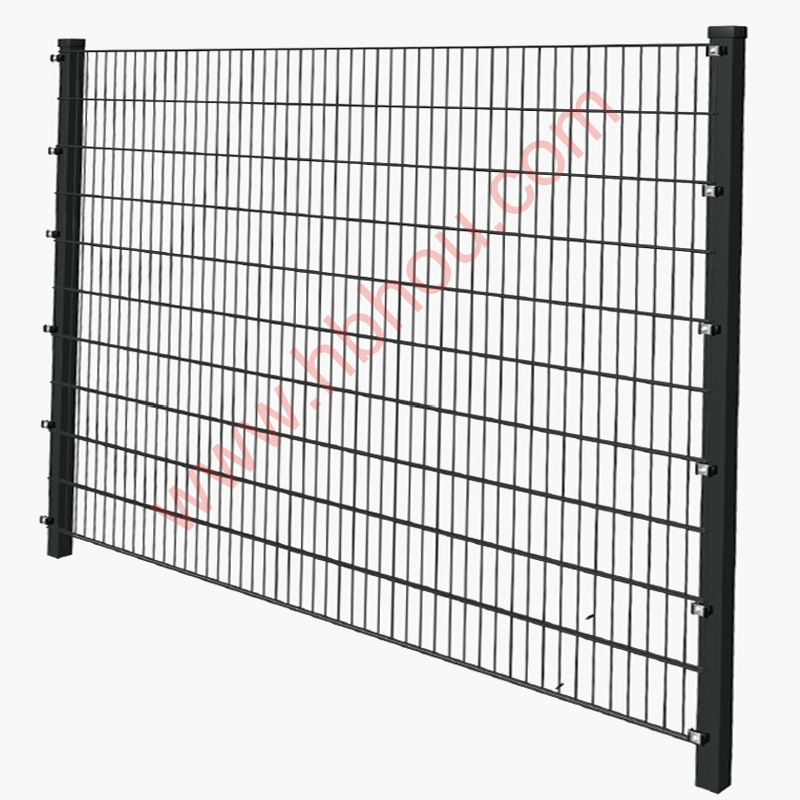
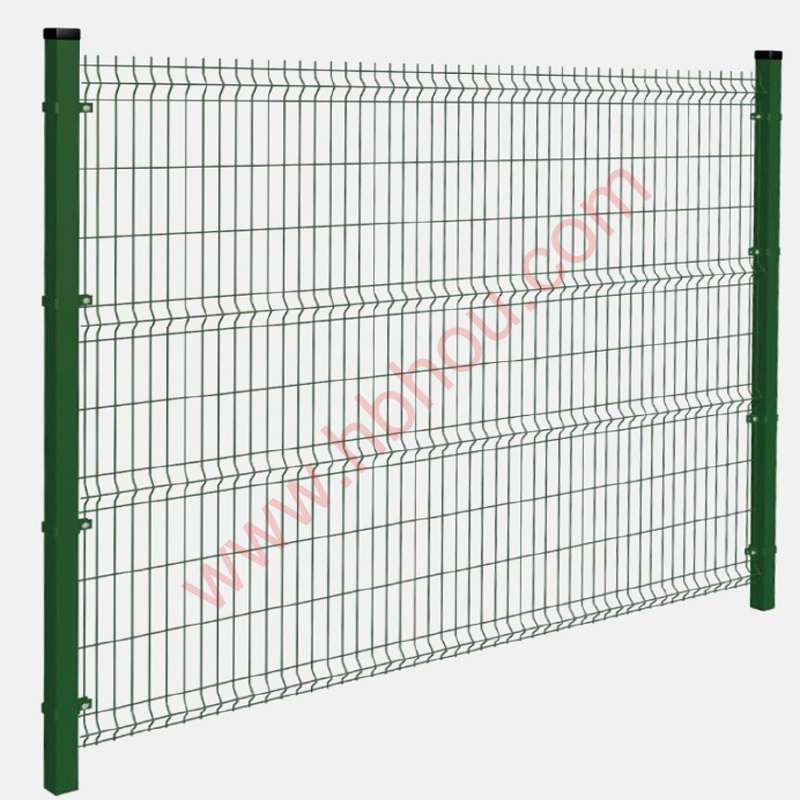
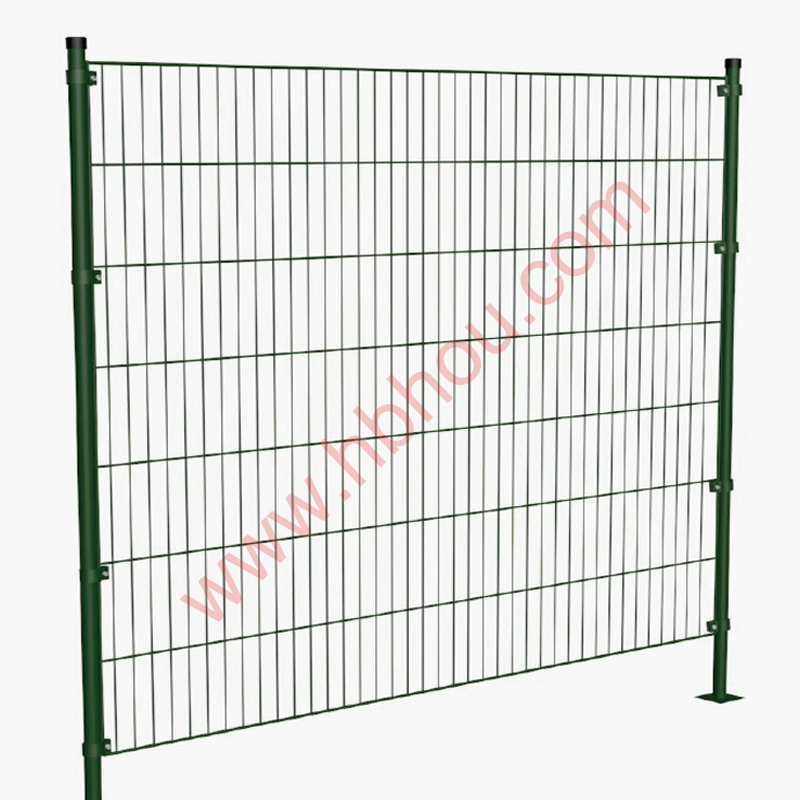
- Metal Options such as aluminum or wrought iron are great for those looking for a more modern aesthetic. While they often provide less privacy than wood or vinyl, they are highly durable and can last for decades with minimal upkeep.
Step 3 Gather Tools and Materials
Before starting, gather all necessary tools and materials. Common tools required for installation include
- Tape measure - Level - Post hole digger or auger - Hammer or nail gun - Saw (if working with wood) - Drill - Safety goggles and gloves
installing privacy fence panels
Make sure to have all your fence panels, posts, nails or screws, and concrete mix ready to go
. Double-check that you have enough materials for the entire perimeter to avoid interruptions.Step 4 Install Fence Posts
The first step in the physical installation is setting up the fence posts. Begin by marking where each post will go according to the layout you created earlier. Typically, posts are spaced about 6 to 8 feet apart, depending on the type of panel you choose.
Using a post hole digger, dig holes approximately 2 feet deep (or as required by your local codes) for each post. Ensure the holes are wider than the posts for easy installation. After placing the posts in the holes, fill them with concrete mix and make sure each post is level and plumb. Allow the concrete to set according to the manufacturer’s instructions.
Step 5 Attach the Privacy Panels
Once the posts are secure, it’s time to attach the privacy panels. Begin at one end and work your way down the fence line. For wood panels, use screws or nails to attach them to the posts, ensuring they are evenly aligned and spaced. If you are using vinyl or metal panels, follow the manufacturer's guidelines for installation.
Regularly check that the panels are level as you work your way down to maintain a professional appearance.
Step 6 Finishing Touches
After all panels are installed, take a moment to inspect your work. Look for any gaps or misalignments that may need adjustment. If you’ve chosen wood, now is the time to apply a protective stain or sealant to enhance its longevity and appearance.
Finally, consider adding decorative elements such as caps to the fence posts or landscaping elements to enhance the visual appeal of your new fence.
Conclusion
Installing privacy fence panels can be a rewarding DIY project that enhances your outdoor living space. With careful planning, the right materials, and a bit of effort, you can create a beautiful and functional barrier that provides the privacy and security you desire. Enjoy your new sanctuary!