Fence Post Border: The Unsung Hero of Industrial Fencing
Having spent a good part of my career in the industrial equipment sector, I’ve come to appreciate the subtle brilliance behind something as simple as a fence post border. You don’t often hear much fanfare about it, but when it comes to securing a perimeter — be it a construction site, agricultural land, or a factory boundary — this component quietly holds it all together.
Now, frankly, a fence post border isn’t just about slapping a post into the ground and calling it a day. You have to consider materials, design, and strength. Over the years, I’ve seen posts made from everything from plain untreated wood to galvanized steel and even composite materials. Each comes with pros and cons, which affect durability and cost.
In real terms, galvanized steel posts tend to be the go-to solution in harsh environments. The zinc coating protects against rust, which is a common enemy in outdoor setups. Oddly enough, while plastic posts might seem like a modern alternative, they don’t quite cut it when you need real strength. I remember a site where a funky, colorful plastic post design was tried — it broke after a winter storm. Lesson learned!
Many engineers say the proper testing of these posts under tensile and impact loads is what really sets quality apart. I recall from one project how thorough testing saved us headaches: the posts had to stand strong against heavy winds and accidental machinery hits. Reliability isn’t negotiable.
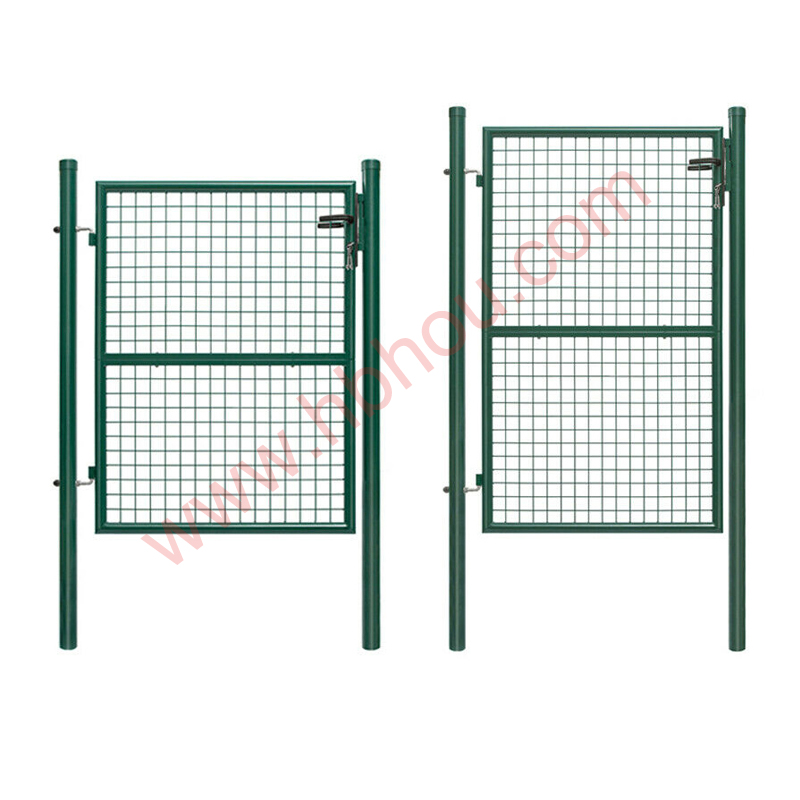
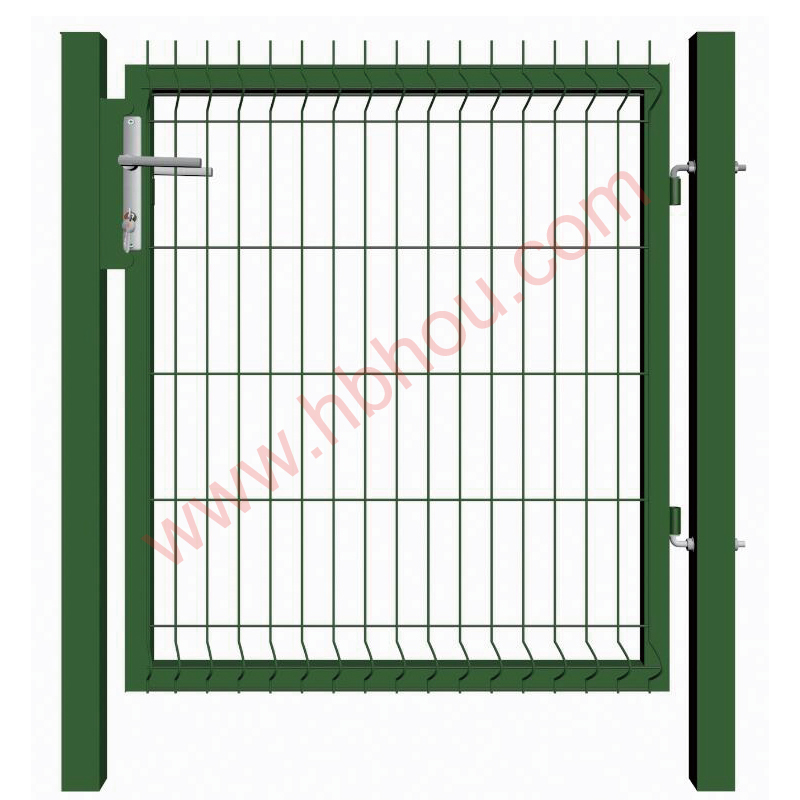
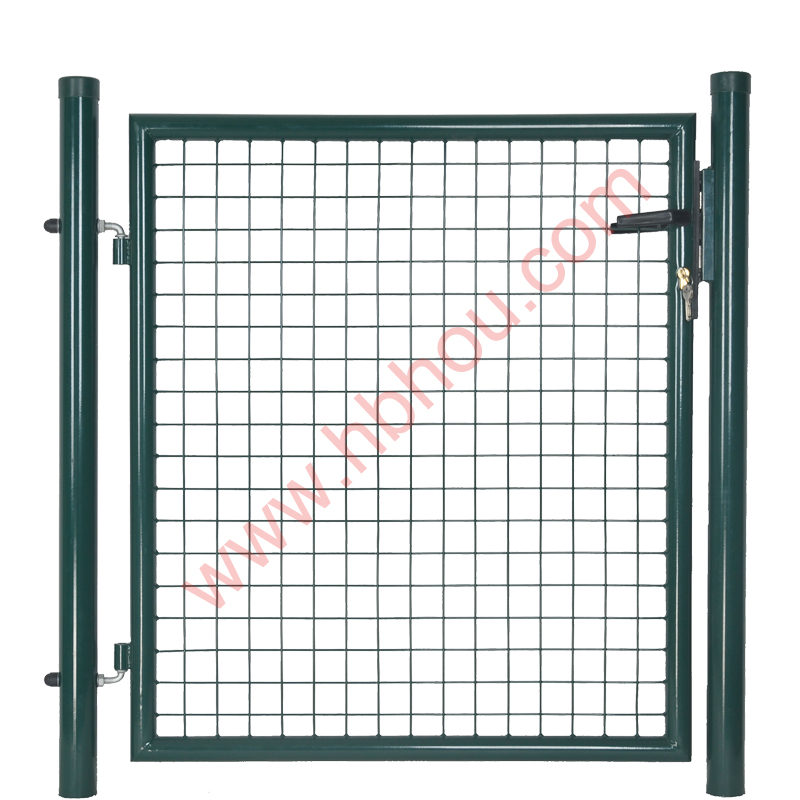
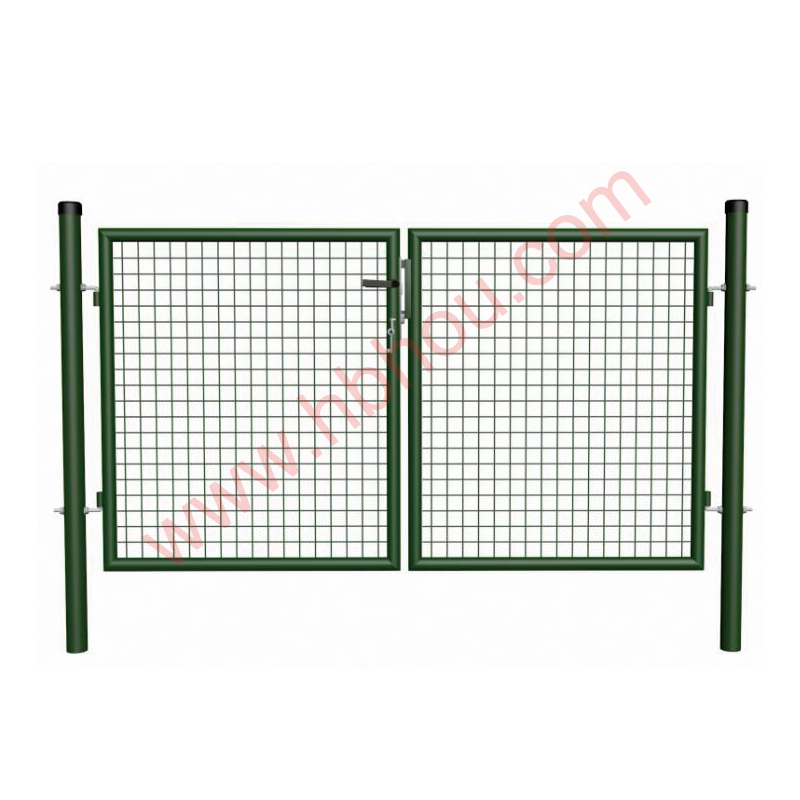
Customization is another interesting point. You can get posts with different shapes (T-posts, U-posts, round posts), coatings, and even pre-drilled holes for quick wire attachment. It feels almost like there's a post design to suit every situation, which is kind of reassuring if you’re managing complex fencing layouts.
By the way, here’s a quick rundown of typical specifications for a basic galvanized steel fence post border to give you a clearer idea:
| Specification | Detail |
|---|---|
| Material | Galvanized Steel (G90 coating) |
| Length | 6 feet (standard), customizable |
| Shape | T-post or U-post |
| Weight | 4 - 6 lbs per post |
| Corrosion Resistance | Up to 20 years outdoors |
| Installation | Driven or concreted into place |
Of course, choosing the right vendor for these posts matters a lot. It’s not just the specs on paper but who stands behind the product that counts. From my experience, here’s a quick side-by-side of three common suppliers you might encounter:
| Vendor | Material Quality | Customization Options | Lead Time | Price Range |
|---|---|---|---|---|
| HBHOU | High-grade galvanized steel | Extensive (shapes, lengths, coatings) | 2-3 weeks | Competitive |
| Vendor B | Standard galvanized | Limited to T-posts | 4-6 weeks | Lower |
| Vendor C | Mixed quality steel | Custom lengths only | 1-2 weeks | Higher |
One time, a client called me in a panic — they’d sourced cheap posts elsewhere, and the fence started leaning badly within a few months. When we switched to a reliable supplier like HBHOU, things straightened out quickly. That’s the kind of peace of mind that comes with a fence post border you can trust.
So, when you think of fencing, remember that your fence posts and borders are more than just simple sticks; they’re the backbone supporting your safety and outline. And honestly, picking the right kind can save you headaches down the road — it feels like a small, but crucial detail.
To wrap up — investing in quality fence post borders means one less thing to worry about in often unpredictable industrial settings. It’s a bit like the quiet foundation of a sturdy building.
References:
- “Fencing Materials and Design,” Industrial Fence Standards, 2022.
- Technical Report: Corrosion Resistance in Outdoor Steel Equipment, 2021.
- Personal experience: Various industrial site installations (2010–2023).