50 Ft Chain Link Fence: A Veteran’s Take
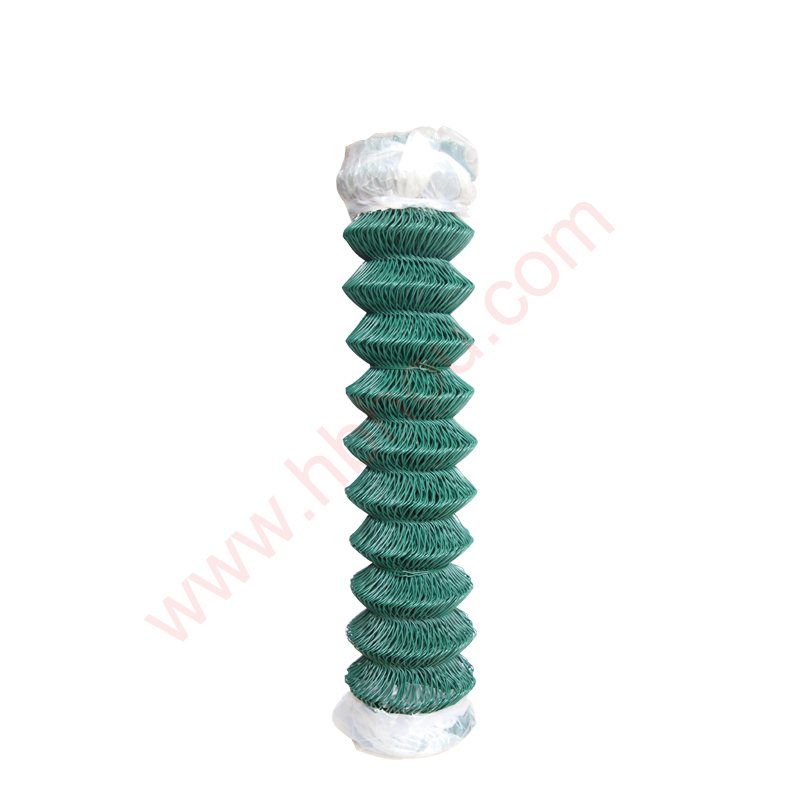
Having worked around industrial equipment and security installations for over a decade, I’ve seen my fair share of fencing solutions. And frankly, when you’re looking at perimeter security—whether for factories, warehouses, or sprawling yards—a 50 ft chain link fence often stands out as a practical, durable choice.
Oddly enough, it’s not just about the height or length—though the “50 ft” mark is popular for covering large commercial perimeters efficiently—but also about the materials and build quality that go into these fences. Over time, I’ve noticed that the galvanized steel wire mesh they use tends to balance flexibility and strength in just the right way. You get rust resistance that can take a beating from weather and still hold firm against intruders or accidental impacts.
Industry folks often say that “a chain link fence is only as good as its posts,” and I tend to agree. The sturdiness of the supporting framework is just as important as the mesh itself. Posts typically come galvanized, or sometimes coated with vinyl, and installed on a concrete footing to prevent shifting over the years.
Here’s a quick rundown of typical specs for a 50 ft length section, the kind you’ll often find listed by vendors. This helps you gauge compatibility with your specific site needs.
| Specification | Details |
|---|---|
| Fence Length | 50 ft (standard pre-fabricated panel) |
| Fence Height | 4 ft to 12 ft options typically available |
| Material | Galvanized steel, sometimes vinyl coated |
| Mesh Size | 2-inch diamond pattern (common) |
| Wire Gauge | 9 to 11 gauge wire often preferred |
| Post Spacing | Typically 8 to 10 ft apart |
My personal go-to recommendation is to seek out vendors who provide sturdy post and panel combinations with quality galvanized coatings. Oddly enough, some cheaper fences scratch the surface of corrosion protection and end up a maintenance headache — not ideal if you want something long-term.
That leads me to the next bit: comparing some common vendors. Over the years, I’ve worked with a handful of suppliers, so here’s a vendor comparison table that highlights key attributes like warranty, customization options, and typical lead times. This might save you some legwork…
| Vendor | Warranty | Customization | Lead Time | Price Range |
|---|---|---|---|---|
| HBH Fence Supply | 10 years on galvanization | Height & wire gauge options | 2-3 weeks | Moderate |
| FenceCo Direct | 5 years limited | Basic pre-fab panels only | 1 week | Lower |
| Pro Industrial Fencing | 15 years galvanization + coating | Full customization, colors | 4-6 weeks | Premium |
You know, one time a client needed a 50 ft chain link fenced yard for storing heavy equipment. We debated vinyl coating versus plain galvanized. They went with vinyl, thinking the color options would help with branding. But in real terms, six months later, the coating started showing minor scratches—exactly where forklifts bumped it—while the underlying galvanized steel was still intact. Sometimes, the “standard” approach is just plain more reliable.
Finally, knowing the fence’s specs is great, but measuring your site accurately and considering local weather or security needs can’t be overstated. A long fence exposed to coastal air needs more corrosion resistance. In frost-prone areas, post depth and concrete mix are crucial so your fence doesn’t tilt after winter.
All that said, if you’re in the market for a sturdy, time-tested industrial perimeter fence, this 50 ft chain link fence option is usually a solid starting point.
It’s funny how something as simple as chain link fencing still stands the test of time in an industry that’s always chasing the “next big thing.” Sometimes, straightforward and dependable wins the race.
References:
- “Chain Link Fencing Fundamentals” – Industrial Security Journal, 2019
- HBH Fence Supply Product Catalog, 2023
- Smith, G. “Perimeter Security Essentials,” Fencing World News, 2022