Understanding the 1.8 m Chain Link Fence: Practical Insights from the Field
Having spent more than a decade around industrial equipment and fencing solutions, I’ve come to appreciate one thing: a 1.8 m chain link fence is often the unsung hero of perimeter security. Sure, it’s not flashy, but in real terms, it gets the job done with a versatility and durability that keeps engineers and contractors coming back.
Now, why 1.8 meters? Well, this height is quite popular because it strikes a balance — enough to deter casual trespassers without incurring the cost or complexity of higher, more fortified fencing structures. Oddly enough, many folks overlook the subtle engineering behind those galvanized wires you casually walk past.
Before diving deeper, a quick story: a client once needed a quick fix for a construction site where theft had become an issue overnight. We installed this 1.8 m chain link fence within a day, and it completely changed the security dynamics. The project manager called it “a straightforward, no-nonsense solution,” which sort of sums it up perfectly.
Material and Design Considerations
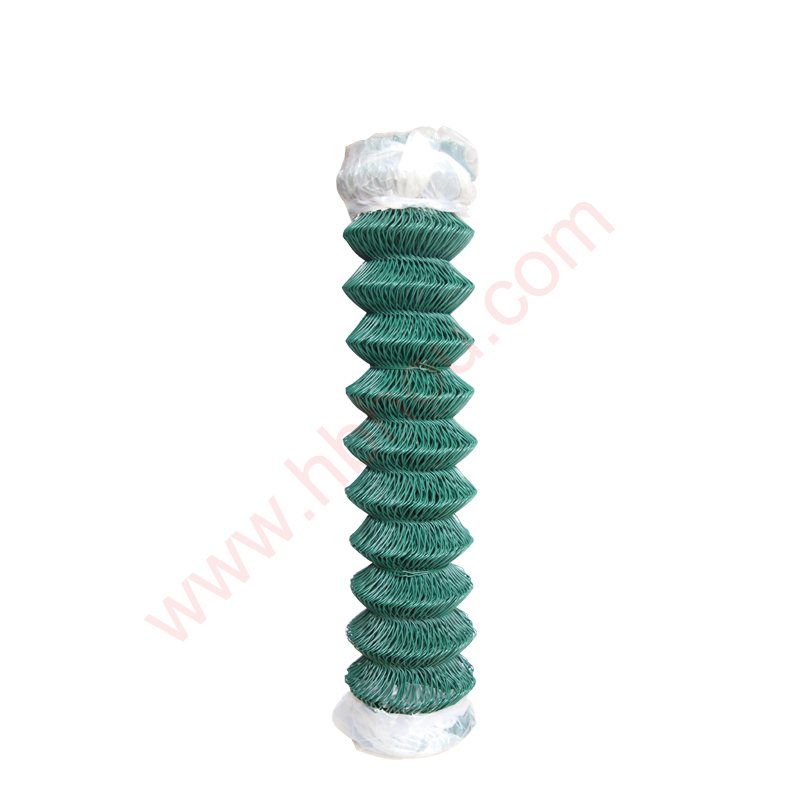
The steel used in these fences is typically galvanized for corrosion resistance — a must if you’re installing in humid or salty environments. I’ve seen fences hold up well near coastlines after years of harsh exposure. Also, the diamond-shaped mesh comes in various gauges; generally, a thicker gauge means more strength but also higher cost. But in most industrial and commercial scenarios, 11 or 12-gauge wire strikes that sweet spot.
One thing I’ve noticed is that while some suppliers focus on aesthetics or “premium” coatings, the entwined resilience of galvanized steel often matters more. Testing centers routinely expose these fences to extreme weather conditions, and frankly, the results are a testament to good engineering. These fences meet or exceed ASTM standards, for what it’s worth — an important note for those who care about compliance and certifications.
| Specification | Details |
|---|---|
| Height | 1.8 meters (6 feet) |
| Wire Gauge | 11 or 12 gauge galvanized steel |
| Mesh Size | 50mm x 50mm diamond pattern |
| Coating | Hot-dip galvanized, optionally PVC-coated |
| Post Material | Galvanized steel tube (usually 48mm diameter) |
| Usage | Industrial, commercial, residential perimeter fencing |
Comparing Vendors: What Sets One Apart?
Choosing the right supplier can feel like sifting through a mountain of similar specs and sales jargon. From my experience, there are subtle yet important differences. I whipped up a quick comparison to help data-driven decisions:
| Vendor | Wire Gauge Options | Coating Types | Lead Time | Customization |
|---|---|---|---|---|
| HBHOU | 11, 12 gauge | Galvanized, PVC-coating | 2-3 weeks | Color & height options |
| Vendor B | 12 gauge only | Only galvanized | 4-5 weeks | Standard sizes only |
| Vendor C | 10, 11 gauge | Galvanized, powder coated | 3-4 weeks | Limited color options |
One thing to highlight is that HBHOU — which, full disclosure, I've worked with on multiple sites — consistently delivers within lead times and offers decent customization without breaking the bank. For those of us in the trenches, that reliability is golden.
On-Site Realities and Installation Tips
While specs on paper can sometimes feel abstract, the reality on-site is that ease of installation and adaptability matter just as much. Many times, I’ve seen teams struggle with post alignment or tensioning the mesh correctly — critical steps to avoid sagging or gaps that compromise security. A 1.8 m chain link fence isn’t just wire and posts; it’s a system that must be thoughtfully assembled.
For anyone installing, my tip is to invest time in preparing solid post foundations and using proper tension bands and tie wires. It pays off later, trust me.
Overall, whether around a factory, a warehouse, or even a playground, this fence height and design is a proven, cost-effective guard. You might say it’s a bit like the dependable old workhorse you rarely notice but couldn't do without.
To wrap it up, in a field where new tech and flashy solutions seem to pop up all the time, the humble 1.8 m chain link fence remains a cornerstone. Reliable, adaptable, and pretty resilient under pressure.
A quick takeaway: sometimes, simple is simply better.
References:
1. ASTM F567 Standard Practice for Installation of Chain Link Fence (latest edition)
2. Practical Fencing Solutions, Industrial Equipment Journal, 2022
3. HBHOU official product documentation (https://www.hbhou.com)