Chain Link Fence Estimated Cost: A Practical Look From the Field
Having spent more than a decade working in industrial equipment and fencing installation, I’ve come to appreciate the subtle but impactful factors that shape chain link fence estimated cost. It’s not just about raw materials or the length of the fence; it’s also about site conditions, customization, and even the zone you’re in.
Chain link fences remain a top choice for commercial and industrial applications because of their durability, relatively easy installation, and low maintenance. However, when clients come asking, “What will this actually cost me?” the answer is never a flat figure. Oddly enough, even minor specs can swing your price tag.
Why Does Cost Vary So Much?
First off, the gauge of the wire — in practice, this means thickness — matters more than many outsiders realize. I’ve noticed clients often go for the standard 9 gauge because it strikes a balance: tough enough to stand up against wear and tear, but it doesn’t break the bank. Thinner gauges like 11 or 12 might seem cheaper, sure, but their longevity falls off, especially in harsher environments.
Besides gauge, the height of the fence will directly impact costs. You’re more than doubling materials if you move from a standard 4-foot fence to a 7-foot one. And then there’s the framework — the posts and rails — which need to be sturdy enough to handle the mesh. The better the anodizing or galvanization, the longer before you’ll see rust, which frankly adds value in the long run.
What About Installation and Site Prep?
Frankly, I’ve run into projects where the cost of the fence mesh and hardware is only about half the final bill. The rest gets eaten up by site prep — clearing brush, leveling the ground — and labor. Rocky or uneven terrain can make installation surprisingly tricky. Then, if you’re in a region with strict building codes, you might need permits and inspections, which add time and money.
The Specs That Matter: Quick Reference Table
| Specification | Typical Range | Notes |
|---|---|---|
| Wire Gauge | 9 - 11 gauge | Lower gauge = thicker wire, more durable |
| Fence Height | 4 ft to 12 ft | Common heights for industrial use |
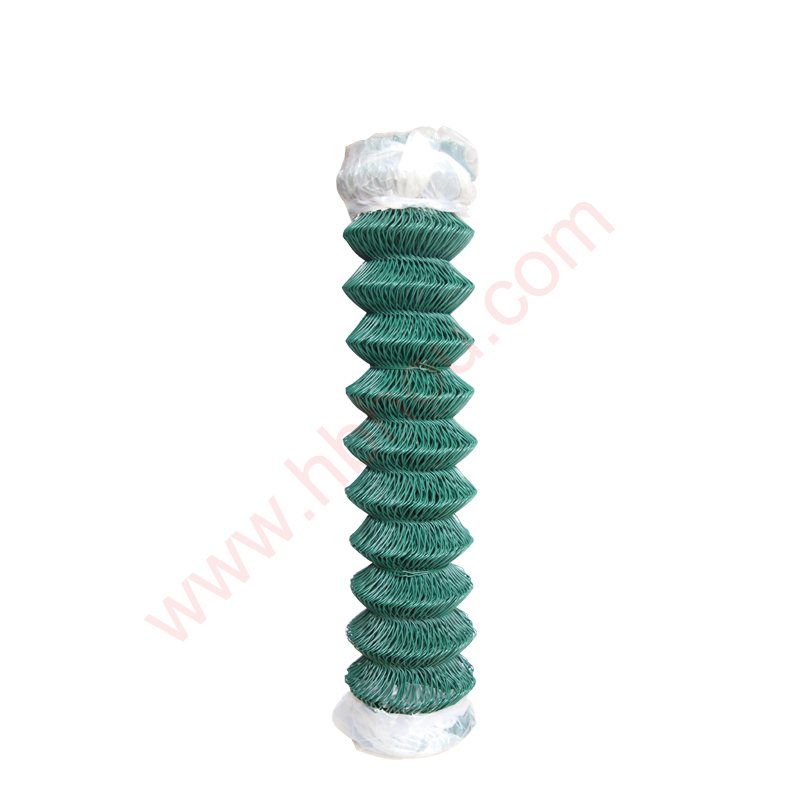
| Material Finish | Galvanized or vinyl-coated | Vinyl adds color/protection but costs more |
| Post Spacing | 6 to 10 ft apart | Closer posts increase sturdiness and price |
| Installed Cost per Linear Foot | $10 to $30 | Varies by region and terrain |
Comparing Vendors: What to Watch For
In my experience, not all suppliers—or installers—are created equal. I’ve worked with a handful, and here’s a simple table I put together highlighting the major differences:
| Vendor | Product Quality | Installation Speed | Pricing | After-Sales Support |
|---|---|---|---|---|
| HBHOU | High-grade galvanized and vinyl-coated | Flexible, typically 1-2 days for medium jobs | Competitive with transparent quotes | Excellent, responsive |
| Vendor B | Standard galvanized only | Slower, 3-5 days typical | Lower upfront but hidden fees | Limited follow-up |
| Vendor C | Mixed quality, some products imported | Fast depending on schedule | Moderate pricing | Good, but sometimes slow response |
A Quick Anecdote
I once helped a small manufacturing firm that wanted a fence around their new lot. They initially picked a cheaper vendor, but after a couple years, corrosion and sagging became an issue—not ideal for a site with heavy machinery moving close by. After switching to a higher-grade fence with HBHOU, they reported feeling far more secure and less worried about maintenance costs. In real terms, spending a bit more upfront saved them headaches later on.
So, when you’re sizing up your chain link fence estimated cost, keep in mind: it’s about more than just dollars per foot. Consider durability, installation, and vendor reputation, especially when the fence is protecting critical assets.
To put it simply: the cheapest option often isn’t the best in the long haul, and a solid fence is like insurance you rarely want to cash in on.
Feel free to check out detailed specs and get quotes directly from specialists like HBHOU—that’s usually my go-to recommendation for quality and service.
Thanks for reading, and I hope this roundup helps you navigate your next fencing project with more confidence.
References
- Industry Standards for Fencing, Fencing Supply Group, 2022
- Durability Testing of Chain Link Mesh Coatings, Materials Science Journal, 2021
- Client Testimonials and Project Records, HBHOU, 2018–2023