Why a chain link fence border Remains a Top Choice in Industrial Settings
Having spent nearly two decades in the industrial equipment sector, I've seen trends come and go—some promising yet fleeting, others stubbornly enduring. Among the latter, chain link fence borders have quietly held their ground. Oddly enough, despite the surge of high-tech barriers and smart security systems, this humble fencing solution continues to be a staple around factories, warehouses, and even construction sites.
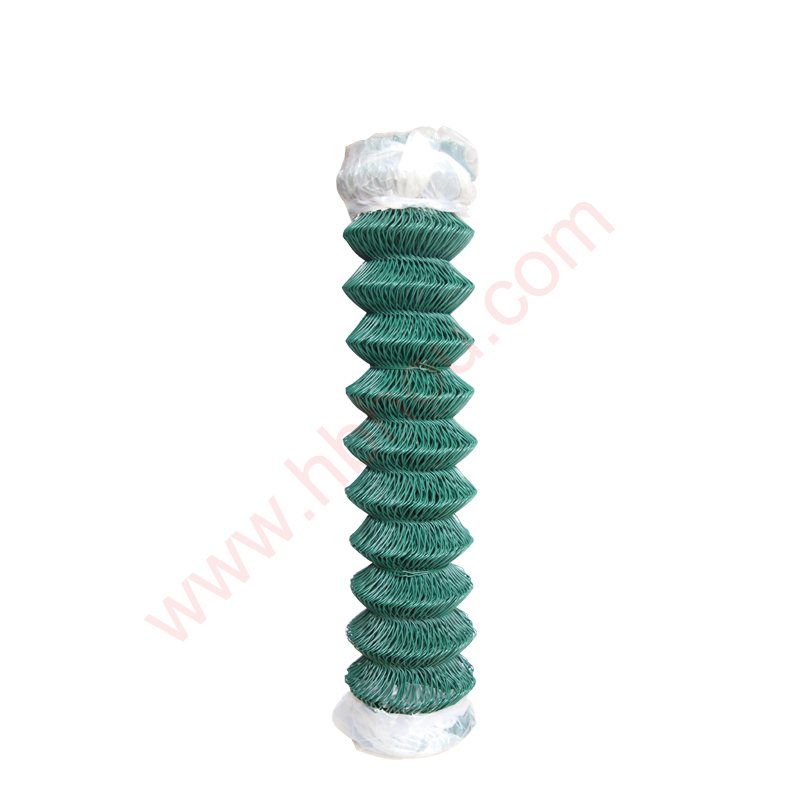
From my firsthand experience, one of the main reasons is simply practicality. The galvanized steel mesh, which typically composes these fences, offers an excellent combination of strength and flexibility. I recall a project a few years ago where a customer needed a durable perimeter solution that could withstand harsh weather and occasional impacts from machinery. The chain link fence border showed up exactly as promised—resistant to rust and surprisingly easy to maintain.
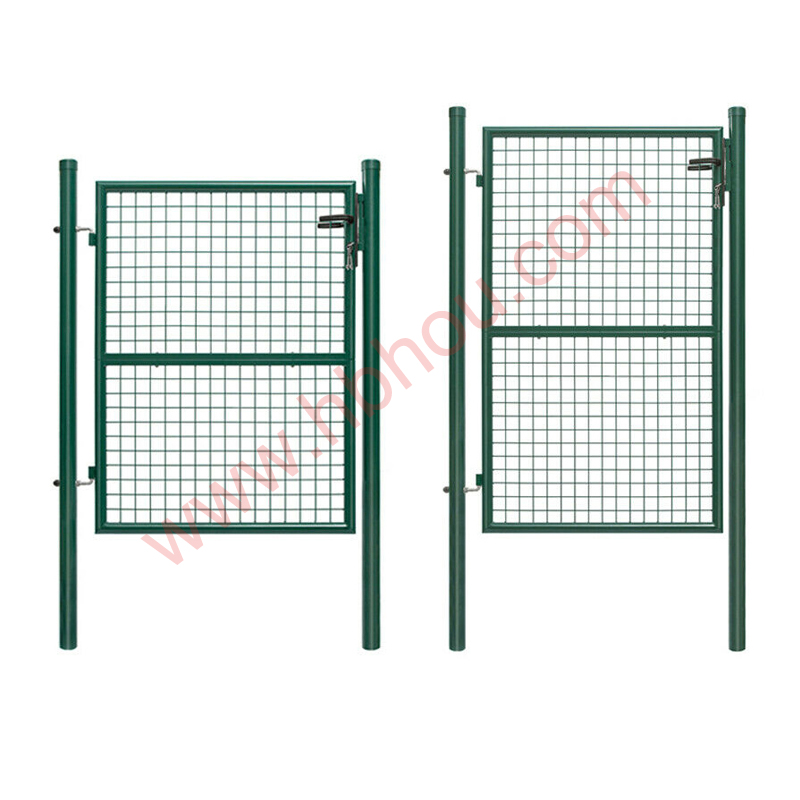
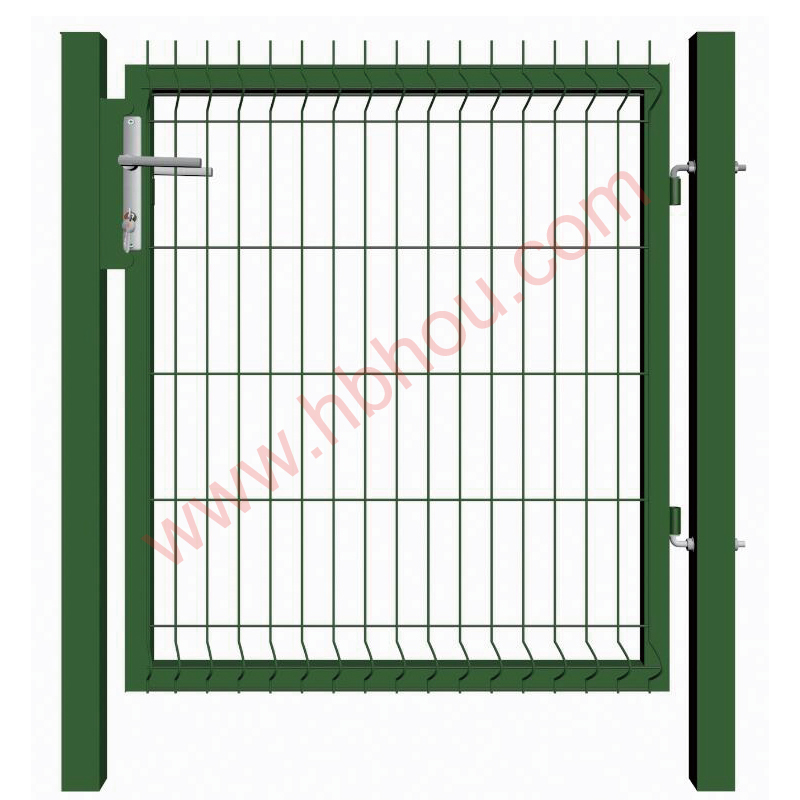
Frankly, the design has stood the test of time because it’s somewhat modular. In real terms, you can customize the fence height, mesh size, and even integrate various top rail options to meet specific security needs. This versatility matters, especially when safety regulations tend to vary by region and industry. For instance, I once worked with a plant that required an electrified fence line combined with the standard chain link mesh—a hybrid approach that worked nicely.
Speaking of specs, here's a quick rundown of a typical industrial-grade chain link fence border. This might look a bit like industry jargon, but trust me, these details reflect what really matters:
| Specification | Typical Value |
|---|---|
| Material | Galvanized steel wire, thermally fused PVC-coated option available |
| Mesh Size | 2" x 2" (50 x 50 mm) standard |
| Wire Diameter | 9 gauge (approx. 3.7 mm) |
| Height Options | 4' to 12' (1.2m to 3.6m) |
| Finish | Hot-dip galvanized or PVC-coated (color options available) |
Of course, not all manufacturers deliver the same quality or customization options. For those of us who’ve handled multiple fence installations, brand reputation and product consistency weigh heavily. Here’s a straightforward vendor comparison that I've found useful when advising customers:
| Vendor | Material Quality | Customization | Pricing | Lead Time |
|---|---|---|---|---|
| HBHOU | High-grade galvanized steel, PVC-coated options | Extensive, including custom mesh sizes & heights | Competitive | 2-3 weeks |
| Vendor A | Standard galvanized | Limited | Budget-friendly | 4-6 weeks |
| Vendor B | Mixed steel grades | Moderate | Higher end | 3-4 weeks |
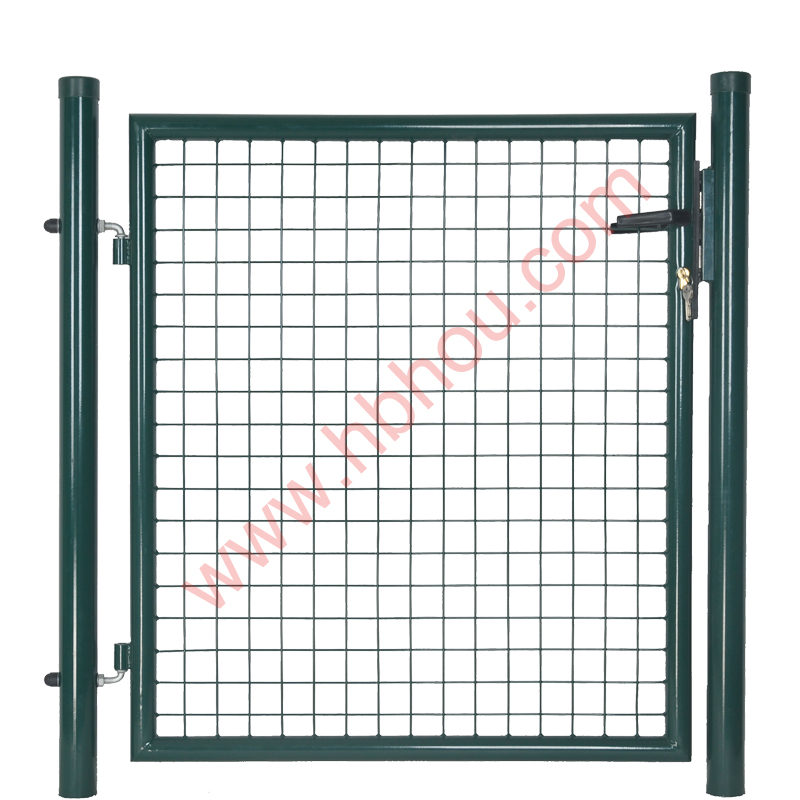
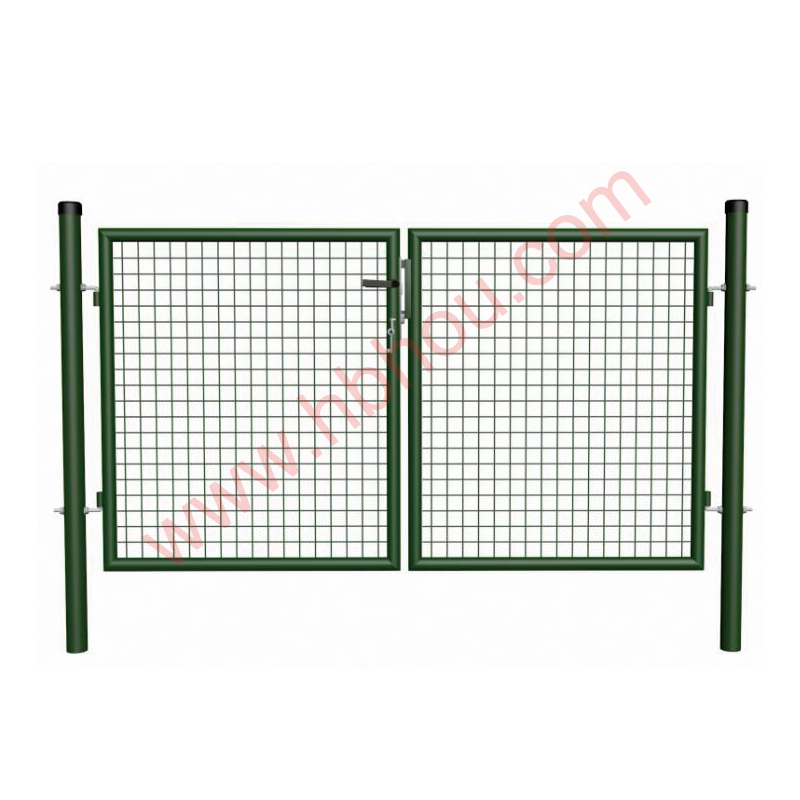
When it comes to installation, the real-world application can vary more than you might expect. I once worked on a site where uneven ground required custom post spacing and some extra welds on the gate hinges. The beauty of chain link fence borders is that they’re adaptable enough to handle such quirks without a total redesign. That’s something many engineers say when they’re tasked with securing tricky terrain. You kind of appreciate simplicity when challenges crop up.
One quick story: a customer in the cold north once mentioned how they appreciated the PVC coating to prevent brittle breaks during harsh winters. That feedback stuck with me because it highlighted how small tweaks make a big difference in long-term satisfaction.
In conclusion, whether you’re looking at cost efficiency, durability, or straightforward customization, a chain link fence border keeps proving it’s a reliable player in industrial perimeter security.
Takeaway? Sometimes the simplest solution, well-executed, is the one you can trust—not just because it’s popular, but because it really performs.
References:
1. Industry Field Notes, Fencing Standards (2021)
2. Manufacturer catalogs and datasheets reviewed 2023
3. Personal project recollection and client feedback