Understanding Your 6 Chain Link Fence Cost
Having spent years in the industrial equipment sector, I’ve come across countless fencing projects. If you’re reading this, you’re probably mulling over a 6 chain link fence cost for your site, yard, or facility – and let me tell you, the numbers can vary quite a bit. It’s not just about throwing up a fence, you know? Factors like material gauge, post spacing, and installation intricacies play big parts in the overall expense. I suppose it’s a bit like buying a car; the cheap, bare-bones option looks alright but often isn't the best long-term investment.
Oddly enough, over the years I’ve noticed that people tend to focus on the upfront price of the fence, but often underestimate the benefits of good quality materials and professional installation. Chain link fences, especially the “6” type — which usually refers to 6 feet in height — offer a balance between security and cost-efficiency that’s hard to beat. In real terms, a taller fence means more material and possibly more labor, which naturally bumps up the price.
Now, let’s dive a little deeper: what really affects the final cost of a 6 chain link fence? At a glance, there are three heavy hitters:
- Material Quality: Thickness (gauge) of the wire, type of coating (galvanized or vinyl-coated), and post strength.
- Fence Length & Height: Obviously, longer and taller equals more cost.
- Labor and Installation: Terrain, accessibility, and local labor rates fluctuate.
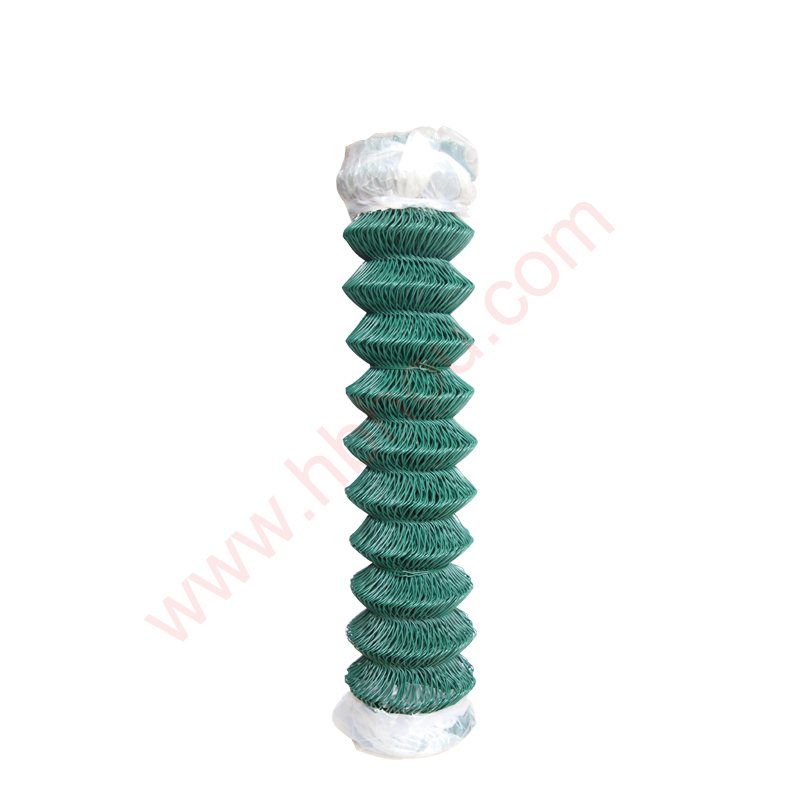
If you’re like most engineers and site managers I’ve talked to, you’d want a fence that is robust but doesn’t blow your budget. Vinyl-coated fences, for example, provide extra weather protection but cost more upfront. Galvanized steel fences are often the go-to choice for many projects — durable, reliable, and easier on the wallet.
Typical Product Specifications for a 6 Chain Link Fence
| Specification | Details |
|---|---|
| Height | 6 feet (72 inches) |
| Material | Galvanized Steel Wire |
| Wire Gauge | 9 or 11 Gauge (depending on durability) |
| Mesh Size | 2-inch diamond pattern |
| Coating | Galvanized or Vinyl-coated |
| Post Spacing | 8 to 10 feet on center |
I once worked with a client who insisted on cheaper materials at the start — 11-gauge galvanized wire instead of 9-gauge. The fence looked fine for a while but ended up needing significant repairs after a couple of tough winters. That lesson stuck with me: sometimes spending a little more on strong materials upfront saves headaches (and money) later.
Vendor Comparison: What to Watch For
Choosing a vendor is frankly as important as choosing the right fence specs. Here's a quick glance at three common options, partly from my own experience and partly from industry chatter:
| Vendor | Material Quality | Installation Speed | Pricing | Customer Support |
|---|---|---|---|---|
| HBHou | High-grade galvanized and vinyl | Fast and reliable | Competitive | Responsive and knowledgeable |
| Generic Local Supplier | Mixed; sometimes inconsistent | Average | Varies | Limited |
| Large National Chain | Good but premium priced | Very fast | Higher than average | Good, but less personal |
From my experience, vendors like HBHou balance cost and quality well — plus their customer support is something I personally value because fencing projects often have last-minute adjustments. Speaking frankly, good support can be worth its weight in gold when deadlines and site changes come knocking.
So, when budgeting for your 6 chain link fence, try to look beyond the sticker price. Consider the lifecycle costs, the environment around the site, and the fence’s functional role. It feels like a small investment but with proper foresight, the fence can protect your valuable assets for years without constant repairs.
Well, that’s my two cents after many years on the ground. If you want a balanced, no-fluff source for your fencing needs, exploring reputable vendors is a smart move. And if you’re looking to get a clearer idea on value, specifications, or industry standards, don’t hesitate to ask the experts — it’s really worth it.
After all, securing a site is more than just a fence; it’s peace of mind.
References:
- Industry standard specs from ASTM F567-18 and fencing manufacturing guidelines.
- Customer testimonials from fence installation projects (2018-2023).
- Personal experience spanning over 15 years in industrial and commercial fencing sectors.