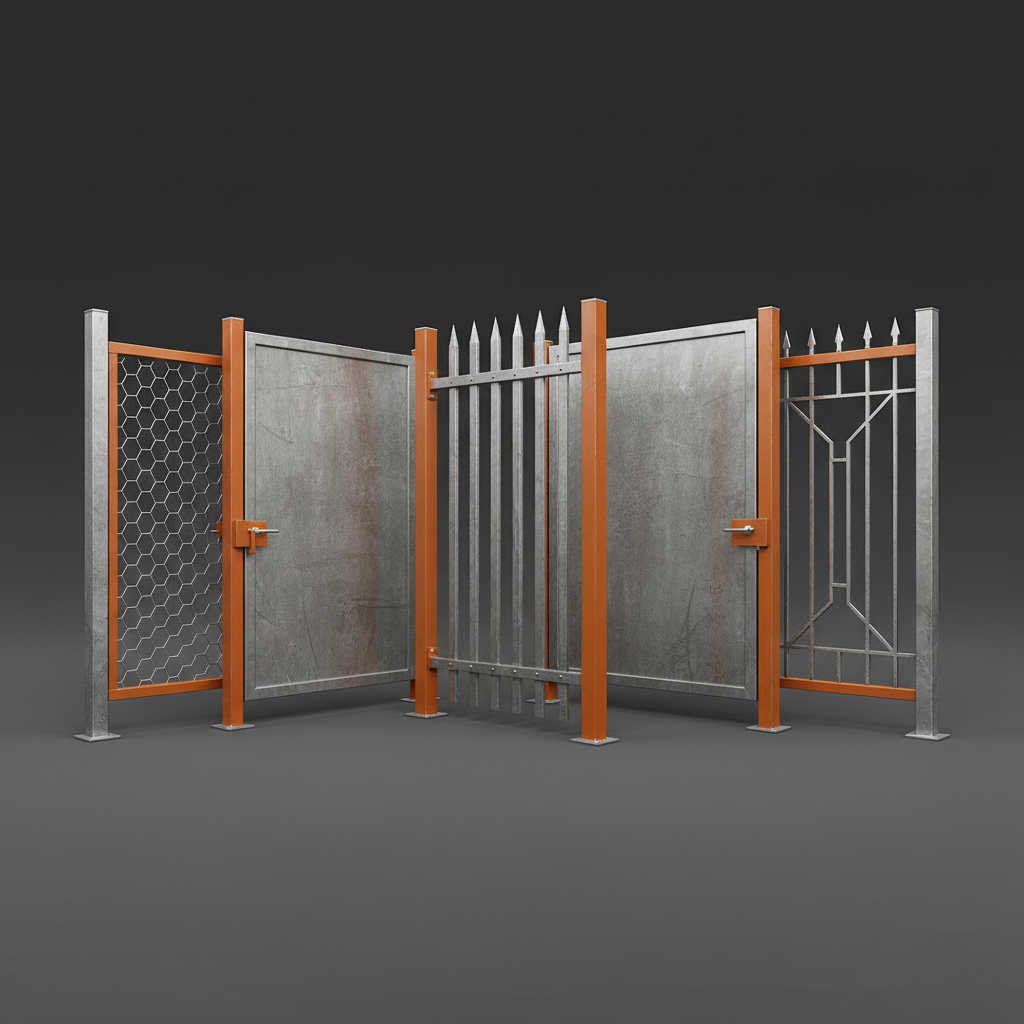
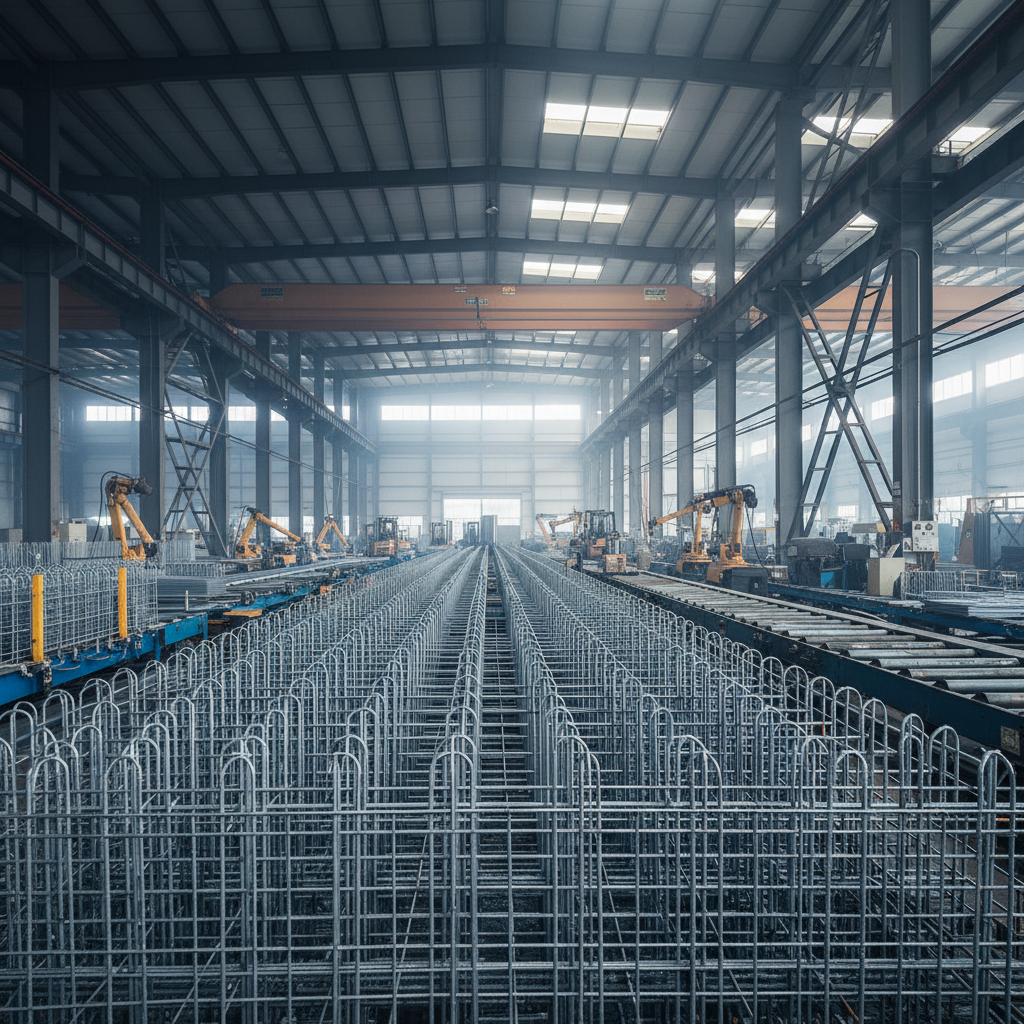
Cheap privacy fence panels refer to cost-effective screening solutions designed to block visual access and provide seclusion for residential or commercial properties. These systems typically utilize durable materials like vinyl, treated wood, or coated metal to create a solid barrier that balances affordability with functional privacy.
For many homeowners and property managers, the challenge lies in finding a solution that doesn't sacrifice longevity for a lower price point. Issues such as material rot, wind damage, and high installation labor costs often complicate the procurement process, making the choice of anchoring and panel material critical to the project's ROI.
This guide analyzes the technical specifications, material trade-offs, and installation best practices for affordable privacy fencing. By examining the role of supporting hardware and material selection, readers will be able to decide on a configuration that maximizes privacy while minimizing long-term maintenance costs.

1Understanding Budget Privacy Fencing Materials

Choosing cheap privacy fence panels requires a deep understanding of material science to avoid premature failure. Common options include PVC, galvanized steel, and pressure-treated timber. While timber is often the cheapest upfront, its susceptibility to moisture and pests often increases the total cost of ownership over a five-year period.
Metal-based privacy panels, particularly those using wire mesh or expanded metal with privacy slats, offer a higher strength-to-weight ratio. These are often preferred in commercial settings where security and privacy must coexist without the extreme weight of masonry walls.
The balance between "cheap" and "value" is found in the coating. Powder-coated or galvanized finishes extend the life of budget panels, ensuring that the initial low investment does not lead to frequent replacement costs.
2The Role of Anchoring in Fence Stability
A privacy fence is only as strong as its foundation. Budget panels often fail not because of the panel material, but because of inadequate post support. Using a metal post ground holder is a critical strategy for increasing the lifespan of timber posts by isolating them from ground moisture.
Metal anchors, such as zinc-plated ground plates, provide a stable base for patio fencing and pergolas. By lifting the post above the soil line, these anchors prevent the rot that typically destroys cheap wooden fence posts within 3 to 7 years.
For deployments on concrete bases or decking, anchor bolt systems allow for the removal and replacement of posts without damaging the underlying surface, providing flexibility for future property layout changes.
3Practical Application Scenarios
Cheap privacy fence panels are widely utilized in urban residential gardens to create secluded outdoor living spaces. In these scenarios, the primary goal is visual blocking from neighbors, making medium-height vinyl or composite panels the most frequent choice due to their low maintenance.
In agricultural or rural settings, privacy is often combined with containment. Here, a mix of chain link fencing with privacy slats or specialized wire mesh panels is used to secure livestock while preventing external visibility into sensitive areas of the farm.
Commercial applications, such as dumpster enclosures or equipment screens, prioritize durability and cost. Galvanized steel panels are the industry standard here, providing a rugged barrier that withstands heavy usage and environmental exposure.
4Performance Metrics and Durability Analysis
Evaluating the performance of affordable fencing involves analyzing the trade-off between initial cost and structural integrity. Key metrics include the tensile strength of the wire, the thickness of the zinc coating, and the resistance to UV degradation for polymer-based panels.
Data indicates that panels utilizing professional-grade galvanized coatings maintain their structural integrity significantly longer than untreated budget alternatives, especially in coastal regions where salt air accelerates oxidation.
cheap privacy fence panels Performance Metrics
The integration of dedicated ground holders improves installation speed by approximately 40% compared to traditional concrete pouring, while simultaneously increasing the post's lifespan by reducing direct soil contact.
5Procurement and Installation Best Practices
When procuring cheap privacy fence panels, buyers should focus on the "system" rather than just the panel. This includes ensuring that the posts, anchors, and fasteners are compatible. Mixing low-grade fasteners with high-grade panels often leads to premature failure at the connection points.
Installation should begin with a precise site survey. For those seeking to avoid the cost of concrete, the use of ground screw anchors or heavy-duty ground plates provides a viable alternative that remains stable under moderate wind loads.
Proper spacing of posts is essential. Over-extending the distance between supports to save on material often results in panel sagging or bowing, which compromises the privacy and aesthetic value of the installation.
6Future Trends in Affordable Screening
The industry is shifting toward hybrid materials that combine the cost of plastics with the strength of metal. Recycled polymer composites are becoming more prevalent, offering a sustainable alternative to treated wood while maintaining a "natural" look for residential privacy.
Modular design is another growing trend. Prefabricated fence sets that include all necessary hardware—from the ground anchor to the top rail—are reducing the need for skilled labor, allowing homeowners to install professional-grade privacy barriers independently.
Smart integration, such as incorporating solar lighting or integrated trellis systems into budget panels, is transforming simple privacy barriers into multi-functional garden features.
7Comparing Low-Cost Fencing Options
Selecting the right panel depends on the specific priorities of the project—whether it is absolute privacy, extreme durability, or the lowest possible installation time. The following comparison highlights the trade-offs between common affordable systems.
While treated wood remains the most traditional "cheap" option, the long-term maintenance requirements (staining and sealing) often make galvanized metal or PVC a more economical choice over a 10-year horizon.
| Material Type | Initial Cost | Durability | Maintenance |
|---|---|---|---|
| Treated Wood | Very Low | Moderate | High |
| Vinyl/PVC | Moderate | High | Very Low |
| Galvanized Steel | Low-Moderate | Very High | Low |
| Composite | Moderate | High | Low |
| Wire Mesh w/ Slats | Low | High | Moderate |
| Bamboo/Reed | Very Low | Low | High |
For those requiring a balance of cost and stability, combining galvanized steel posts with budget-friendly panels provides the most resilient structural foundation.
Frequently Asked Questions
Conclusion
Investing in cheap privacy fence panels does not have to mean compromising on quality. The key to a successful budget installation lies in the synergy between the panel material and the anchoring system. By utilizing components like zinc-plated ground holders and choosing materials based on long-term durability rather than just the initial price tag, property owners can achieve a professional, private environment.
For those evaluating suitable solutions for their specific site conditions, detailed product specifications and hardware options can be reviewed at www.hbhou.com to ensure a stable and lasting installation.