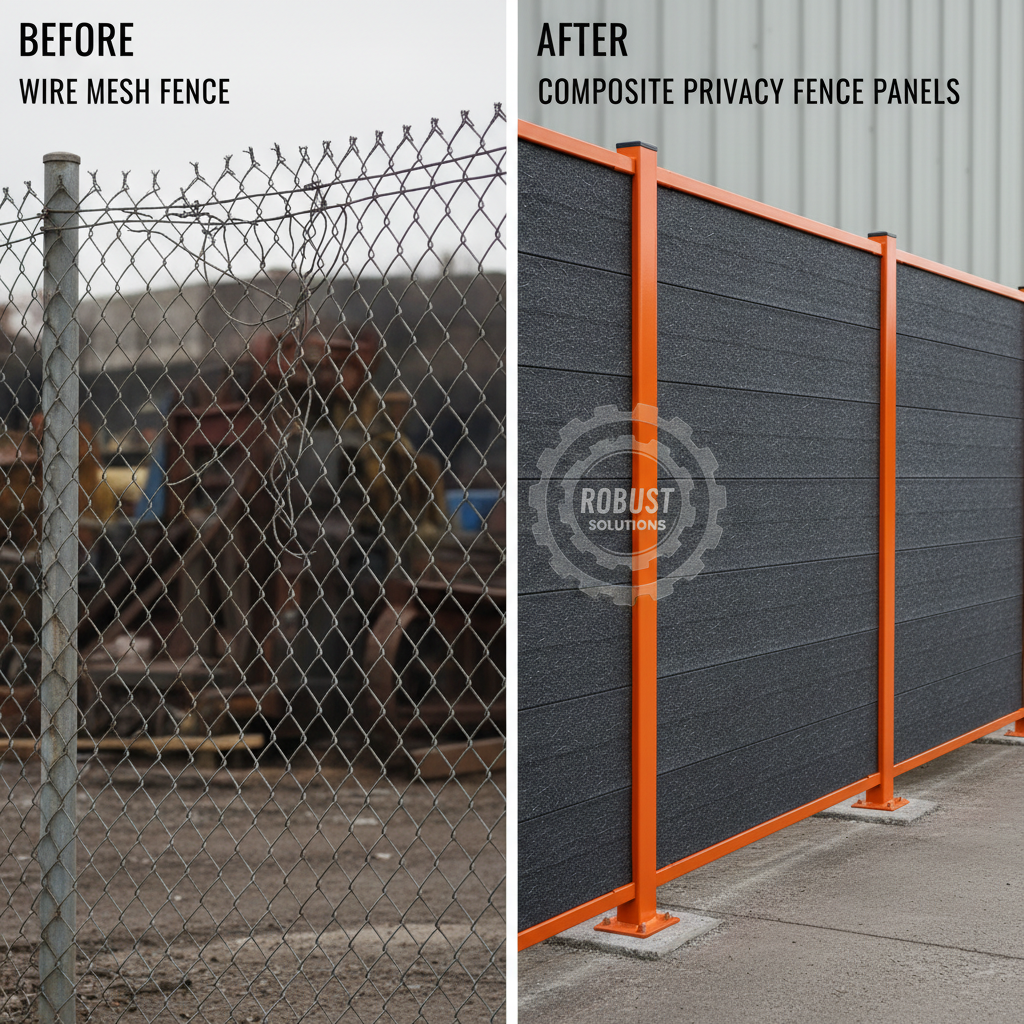
Integrating composite slatted fence panels into modern architectural design represents a significant shift toward sustainable and low-maintenance perimeter solutions. These advanced fencing systems combine the aesthetic warmth of traditional timber with the resilience of engineered polymers, effectively solving the age-old struggle between beauty and durability in outdoor environments.
Across the global construction market, the demand for high-performance materials has surged as homeowners and commercial developers seek ways to reduce long-term operational costs. By utilizing composite technology, composite slatted fence panels offer a weather-resistant alternative that eliminates the need for seasonal sanding, staining, or chemical treatments, making them an ecologically responsible choice.
Understanding the technical nuances and application versatility of these panels allows designers to create spaces that provide both privacy and ventilation. Whether used in residential gardens or high-traffic industrial zones, the adoption of these systems reflects a broader industry trend toward "smart" materials that prioritize longevity and environmental stewardship.
Global Industry Context of Composite Slatted Fence Panels
The global landscape for perimeter security and landscaping is undergoing a transformation, driven by ISO standards for environmental management and a worldwide push toward reducing deforestation. As traditional softwoods succumb to rot and pest infestation, composite slatted fence panels have emerged as a critical solution for urban planners and homeowners alike who require stability without the ecological footprint of virgin timber.
Current market data suggests a steady CAGR increase in the composite materials sector, as developed economies implement stricter regulations on chemical wood preservatives. The challenge has always been finding a material that provides the "slatted" aesthetic—allowing wind passage while maintaining privacy—without the structural degradation associated with natural wood in humid or coastal climates.
Definition and Core Meaning of Slatted Composite Systems
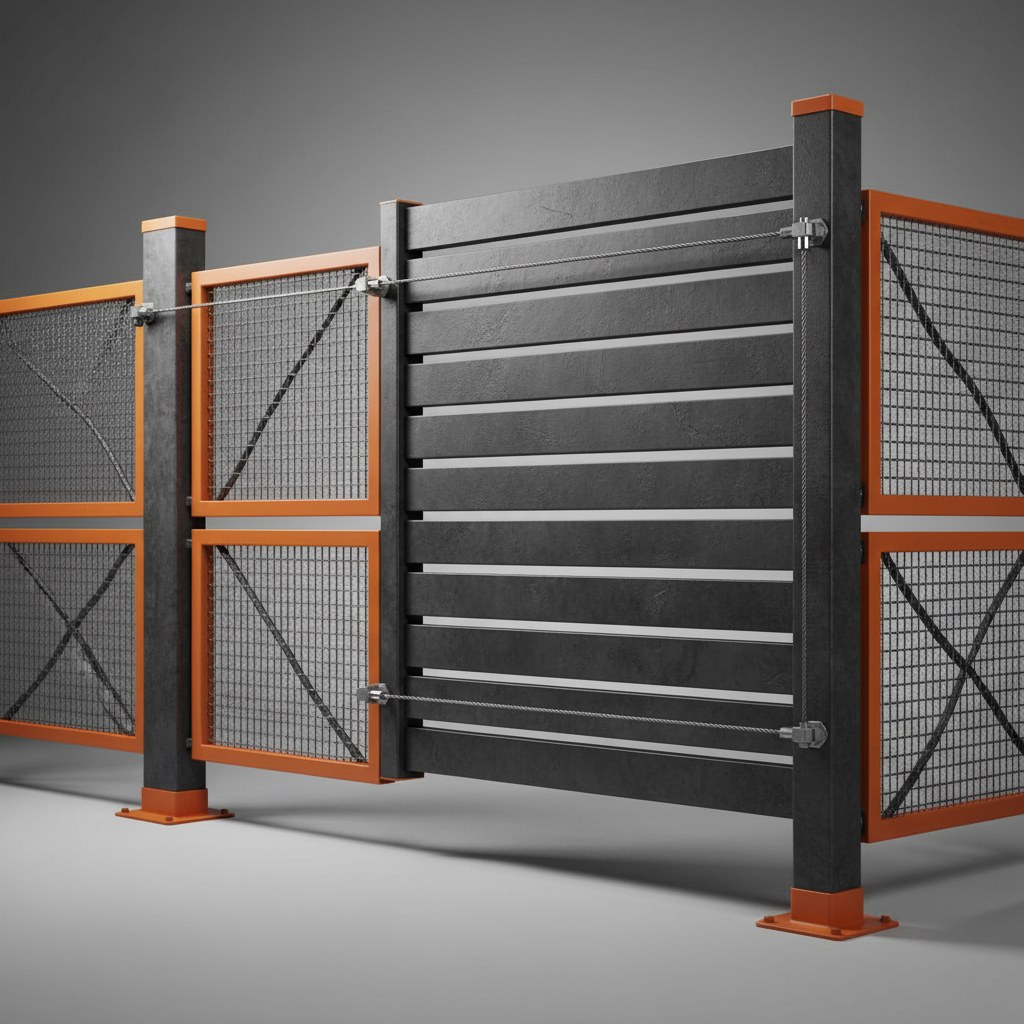
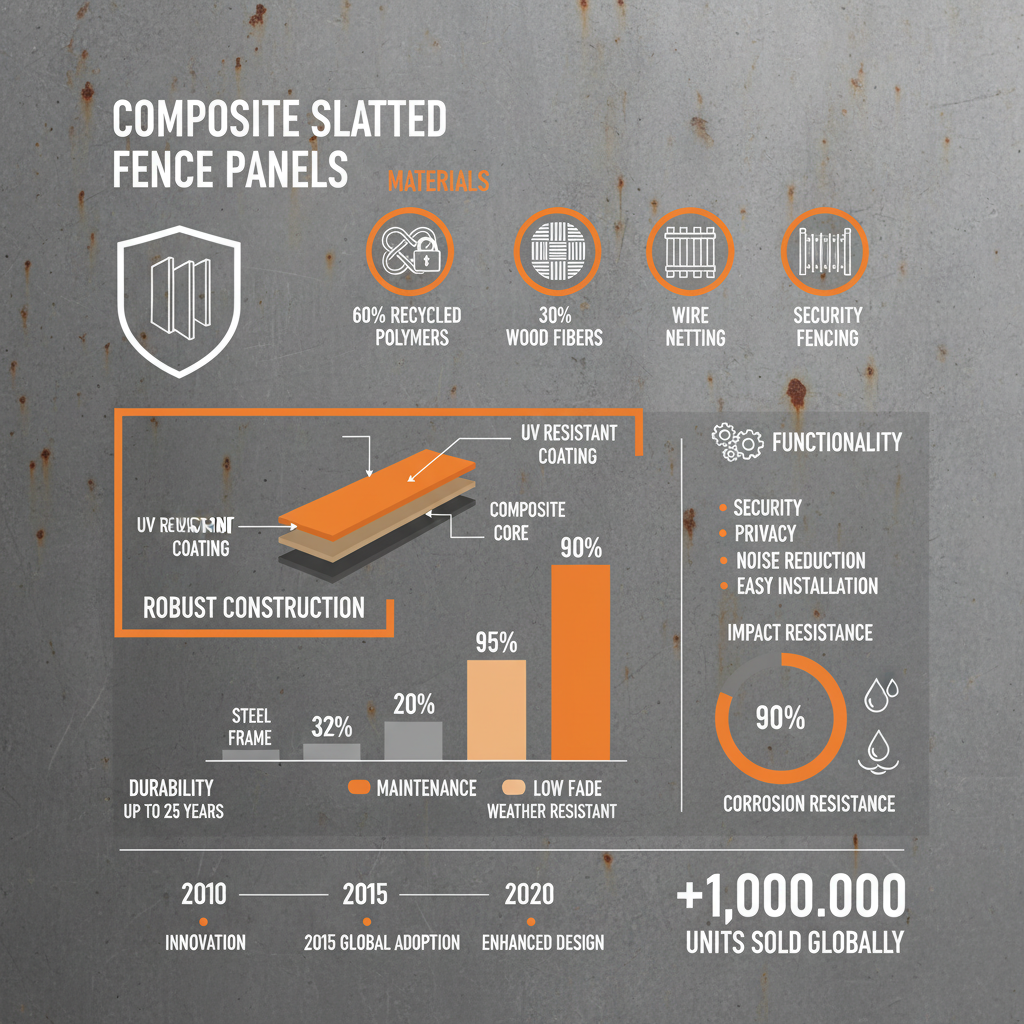
In technical terms, composite slatted fence panels are engineered products typically composed of a blend of recycled wood fibers and high-density polyethylene (HDPE) or other thermoplastics. The "slatted" design refers to the horizontal or vertical arrangement of these boards with precise gaps between them, creating a semi-permeable barrier that balances privacy with airflow.
Unlike solid walls, the slatted configuration is essential for structural integrity in wind-prone areas, as it reduces the wind load on the fence posts, preventing the entire system from leaning or collapsing during storms. This makes the product not just a decorative choice, but a strategic engineering decision for outdoor boundaries.
From a humanitarian and urban perspective, these panels contribute to "green city" initiatives. By utilizing recycled plastics that would otherwise end up in landfills, the production of these panels transforms waste into a long-term asset, aligning modern construction needs with global sustainability goals.
Key Factors Influencing Panel Performance
One of the primary determinants of quality in composite slatted fence panels is the material density and the ratio of polymer to wood fiber. A higher polymer content typically enhances moisture resistance and prevents the warping often seen in cheap alternatives.
UV stability is another critical factor; professional-grade composite slatted fence panels incorporate UV inhibitors into the composite matrix to prevent the color fading that occurs under intense sunlight, ensuring the aesthetic remains consistent for decades.
Finally, the precision of the slatted spacing affects both the privacy level and the wind permeability. Advanced manufacturing ensures that each gap is uniform, which prevents "weak spots" in the fence line and provides a clean, architectural finish that complements modern home designs.
Global Applications and Real-World Use Cases
The application of composite slatted fence panels extends far beyond simple backyard borders. In high-density urban environments like Singapore or London, these panels are frequently used for balcony screening and rooftop gardens, where weight constraints and weather exposure make traditional wood impractical.
In industrial zones, composite slats are often integrated with heavy-duty metal posts to create secure but visually appealing boundaries for corporate campuses. This hybrid approach combines the strength of steel with the modern look of composites, reducing the "prison-like" feel of standard industrial fencing.
Performance Comparison of Fencing Materials
Long-Term Value and Sustainable Advantages
The true value of composite slatted fence panels is realized over a 10-to-20-year horizon. While the initial procurement cost may be higher than untreated timber, the elimination of annual painting, sealing, and replacement of rotted boards results in a significantly lower Total Cost of Ownership (TCO).
Beyond the financial aspect, there is a profound emotional and psychological benefit to installing these systems. Homeowners experience a sense of reliability and peace of mind, knowing their property boundary is secure and aesthetically pleasing without requiring constant labor, allowing them to enjoy their outdoor spaces rather than maintain them.
Future Trends in Composite Fencing Innovation
As we move toward 2030, the evolution of composite slatted fence panels is leaning heavily into "circular economy" principles. We are seeing the introduction of bio-polymers derived from agricultural waste, which will further reduce the reliance on petroleum-based plastics.
Digital transformation is also impacting the industry through the use of BIM (Building Information Modeling), allowing architects to simulate wind loads and light penetration for slatted designs before a single panel is manufactured. This ensures optimal placement and material efficiency.
Furthermore, the integration of "smart" features—such as embedded LED lighting strips or integrated sensors for security—is turning the simple fence panel into a multi-functional home automation component, enhancing both safety and ambiance.
Overcoming Challenges in Slatted Fence Installation
Despite their advantages, some users struggle with the initial installation of composite slatted fence panels due to the material's thermal expansion. Unlike wood, composite materials expand and contract slightly with temperature changes, which can lead to buckling if not properly accounted for.
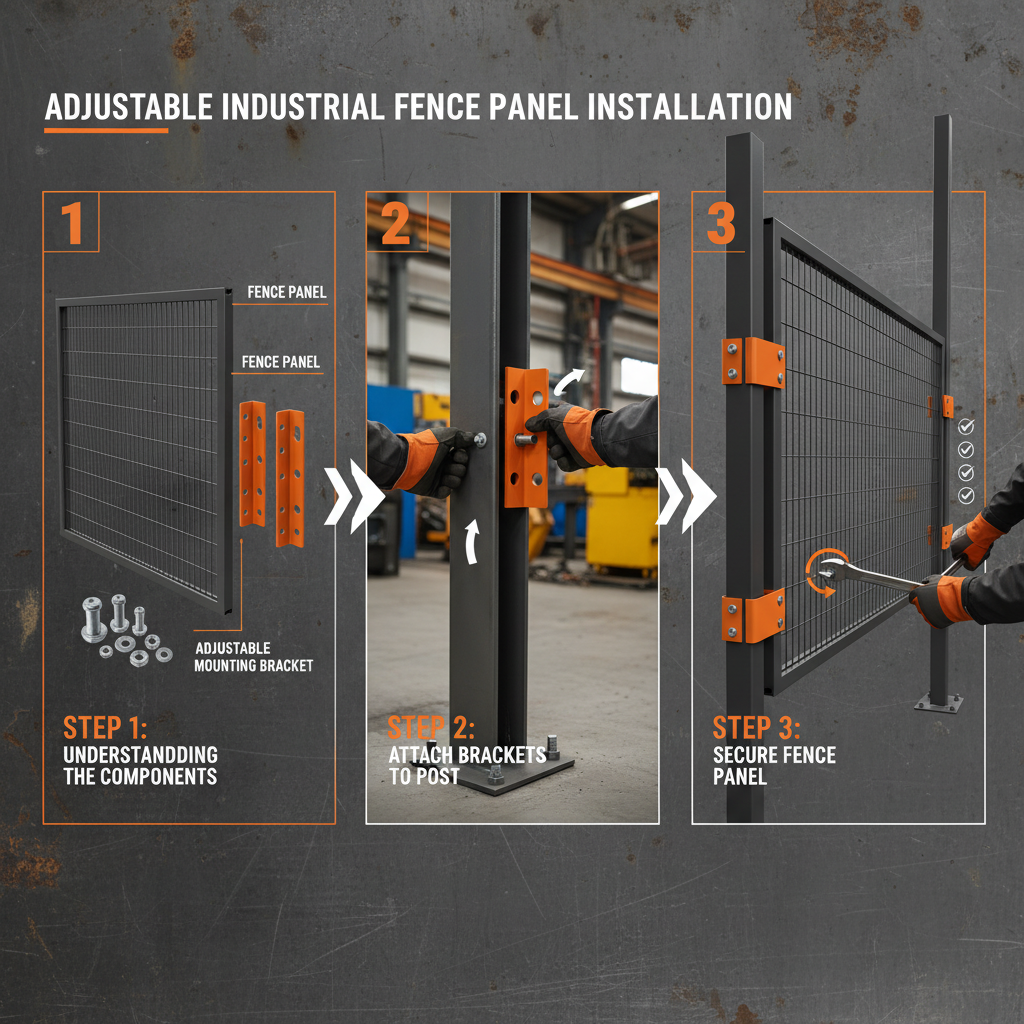
The solution lies in the use of specialized floating fasteners and oversized pilot holes, which allow the panels to "breathe" without compromising the tension of the fence. Expert installers recommend leaving a small gap at the ends of the rails to absorb this movement.
Another common challenge is the weight of the panels compared to aluminum. To overcome this, the industry has shifted toward reinforced internal cores that provide the same rigidity as solid composite but at a fraction of the weight, making transportation and installation significantly easier.
Core Technical Analysis of Slatted Fence Material Options
| Material Type |
Maintenance Level |
Lifespan (Years) |
Eco-Impact Score |
| Premium Composite |
Ultra Low |
25+ |
9/10 |
| Standard WPC |
Low |
15-20 |
7/10 |
| Pressure Treated Wood |
High |
7-12 |
4/10 |
| Cedar/Redwood |
Medium |
10-15 |
6/10 |
| Vinyl/PVC |
Low |
20+ |
3/10 |
| Aluminum Slats |
Ultra Low |
30+ |
8/10 |
FAQS
Composite slatted fence panels are engineered to resist the primary enemies of wood: moisture, insects, and UV rays. Unlike natural timber, they do not rot, warp, or splinter, and they require zero staining or painting. This results in a significantly longer lifespan and a reduction in labor costs over the life of the fence.
Yes, the level of privacy is adjustable based on the slat width and the gap size. Most designs provide a "semi-private" feel that blocks the direct line of sight from the street while still allowing air to circulate, preventing the fence from acting like a sail during high winds.
Maintenance is incredibly simple. Most composite slatted fence panels only require an occasional wash with soapy water and a soft brush to remove dust or cobwebs. There is no need for chemical sealants or sanding, which makes them ideal for busy homeowners.
Absolutely. Because composite panels are modular, they can be installed using a "stepped" method where the fence follows the contour of the land. The flexibility of the mounting hardware allows for precise leveling even on challenging terrains.
Yes, most high-quality composite panels are made from recycled HDPE plastics and reclaimed wood sawdust. By diverting these materials from landfills and reducing the demand for virgin lumber, they contribute positively to sustainable construction practices.
Composite materials have a thermal expansion coefficient, meaning they expand in heat and contract in cold. Professional installation involves using specific clips and gaps that allow for this movement, ensuring the fence remains straight and secure regardless of the season.
Conclusion
In summary, composite slatted fence panels offer an unparalleled blend of aesthetic appeal, structural resilience, and environmental responsibility. By eliminating the repetitive maintenance cycles of traditional wood and providing superior resistance to the elements, these panels represent a smart investment for any modern property.
Looking forward, the continued innovation in bio-polymers and smart-fencing integration will only further solidify the role of composites in urban architecture. We encourage developers and homeowners to move toward these sustainable alternatives to create boundaries that are as enduring as they are beautiful. Visit our website: www.hbhou.com