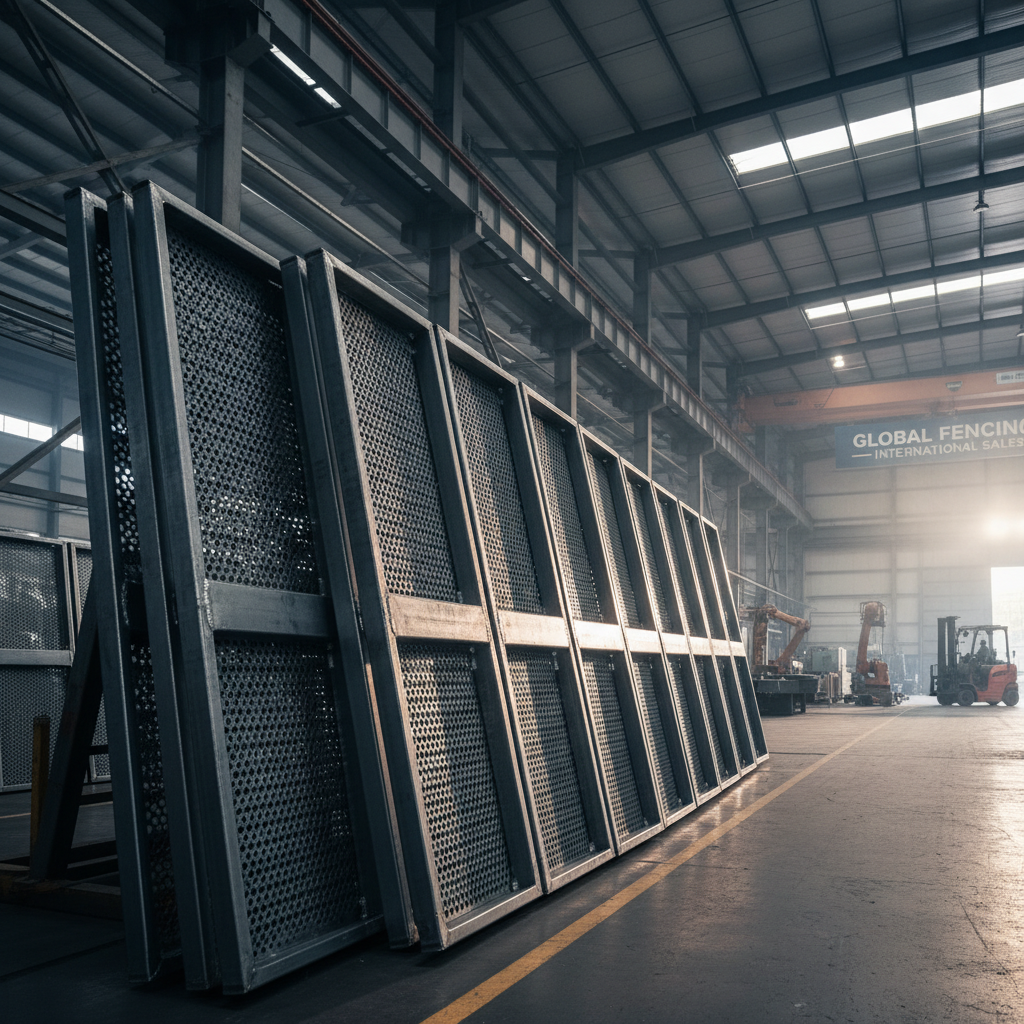
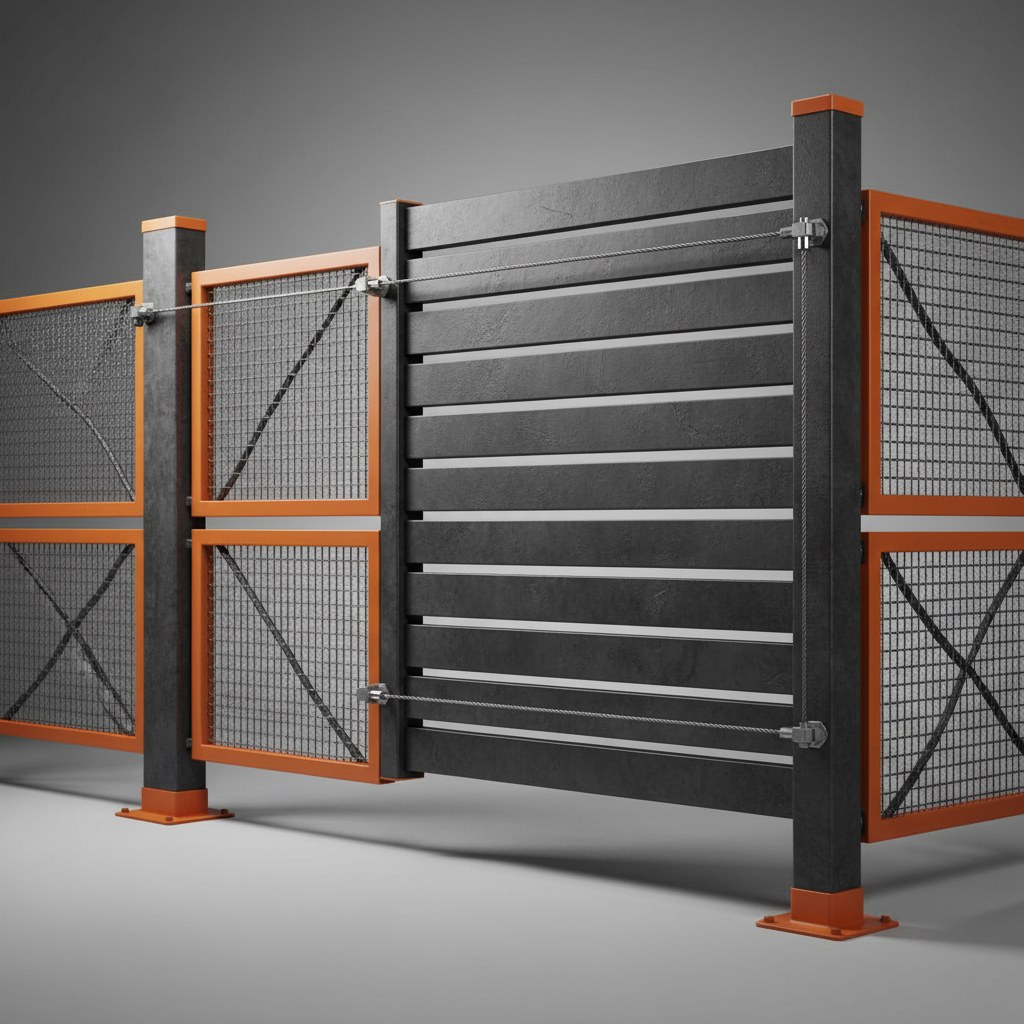
In the modern landscape of perimeter security and architectural boundary definition, continental fence panels have emerged as a gold standard for those seeking a balance between industrial strength and aesthetic versatility. These systems are not merely barriers but engineered solutions designed to withstand diverse climatic conditions while providing unwavering security for residential, commercial, and industrial assets globally.
Understanding the technical nuances of these panels is critical for developers and property managers who face the constant challenge of balancing installation costs with long-term durability. From the precision of the weld points to the chemical composition of the protective coatings, every element of a high-quality panel contributes to the overall integrity of the site's security perimeter.
As global urbanization accelerates, the demand for scalable and rapid-deployment fencing has surged. By integrating advanced metallurgy with ergonomic design, continental fence panels offer a sustainable alternative to traditional masonry walls, reducing carbon footprints during transport and installation while ensuring maximum visibility and airflow.
Global Industry Context of Continental Fence Panels
The global market for perimeter security has seen a paradigm shift toward modularity, with continental fence panels leading the charge in the transition from heavy, permanent structures to agile, high-strength steel systems. According to ISO standards for metal products, the emphasis has moved toward "Life Cycle Costing," where the initial investment is weighed against maintenance and longevity, making these panels a preferred choice for infrastructure projects across Europe and North America.
Current industrial data suggests that the integration of hot-dip galvanization and powder coating has extended the lifespan of these panels by up to 40% in coastal regions. This is particularly relevant as cities expand into salt-heavy environments, where traditional fencing would succumb to oxidation within a few years, creating a significant security risk and a recurring financial drain on municipal budgets.
Defining the Technical Standards of Continental Fence Panels
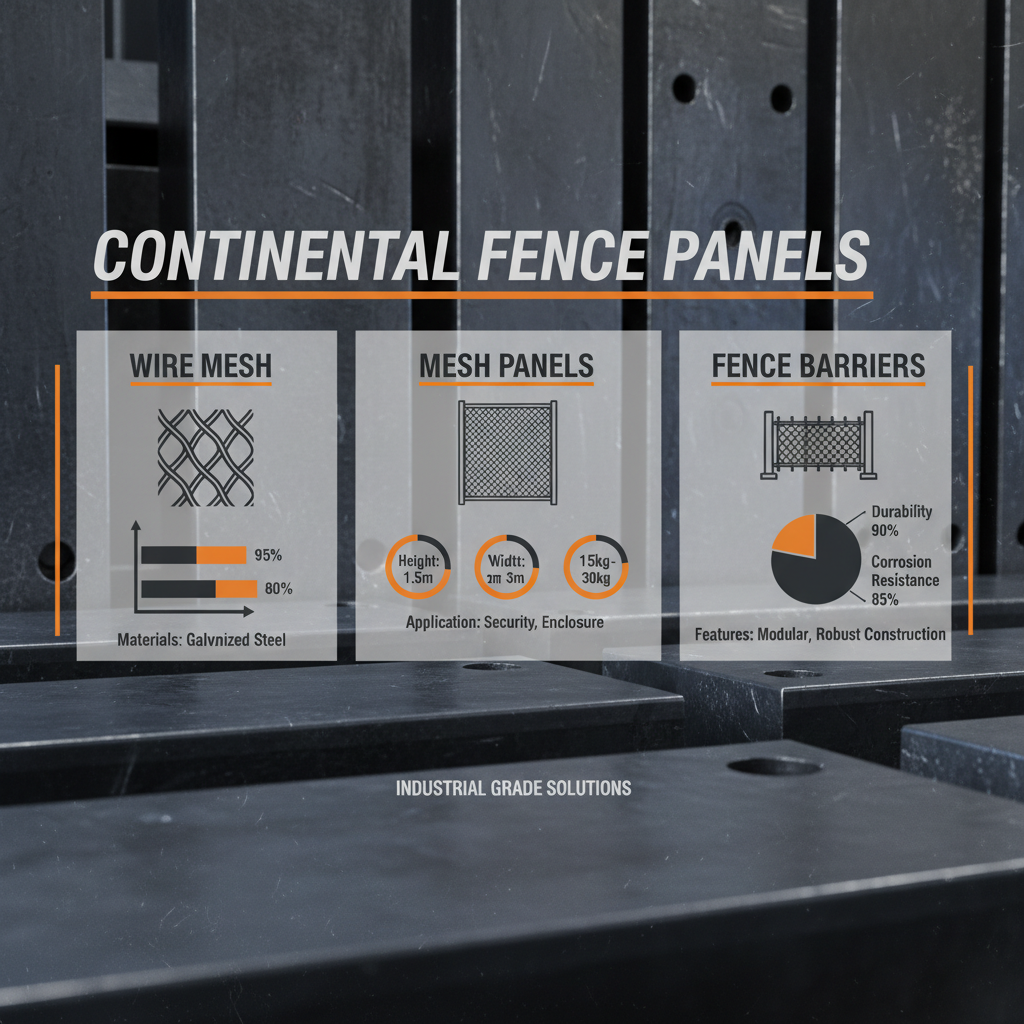
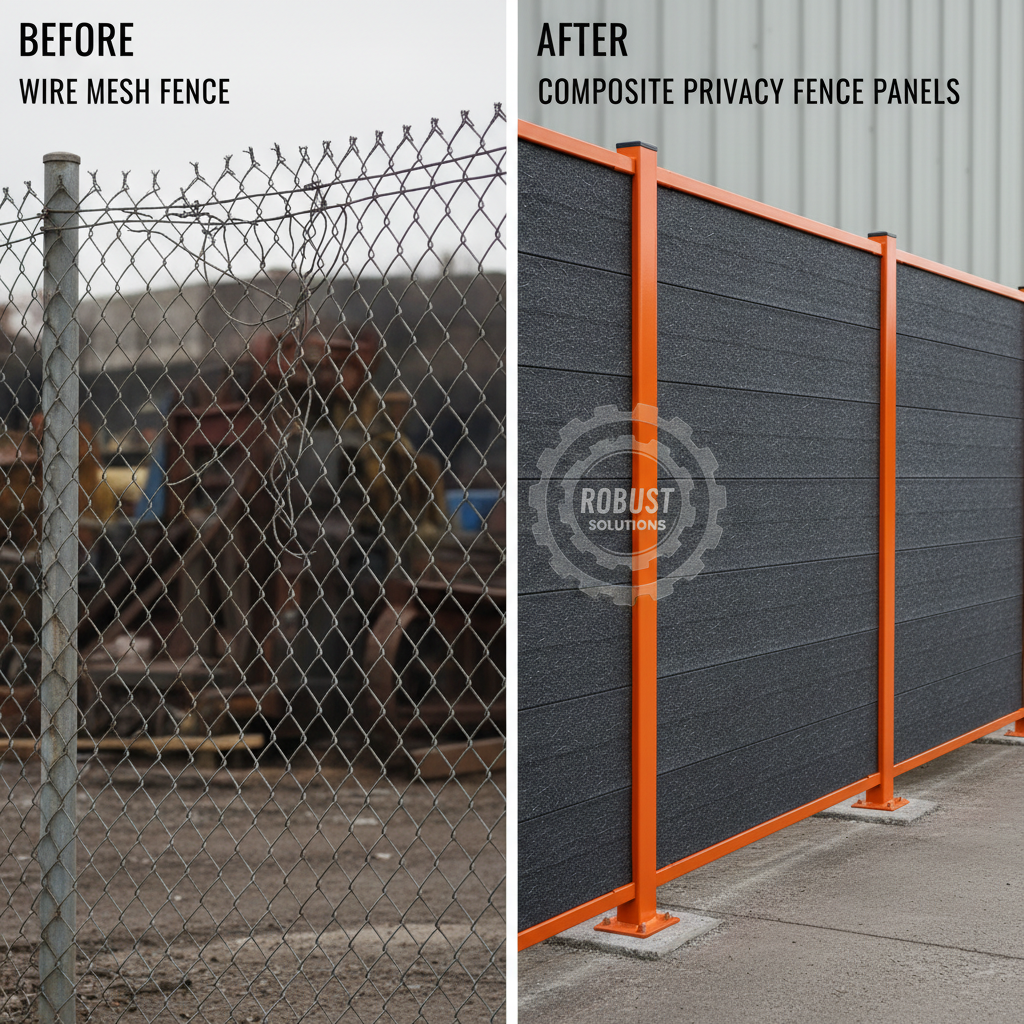
At its core, continental fence panels refer to a specialized category of welded wire mesh systems characterized by their structural rigidity and standardized dimensions. Unlike basic chain-link options, these panels utilize a "V-bend" or "3D" profile, which adds significant longitudinal strength to the panel, preventing sagging and resisting impact from external forces.
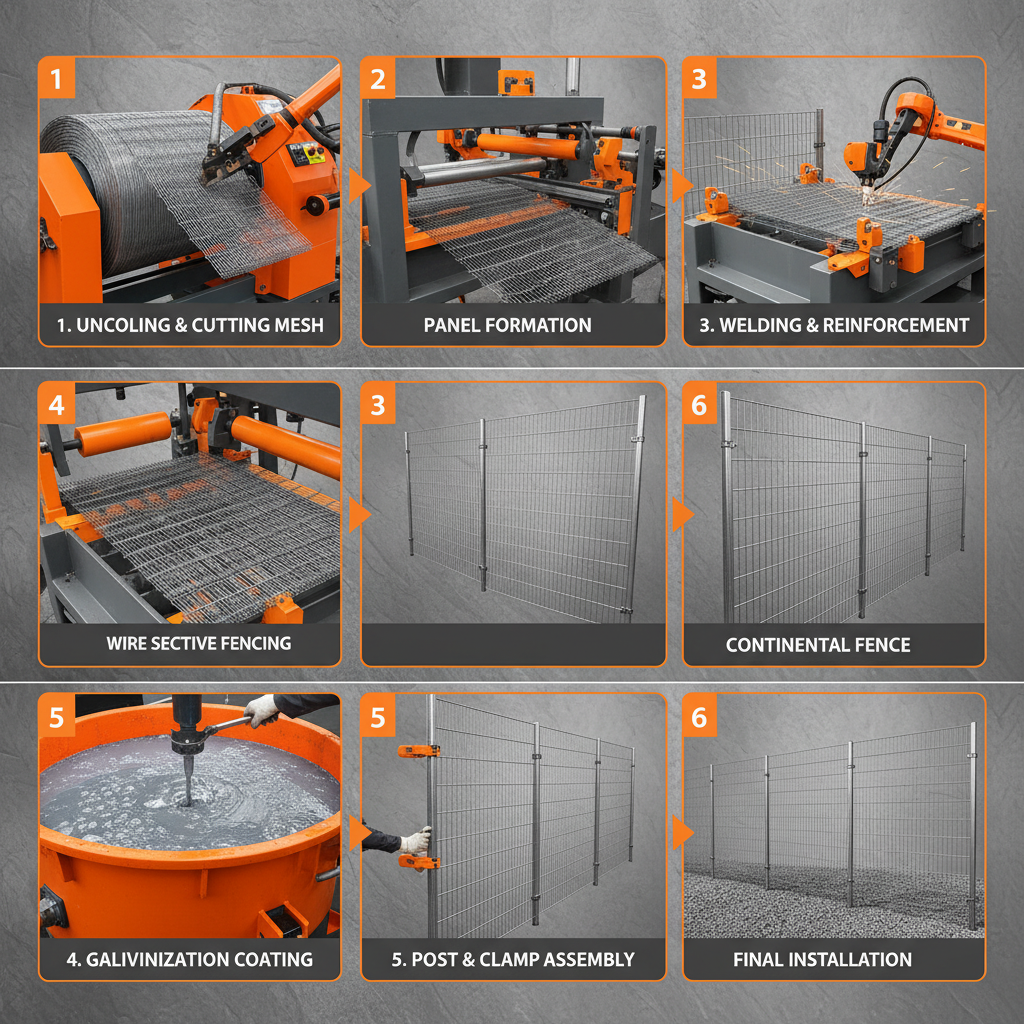
In the context of modern industry, these panels serve a humanitarian and security need by providing rapid, reliable demarcation of safe zones, industrial perimeters, and private estates. The precision of the robotic welding process ensures that every intersection is fused perfectly, eliminating weak points that could be exploited by intruders or weakened by environmental stress over time.
The connection to modern urban planning is evident in the "invisible security" trend. By utilizing slim yet strong wire gauges and neutral color palettes, these panels provide a high level of deterrence without creating a claustrophobic or "prison-like" atmosphere, aligning with the architectural goals of open, breathable urban spaces.
Core Components Driving Performance
Durability is the cornerstone of continental fence panels, achieved primarily through a multi-stage coating process. The combination of zinc-rich primers and UV-resistant polyester powders ensures that the steel core is shielded from moisture and atmospheric pollutants, making it ideal for high-pollution industrial zones.
Scalability is another critical factor; these panels are designed as modular units that can be seamlessly expanded. Whether a project requires a 10-meter residential boundary or a 10-kilometer industrial perimeter, the consistency in panel dimensions allows for rapid assembly and easy replacement of individual sections without compromising the entire line.
Cost efficiency is realized not just in the purchase price, but in the reduction of labor hours. The use of specialized clamps and anchor points means that continental fence panels can be installed by small teams with minimal heavy machinery, drastically lowering the overhead costs of large-scale security deployments.
Global Applications and Use Case Analysis
In real-world contexts, continental fence panels are deployed in diverse environments ranging from high-security data centers to public parks. In the European Union, these panels are frequently used for municipal boundaries where they provide a clear legal demarcation while allowing light to pass through, maintaining the visual continuity of the landscape.
In remote industrial zones, such as mining sites in Australia or oil fields in the Middle East, the resilience of these panels against extreme temperature fluctuations is invaluable. Their ability to be shipped in flat-packs and assembled on-site makes them the only viable option for regions where transporting pre-built walls is logistically impossible.
Performance Comparison of Continental Fence Panels Variants
Long-Term Value and Economic Advantages
The tangible benefits of investing in continental fence panels extend far beyond immediate security. From a sustainability perspective, the use of recyclable steel and low-VOC powder coatings aligns with global green building certifications (such as LEED), adding value to commercial real estate portfolios.
Logically, the reliability of these systems translates to a reduction in insurance premiums for industrial sites. By demonstrating a commitment to high-standard perimeter security, companies can lower their risk profiles, while emotionally, the clean lines and professional appearance of the panels foster a sense of trust and stability for clients and employees entering the premises.
Future Trends in Fencing Innovation
The future of continental fence panels is inextricably linked to the digital transformation of security. We are seeing the integration of "Smart Fencing" technologies, where sensors are embedded directly into the panel mesh to detect vibrations or cutting attempts, triggering real-time alerts to security hubs.
Material science is also evolving, with the introduction of graphene-enhanced coatings that provide near-total immunity to corrosion. This innovation will allow these panels to be used in the most aggressive marine environments, effectively eliminating the need for replacement for several decades.
Furthermore, automation in the manufacturing process—utilizing AI-driven quality control—ensures that every single weld point on every panel meets a zero-defect standard. This shift toward "Industry 4.0" ensures that the scalability of these systems is matched by an unprecedented level of precision and reliability.
Overcoming Implementation Challenges
Despite their advantages, the implementation of continental fence panels can face challenges, particularly regarding soil instability in undulating terrains. Traditional rigid installation can lead to gaps at the base of the panels, which compromises security. Expert insights suggest the use of adjustable anchor plates and stepped-installation techniques to maintain a seamless barrier.
Another common limitation is the potential for "wind-loading" in extreme storm zones. To overcome this, engineers recommend the integration of reinforced support posts and higher-gauge wire diameters in panels exposed to high-velocity winds, ensuring that the structure remains upright under extreme pressure.
Finally, the challenge of aesthetic integration in historic districts can be solved through customized powder coating. By matching the panel color to the surrounding stone or heritage architecture, continental fence panels can provide modern security without disrupting the visual history of a location.
Technical Specifications and Comparison of Continental Fence Panel Configurations
| Panel Variant |
Wire Gauge (mm) |
Coating Type |
Impact Resistance |
| Eco-Garden Series |
3.5mm - 4.0mm |
PVC Plastic |
Moderate |
| Industrial Guard |
5.0mm - 6.0mm |
Hot-Dip Galv |
High |
| Commercial Prime |
4.0mm - 5.0mm |
Powder Coated |
Moderate-High |
| High-Security Wall |
6.0mm+ |
Dual-Layer Zinc |
Extreme |
| Residential Deco |
3.0mm - 4.0mm |
Electrostatic |
Low-Moderate |
| Coastal Shield |
4.5mm - 5.5mm |
Marine Grade |
High |
FAQS
Unlike chain-link fencing, which can sag and be easily pushed or cut, continental fence panels are made from rigid, welded steel. The 3D V-bend design provides superior structural integrity, making them much harder to climb or deform. Additionally, they offer a cleaner, more professional aesthetic and typically have better corrosion resistance due to advanced powder coating processes.
When treated with hot-dip galvanization and a high-quality powder coat, continental fence panels can last between 20 to 30 years even in humid or coastal areas. The zinc layer prevents rust from penetrating the steel core, while the outer coating protects against UV degradation and salt spray. Regular inspections are recommended to ensure the coating remains intact.
Yes, these systems are highly customizable. Manufacturers can produce panels in various heights (typically from 1.2m to 2.4m) and wire gauges depending on the security level required. Colors can be matched to any RAL standard, allowing the fence to blend into the environment or match a company's corporate branding.
While they are rigid, they are not difficult to install on uneven terrain if the correct accessories are used. By utilizing adjustable clamps and stepped post installation, the panels can follow the contour of the land. This ensures that there are no gaps at the bottom, maintaining the security of the perimeter.
The most cost-effective approach is preventative maintenance. Checking for any physical damage to the powder coating and touching up scratches with matching paint prevents localized oxidation. Because the system is modular, replacing a single damaged panel is far cheaper than repairing a traditional wall or re-tensioning an entire chain-link run.
High-quality panels are manufactured to meet or exceed ISO and ASTM standards for welded wire mesh. Depending on the gauge and coating, they can be rated for different security levels, from basic boundary marking to high-deterrence industrial security, ensuring they meet the legal and safety requirements of most global jurisdictions.
Conclusion
In summary, continental fence panels represent a sophisticated intersection of metallurgical engineering and practical security design. By prioritizing modularity, durability, and aesthetic flexibility, they address the complex needs of modern infrastructure—from protecting high-value industrial assets to defining elegant residential boundaries. Their ability to withstand harsh environments while reducing long-term maintenance costs makes them a logically sound investment for any property owner.
Looking forward, the evolution of "smart" integrations and sustainable coatings will only further solidify the role of these panels in the global security market. For those seeking a reliable, scalable, and professional perimeter solution, transitioning to these engineered systems is a strategic move toward future-proofing your security. Visit our website for more information: www.hbhou.com