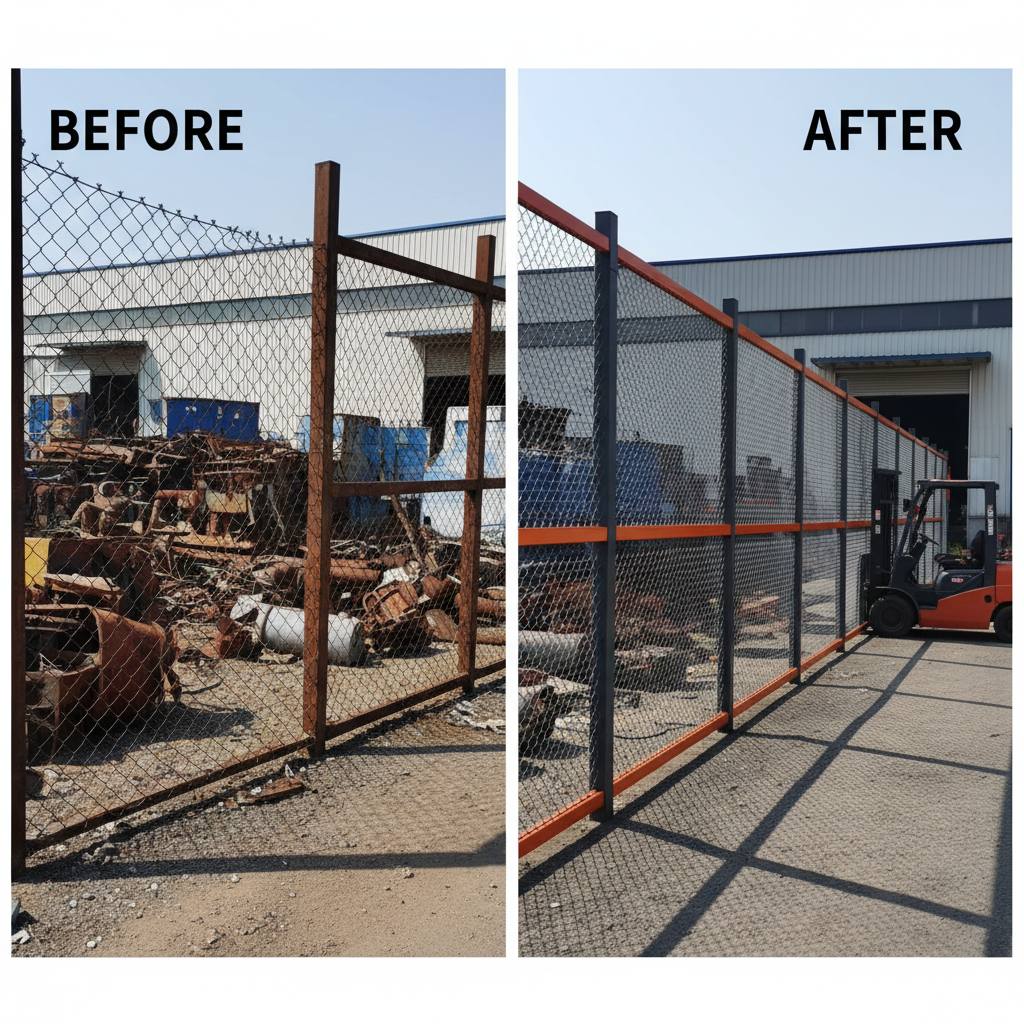
When evaluating the budget for a perimeter security project, understanding the variables that drive fence panel prices is critical for achieving a balance between initial expenditure and long-term durability. For many procurement managers and homeowners, the challenge lies in distinguishing between a low-cost temporary fix and a high-value investment that resists corrosion and structural fatigue. The pricing of these systems is rarely static, as it fluctuates based on raw material indices, specific coating technologies, and the geometric complexity of the panel design.
The relationship between cost and performance becomes evident when comparing standard wire mesh to specialized options like the 3D Fence Panel or Euro Fence systems. These products integrate structural reinforcements—such as the V-shaped bends found in 3D panels—which increase the rigidity of the steel wire without necessarily increasing the total weight of the material. Consequently, the value proposition shifts from the price per panel to the total lifecycle cost, encompassing installation efficiency and the frequency of required maintenance or replacement.
Navigating these market dynamics requires a technical understanding of how material grades and finishes influence the final quote. By analyzing the core drivers of fence panel prices, buyers can make informed decisions that align with their specific environmental challenges and security requirements. This guide breaks down the technical and economic factors that determine the cost of professional metal fencing and provides a framework for optimizing procurement strategies.


At its core, a professional metal fence panel is a precision-engineered assembly of high-quality steel wire. The structural integrity depends on the wire diameter and the welding strength at each intersection. In the case of 3D panels, the inclusion of horizontal folds creates a reinforced profile that prevents sagging and resists impact, a technical detail that distinguishes industrial-grade fencing from basic garden mesh. These components are then integrated with Fence Posts and various Fittings & Accessories to create a rigid perimeter.
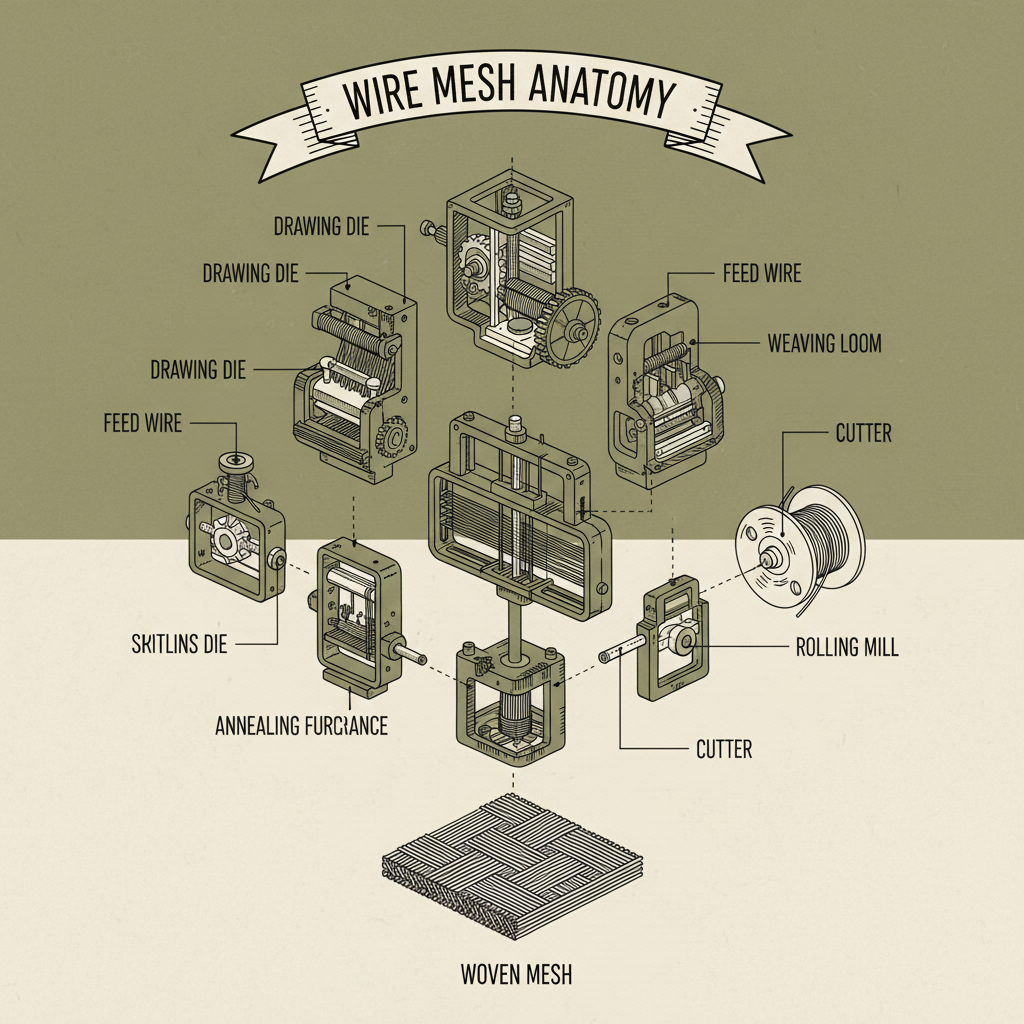
The manufacturing process involves wire drawing and galvanizing, followed by automated welding and coating. The precision of these steps ensures that panels are uniform in size, which is essential for reducing installation labor costs. When these panels are paired with specific anchors, such as the Concrete Post Anchor or Ground Screw, the overall stability of the system is significantly enhanced, ensuring the fence remains plumb under wind loads or physical pressure.
The cost of metal fencing is primarily dictated by the raw material grade and the thickness of the steel wire used. High-tensile steel offers superior strength-to-weight ratios, allowing for fewer supports over longer spans, which can offset the higher material cost per linear meter. Additionally, the complexity of the panel's geometry—such as the transition from a flat mesh to a 3D or Euro Fence profile—requires specialized tooling and increased processing time, which is reflected in the unit price.
The choice of finish is the most significant variable in price volatility; while a simple polished finish is cheapest, powder-coated or galvanized layers provide the essential barrier against oxidation, drastically extending the service life in humid or saline environments.
Furthermore, order volume and customization play a role in the final quote. Standard sizes, like the Euro Fence Panel 864, benefit from economies of scale. In contrast, bespoke dimensions or custom colors require separate production runs, increasing the overhead. Logistics also contribute to the final cost, where the weight of the steel and the packaging efficiency determine the shipping expense per unit.
Selecting the right surface treatment is not just about aesthetics; it is a strategic decision based on the environment where the fence will be installed. Galvanized coatings create a sacrificial zinc layer that protects the underlying steel from rust, while powder coating provides a durable, colorful shield that is resistant to chipping and ultraviolet degradation. In coastal areas or industrial zones with high acidity, these treatments are non-negotiable for maintaining structural safety.
Investing in a high-grade galvanized or powder-coated finish reduces the total cost of ownership by eliminating the need for frequent repainting and preventing premature structural failure due to corrosion.
For specialized applications, such as those requiring high visibility or specific branding, custom-painted finishes are utilized. The value of these finishes is realized through the extended lifecycle of the product. A panel with a high-quality coating can last decades longer than untreated steel, transforming a seemingly higher initial cost into a long-term saving by reducing the replacement cycle.
Different fencing materials provide varying levels of security and longevity. For instance, Chain Link Fence sets offer flexibility and are cost-effective for large agricultural boundaries, whereas 3D Fence Panels provide a higher level of rigidity and aesthetic appeal for residential and commercial properties. The difference in performance is often measured by the impact resistance and the tension retention of the wire over time.
When comparing these options, it is essential to look at the "Strength per Unit Cost" ratio. While expanded metal mesh might be more expensive, its structural rigidity allows for a reduction in the number of supporting posts required, potentially lowering the total project cost. The following data illustrates the relative durability and cost efficiency of common metal fencing types used in modern infrastructure.
The application of a fence determines the required specification. For residential gardens, a combination of a 3D Panel Garden Gate and Border Fencing provides a balance of security and visual appeal. In contrast, agricultural needs are better met by Grassland Fences or Field Fence Sets, which prioritize cost-effectiveness over a large area and are designed to contain livestock without compromising the landscape.
Industrial sites often require high-security barriers like Double Wire Panels or Euro Fence systems, which are designed to deter intruders and withstand physical attempts at breaching. In these scenarios, the integration of Concrete Post Anchors ensures that the fence cannot be easily lifted or pushed over. By matching the product type to the specific risk profile of the site, operators can optimize their spending without sacrificing security.
The metal fencing industry is shifting toward more sustainable manufacturing processes. This includes the use of recycled steel and the adoption of VOC-free powder coatings to reduce the environmental impact of production. As regulatory requirements for green building materials increase, manufacturers are focusing on the "circularity" of their products, ensuring that metal panels can be easily dismantled and recycled at the end of their service life.
Another trend is the integration of "Smart Fencing" components, where electric fence posts or sensors are embedded into the standard panel structure. While this increases the initial cost, it provides real-time monitoring and higher security levels for high-value assets. The trend is moving away from passive barriers toward active security systems that offer better data and control.
Moreover, there is a growing demand for "ECO" product lines, such as the ECO Garden Gate, which use optimized material distributions to reduce steel consumption without losing strength. This approach not only lowers the carbon footprint of the product but also helps in reducing the overall cost for the end-user by minimizing waste during the fabrication process.
One of the primary challenges in procuring metal fencing is the mismatch between specified requirements and the actual environmental conditions. For example, using a polished finish in a high-humidity area leads to rapid oxidation and structural failure. The solution is to conduct a site-specific corrosion audit and select the appropriate coating (galvanized vs. powder-coated) based on the ISO atmospheric corrosivity categories.
Another common issue is the instability of the fence line due to poor anchoring. Many buyers overlook the importance of the anchor system, focusing only on the panels. Utilizing Ground Anchor Screws or high-grade Concrete Post Anchors provides a stable foundation that prevents the fence from leaning, which is especially critical in sandy or soft soil conditions.
Lastly, logistical delays and shipping damage can inflate the total project cost. To mitigate this, it is recommended to source from integrated group companies that manage the entire chain from wire drawing to final export. This reduces the number of intermediaries and ensures a more consistent quality control process across all components, from the panels to the smallest fitting.
| Environment | Recommended Finish | Suggested Panel | Anchor Type |
|---|---|---|---|
| Residential Garden | Powder Coated | 3D Fence Panel | Ground Screw |
| Coastal / Saline | Hot-Dip Galv. | Euro Fence | Concrete Anchor |
| Industrial Zone | Powder Coated | Double Wire Panel | Concrete Anchor |
| Agricultural Field | Galvanized | Grassland Fence | Earth Anchor |
| Public Parks | Powder Coated | 3D Panel Gate | Ground Plate |
| High Security | Hot-Dip Galv. | Double Wire Panel | Concrete Anchor |
The primary drivers are the grade and thickness of the steel wire, the type of surface finish (such as galvanization or powder coating), and the geometric design of the panel. 3D and Double Wire panels generally cost more than flat mesh due to the additional forming processes. Additionally, the total order volume and the complexity of any custom dimensions will impact the final unit price.
Hot-dip galvanization is the most recommended finish for coastal environments. It provides a thick, durable layer of zinc that protects the steel from the highly corrosive salt air. For additional protection and aesthetic appeal, a powder-coated layer can be applied over the galvanization (duplex system), which offers the highest level of corrosion resistance available for metal fencing.
The choice depends on your priority: security and aesthetics versus cost and flexibility. 3D Fence Panels are rigid, visually modern, and more difficult to climb, making them ideal for residential and commercial boundaries. Chain Link Fencing is more affordable for very large perimeters, such as farms or sports fields, and is easier to install on uneven terrain.
Ground screws are superior for rapid installation and environmentally sensitive areas as they avoid the use of wet concrete. They provide excellent stability in most soil types and can be removed without leaving permanent damage. Concrete anchors, however, are generally preferred for heavy-duty industrial fences where maximum lateral resistance is required against high-impact forces.
Yes, most professional manufacturers allow customization of colors through powder coating and dimensions through adjusted welding patterns. While standard sizes like the Euro Fence Panel 864 are more cost-effective, custom sizes can be produced to fit specific site constraints. It is recommended to negotiate these specifications during the quoting stage to ensure technical feasibility.
A high-quality powder-coated fence can last between 15 to 25 years depending on the environmental exposure and the quality of the underlying steel. If the powder coating is applied over a galvanized base, the lifespan is significantly extended because the zinc layer prevents rust from spreading even if the top coat is scratched. Regular inspections and minor touch-ups can further extend this life.
Optimizing the cost of a fencing project requires a shift in perspective from looking solely at the initial fence panel prices to analyzing the total lifecycle value. By understanding the interplay between material grade, anti-corrosion finishes, and anchoring systems, buyers can avoid the hidden costs of premature failure and frequent maintenance. The key to a successful installation lies in matching the technical specifications of the product—whether it be a 3D Panel or a Double Wire system—to the specific environmental and security demands of the site.
For those seeking reliable, high-performance metal fencing solutions, partnering with a manufacturer that controls the entire production process is the most effective way to ensure quality and price stability. We invite you to explore the full range of professional fencing and gardening hardware at www.hbhou.com, where technical expertise meets industrial-scale production to help you secure your perimeter efficiently and sustainably.