Understanding the Average Cost of Chain Link Fence per Foot
When it comes to securing properties—whether residential, commercial, or even humanitarian zones—the cost of materials always affects planning and budgeting. The average cost of chain link fence per foot might seem like a simple metric, but diving a bit deeper reveals why it matters on a global scale. Not only does this average guide homeowners and contractors, but it also impacts industries and organizations involved in infrastructure, disaster relief, and urban development worldwide. So how does this straightforward cost figure come into play in such diverse contexts? And why should you care?
Introduction: Global and Industry Context
Chain link fences might not be glamorous, but they’re everywhere—from bustling cities to remote industrial zones. According to data from the World Bank and ISO standards concerning construction materials, fencing remains a highly requested security product. The global fencing market is expected to grow significantly in the coming years, driven by increasing urbanization and the rising need for cost-efficient security solutions.
Here’s the challenge though: budgets vary wildly between regions and sectors. For example, NGO teams working in refugee camps need fencing solutions that are cost-effective and fast to deploy, while large corporations may prioritize durability or aesthetics. Understanding the average cost of chain link fence per foot helps bridge these diverse needs and expectations.
Defining the Average Cost of Chain Link Fence per Foot
Simply put, the average cost of chain link fence per foot refers to the typical price to install one linear foot of chain link fencing, including materials and labor. This figure is influenced by fence height, gauge of the wire, coating types (galvanized or vinyl-coated), and installation complexity.
In industrial or humanitarian setups, this cost metric helps decision-makers forecast expenses accurately. For instance, setting up a perimeter fence around a warehouse or temporary shelter requires estimating how much fencing and post material is necessary. Using an average cost makes comparing options easier.
Key Factors Influencing the Average Cost
1. Durability
The lifespan of a chain link fence directly impacts the average cost. Higher-grade materials like galvanized steel resist rust better, slightly increasing upfront cost but reducing long-term maintenance.
2. Height and Gauge
Taller fences with thicker wire gauges cost more, naturally. For high-security contexts, this is essential. But many residential uses require something less robust, keeping costs down.
3. Coating and Finishing
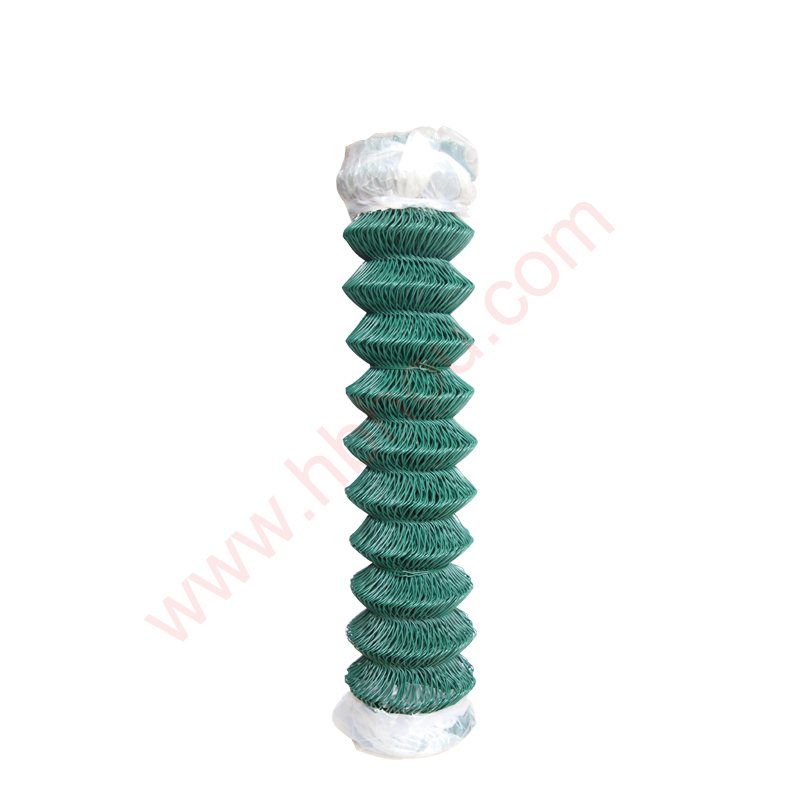
Vinyl-coated fences may add 15-30% more to the cost but offer aesthetics and extra protection, balancing function and form.
4. Installation Complexity
Terrain matters. Flat, clear land is cheaper to fence than rocky or sloped areas where extra labor and materials for posts and leveling come into play.
5. Labor Costs
Labor rates vary regionally, often making up 40-50% of the total cost per foot. Fast deployment teams value simplicity and repeatability to keep costs manageable.
6. Length of Fence Required
Bulk installations sometimes reduce cost per foot due to economies of scale, but short, customized runs can spike costs.
Chain Link Fence Specifications – Typical Values
| Specification | Typical Value |
|---|---|
| Wire Gauge | 9 - 11 Gauge |
| Fence Height | 4 to 8 feet |
| Coating | Galvanized or Vinyl-coated |
| Post Material | Steel or Aluminum |
| Average Cost per Foot | $7 - $15 (varies by region) |
Global Applications & Use Cases
Chain link fencing truly has a fascinating range of real-world uses. For example, in post-disaster relief camps across Southeast Asia, NGOs erect chain link fences quickly to secure boundaries without breaking the budget. Similarly, in industrial zones of Europe or North America, the cost per foot guides large-scale fencing projects around factories and storage facilities.
Oddly enough, even wildlife conservation efforts find value here—using fencing to limit human-wildlife conflict by creating protective perimeters that are sustainable and affordable.
Some prominent use cases include:
- Temporary fencing for construction sites
- Permanent fences around schools and recreational parks
- Security fencing in remote mining operations
- Perimeter control in border management facilities
Vendor Comparison: Chain Link Fence Providers
| Vendor | Cost/Ft | Material Quality | Lead Time | Warranty |
|---|---|---|---|---|
| SecureFence Co. | $8.50 | Galvanized Steel | 2 weeks | 10 years |
| Fence Solutions Ltd. | $7.25 | Vinyl-coated | 3 weeks | 5 years |
| Global Fence Supply | $9.00 | Galvanized & Vinyl | 1 week | 7 years |
Advantages and Long-Term Value of Chain Link Fencing
Chain link fencing offers tangible benefits—both financial and social—that make the average cost per foot worthwhile. It’s durable and low maintenance, meaning that an upfront investment often results in decades of protective service.
On the emotional front, chain link fences instill a feeling of safety and order without overbearing barriers. People trust these fences around schools or community centers because they feel open but secure.
Socially, cost-effective fencing enables safe boundaries that protect public spaces while preserving access and visibility. This balance supports innovation in urban planning and humanitarian work.
Future Trends & Innovations
In real terms, the future of chain link fencing is tied to sustainability and smart technologies. There’s a movement toward galvanized wires manufactured with greener processes—reducing carbon footprint during production.
Also, digital integration with smart sensors embedded in fences is emerging in security districts, enabling remote monitoring without escalating costs much. Automation for fast deployment fences in disaster zones could soon cut both labor costs and deployment time.
Common Challenges and Industry Solutions
Of course, chain link fences don’t come without issues. Corrosion in humid climates and vandalism are common concerns. Additionally, in places with extreme weather, standard fencing may not hold up well.
Yet, solutions do exist: better coatings, enhanced post designs, and even modular fencing panels help counter these problems. Many engineers suggest routine inspections combined with local material adaptations to maximize lifespan and control costs.
FAQ: Frequently Asked Questions About Average Cost of Chain Link Fence per Foot
- 1. What factors cause the price of chain link fence per foot to vary so much?
- Factors include wire gauge, height, coating type, terrain for installation, and regional labor costs. More durable materials or higher fences drive prices up, while easy terrain and basic galvanized fences tend to be cheaper.
- 2. How long does a typical chain link fence last before needing replacement?
- With galvanized coating and moderate climate exposure, fences last 15-20 years, sometimes longer with upkeep. Vinyl-coated fences may offer extra corrosion resistance, extending life.
- 3. Are chain link fences suitable for high-security applications?
- Yes, especially when combined with taller heights, smaller mesh sizes, and reinforced posts. Additional accessories like barbed wire can enhance security while maintaining cost-efficiency.
- 4. Can I reduce costs by installing a chain link fence myself?
- DIY installation can save labor costs but requires tools and experience to ensure durability and safety. Mistakes in post placement or wire tension affect fence longevity and performance.
Conclusion & Call to Action
The average cost of chain link fence per foot might seem straightforward, but understanding its variables and applications unlocks numerous benefits—from smarter budgeting to better security solutions worldwide. Whether you’re planning a small residential job or coordinating a large-scale industrial project, knowing these details helps you make informed, cost-effective decisions.
For detailed quotes, expert advice, and further resources on fencing costs and installation, feel free to visit our website. Your next project deserves solid, trusted fencing knowledge.
And so, next time you walk by a simple chain link fence, remember—it’s a quietly essential piece of infrastructure connecting budgets, people, and places across the globe.