Understanding the Average Cost of Chain Link Fence: A Global Perspective
Chain link fencing is one of those materials that, oddly enough, blends into the background for most people—until you have to choose one, install it, or maintain it. Yet, the average cost of chain link fence matters on a global scale beyond just residential backyards or sporty baseball fields. Whether it’s securing property, defining boundaries, or even supporting humanitarian efforts in places that need quick, reliable fencing, understanding this cost is essential for planners, contractors, and NGOs alike.
Why Does It Matter Globally?
According to data from the World Bank and various international development agencies, fencing materials like chain link have become critical in infrastructure projects worldwide, especially in developing regions. Fencing can protect agricultural land, secure factories, and even help control access in refugee camps or post-disaster areas. But budgets are tight, and knowing the average cost of chain link fence can make the difference between a successful project and one mired in delays or compromises.
To put it in perspective: the global fencing market has been forecasted to grow steadily over the next decade thanks to urbanization and increasing security needs. Yet, cost remains a hurdle—many planners wrestle with questions about material quality versus price, installation costs, and long-term durability that all circle back to unit prices and averages.
Defining ‘Average Cost of Chain Link Fence’
At its simplest, the average cost of chain link fence refers to the typical price you can expect to pay for a length of fencing, usually measured per linear foot or meter. This includes not just the wire mesh, but posts, fittings, gates, and sometimes labor, depending on how the figure’s calculated.
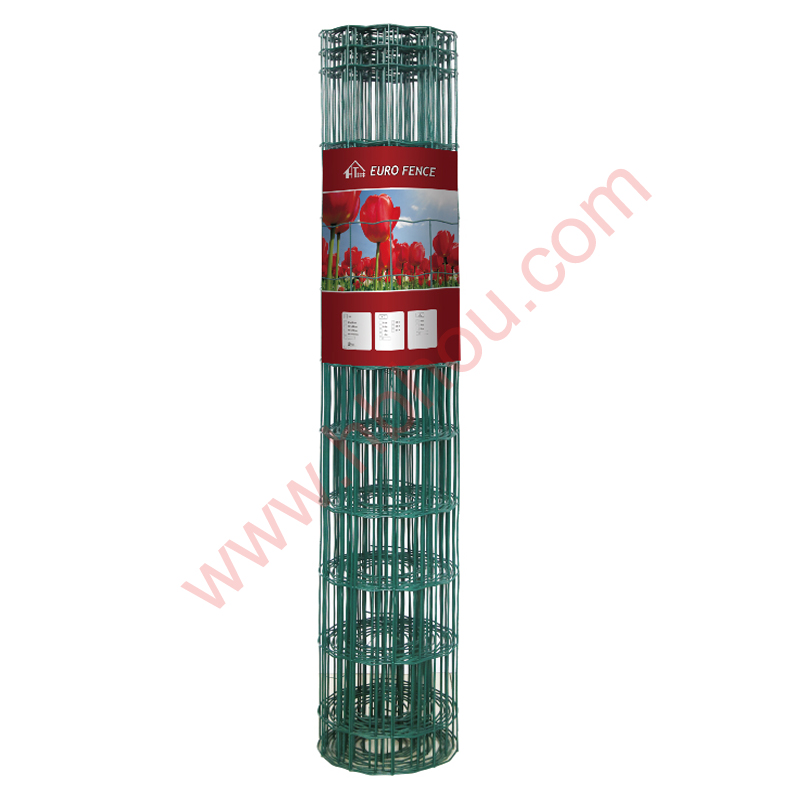
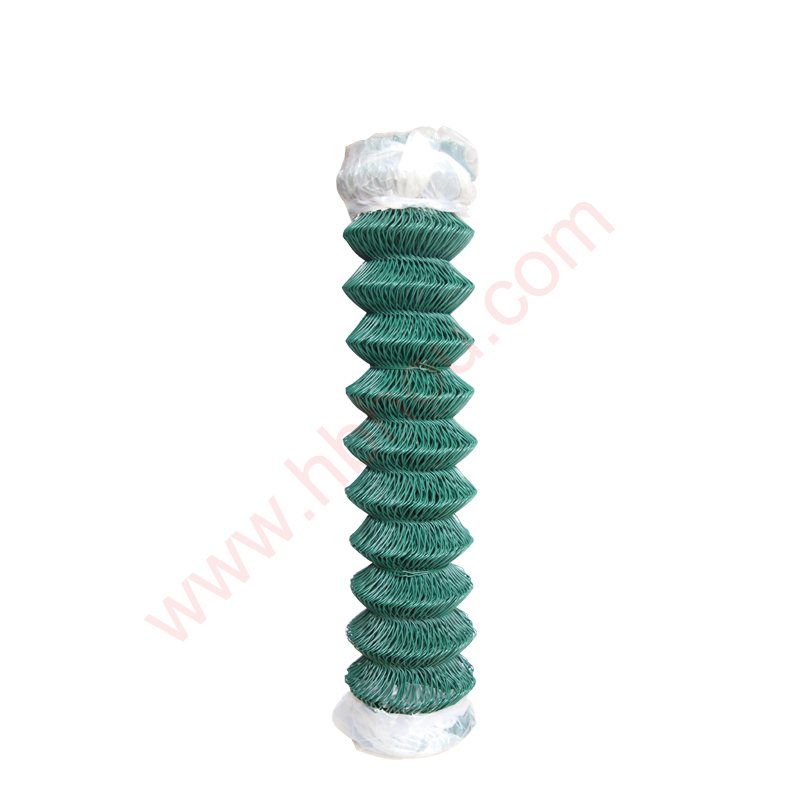
Chain link fences are a mesh of galvanized or coated steel wire woven into a diamond pattern, prized for their combination of visibility, airflow, and security with cost-effectiveness. Their link to industries is vital—from construction sites to sports venues, and increasingly in humanitarian settings where quick and reliable perimeter control is essential.
Key Factors Influencing the Average Cost of Chain Link Fence
1. Material Quality and Coating
Galvanized steel is common, but vinyl- or PVC-coated fencing adds longevity and aesthetics, though at a premium. For example, a coated fence can cost 20-30% more but resists rust better—important in humid or coastal environments.
2. Fence Height and Thickness
Taller fences naturally require more material and stronger posts. Wire gauge thickness also impacts durability; thicker wire increases cost but improves longevity and security.
3. Installation Complexity
Labor costs vary hugely with terrain—rocky or sloped land raises installation difficulty. Urban sites sometimes need more permits and safety precautions, adding to cost.
4. Accessories and Gates
Including locking gates, barbed wire, or privacy slats impact the total price. Gates particularly require sturdier frames and hardware, a non-negligible factor in budgeting.
5. Geographic Location
Supply chain factors and local demand affect prices. For instance, fencing is cheaper near manufacturing hubs, but expensive during supply shortages or in remote areas.
| Feature | Description |
|---|---|
| Wire Gauge | 9 - 11 gauge (thickness varies for security level) |
| Height Range | 3 ft to 12 ft (custom heights available) |
| Coating | Galvanized steel; optional PVC coating |
| Mesh Size | Typically 2" diamond pattern |
| Post Spacing | Typically 8 to 10 feet apart |
Mini takeaway: The average cost correlates strongly with quality, height, and installation conditions—no surprises there, but it pays to dig into these factors beforehand.
Global Applications and Use Cases for Chain Link Fencing
Chain link fences pop up everywhere—from sprawling industrial parks in Asia to eco-sensitive conservation zones in Africa. NGOs use them in refugee camps to define safe zones and protect critical resources. In fact, in several post-disaster relief operations across Southeast Asia, rapid deployment of chain link fences helped secure areas quickly and affordably compared to other fencing options.
Industrially, mining operations in South America often rely on chain link fences to mark hazardous zones without obstructing airflow or visibility. In colder northern countries, insulated wire variants help prevent damage caused by ice accumulation. This adaptability explains the fencing’s global embrace.
Vendor Comparison: Chain Link Fence Pricing Overview
| Vendor | Average Cost per Linear Foot | Coating Options | Turnaround Time |
|---|---|---|---|
| FenceMakers Inc. | $8.50 | Galvanized, PVC-coated | 2-4 weeks |
| Global Fencing Solutions | $7.75 | Galvanized only | 1-3 weeks |
| EcoFence Suppliers | $9.20 | PVC-coated, eco-friendly materials | 3-5 weeks |
Mini takeaway: Price is a moving target influenced by coating, shipping, and supplier turnaround—selecting a vendor with transparent pricing and clear lead times can smooth projects.
Advantages and Long-Term Value
- Cost efficiency: Chain link fences offer one of the best price-to-performance ratios in fencing.
- Durability: Well-installed, galvanized chain link can last decades with minimal maintenance.
- Security and visibility: They strike a balance between protecting property and allowing sight lines for safety monitoring.
- Sustainability: Steel is recyclable; coated fences cut down environmental wear-and-tear.
- Emotional peace of mind: For residential clients or organizations, fences mean safety, privacy, and a physical boundary—comforting in uncertain environments.
Future Trends & Innovations
The industry’s gaze is turning toward greener materials and smarter fencing. Imagine chain link fences embedded with sensors for real-time breach detection or low-impact installation techniques that preserve soil health. Vinyl coatings are improving to be more environmentally friendly, and automation in fence construction could make installation quicker and more consistent.
Also, some innovative projects are integrating solar-powered lighting mounts directly on fences, enhancing nighttime security without added infrastructure. Frankly, it feels like the humble chain link fence is quietly entering a tech-savvy era.
Challenges & Solutions
Of course, not everything is rosy. Corrosion in harsh environments, theft of wire, or difficulty in scaling fencing in complex terrains remain real challenges. Some engineers suggest using thicker gauge or composite materials, while others promote routine maintenance and community involvement to deter vandalism.
Working closely with experienced vendors who understand local conditions and can customize solutions is often the best mitigation approach.
FAQ: Frequently Asked Questions About Average Cost of Chain Link Fence
- What factors most influence the cost of a chain link fence?
- Material quality, fence height, coating type, installation complexity, and location significantly impact the cost. Additional features like gates or barbed wire also add to the expense.
- How long does a typical chain link fence last?
- Galvanized fences generally last 15 to 20 years, but with maintenance or PVC coatings, you might see 25 or more years, even in harsh climates.
- Is chain link fencing cost-effective compared to wood or vinyl?
- Yes, particularly over the long term. Chain link requires less maintenance and offers better durability, making it an economically smart choice for many applications.
- Can I install a chain link fence on uneven terrain?
- Absolutely. While installation is more complex and sometimes costlier, experts can work with slopes and rocky ground, using special techniques and anchors.
- Where can I find reliable price estimates for chain link fencing?
- Check multiple suppliers, use industry pricing guides, and request detailed quotes including installation to get accurate numbers. We recommend visiting average cost of chain link fence for up-to-date information.
Conclusion
Understanding the average cost of chain link fence is more than crunching numbers—it’s about grasping how cost relates to practical needs, durability, and long-term security. Selecting the right fence can protect investments, provide peace of mind, and even contribute to sustainable infrastructure worldwide. If you’re planning fencing projects, whether industrial, residential, or humanitarian, a well-informed cost assessment is your first step forward.
For more detailed insights and reliable pricing, feel free to visit our website: https://www.hbhou.com.
Quick reflection: Fencing is one of those trades that quietly supports global development—from toddler baseball games to sprawling industrial sites—standing guard, almost unnoticed.