Understanding the Average Cost of Chain Link Fence Per Foot Installed
Chain link fences have long been a staple in both residential and commercial security, but the average cost of chain link fence per foot installed is not just a simple number. It reflects diverse factors, such as materials, labor, terrain, and regional pricing. Globally, these fences play a crucial role in everything from securing industrial zones to providing safe perimeters at schools and disaster response sites. Given their importance, having a clear idea of costs helps governments, businesses, and homeowners alike make informed decisions that affect safety, budgets, and sustainability.
So why does this matter on a bigger scale? Well, consider that the fencing industry touches various sectors — construction, agriculture, disaster relief, and infrastructure development, to name a few. Understanding pricing norms helps with budgeting and planning, avoiding surprises that can derail projects or inflate costs unexpectedly. Plus, with sustainable materials becoming more sought-after worldwide, cost insights feed directly into eco-friendly procurement.
Introduction: Chain Link Fencing in a Global Context
Oddly enough, the humble chain link fence is more than just a boundary. The World Bank notes that fencing infrastructure investment correlates strongly with sustainable development goals, such as secure environments for communities and prevention of trespassing on protected lands. Across continents, urbanization pushes demand for cost-effective, reliable fencing solutions.
What’s the challenge then? The average cost of chain link fence per foot installed varies widely depending on location, quality, and installation specifics. For example, installing in rugged or remote areas drives up labor costs. Meanwhile, material shortages or tariffs can spike prices—a problem many developing nations face. This complexity makes it tough at times for planners to rely on generic price estimates.
What Does "Average Cost of Chain Link Fence Per Foot Installed" Really Mean?
At its simplest, this term means the typical expense to have a foot of chain link fence material installed, inclusive of both the product itself and the labor. It’s a handy metric for projecting total project costs without needing to itemize every component.
More than just numbers, it encapsulates the interplay between industrial supply chains, labor markets, and technological advances in fencing materials. It directly links to how quickly a perimeter can be secured, the longevity of that solution, and ultimately, the safety it confers. Modern applications range from housing perimeters after natural disasters to industrial safety zones — the cost helps determine feasibility and scale.
Key Factors Influencing Chain Link Fence Cost
1. Material Quality and Gauge
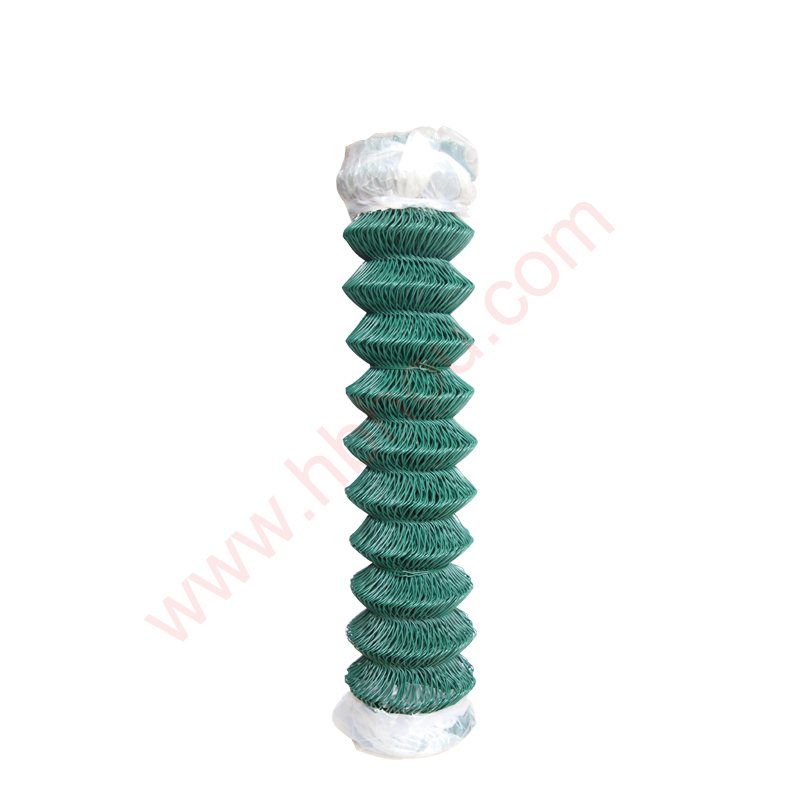
Higher-gauge wire (meaning thicker steel) increases durability but costs more. The coating—galvanized or vinyl—also affects price and lifespan.
2. Installation Complexity
Terrain difficulty, including slopes or rocky soil, demands more labor and specialized tools, pushing costs up.
3. Fence Height and Length
Naturally, taller fences and longer runs require more material and time. Sometimes, permits are needed for heights over 6 feet, adding to expense.
4. Local Labor Costs
Wage levels and availability of skilled installers impact overall prices significantly.
5. Additional Features
Gates, barbed wire toppers, or privacy slats add to cost but serve vital functions depending on the use case.
Mini Takeaway:
The average cost of chain link fence per foot installed is a surprisingly complex figure that depends on a variety of interlinked factors such as quality, installation challenges, and local market dynamics.
Global Applications and Use Cases
In many regions, chain link fencing secures not only homes but critical infrastructure. For instance, in sub-Saharan Africa, fenced perimeters protect water treatment plants, while in Europe, they're crucial in agricultural fencing to prevent animal trespassing. Post-disaster areas, like earthquake-hit zones in Asia, often rely on rapidly deployable chain link fencing for temporary refugee camps — balancing cost and quick installation.
Industries such as mining and manufacturing use these fences to secure hazardous sites, ensuring worker and public safety. Municipalities invest in chain link for parks and schools, offering an open but secure environment that supports community interaction while guarding property.
Advantages and Long-Term Value
- Cost Efficiency: Compared to other fencing options, chain link is economical for both material and installation.
- Durability: Galvanized steel withstands harsh weather with minimal maintenance.
- Flexibility: Useful across varied terrains and conditions. Easily modified or expanded.
- Safety & Security: The transparency of chain link allows visibility, which deters unauthorized activity.
- Environmental Impact: Recyclable materials make it a greener choice when properly handled.
On an emotional note, installing good fencing fosters a sense of safety and dignity, especially in vulnerable communities. It says: “You belong here, and you’re protected.” This psychological benefit is sometimes overlooked but deeply valued.
Future Trends and Innovations
Eco-conscious production is gaining momentum in fencing. Many manufacturers now offer chain link fence products with recycled steel content and biodegradable coatings. Digital tools like drone surveys and 3D modeling enable more precise installation planning, reducing labor and material waste.
Automation in installation machinery promises to lower costs further, and the integration of sensors in fences for security monitoring reflects a digital transformation that was beyond anyone’s expectations a decade ago.
Challenges and Solutions
The biggest hurdle still remains site-specific cost variation. Remote locations or harsh environments make installation tricky, driving prices high. Yet emerging solutions, like pre-fabricated modular panels that can be quickly assembled onsite, show promise.
For communities on tight budgets, cooperative purchasing consortia and bulk ordering help lower prices. NGOs increasingly collaborate with vendors providing flexible leasing or installment options, enhancing accessibility.
Product Specification Table: Typical Chain Link Fence
| Specification | Details |
|---|---|
| Material | Galvanized steel wire, PVC coated option |
| Wire Gauge | 9 to 11 gauge commonly used |
| Height | Range: 3 to 12 feet |
| Mesh Size | Typically 2 inches |
| Installation Speed | Approx. 20-30 feet per hour, variable by terrain |
Vendor Comparison Table
| Vendor | Price per Foot Installed | Material Options | Installation Time (per 100 ft) | Warranty |
|---|---|---|---|---|
| FenceCo | $12.50 | Galvanized, Vinyl-Coated | Approx. 6 hours | 10 years |
| SecureLine | $14.75 | Galvanized only | Approx. 5.5 hours | 7 years |
| EcoFence | $13.00 | Recycled steel, Vinyl-Coated | Approx. 7 hours | 12 years |
Frequently Asked Questions about Average Cost of Chain Link Fence Per Foot Installed
- Q: What factors influence the price of chain link fence installation most?
- A: The largest influences are material quality (wire gauge and coating), installation difficulty, and local labor costs. For example, installing on rocky terrain or in remote areas significantly raises labor expenses.
- Q: How does fence height affect the overall cost?
- A: Taller fences require more expensive materials and sometimes special permits, increasing both material and labor costs per foot installed.
- Q: Can chain link fences be installed quickly without sacrificing quality?
- A: Yes, with experienced installers and good planning, chain link fences can be installed efficiently. Pre-fabricated panels also speed up deployment with consistent quality.
- Q: Is vinyl-coated chain link fence worth the additional cost?
- A: Vinyl coating protects steel from corrosion, improving lifespan and aesthetics—particularly important in humid or coastal areas. It’s often worth the extra upfront cost for long-term durability.
- Q: Where can I find reliable cost estimates for chain link fence installation?
- A: Consult trusted vendors and use online resources like average cost of chain link fence per foot installed calculators for customized quotes factoring in local variables.
Conclusion
In real terms, understanding the average cost of chain link fence per foot installed is foundational for effective project planning and budgeting. It balances cost with durability and functionality, ensuring fencing solutions are both affordable and reliable over time. Whether securing an industrial site or protecting a playground, knowing what influences price—and where savings can be made—empowers better decisions.
If you’re considering a project involving chain link fencing, don’t hesitate to explore detailed cost guides and vendor comparisons. And for tailored information and pricing, visit our website: https://www.hbhou.com.
Ultimately, a well-chosen fence blends security, cost-efficiency, and sustainability — quite an excellent investment, if you ask me.
Reflection: It’s intriguing how something as straightforward as fencing reveals layers of complexity when you look close. The dance between cost, quality, and context reminds us that infrastructure is always about people and places, not just pipes and poles.
- World Bank Infrastructure Statistics, 2023
- Wikipedia: Chain Link Fence
- ISO Standards on Fencing Materials and Testing, 2022