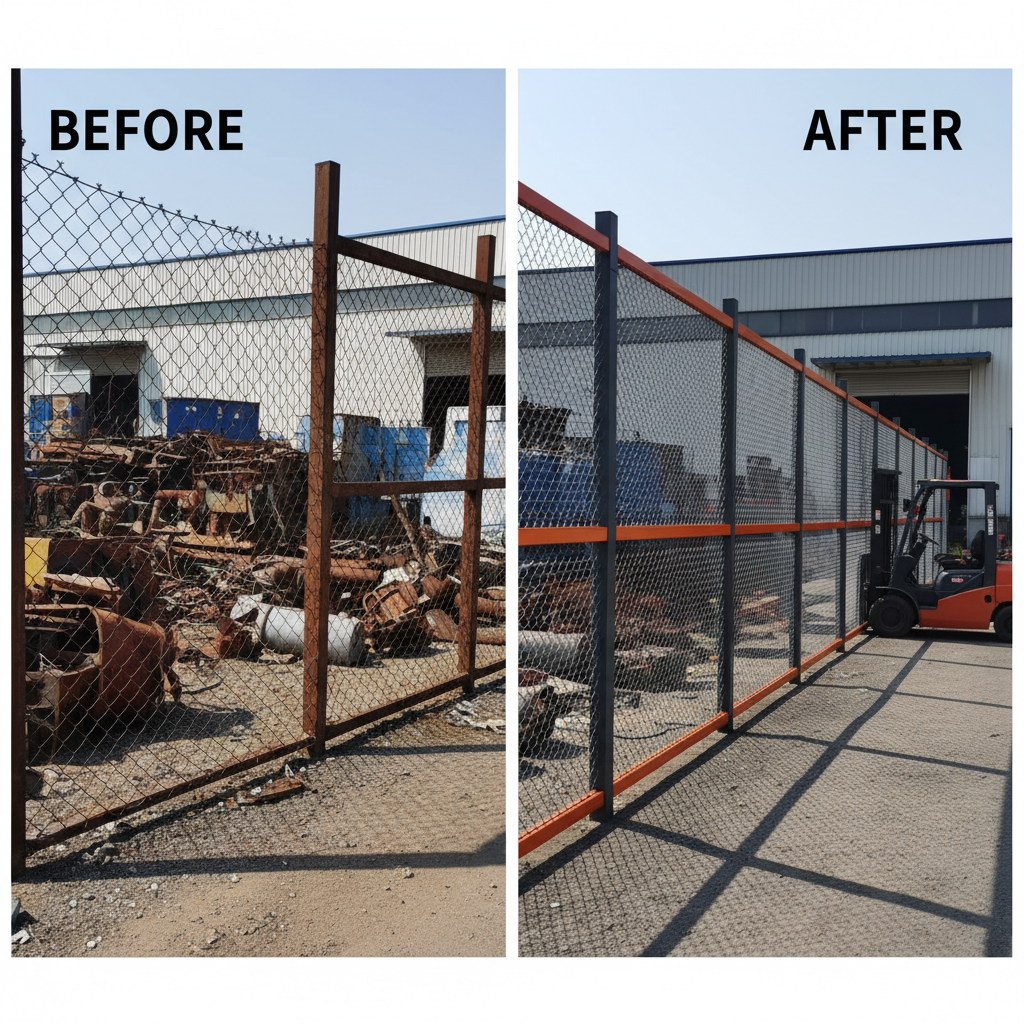
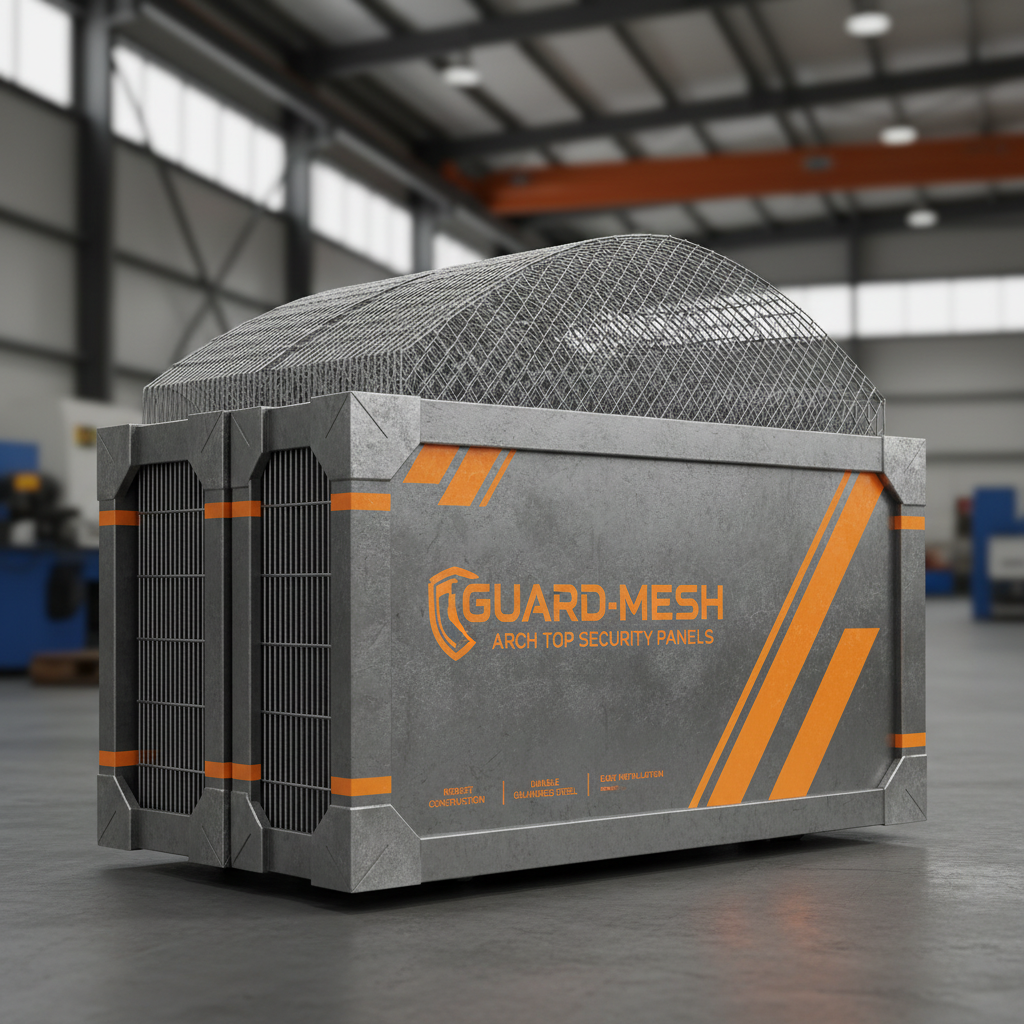
Types of fencing panels are integral components of security, privacy, and aesthetic enhancement in both residential and commercial settings. Globally, the demand for diverse fencing solutions is driven by factors like increasing urbanization, rising security concerns, and a growing emphasis on property value. Understanding the various types of fencing panels – from traditional wood to modern composite materials – allows for informed decision-making based on specific needs and budgetary constraints.
The fencing industry is a multi-billion dollar market, with significant regional variations. According to industry reports, North America and Europe currently represent the largest markets, but Asia-Pacific is experiencing the fastest growth due to rapid infrastructure development and urbanization. Selecting the appropriate types of fencing panels is crucial, as it impacts not only security but also property value, neighborhood aesthetics, and long-term maintenance costs.
The proliferation of different types of fencing panels responds directly to evolving societal needs. Whether it’s a simple picket fence for a suburban garden, a high-security perimeter fence for an industrial site, or a decorative screen for a commercial space, the right fencing panel delivers functional and aesthetic benefits. The accessibility and affordability of different materials significantly influence choices, making it a vital aspect of property development and management.
Introduction to Types of Fencing Panels
The world of fencing panels encompasses a surprisingly diverse range of materials, styles, and applications. From traditional wooden palings to durable vinyl and sleek metal options, selecting the right type of fencing panel is a crucial step in any property improvement project. Understanding these choices is paramount to achieving the desired balance between aesthetics, security, and cost-effectiveness.
Different types of fencing panels cater to unique requirements. For example, privacy fencing panels offer seclusion and noise reduction, while decorative panels enhance curb appeal. Security-focused panels prioritize durability and resistance to intrusion. The availability of types of fencing panels varies geographically, influenced by local regulations, climate conditions, and material costs.
Defining Types of Fencing Panels
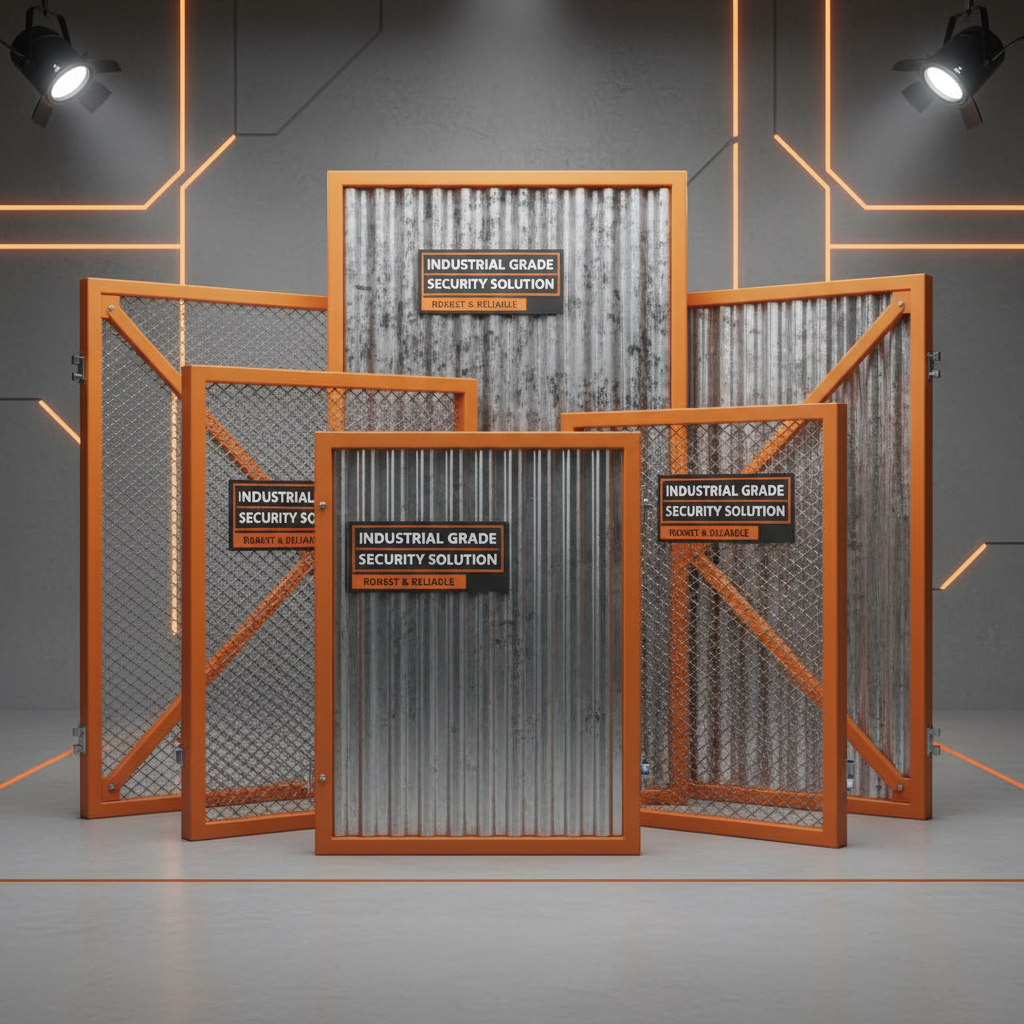
Types of fencing panels, at their core, are prefabricated sections designed to create barriers for security, privacy, or decorative purposes. They are typically constructed from materials like wood, vinyl, metal (aluminum, steel, wrought iron), or composite blends. These panels are designed to be easily installed between posts, offering a quicker and more efficient alternative to building a fence from individual pickets or rails.
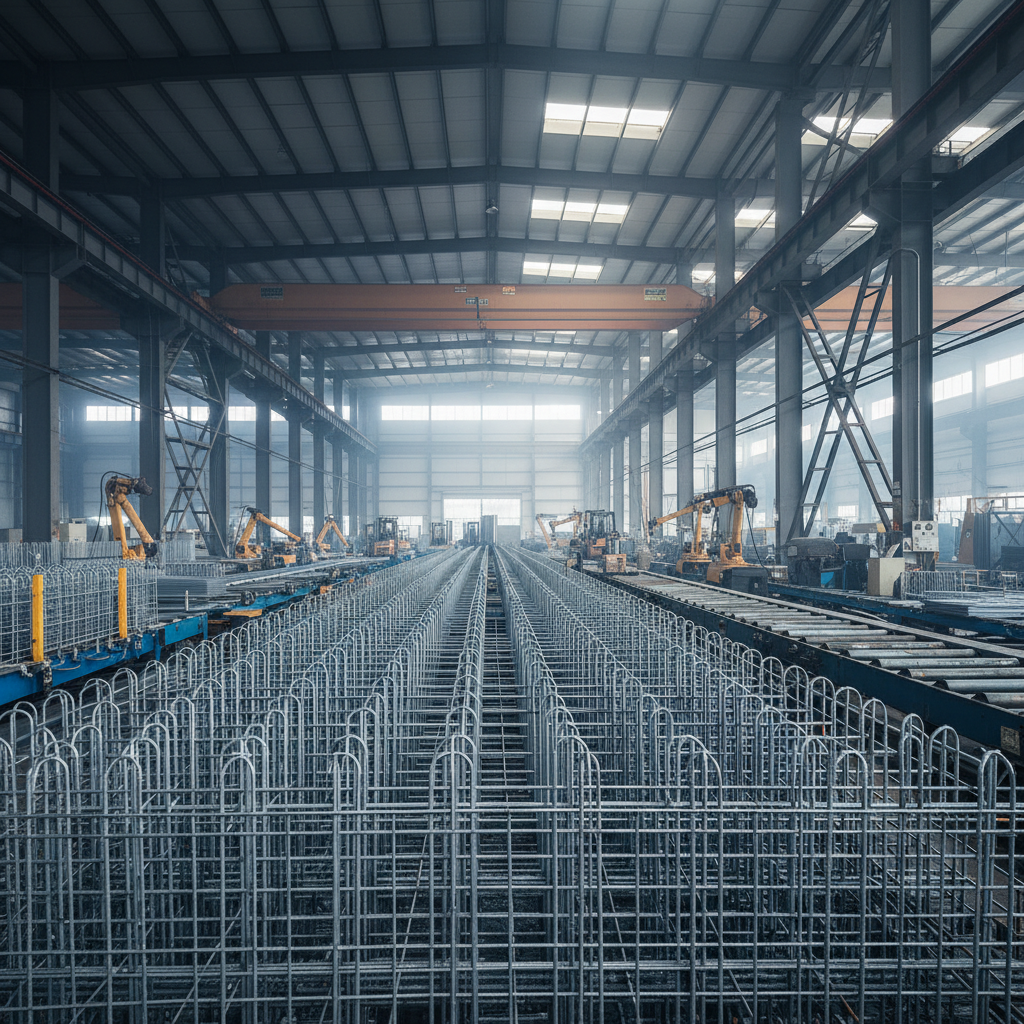
The connection between types of fencing panels and modern industry lies in the demand for efficient construction and customizable solutions. The prefabrication process allows for consistent quality control and faster project completion times, reducing labor costs and minimizing disruption. This is particularly vital in large-scale developments and infrastructure projects.
In a humanitarian context, fencing panels can serve as temporary barriers for refugee camps or disaster relief efforts, offering a degree of security and privacy. Their modular nature allows for rapid deployment and reconfiguration, making them a valuable resource in emergency situations.
Key Characteristics of Fencing Panel Choices
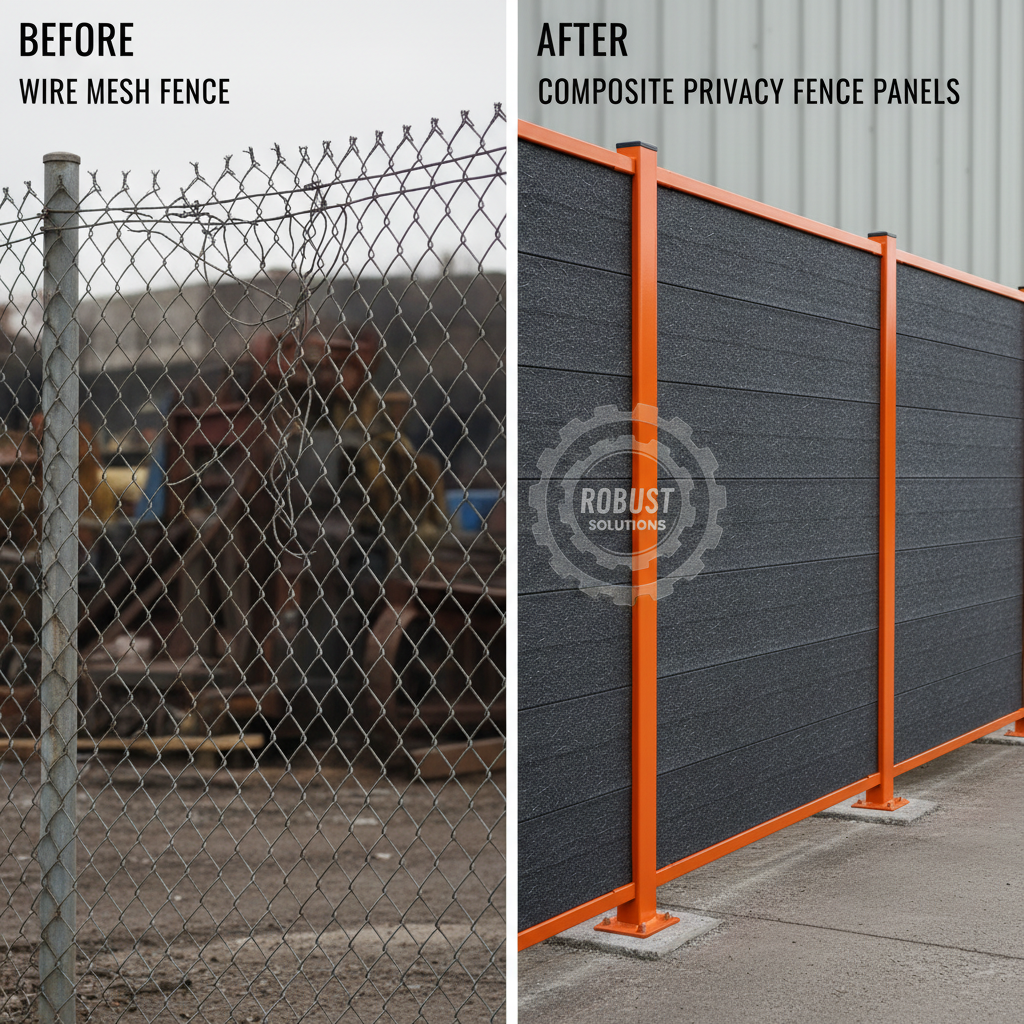
When choosing between types of fencing panels, several key characteristics deserve careful consideration. Durability is paramount, especially in harsh climates. Materials like vinyl and steel are highly resistant to weathering, rot, and insect damage, leading to lower long-term maintenance costs. Aesthetics are equally important, as the fence will contribute significantly to the overall appearance of the property. Options range from natural wood grains to sleek, modern designs.
Cost-effectiveness is often a major deciding factor. While wood is typically the most affordable upfront, vinyl and composite panels offer a better return on investment over time due to their reduced maintenance requirements. Security features, such as panel height and construction materials, must be evaluated based on the level of protection needed. Higher fences and robust materials deter intruders more effectively.
Installation ease can significantly impact project costs and timelines. Many types of fencing panels are designed for DIY installation, while others require professional expertise. Finally, environmental impact is becoming increasingly important, with a growing demand for sustainable materials and eco-friendly manufacturing processes.
Global Applications of Fencing Panels
Types of fencing panels find applications across a wide range of sectors globally. In residential areas, they define property boundaries, provide privacy, and enhance curb appeal. Commercial properties utilize fencing for security, access control, and aesthetic branding. Industrial facilities rely on robust fencing panels to protect valuable assets and restrict unauthorized access.
In agricultural settings, fencing panels contain livestock and protect crops. In post-disaster relief operations, modular fencing panels provide temporary security and demarcate safe zones. In remote industrial zones, high-security fencing panels safeguard critical infrastructure. For instance, within the European Union, there’s a rising demand for sustainable composite fencing for eco-conscious developments.
Furthermore, in many municipalities, specific types of fencing panels are required to comply with local zoning regulations and building codes. This ensures consistency in neighborhood aesthetics and maintains a certain level of quality and safety within the community. The use of specific fencing types is also driven by regional climates, with colder regions favoring materials resistant to freezing and thawing.
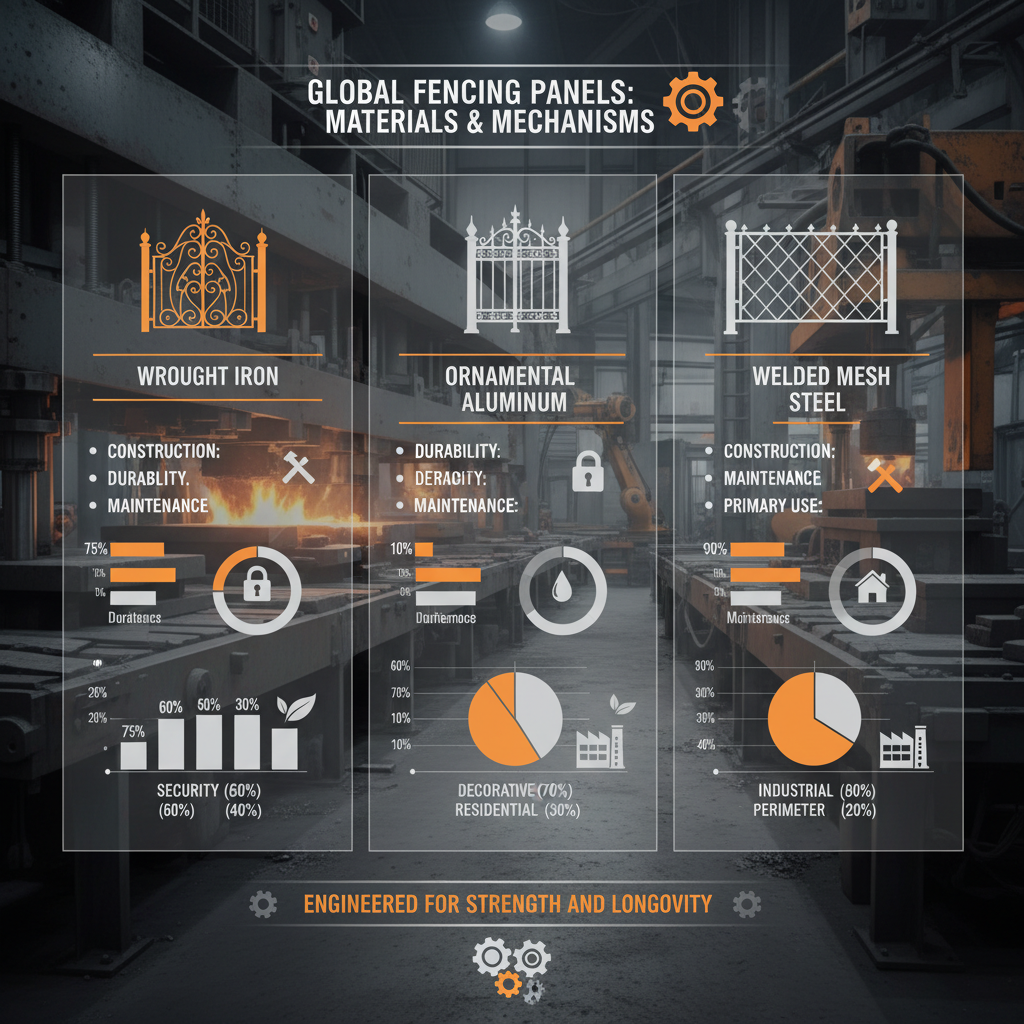
Types of Fencing Panels – Market Share by Material
Advantages and Value Proposition
The advantages of utilizing quality types of fencing panels are tangible. Cost savings are realized through reduced maintenance compared to materials like wood. Sustainability is enhanced through the use of recycled materials in composite panels. Social impact is positive by improving security and providing privacy for communities. Reliability is assured through durable materials built to withstand harsh conditions.
Beyond the practical benefits, there's an emotional value proposition as well. A well-chosen fence adds a sense of security and peace of mind. It provides a safe environment for children and pets. It elevates the aesthetic appeal of a property, increasing its value and curb appeal. These intangible benefits contribute significantly to overall quality of life.
Future Trends in Fencing Panel Technology
The future of types of fencing panels is leaning towards innovative materials and smart technologies. There is a growing trend toward the use of recycled plastics and other sustainable materials in composite panels, reducing environmental impact. The integration of solar panels into fencing structures to generate clean energy is also gaining traction.
Smart fencing systems equipped with sensors and cameras are emerging, offering enhanced security features such as motion detection and remote monitoring. Digital transformation is leading to online configurators and virtual reality tools that allow customers to visualize their fencing projects before making a purchase. Automation in manufacturing processes will further drive down costs and improve efficiency.
Challenges and Innovative Solutions
Despite the advancements, challenges remain in the types of fencing panels industry. The initial cost of certain materials, like high-grade aluminum or steel, can be prohibitive for some customers. Environmental concerns related to the disposal of older fencing materials necessitate improved recycling infrastructure. Maintaining consistent quality control across different manufacturers is another ongoing challenge.
Innovative solutions include the development of more affordable and durable composite materials. Implementing extended producer responsibility (EPR) schemes can incentivize manufacturers to take responsibility for the end-of-life management of their products. Adopting standardized testing and certification procedures can ensure consistent quality and performance.
Furthermore, fostering collaborations between material scientists, engineers, and manufacturers will accelerate the development of next-generation fencing panel technologies. Addressing these challenges proactively will pave the way for a more sustainable, secure, and aesthetically pleasing fencing landscape.
Briefly summarize the core of "Theme Seven"
| Material Type |
Durability Rating (1-10) |
Maintenance Level (Low-High) |
Typical Cost (per linear foot) |
| Wood |
6 |
High |
$5 - $10 |
| Vinyl |
9 |
Low |
$15 - $25 |
| Aluminum |
8 |
Low |
$20 - $30 |
| Steel |
10 |
Medium |
$25 - $40 |
| Composite |
7 |
Low |
$18 - $35 |
| Wrought Iron |
9 |
Medium |
$30 - $60 |
FAQS
For coastal areas, durability is paramount due to salt air and harsh weather conditions. Vinyl and aluminum fencing panels are generally the most resistant to corrosion and weathering. Composite materials specifically designed for marine environments are also a good option. Avoid wood fencing, as it's prone to rot and decay in these conditions. Consider a thicker gauge of material for added strength against strong winds and storms.
Installation costs vary widely depending on the material, fence height, terrain, and labor rates. Wood fencing is generally the least expensive, averaging $5-$10 per linear foot installed. Vinyl ranges from $15-$25, aluminum $20-$30, and steel $25-$40. Wrought iron is the most expensive, often exceeding $30-$60 per linear foot. Permits and site preparation can add to the overall cost.
Composite fencing panels offer a degree of eco-friendliness, as they often utilize recycled plastic and wood fibers. This reduces reliance on virgin materials and diverts waste from landfills. However, it’s crucial to check the specific composition of the panel, as some may contain harmful chemicals. Look for panels certified by independent environmental organizations for assurance.
Wood fencing requires regular staining or painting to prevent rot and decay. Vinyl and aluminum panels need occasional cleaning with soap and water. Steel fencing may require rust protection. Composite panels generally require minimal maintenance. Check the manufacturer's recommendations for specific cleaning and maintenance procedures to prolong the life of your fence.
The difficulty of installation depends on the type of fencing panel and your DIY skills. Simpler panel systems are often suitable for DIY projects, while more complex installations, such as steel or wrought iron fencing, require professional expertise. Incorrect installation can compromise the fence's structural integrity and void warranties. Consider your skill level and the complexity of the project before deciding.
Local building codes and homeowner association (HOA) rules often dictate fence height, materials, and style. Check with your local authorities and HOA before purchasing fencing panels to ensure compliance. Regulations may specify maximum fence heights, acceptable materials, and aesthetic requirements. Failure to comply can result in fines or the need to remove the fence.
Conclusion
In conclusion, understanding the diverse landscape of types of fencing panels is essential for making informed decisions that balance aesthetics, security, cost-effectiveness, and sustainability. From the traditional charm of wood to the modern durability of vinyl and composite materials, each option offers unique benefits and drawbacks. Selecting the right panel type is a strategic investment that protects property, enhances privacy, and adds value.
Looking ahead, continued innovation in materials science and smart technology promises even more sophisticated and environmentally responsible fencing solutions. Prioritizing sustainable practices, embracing digital tools, and proactively addressing industry challenges will pave the way for a more secure and aesthetically pleasing built environment. For expert advice and a wide range of high-quality types of fencing panels, visit our website: www.hbhou.com.