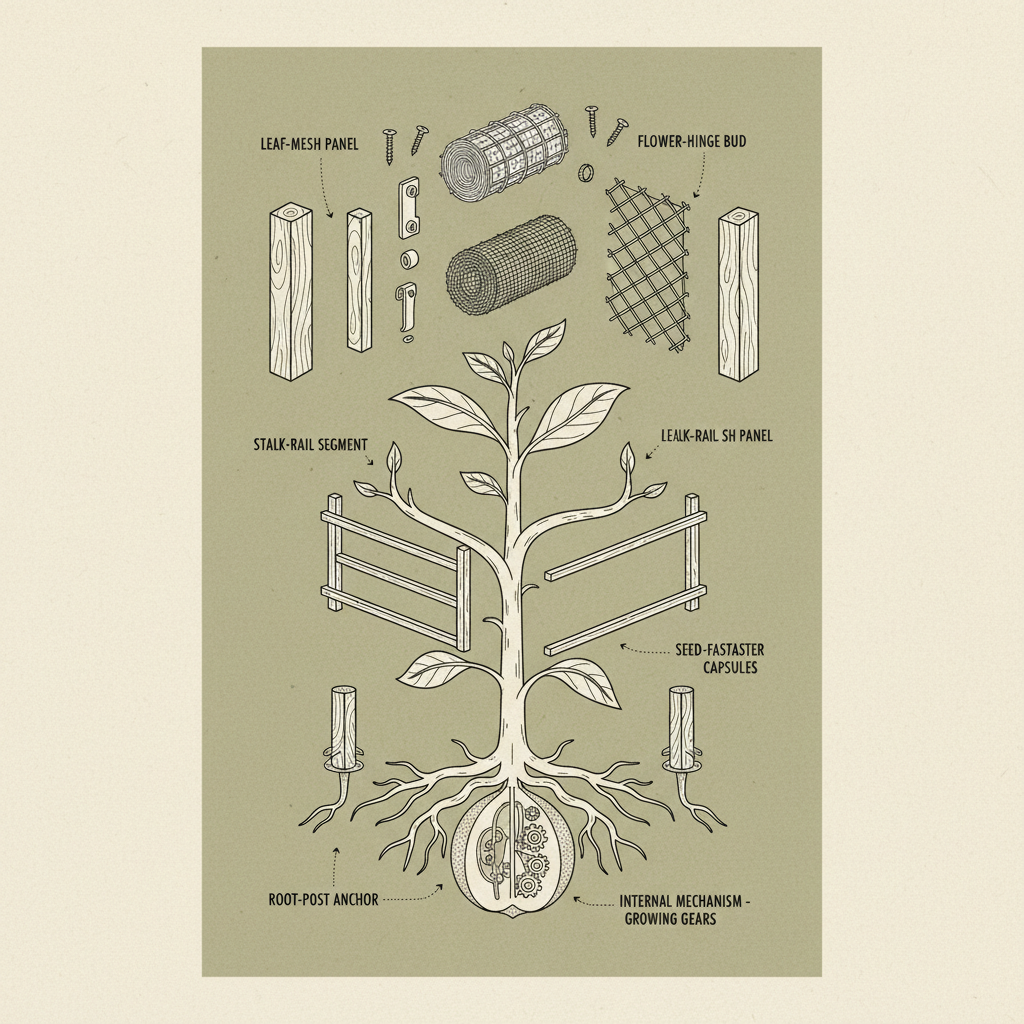
Panel fence solutions are rapidly gaining prominence globally, driven by increasing needs for rapid deployment, cost-effectiveness, and durable security. These modular fencing systems offer a versatile alternative to traditional fencing methods, addressing challenges in diverse sectors from event management and construction to disaster relief and perimeter security. Understanding the intricacies of panel fence construction, applications, and future trends is crucial for professionals seeking innovative and efficient fencing solutions.
The demand for panel fence is escalating due to a confluence of factors, including urbanization, infrastructure development, and heightened security concerns. Its adaptability and ease of installation make it particularly appealing in situations requiring quick and reliable perimeter control. As global challenges evolve, the role of panel fence in providing secure, scalable, and affordable solutions will continue to expand.
Ultimately, embracing advancements in panel fence technology allows organizations and individuals to proactively address security needs while optimizing resource allocation and project timelines. The inherent benefits of these systems position them as a key component in modern infrastructure and security strategies.
Introduction to Panel Fence
Panel fence refers to a modular fencing system constructed from interconnected panels, typically made of metal (steel or aluminum), composite materials, or durable plastics. These panels are designed for relatively quick and easy installation, offering a practical alternative to traditional methods like chain-link or wooden fencing. Their inherent modularity allows for flexible configurations and adaptation to various terrain conditions.
The growing adoption of panel fence directly addresses increasing demands for temporary and permanent perimeter security, crowd control, and site demarcation. Modern panel fence systems are not merely functional barriers; they often integrate aesthetic elements, enhancing the visual appeal of protected areas, and can be customized with features like privacy screens or anti-climb designs.
Global Relevance and Industry Context
The need for robust perimeter security solutions is a global concern, fueled by factors such as increasing urbanization, heightened security threats, and the growing frequency of large-scale events. According to UN reports on urban safety, cities worldwide are actively investing in infrastructure to enhance public security and manage crowd control effectively. Panel fence plays a critical role in these efforts by providing a readily deployable and adaptable fencing solution.
The construction industry also heavily relies on panel fence for site security, material storage, and demarcation of work zones. The World Bank projects continued growth in infrastructure spending across developing nations, further driving demand for efficient and cost-effective fencing systems. ISO standards for fencing materials and installation practices are becoming increasingly important to ensure quality and safety.
A significant challenge facing many sectors is the need for rapid response to unforeseen events, such as natural disasters or security breaches. Panel fence addresses this challenge by enabling swift perimeter establishment, protecting assets, and facilitating access control in emergency situations, offering a crucial advantage in time-sensitive environments.
Defining Panel Fence Systems
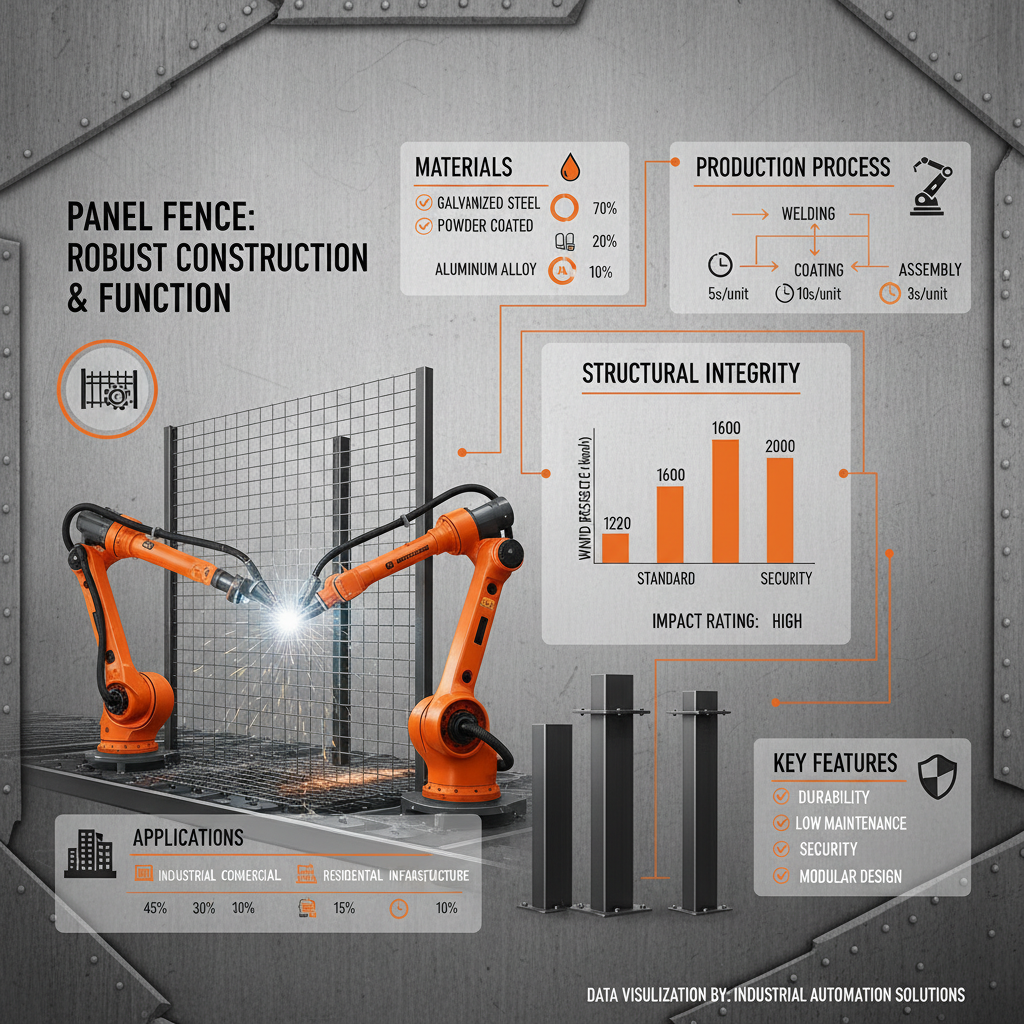
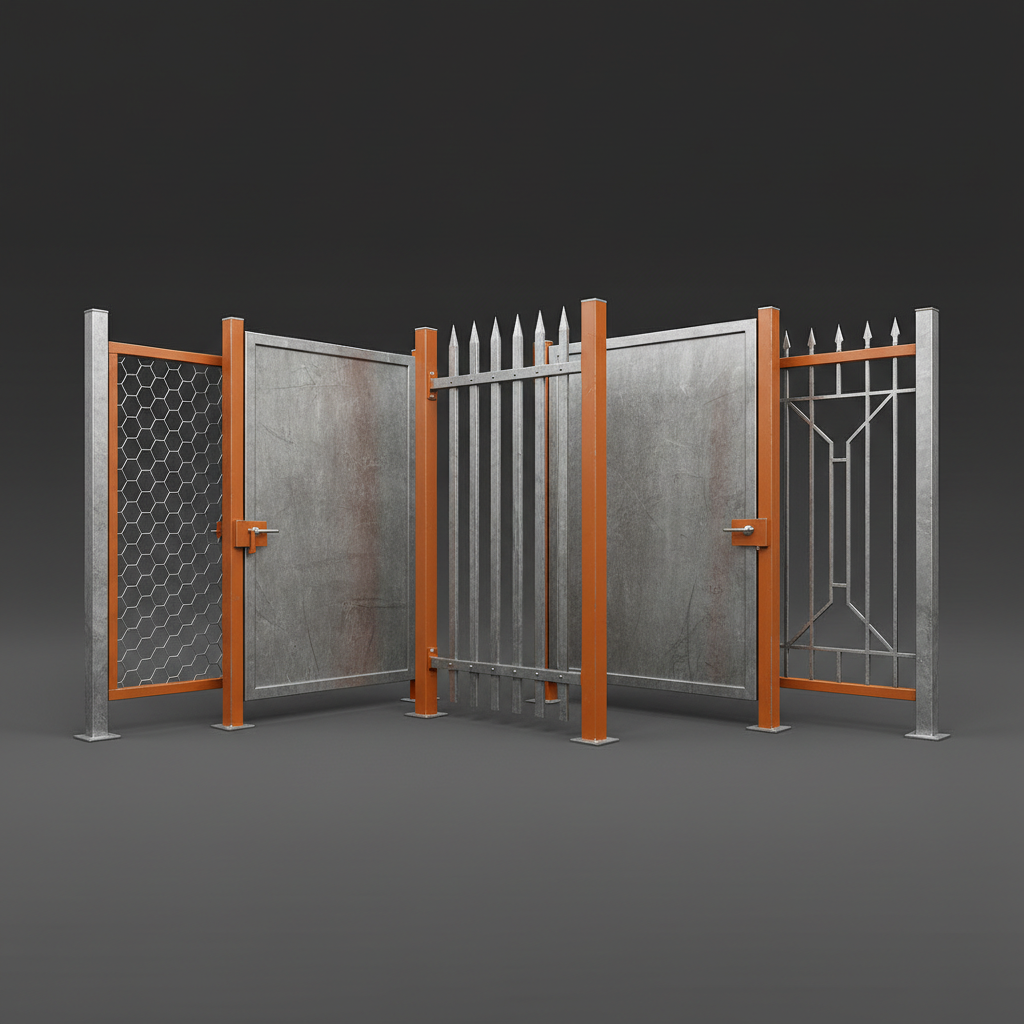
At its core, a panel fence is a pre-fabricated fencing solution comprised of individual panels connected by posts and securing hardware. These panels are typically constructed from welded wire mesh, expanded metal, or solid sheeting, offering varying levels of security and privacy. The materials used are selected based on the intended application, considering factors like durability, weather resistance, and aesthetic requirements.
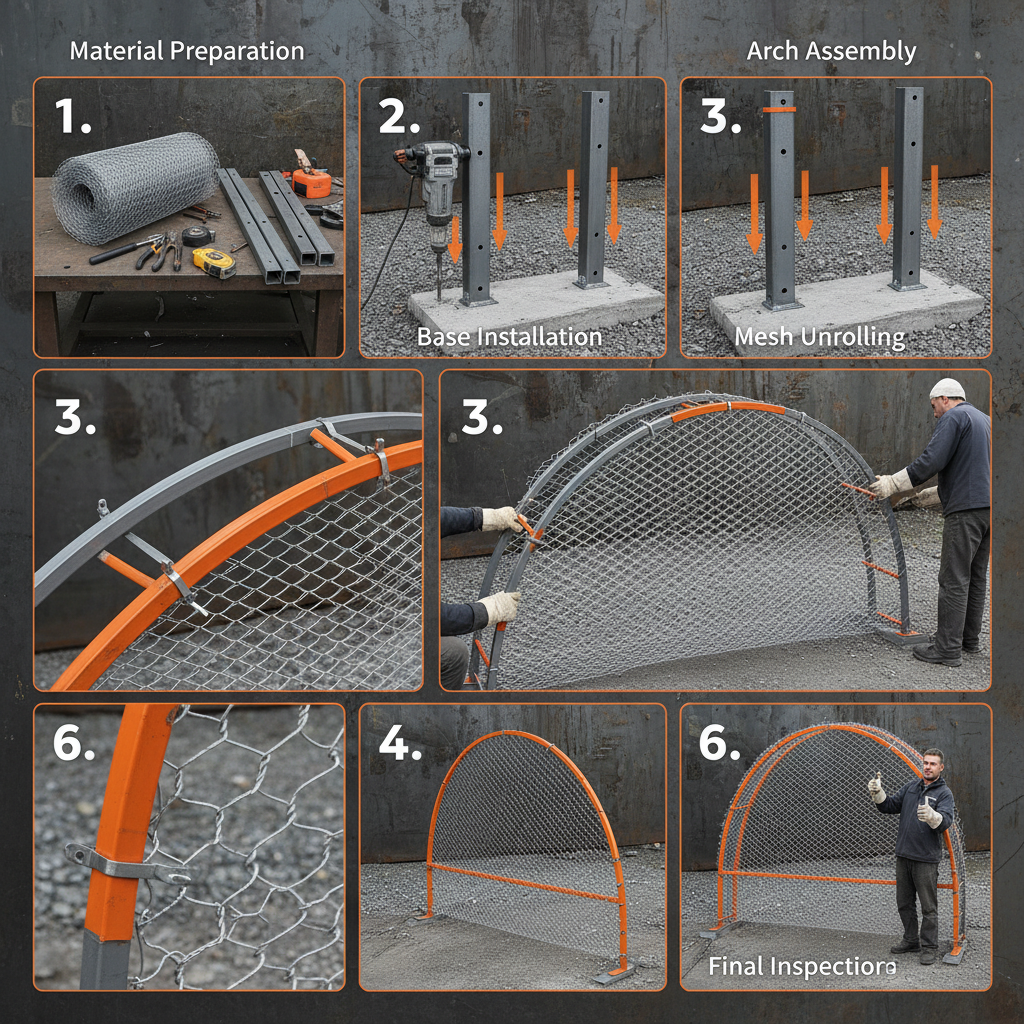
Unlike traditional fencing, which often requires extensive on-site fabrication and installation, panel fence systems are designed for modular assembly. This significantly reduces installation time and labor costs, making them an attractive option for projects with tight deadlines or limited resources. The modular design also allows for easy modification and relocation of the fence line as needed.
Modern panel fence systems often incorporate features such as anti-climb mechanisms, privacy screens, and specialized coatings to enhance their functionality and appearance. Some systems are designed for temporary use, while others are engineered for long-term permanent installations, catering to a wide range of security needs and budgetary constraints.
Key Factors of Panel Fence Performance
Several key factors contribute to the overall performance and suitability of panel fence systems. Durability is paramount, with the ability to withstand harsh weather conditions, impact forces, and attempted breaches being critical. The quality of materials and construction directly impacts the longevity and security of the fence.
Scalability is another important consideration. Panel fence systems must be adaptable to varying site dimensions and security requirements. Modular design ensures the ability to easily extend or modify the fence line as needed, providing flexibility for future expansion or changing security needs.
Panel Fence Performance Metrics
Real-World Applications of Panel Fence
Panel fence systems are utilized across a broad spectrum of applications. In construction, they provide secure site perimeters, protecting equipment and materials from theft and vandalism. Event organizers frequently deploy temporary panel fence for crowd control, access management, and VIP area demarcation, offering a secure and visually appealing solution.
Disaster relief operations leverage the rapid deployment capabilities of panel fence to establish temporary shelters, secure aid distribution points, and create safe zones for affected populations. In post-disaster scenarios, the speed and ease of installation are critical factors. Similarly, in remote industrial zones, panel fence secures critical infrastructure and protects valuable assets in challenging environments.
Advantages and Long-Term Value
The advantages of utilizing panel fence extend beyond immediate security benefits. Cost-effectiveness is a key driver, as the reduced installation time and minimal maintenance requirements translate to lower overall project costs. Sustainability is increasingly important, and modern panel fence systems are often constructed from recyclable materials, minimizing their environmental impact.
From a societal perspective, panel fence contributes to enhanced public safety and security, providing peace of mind for communities and organizations. The reliability and durability of these systems build trust and confidence in the protection of assets and individuals. These solutions represent a long-term investment in security and peace of mind.
Future Trends and Innovations in Panel Fence
The future of panel fence is poised for innovation, driven by advancements in materials science, digital technologies, and sustainability initiatives. Integration with smart technologies, such as sensors and surveillance systems, will enhance security capabilities and enable real-time monitoring of perimeter activity. The use of composite materials with increased strength and corrosion resistance is also expected to expand.
Sustainable manufacturing processes and the use of recycled materials are becoming increasingly prevalent, aligning with global efforts to reduce environmental impact. Automation in panel fence manufacturing and installation will further reduce costs and improve efficiency. The trend toward customized panel fence designs, incorporating aesthetic elements and brand identities, will continue to grow.
The adoption of digital twins – virtual representations of physical panel fence installations – will enable proactive maintenance, predictive analysis, and remote monitoring, further optimizing performance and reducing downtime.
Summary of Panel Fence System Performance Metrics
| System Type |
Installation Time (hours) |
Security Level (1-10) |
Cost per Meter ($) |
| Welded Wire Panel Fence |
2 |
7 |
25 |
| Temporary Chain Link Panel Fence |
1 |
5 |
15 |
| Aluminum Panel Fence |
3 |
8 |
40 |
| High-Security Panel Fence |
4 |
9 |
60 |
| Plastic Composite Panel Fence |
2.5 |
6 |
30 |
| Expanded Metal Panel Fence |
3.5 |
7.5 |
35 |
FAQS
Panel fence offers several advantages over traditional chain-link. It generally provides a more aesthetically pleasing appearance, is quicker to install due to its modular design, and often exhibits greater durability and resistance to corrosion. Additionally, panel fence systems can be easily customized with features like privacy screens or anti-climb mechanisms, offering enhanced security and functionality.
The lifespan of a panel fence installation varies depending on the materials used, the environmental conditions, and the level of maintenance provided. Galvanized steel panel fences typically last 10-20 years with minimal maintenance. Aluminum panel fences can last even longer, often exceeding 25 years. Regular inspection and prompt repair of any damage are essential to maximize the lifespan of the fence.
Panel fence is often a cost-effective solution, particularly when considering the total lifecycle costs. While the initial material cost may be slightly higher than some traditional options, the reduced installation time, lower maintenance requirements, and increased durability can result in significant long-term savings. Its modularity also allows for phased installation, spreading out the costs over time.
The type of foundation required depends on the height and weight of the panel fence, as well as the soil conditions. Common foundation methods include concrete footings, driven posts, and gravel bases. For taller or high-security fences, concrete footings are typically recommended to provide maximum stability and resistance to tampering. Proper foundation design is crucial for ensuring the long-term integrity of the fence.
Yes, panel fence can effectively reduce noise and provide privacy. Solid panels or panels with privacy slats significantly block sound transmission and visual access. The effectiveness of noise reduction depends on the material density and the height of the fence. Combining panel fence with sound-absorbing materials can further enhance its noise-reducing capabilities.
Panel fence is widely used in event security for perimeter control, crowd management, and VIP area demarcation. It's quick to deploy, easily configurable, and provides a visible barrier to guide attendees and maintain order. Temporary panel fence is often used to create secure entry and exit points, control access to restricted areas, and prevent unauthorized access to stages or equipment.
Conclusion
Panel fence solutions represent a versatile and increasingly vital component of modern security infrastructure, construction, and event management. Their adaptability, durability, and cost-effectiveness make them a compelling alternative to traditional fencing methods. From rapid deployment in disaster relief operations to long-term perimeter security in industrial zones, panel fence consistently delivers reliable and efficient performance.
Looking ahead, continued innovation in materials, smart technologies, and sustainable manufacturing practices will further enhance the capabilities and value of panel fence systems. Organizations and individuals seeking robust, adaptable, and cost-effective fencing solutions should explore the benefits of panel fence and consider it as a key element in their long-term security and infrastructure strategies. To learn more about our panel fence solutions, visit our website: www.hbhou.com.