Types of fence panels are ubiquitous elements in modern infrastructure and property delineation, playing a crucial role in security, privacy, and aesthetics. From simple wooden palings to sophisticated composite materials, the diverse range available caters to a vast spectrum of needs and budgets. Understanding the nuances of these different panel types – their materials, construction, and suitability for specific applications – is paramount for anyone undertaking fencing projects, whether for residential, commercial, or industrial purposes. The global market for fencing is substantial and continues to grow, driven by increasing construction activity and a rising awareness of security concerns.
The importance of selecting the correct types of fence panels extends beyond mere functionality. Environmental considerations, such as sustainable sourcing of materials and the longevity of the fence, are becoming increasingly important. Furthermore, regulatory requirements often dictate specific fencing standards for safety and aesthetic harmony within communities. Ignoring these factors can lead to costly replacements, legal issues, or simply an unsatisfactory result. Therefore, a thorough understanding of available options is essential for making informed decisions.
Ultimately, the choice of types of fence panels is a balance between cost, aesthetics, security, durability, and environmental impact. This guide aims to provide a comprehensive overview of the most common types of fence panels, their characteristics, and their applications, empowering readers to make informed choices that meet their specific needs and contribute to a safer, more secure, and visually appealing environment.
Introduction to Types of Fence Panels
The selection of the right types of fence panels is a critical aspect of property ownership and management. Beyond simply marking boundaries, fences provide security, privacy, and aesthetic value. The variety of available options—wood, vinyl, metal, composite—each with its own advantages and disadvantages, means careful consideration is needed to align choices with specific requirements and environmental factors. The global fencing market is influenced by trends in construction, urbanization, and a growing demand for enhanced security.
Different types of fence panels cater to distinct needs, ranging from the rustic charm of a traditional picket fence to the modern sleekness of aluminum or the durable practicality of chain-link. Understanding these differences—in terms of cost, maintenance, longevity, and aesthetic appeal—is essential for making an informed decision. Factors like local climate, soil conditions, and even homeowner association regulations will all play a role in determining the best type of fencing for a given application.
Defining Types of Fence Panels
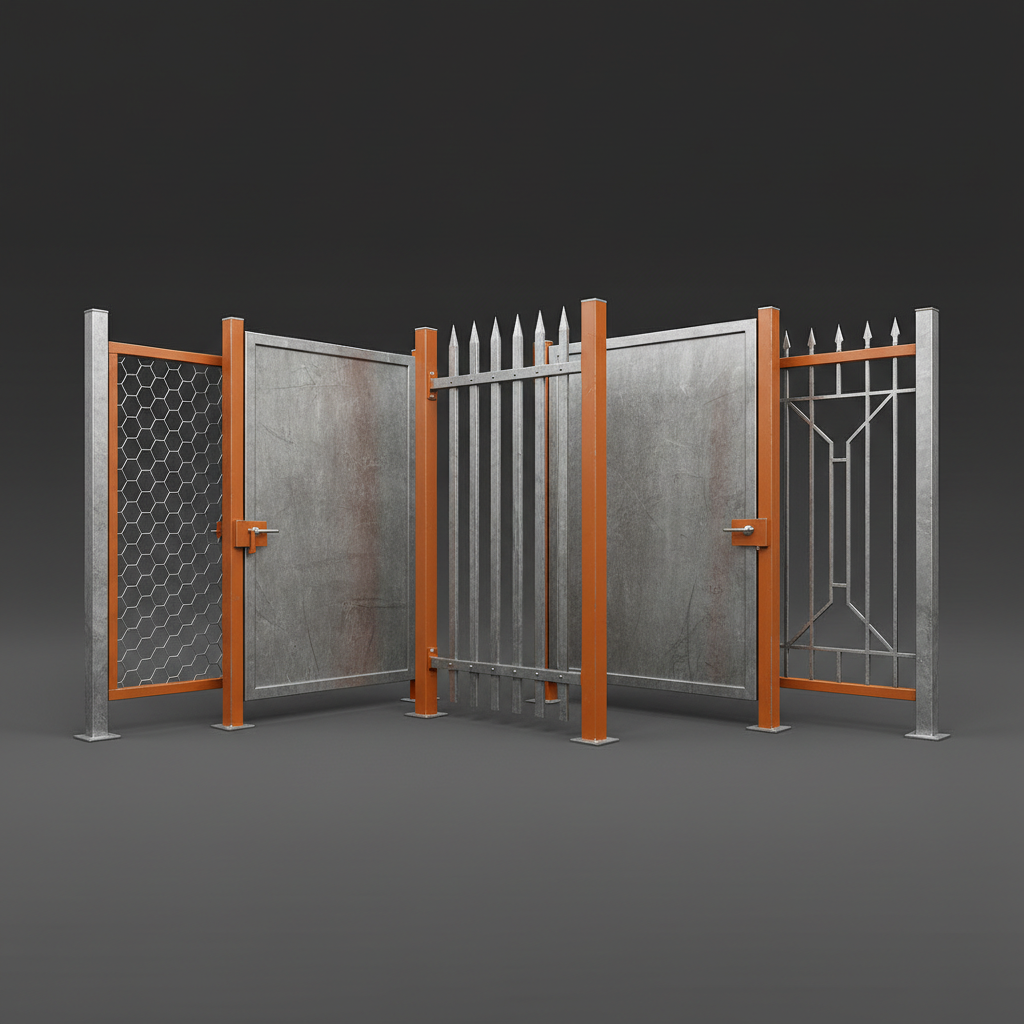
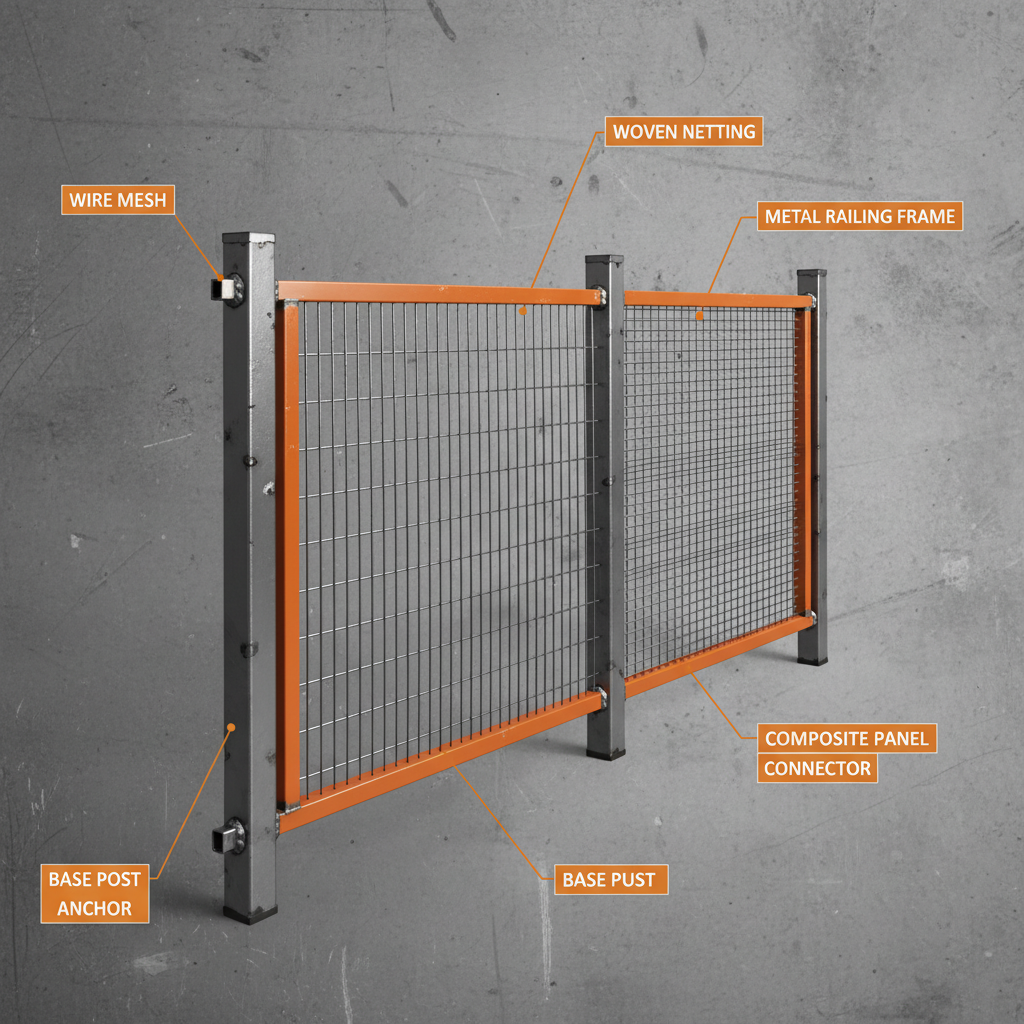
Types of fence panels refer to the pre-assembled sections used to construct a fence. Unlike building a fence entirely from individual pickets or rails, panels offer a faster and more consistent installation process. These panels are typically constructed from a variety of materials, including wood (such as pressure-treated pine, cedar, and redwood), vinyl (PVC), metal (aluminum, steel, wrought iron), and composite materials (a blend of wood fibers and plastic). The defining characteristic of a panel is its pre-fabricated nature, providing a standardized size and appearance.
In the context of modern construction and property development, types of fence panels have become a crucial element in providing security, privacy, and aesthetic enhancement. Their use extends beyond residential applications to include commercial properties, industrial sites, and even agricultural settings. The standardization offered by panels not only speeds up installation but also simplifies repairs and replacements.
The concept of prefabricated fencing aligns with broader trends in modular construction and prefabrication across various industries. This approach minimizes on-site labor, reduces waste, and improves quality control, making types of fence panels a cost-effective and efficient solution for a wide range of fencing needs. It's important to note that 'panel' can also refer to decorative inserts within a framed fence, further diversifying the types available.
Core Characteristics of Fence Panels
When evaluating different types of fence panels, several core characteristics should be considered. Durability is paramount, referring to the panel's resistance to weathering, impact, and general wear and tear. This is heavily influenced by the material used; for instance, vinyl and metal panels generally offer superior durability compared to untreated wood. Aesthetics also play a significant role, encompassing the panel’s style, color, and overall visual appeal. The choice should complement the surrounding landscape and architectural design.
Cost-effectiveness is another vital consideration, factoring in not only the initial purchase price but also the long-term maintenance costs. While some materials may have a higher upfront cost, their longevity and low maintenance requirements can result in significant savings over time. Security is crucial for many applications; solid panels or those with closely spaced pickets provide greater privacy and deter unauthorized access. Finally, ease of installation is important, particularly for DIY projects; some panel types are designed for simpler installation than others.
Maintenance requirements vary significantly between types of fence panels. Wood panels typically require regular staining or painting to prevent rot and weathering, while vinyl and composite panels are often low-maintenance, requiring only occasional cleaning. Metal panels may need occasional rust treatment, depending on the coating and environmental conditions. Understanding these maintenance needs is essential for making a practical and sustainable choice.
Global Applications of Fence Panels
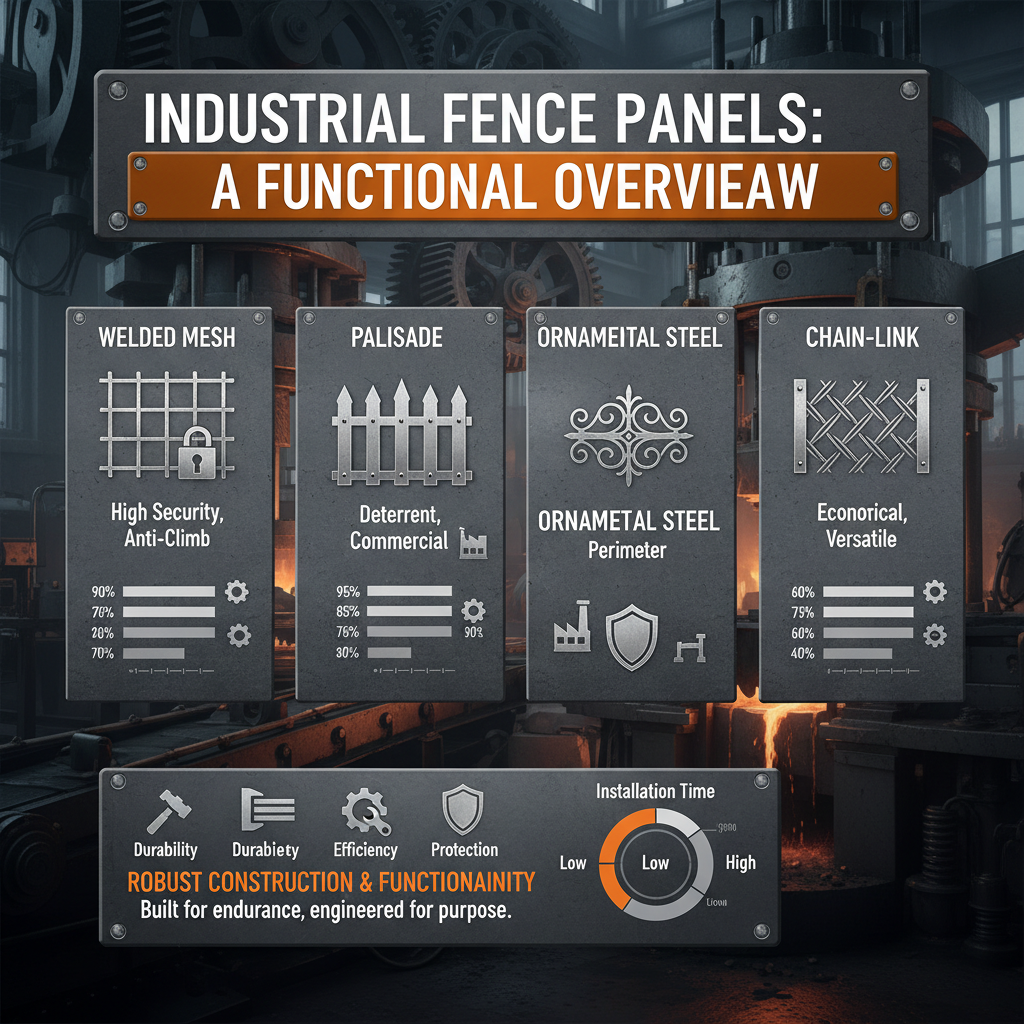
Types of fence panels find diverse applications globally, adapting to varying climates, security needs, and aesthetic preferences. In residential areas, wood and vinyl panels are commonly used to define property lines, provide privacy, and enhance curb appeal. Commercial properties often utilize metal panels, such as chain-link or wrought iron, for security and perimeter control. Industrial facilities frequently employ heavy-duty metal panels for robust security and containment.
In regions prone to harsh weather conditions, such as coastal areas or areas with heavy snowfall, durable materials like vinyl or treated wood are favored for their resistance to corrosion and decay. In agricultural settings, livestock fencing utilizing wooden or composite panels is prevalent. Increasingly, environmentally conscious communities are opting for sustainable materials like bamboo or recycled plastic panels.
Beyond these common applications, types of fence panels are used in specialized settings like schools and parks for safety and security, around swimming pools for child safety, and in sound barrier applications along highways and railways. In post-disaster relief operations, quickly deployable temporary fencing constructed from lightweight panels provides immediate security and establishes boundaries. The versatility of fence panels ensures their continued relevance across a wide spectrum of applications worldwide.
Market Share of Different Types of Fence Panels
Advantages and Long-Term Value
The advantages of selecting the right types of fence panels extend far beyond immediate security and aesthetics. From a financial perspective, certain materials offer significant long-term savings through reduced maintenance. For example, vinyl and composite panels eliminate the need for regular painting or staining, saving both time and money. Moreover, durable materials increase property value, making it a worthwhile investment.
The social impact of well-chosen fencing also shouldn't be overlooked. A secure fence provides peace of mind, enhancing safety and privacy for residents. Aesthetically pleasing fencing can improve neighborhood appeal and foster a sense of community. Sustainable materials align with growing environmental consciousness, demonstrating a commitment to responsible property ownership. Choosing the correct panel isn't just a practical decision but a positive contribution to the overall well-being of a community.
Future Trends in Fence Panel Technology
The future of types of fence panels is poised for innovation, driven by advancements in materials science and manufacturing techniques. There's a growing demand for eco-friendly options, leading to the development of panels made from recycled plastics and sustainably sourced wood fibers. Smart fencing, incorporating sensors and connectivity, is emerging as a new trend, offering features like automated gate control and security alerts.
Furthermore, advancements in composite materials are creating panels that mimic the look of natural wood while offering superior durability and low maintenance. Nanotechnology is being explored to enhance the weather resistance and UV protection of fencing materials. The integration of digital design and prefabrication technologies is also streamlining the manufacturing process, allowing for greater customization and faster turnaround times.
Challenges and Solutions in Fence Panel Implementation
Despite the numerous benefits, implementing types of fence panels isn't without its challenges. One common issue is the cost associated with certain materials, particularly high-quality vinyl and composite panels. However, lifecycle cost analysis often demonstrates that these materials offer better long-term value due to reduced maintenance. Another challenge is navigating local building codes and homeowner association regulations, which can vary significantly.
Solutions include thorough research and planning, consulting with local authorities, and working with experienced fencing contractors. Proper site preparation is also crucial, ensuring a level foundation and adequate drainage to prevent premature decay or damage. Selecting a reputable supplier that offers warranties and reliable customer support is essential for addressing any issues that may arise during or after installation.
Summary of Considerations for Fence Panel Selection
| Material Type |
Durability Score (1-10) |
Maintenance Level (Low/Med/High) |
Estimated Cost (per linear foot) |
| Pressure-Treated Pine |
6 |
High |
$10 - $15 |
| Cedar |
7 |
Medium |
$15 - $25 |
| Vinyl |
9 |
Low |
$20 - $35 |
| Aluminum |
8 |
Low |
$25 - $40 |
| Composite |
8 |
Low |
$30 - $50 |
| Chain-Link |
7 |
Low |
$8 - $12 |
FAQS
Wood fence panels offer a classic aesthetic and are generally more affordable upfront, but require regular maintenance like staining and sealing to prevent rot and weathering. Vinyl fence panels, while more expensive initially, are virtually maintenance-free, resistant to rot and insects, and retain their appearance for decades. Vinyl is also more readily available in a wider range of colors and styles. The best choice depends on budget, desired look, and tolerance for upkeep.
Composite fence panels, made from a blend of wood fibers and plastic, generally have a lifespan of 25-30 years or even longer, with minimal maintenance. They resist rot, insects, and warping, making them a durable and long-lasting option. However, quality varies significantly between manufacturers; choosing a reputable brand with a good warranty is crucial. Exposure to extreme UV light can cause some fading over time.
Yes, metal fence panels, particularly those made from steel or wrought iron, are excellent for high-security applications. They offer superior strength and durability, making them difficult to breach. Often combined with locking gate mechanisms and security features, metal fences provide a robust perimeter defense. Regular inspection and maintenance, such as rust treatment, are important for long-term performance.
Installation costs vary depending on the material, fence height, terrain, and labor rates. Wood fence panels typically cost $15-$30 per linear foot installed, vinyl $25-$45, metal $30-$60, and composite $40-$70. Chain-link is generally the most affordable at $10-$20 per linear foot. These are estimates; obtaining quotes from local contractors is always recommended for accurate pricing.
Sloped yards require careful planning. Stepped fencing, following the contour of the land, is a common solution. Alternatively, racking the panels (angling them to follow the slope) is possible, but may require more precise installation and potentially shorter panel lengths. Consider drainage to prevent water buildup and ensure the fence posts are securely anchored into the ground. A professional installer can advise on the best approach.
Yes, several eco-friendly options are available. Recycled plastic panels are made from post-consumer waste, reducing landfill burden. Bamboo fencing is a rapidly renewable resource. Sustainably sourced wood, certified by organizations like the Forest Stewardship Council (FSC), ensures responsible forestry practices. Composite panels utilizing recycled content are also gaining popularity.
Conclusion
The selection of types of fence panels is a multifaceted decision, impacting not only security and privacy but also property value, aesthetic appeal, and environmental sustainability. Understanding the various materials—wood, vinyl, metal, and composite—along with their respective strengths and weaknesses, is crucial for making an informed choice. Considering factors such as cost, maintenance, climate, and local regulations ensures a long-lasting and satisfactory result.
As technology advances and environmental awareness grows, the future of fencing promises innovative materials and solutions. From smart fencing with integrated security features to eco-friendly panels made from recycled materials, the possibilities are expanding. By staying informed about these trends and partnering with reputable suppliers and installers, property owners can create secure, attractive, and sustainable fencing solutions that enhance their properties for years to come. Visit our website at www.hbhou.com to explore our wide range of fence panels and find the perfect solution for your needs.