Different types of fence panels are a ubiquitous feature of modern landscapes, serving essential functions in property demarcation, security, and aesthetic enhancement. From the classic picket fence to robust chain-link and contemporary composite materials, the sheer variety available speaks to a diverse range of needs and preferences. Understanding these options is crucial for homeowners, developers, and municipalities alike, as selecting the right panel type directly impacts long-term costs, maintenance requirements, and overall property value.
The global market for fencing is substantial, driven by continued residential construction, infrastructure development, and increasing security concerns. According to industry reports, the fencing market is projected to reach billions of dollars in the coming years, with North America and Europe currently representing the largest regional segments. The demand for specialized fence panels, such as those offering noise reduction or enhanced privacy, is also on the rise, reflecting evolving consumer priorities and lifestyle changes.
Navigating the landscape of different types of fence panels can be complex, given the multitude of materials, styles, and installation considerations. This guide provides a comprehensive overview of the most common panel types, their key characteristics, applications, and future trends, empowering informed decision-making for a wide range of fencing projects. A thoughtful approach to panel selection translates to a functional, durable, and visually appealing perimeter solution.
Defining Different Types of Fence Panels
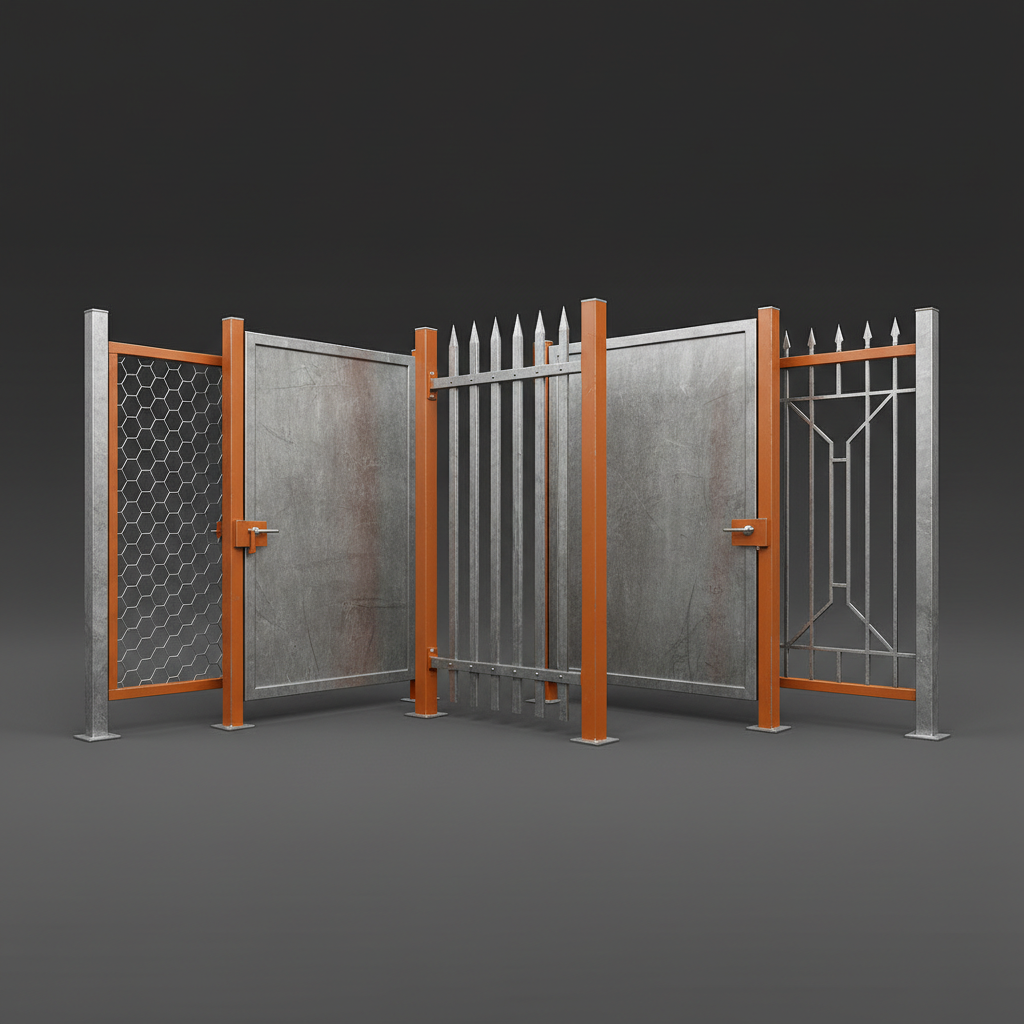
Different types of fence panels encompass a broad spectrum of materials and designs, each tailored to specific requirements. These can broadly be categorized into wood, vinyl, metal (including aluminum, steel, and chain-link), and composite options. Wood panels offer a classic aesthetic but require regular maintenance. Vinyl provides durability and low maintenance but can be more expensive upfront. Metal fences are renowned for their security and longevity, while composite panels combine the benefits of both wood and vinyl.
The selection process often hinges on balancing factors such as budget, aesthetic preferences, security needs, and the surrounding environment. Understanding the unique properties of each panel type is essential for ensuring a long-lasting and satisfactory result. For example, chain-link is favored for security in commercial settings, while a decorative wooden picket fence might be chosen for residential curb appeal.
Global Relevance and Market Overview
The demand for different types of fence panels is globally significant, driven by population growth, urbanization, and increasing security concerns. In developing nations, fencing often serves a fundamental role in defining property boundaries and protecting agricultural lands. Developed countries witness strong demand for residential fencing, perimeter security for commercial properties, and specialized fencing for infrastructure projects. The United Nations estimates that over half of the world’s population lives in urban areas, a trend that fuels demand for effective fencing solutions.
The fencing market is highly fragmented, with numerous regional manufacturers and suppliers. North America and Europe dominate the market share, followed by Asia-Pacific, which is experiencing rapid growth due to increased construction activity. Factors influencing market growth include rising disposable incomes, government investments in infrastructure, and evolving building codes. Sustainable fencing options are also gaining traction, driven by growing environmental awareness.
One key challenge in the industry is addressing the increasing demand for cost-effective and environmentally friendly materials. Traditional wood fencing can contribute to deforestation, while some vinyl products contain harmful chemicals. Innovations in composite materials and recycled plastics are helping to mitigate these concerns, offering viable alternatives for environmentally conscious consumers.
Key Characteristics of Fence Panels
Several key characteristics differentiate various types of fence panels. Durability is paramount, dictating the panel’s resistance to weathering, impact, and decay. Maintenance requirements vary significantly, with wood demanding regular staining or painting, while vinyl and composite panels require minimal upkeep. Aesthetic appeal plays a crucial role in residential applications, influencing property value and curb appeal.
Cost-effectiveness is another key consideration, encompassing both the initial purchase price and long-term maintenance expenses. Security level is paramount for commercial and industrial applications, where robust materials and height are essential. Finally, environmental impact is gaining increasing importance, with consumers seeking sustainable and eco-friendly fencing options.
These characteristics are interconnected; for example, a highly durable panel may come with a higher initial cost but lower long-term maintenance expenses, ultimately proving more cost-effective over its lifespan. Careful evaluation of these factors is crucial for selecting the optimal panel type for a specific application.
Performance Metrics and Comparative Analysis
Evaluating the performance of different types of fence panels requires a comparative analysis based on quantifiable metrics. Lifespan refers to the expected service life of the panel under normal conditions. Impact resistance, measured in foot-pounds, indicates the panel’s ability to withstand force. Weather resistance assesses the panel’s ability to withstand UV exposure, temperature fluctuations, and moisture. Maintenance frequency quantifies the amount of upkeep required over time.
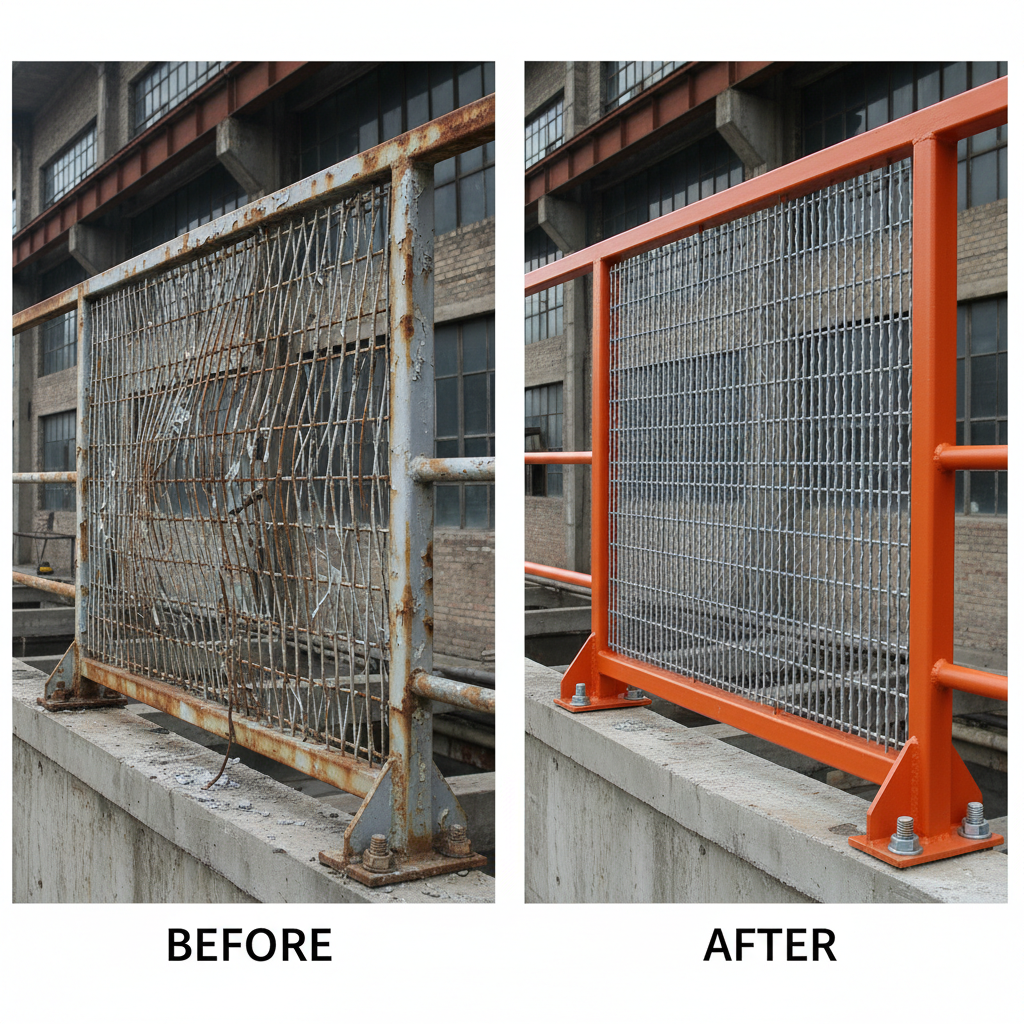
Comparing these metrics reveals significant differences between panel types. For instance, a pressure-treated wood panel might have a lifespan of 15-20 years with regular maintenance, while a vinyl panel could last 30+ years with minimal upkeep. Steel fences exhibit superior impact resistance but are susceptible to corrosion if not properly coated. Composite panels often strike a balance, offering good durability and low maintenance at a moderate cost.
Comparative Performance of Different Types of Fence Panels
Applications Across Industries
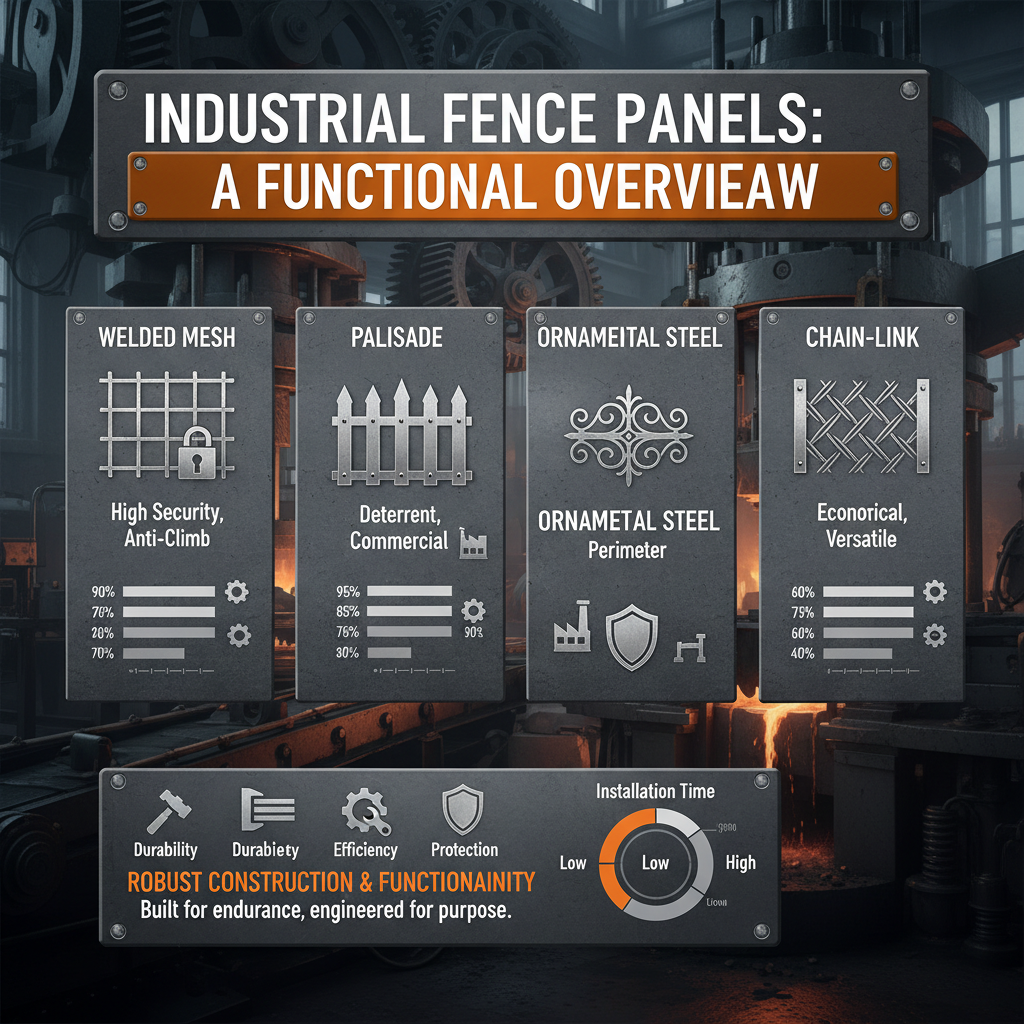
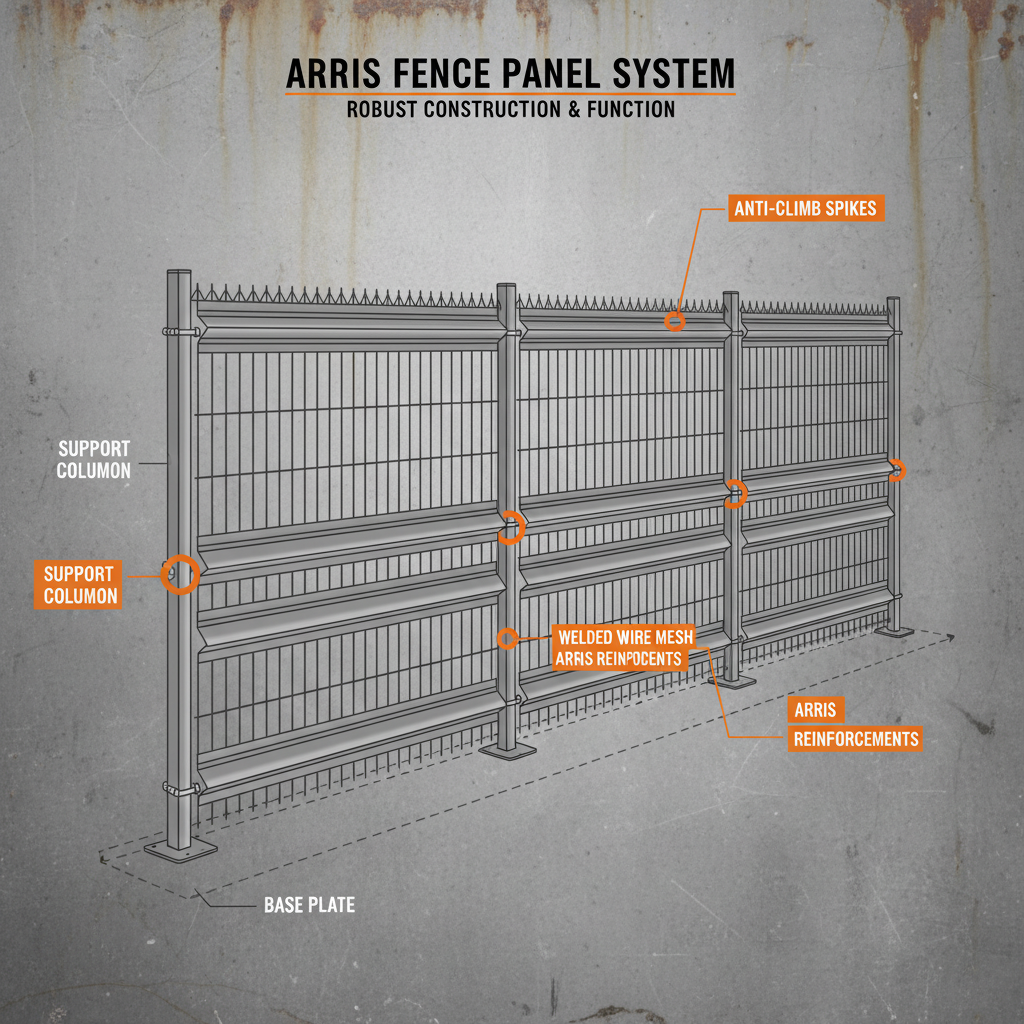
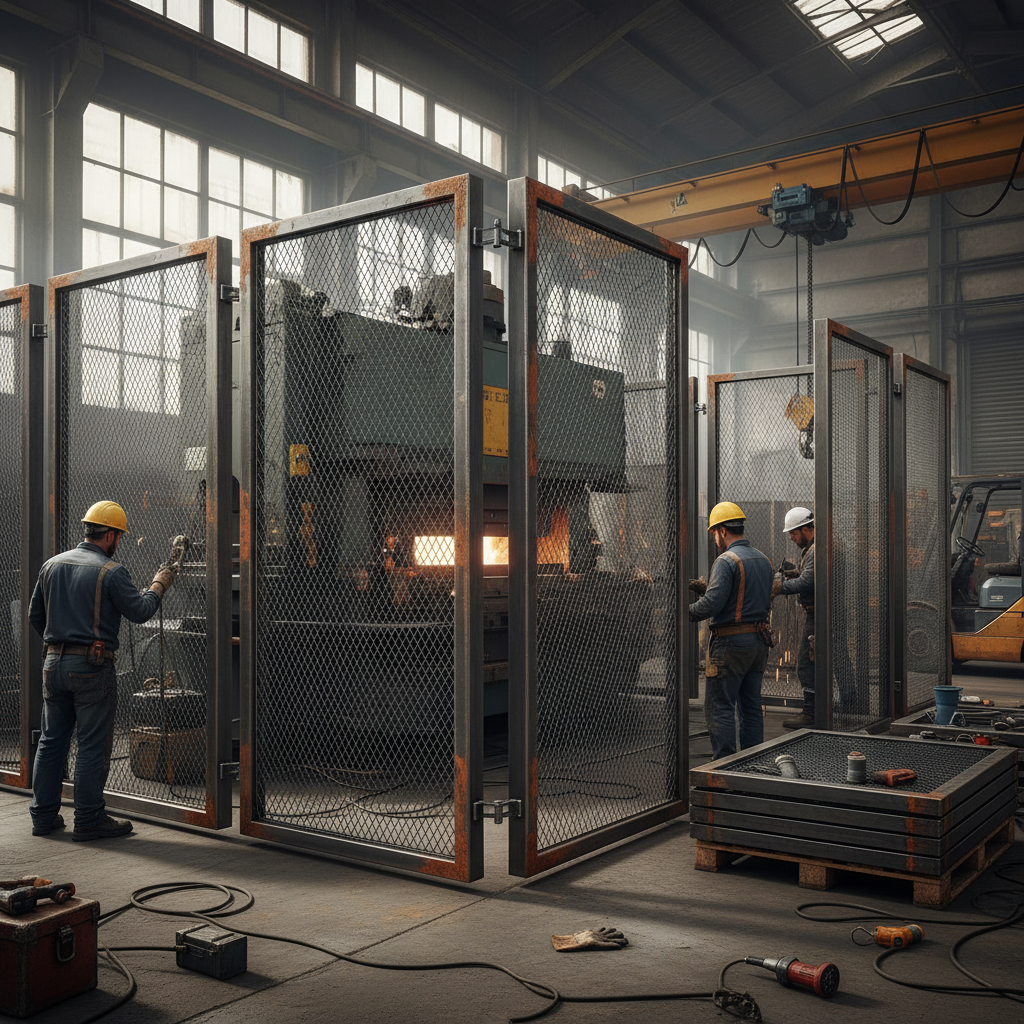
Different types of fence panels find diverse applications across various industries. In the residential sector, wood, vinyl, and ornamental iron fences are popular choices for property demarcation and aesthetic enhancement. Agricultural operations rely heavily on wire mesh and livestock panels to contain animals and protect crops. Commercial and industrial facilities often employ chain-link and steel fences for perimeter security and access control.
Furthermore, municipalities utilize fencing for parks, schools, and public spaces, prioritizing safety and durability. Construction sites employ temporary fencing to secure materials and prevent unauthorized access. Even specialized applications exist, such as noise barriers along highways using concrete or composite panels, demonstrating the versatility of fencing solutions.
Long-Term Value and Sustainability
Investing in quality fence panels offers significant long-term value, extending beyond initial cost savings. Durable materials reduce the need for frequent replacements, minimizing lifecycle expenses. Low-maintenance panels, such as vinyl and composite, save time and resources on upkeep. A well-maintained fence enhances property aesthetics, potentially increasing property value.
Increasingly, sustainability is a key consideration. Choosing recycled materials, responsibly sourced wood, or long-lasting panels reduces environmental impact. Proper disposal or recycling of old fencing materials is also crucial. By prioritizing sustainability, homeowners and businesses can contribute to a more environmentally responsible approach to perimeter security and property enhancement.
The overall benefit of opting for a high-quality, sustainable fence panel is not just financial; it’s about creating a durable, aesthetically pleasing, and environmentally conscious solution that enhances property value and contributes to a better future.
Future Innovations and Emerging Trends
The fencing industry is experiencing a wave of innovation, driven by advancements in materials science and digital technology. Smart fencing systems incorporating sensors and connectivity are emerging, offering features such as intrusion detection, remote monitoring, and automated gate control. Bio-based composite materials derived from agricultural waste are gaining traction as sustainable alternatives to traditional plastics. 3D-printed fencing offers the potential for customized designs and rapid prototyping.
Furthermore, self-healing polymers are being developed to enhance the durability of vinyl and composite panels. Nanotechnology is being explored to improve the UV resistance and impact strength of fencing materials. The integration of solar power into fence panels is also gaining momentum, enabling self-powered lighting and security features.
These advancements promise to transform the fencing landscape, offering greater functionality, sustainability, and aesthetic versatility. As technology continues to evolve, expect to see even more innovative solutions emerge, catering to the evolving needs of homeowners, businesses, and municipalities alike.
Summary of Key Considerations for Choosing Fence Panel Materials
| Material Type |
Typical Lifespan (Years) |
Maintenance Level (1-5, 1=Low) |
Estimated Cost (per Linear Foot) |
| Wood (Pressure-Treated) |
15-25 |
4 |
$8 - $15 |
| Vinyl |
30+ |
1 |
$15 - $30 |
| Aluminum |
20+ |
2 |
$20 - $40 |
| Steel (Galvanized) |
25+ |
3 |
$18 - $35 |
| Composite (Wood-Plastic) |
25-30 |
2 |
$25 - $45 |
| Chain-Link |
15-20 |
1 |
$5 - $10 |
FAQS
Vinyl fence panels offer significant advantages over wood, including superior durability, minimal maintenance requirements, and resistance to rot, insect damage, and weathering. Unlike wood, vinyl doesn’t require staining, painting, or sealing, saving both time and money. Vinyl fences also boast a longer lifespan, often exceeding 30 years, making them a cost-effective investment in the long run. Furthermore, vinyl is available in a wide range of colors and styles, mimicking the aesthetic appeal of wood without the associated upkeep.
Aluminum fencing is generally more affordable than steel or wrought iron options, although the price can vary based on style, height, and gauge. Aluminum is lighter in weight, making it easier to install and potentially reducing labor costs. While steel and wrought iron offer superior strength, aluminum provides excellent corrosion resistance, eliminating the need for frequent painting or coating. For homeowners seeking a durable and aesthetically pleasing fence without the premium price tag of steel or wrought iron, aluminum presents a viable alternative.
Composite fence panels can be a more environmentally friendly option compared to traditional wood fencing, as they often utilize recycled plastic and wood fibers, reducing reliance on virgin materials. However, the environmental impact depends on the specific manufacturing process and the source of the recycled content. Look for panels certified by reputable organizations that prioritize sustainability. Choosing composite fencing also helps reduce deforestation, as it requires less wood than traditional fencing.
Chain-link fence installation typically involves setting posts in concrete footings, stretching the fabric tightly between the posts, and securing it with tension wires and fittings. Proper grounding may be required for galvanized or coated chain-link to prevent corrosion. Installation requires specialized tools and some experience, making it a suitable DIY project for experienced homeowners or best left to professional installers. Local building codes may dictate specific height or setback requirements.
Protecting a wooden fence from moisture and insect damage requires regular maintenance. Applying a high-quality wood preservative or sealant annually can help repel water and prevent rot. Inspect the fence regularly for signs of insect activity, such as termite damage or carpenter bee holes. Treat any infestations promptly with appropriate insecticides. Ensuring proper drainage around the fence can also minimize moisture exposure. Consider using pressure-treated wood for enhanced durability.
A properly maintained composite fence can have an expected lifespan of 25 to 30 years, and in some cases, even longer. Composite materials are resistant to rot, decay, and insect damage, contributing to their longevity. Regular cleaning with soap and water can prevent the buildup of dirt and mildew. While composite fences are generally low-maintenance, occasional repairs may be needed to address minor damage or loose panels. Choosing a high-quality composite material from a reputable manufacturer is crucial for maximizing its lifespan.
Conclusion
Different types of fence panels serve a crucial role in property security, aesthetics, and functionality. Understanding the diverse range of materials, characteristics, and applications is paramount for making informed decisions. From traditional wood and durable vinyl to robust metal and sustainable composite options, the right fence panel can significantly enhance property value, provide lasting protection, and contribute to a more appealing landscape.
Looking ahead, innovation in materials science and digital technology promises to revolutionize the fencing industry, offering smarter, more sustainable, and aesthetically versatile solutions. By embracing these advancements and prioritizing quality, homeowners and businesses can ensure a long-lasting and effective perimeter solution. For a comprehensive selection of different types of fence panels, visit our website at www.hbhou.com.