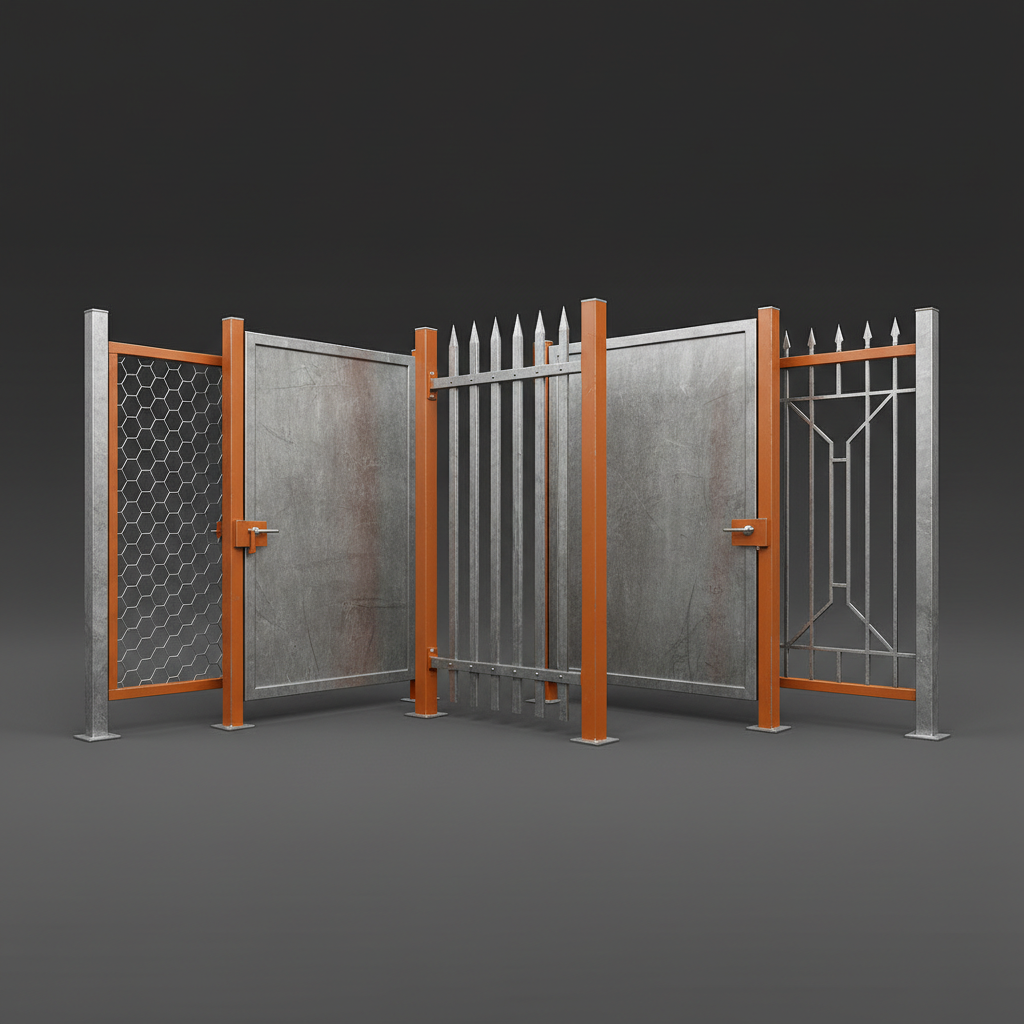
Composite gate panels are rapidly becoming a favored choice across numerous industries, from agricultural fencing to high-security perimeter protection. Their innovative blend of materials delivers a unique combination of strength, durability, and aesthetic appeal, addressing the evolving needs of modern infrastructure and security solutions. Understanding the benefits and applications of these panels is crucial for professionals seeking cost-effective and long-lasting fencing options.
The global demand for robust and reliable fencing is consistently rising, driven by factors like increasing urbanization, infrastructure development, and heightened security concerns. Composite gate panels offer a compelling alternative to traditional materials like wood, steel, and aluminum, overcoming many of their limitations. This creates opportunities for manufacturers, installers, and end-users alike to benefit from superior performance and reduced lifecycle costs.
Investing in composite gate panels isn’t simply a purchase; it’s an investment in longevity, reduced maintenance, and enhanced security. They represent a forward-thinking approach to fencing, adapting to evolving design trends and environmental requirements.
The Evolution and Significance of Composite Gate Panels
The development of composite gate panels marks a significant step forward in fencing technology. Historically, fencing relied heavily on materials like wood and metal, each with inherent drawbacks in terms of maintenance, longevity, and cost. Composite materials, combining the best attributes of different substances, have addressed these shortcomings, offering a robust and sustainable solution.
The initial impetus for composite panels came from the need for fencing that could withstand harsh environmental conditions, resist corrosion, and require minimal upkeep. This demand led to the innovation of combining materials like wood fibers and recycled plastics, creating a product that is both strong and environmentally responsible.
Understanding Composite Gate Panels: A Detailed Definition
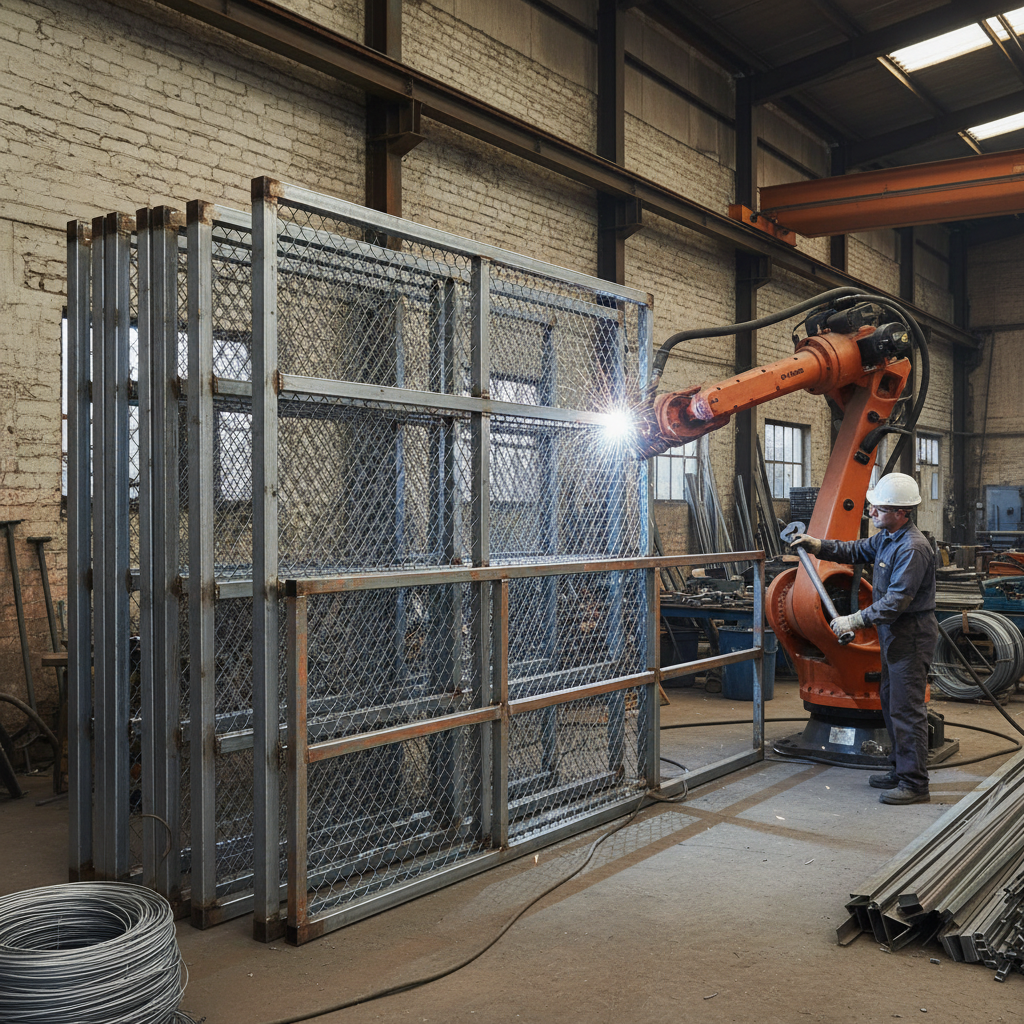
Composite gate panels are engineered fencing solutions crafted from a combination of materials – typically wood fibers, recycled plastics, and binding agents. This blend delivers a product that surpasses the limitations of traditional fencing materials, offering superior strength, durability, and resistance to environmental degradation. They are often manufactured through an extrusion process, resulting in panels with consistent dimensions and a smooth, aesthetically pleasing finish.
Unlike traditional wooden fences prone to rot and requiring frequent painting or staining, or metal fences susceptible to rust and corrosion, composite gate panels are designed to withstand the elements with minimal maintenance. They are highly resistant to moisture, insects, and UV radiation, ensuring a long service life.
The connection to modern industry lies in the increasing demand for sustainable and cost-effective solutions. Composite panels represent a responsible choice, utilizing recycled materials and reducing the environmental impact associated with frequent replacement of traditional fencing.
Core Components and Key Characteristics
Several core components contribute to the exceptional performance of composite gate panels. The primary ingredient is often wood fiber, sourced from sustainable forestry practices or recycled wood waste. This provides the structural backbone of the panel, offering strength and rigidity.
Recycled plastics, typically polyethylene (PE) or polypropylene (PP), are another critical component. These plastics act as a binding agent, encapsulating the wood fibers and providing resistance to moisture, insects, and decay. The percentage of recycled plastic used significantly contributes to the panel's environmental profile.
Additional additives, such as UV inhibitors and color pigments, are incorporated to enhance the panel's performance and aesthetic appeal. These additives protect the composite material from the damaging effects of sunlight and provide a range of color options to suit different design preferences.
Composite Gate Panels: Performance Metrics and Applications
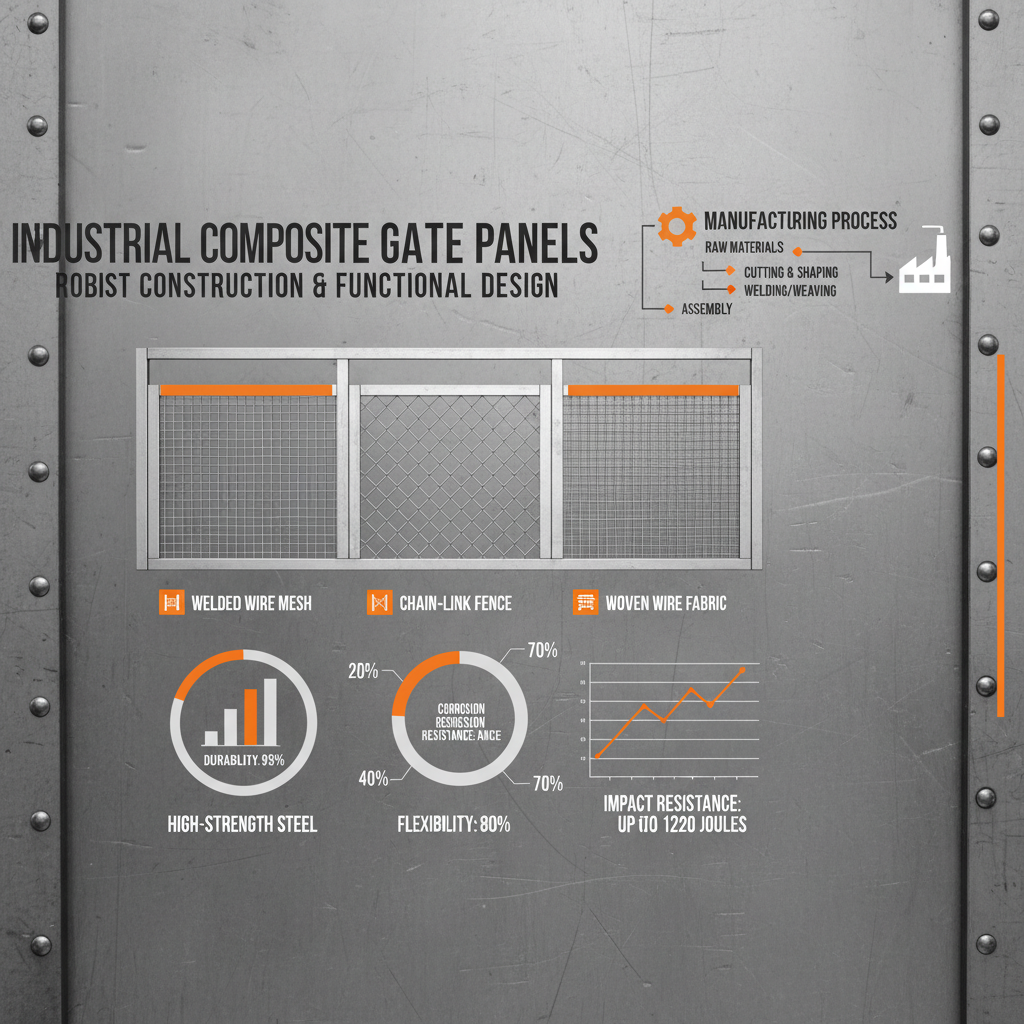
The performance of composite gate panels can be assessed based on several key metrics. Tensile strength, measured in pounds per square inch (PSI), indicates the panel’s resistance to breaking under tension. Flexural strength, also measured in PSI, determines its ability to withstand bending forces. Moisture absorption rates are crucial for evaluating long-term durability, with lower absorption indicating greater resistance to water damage.
These panels find widespread application in residential fencing, providing privacy, security, and aesthetic appeal. Commercial applications include perimeter fencing for industrial properties, schools, and recreational facilities. They are also increasingly used in agricultural settings for livestock containment and crop protection.
Composite Gate Panels: Comparative Performance
Global Applications and Real-World Implementations
Composite gate panels are gaining traction globally, finding applications in diverse environments and industries. In the agricultural sector, particularly in regions with challenging climates like Australia and the American Southwest, they provide durable and low-maintenance fencing for livestock containment and protection from predators.
In Europe, where environmental sustainability is a major focus, composite panels are being increasingly adopted for residential and commercial fencing, driven by their recycled content and reduced carbon footprint. They are also utilized in public parks and recreational areas, offering a safe and aesthetically pleasing alternative to traditional fencing.
Post-disaster relief efforts benefit from the quick installation and durability of composite fencing, providing temporary shelters and secure perimeters in affected areas. Their resistance to corrosion also makes them ideal for coastal regions prone to saltwater exposure.
Advantages and Long-Term Value Proposition
The advantages of composite gate panels extend beyond their initial cost-effectiveness. Reduced maintenance requirements translate to significant long-term savings, eliminating the need for frequent painting, staining, or repairs. Their resistance to rot, insects, and UV degradation ensures a longer service life compared to traditional materials.
From a sustainability perspective, the use of recycled plastics contributes to a circular economy, reducing landfill waste and conserving natural resources. The inherent safety of composite materials, lacking splinters or sharp edges, further enhances their value, particularly in residential applications.
Future Trends, Challenges, and Innovative Solutions
Future trends in composite gate panel technology include the development of even more sustainable materials, such as bio-based plastics derived from renewable sources. Advanced manufacturing techniques, like co-extrusion, will enable the creation of panels with enhanced aesthetic appeal and improved performance characteristics.
A key challenge lies in addressing concerns about the potential for microplastic release from composite materials over time. Ongoing research is focused on developing more robust binding agents and surface coatings to minimize this risk. Another area of innovation is the integration of smart technologies, such as embedded sensors for security monitoring and remote access control.
Continued innovation in composite materials science will undoubtedly unlock further opportunities for enhancing the performance, sustainability, and functionality of composite gate panels, solidifying their position as a leading fencing solution for the future.
Composite Gate Panels: A Comparative Analysis of Key Attributes
| Material Composition |
Environmental Impact |
Maintenance Requirements |
Long-Term Cost |
| 60% Recycled Plastic, 40% Wood Fiber |
High – Reduces Landfill Waste |
Minimal – Occasional Cleaning |
Low – Long Service Life |
| 70% Recycled Plastic, 30% Bamboo Fiber |
Very High – Sustainable Resource |
Very Low – Virtually Maintenance-Free |
Very Low – Exceptional Durability |
| 50% Recycled Plastic, 50% Hardwood Fiber |
Moderate – Uses Recycled Content |
Low – Periodic Cleaning |
Moderate – Good Longevity |
| 80% Recycled Plastic, 20% Rice Husks |
Extremely High – Utilizes Agricultural Waste |
None – Self-Cleaning |
Lowest – Minimal Replacement Costs |
| 65% Recycled Plastic, 35% Coffee Husk Fiber |
High – Converts Waste into Value |
Low – Simple Wash Down |
Low – High Resistance to Degradation |
| 75% Recycled Plastic, 25% Coconut Fiber |
Very High – Utilizes a Renewable Resource |
Minimal – Low Absorption Rate |
Very Low – Optimal Cost-Effectiveness |
FAQS
Composite gate panels are primarily constructed from a blend of recycled plastics, typically polyethylene (PE) or polypropylene (PP), and wood fibers or other sustainable materials like rice husks or bamboo. This combination provides a durable and weather-resistant fencing solution with a reduced environmental impact.
Composite gate panels require significantly less maintenance than traditional wood fencing. Wood fences need regular painting, staining, or sealing to protect against rot, insects, and UV damage. Composite panels, however, are resistant to these elements and typically only require occasional cleaning with soap and water.
Yes, composite gate panels are considered environmentally friendly due to their use of recycled materials. By utilizing recycled plastics, they help reduce landfill waste and conserve natural resources. Additionally, many manufacturers source wood fibers from sustainable forestry practices, minimizing the impact on forests.
Composite gate panels generally have a lifespan of 20-25 years, significantly longer than traditional wood fencing, which typically lasts 10-15 years. Their resistance to rot, insects, and UV degradation contributes to their longevity and reduces the need for frequent replacements.
While some composite gate panels come pre-colored, they can often be painted or stained if desired. However, it's important to use paints or stains specifically formulated for use on composite materials to ensure proper adhesion and prevent damage. Check the manufacturer's recommendations for specific instructions.
Yes, composite gate panels are highly resistant to extreme weather conditions. They can withstand high winds, heavy rain, snow, and fluctuating temperatures without significant damage. Their resistance to moisture prevents warping, cracking, and rot, making them ideal for diverse climates.
Conclusion
In conclusion, composite gate panels represent a significant advancement in fencing technology, offering a compelling combination of durability, sustainability, and cost-effectiveness. Their ability to withstand harsh weather conditions, resist pests and rot, and require minimal maintenance makes them a superior alternative to traditional materials like wood and metal. Their increasing adoption globally reflects a growing demand for responsible and long-lasting infrastructure solutions.
Looking ahead, continued innovation in materials science and manufacturing processes will further enhance the performance and environmental benefits of composite gate panels. We encourage exploring these solutions for your fencing needs and visiting our website at composite gate panels to learn more about our comprehensive range of products and services.