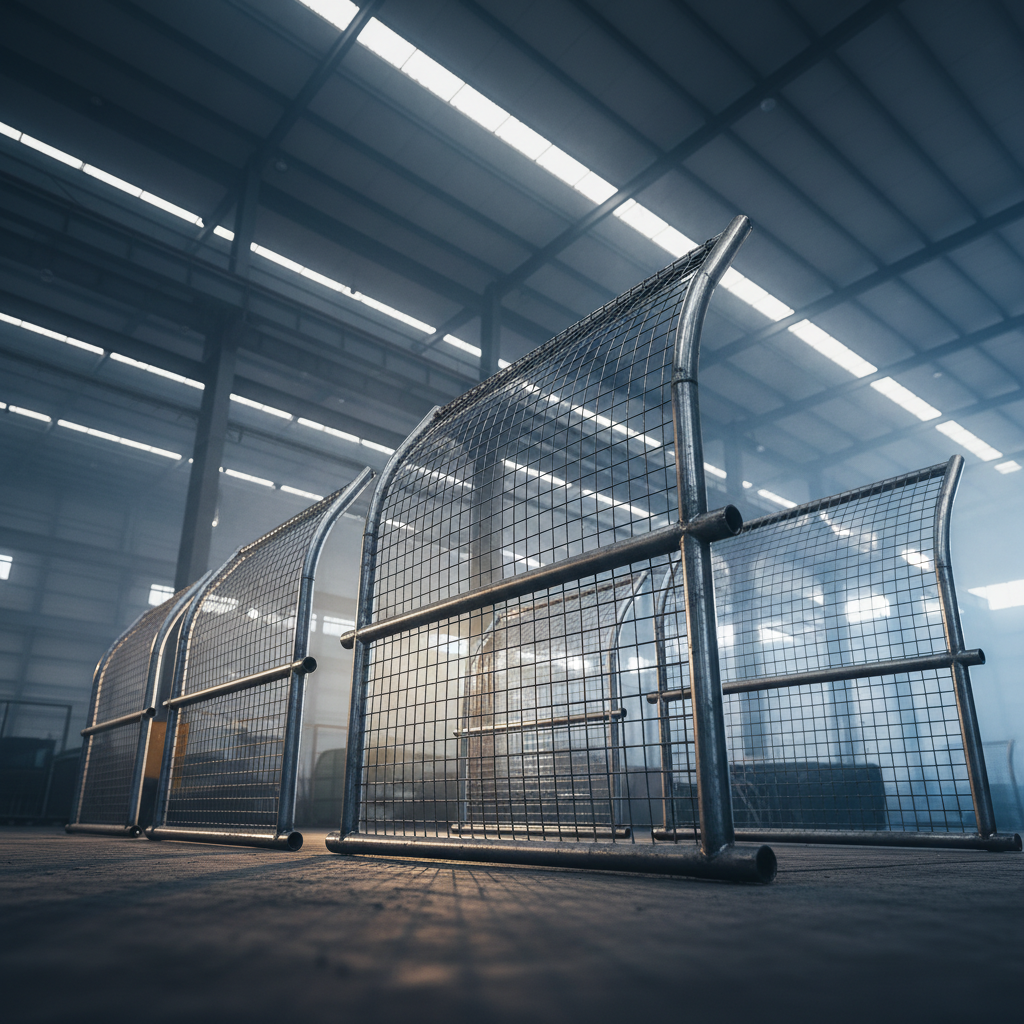
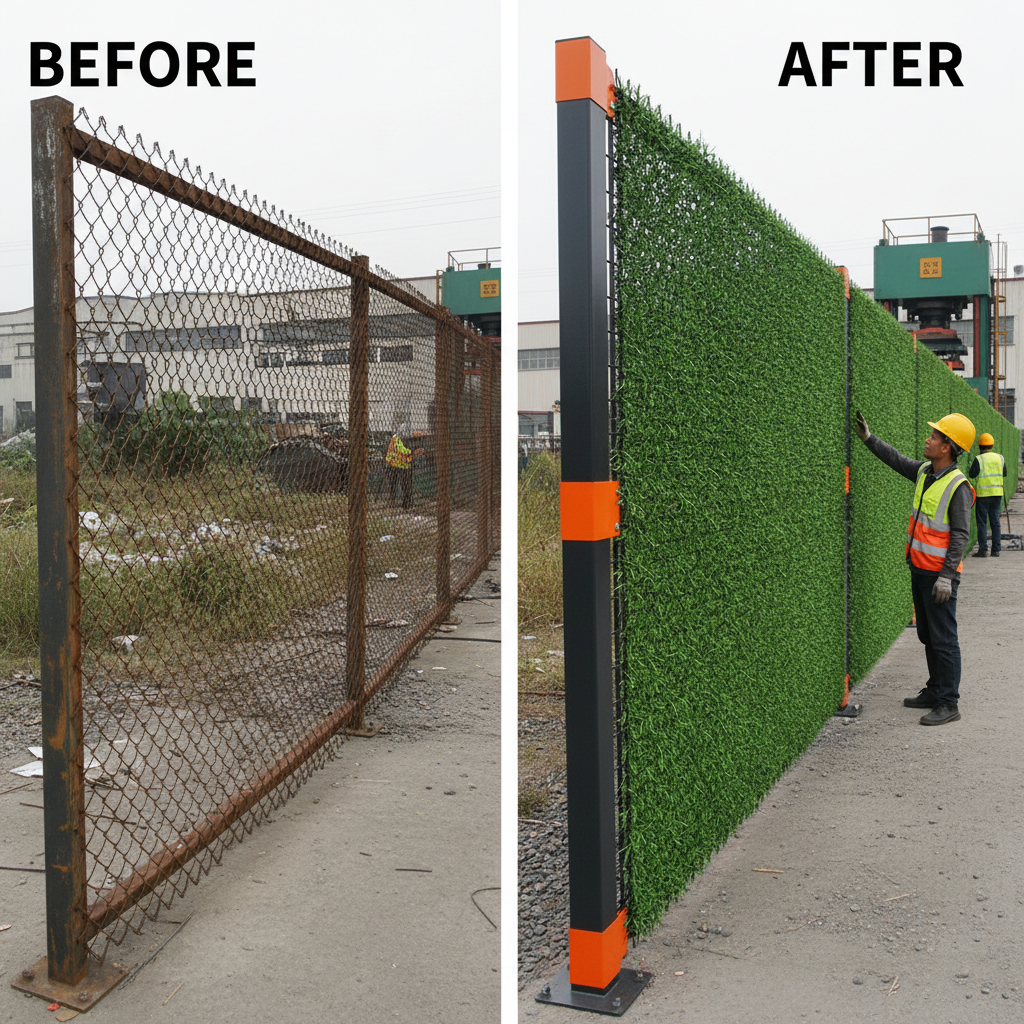
Look, I’ve spent the last fifteen years knee-deep in dust and concrete, watching building materials get put to the test. And let me tell you, when it comes to fencing, the shift to composite garden fence panels isn’t just a trend, it’s a downright smart move. We’re talking about a material that addresses a lot of the headaches we used to have with traditional wood – the rot, the warping, the constant maintenance. It’s a game changer for contractors, homeowners, and frankly, anyone who wants a fence that actually lasts.
The demand is rising, that’s for sure. I'm seeing more and more projects specifying composite, and it's not just the higher-end stuff. People are realizing the long-term cost savings are significant. Replacing a wood fence every decade or so adds up, and the labor alone is a killer. The initial investment in composite garden fence panels might be a bit higher, but the reduced maintenance and extended lifespan more than offset that over time. I’ve seen the numbers on several jobs now.
And it’s not just about cost. There's a growing awareness of sustainability, too. Folks are looking for building materials that aren’t contributing to deforestation. Composite fencing often incorporates recycled materials, which is a big plus. Plus, from a practical standpoint on site, they're a lot easier to handle than heavy, awkward wood planks. Less waste, less hassle, happier crews.
The Rise of Composite Garden Fence Panels
I’ve noticed a real uptick in the use of composite garden fence panels over the last five years. It's moved from being a niche product for those wanting a specific look to a serious contender against traditional wood and vinyl. What's driving this? Honestly, it's the practicality. Contractors are tired of dealing with rot and constant repairs. Homeowners are tired of the upkeep. Composite fencing offers a durable, low-maintenance alternative.
The global construction industry is a massive market, and fencing is a significant component of that. With increasing urbanization and a growing focus on property values, demand for durable and aesthetically pleasing fencing solutions is only going to increase. Composite materials are well-positioned to capture a large share of that market. We're talking about a multi-billion dollar industry, and composite garden fence panels are becoming a key player.
Defining Composite Garden Fence Panels
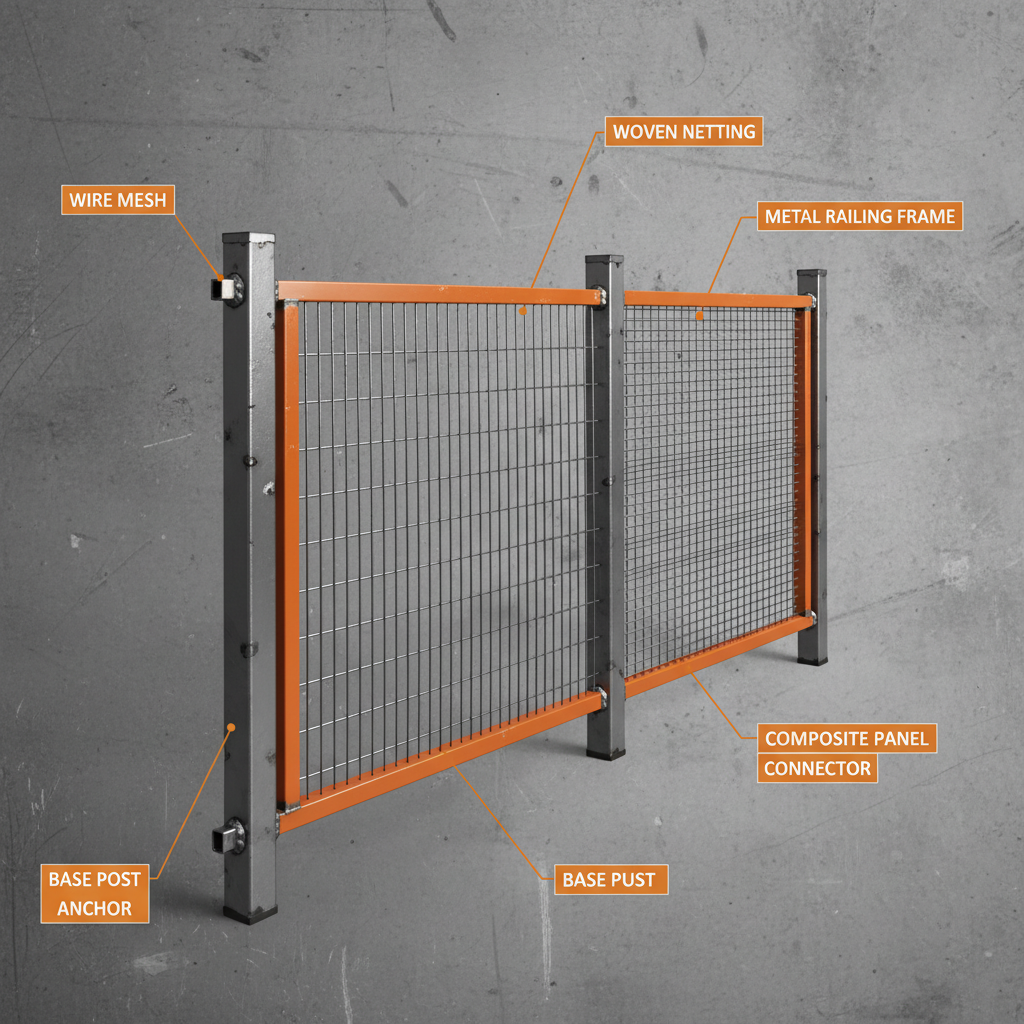
Essentially, composite garden fence panels are manufactured from a blend of wood fibers and plastic, typically polyethylene. It’s not like slapping some paint on wood; this is a fundamental change in material composition. The wood fibers provide the natural look and feel, while the plastic offers resistance to moisture, rot, and insects. It’s engineered to be tougher and longer-lasting than traditional wood.
This isn’t a new concept, mind you. Composites have been used in decking for years, and the technology is now being refined and applied to fencing. It connects to the broader push for sustainable building materials. We're seeing similar innovations in siding, roofing, and other exterior applications. It’s a move towards materials that are less reliant on constantly depleting natural resources.
The real beauty is that the manufacturing process allows for a lot of customization. You can get composite fencing in a wide range of colors, textures, and styles, mimicking the look of cedar, redwood, or even vinyl. And, importantly, it can be installed using similar techniques and tools as traditional fencing. That makes the transition easier for contractors and homeowners alike.
Key Factors Driving Adoption
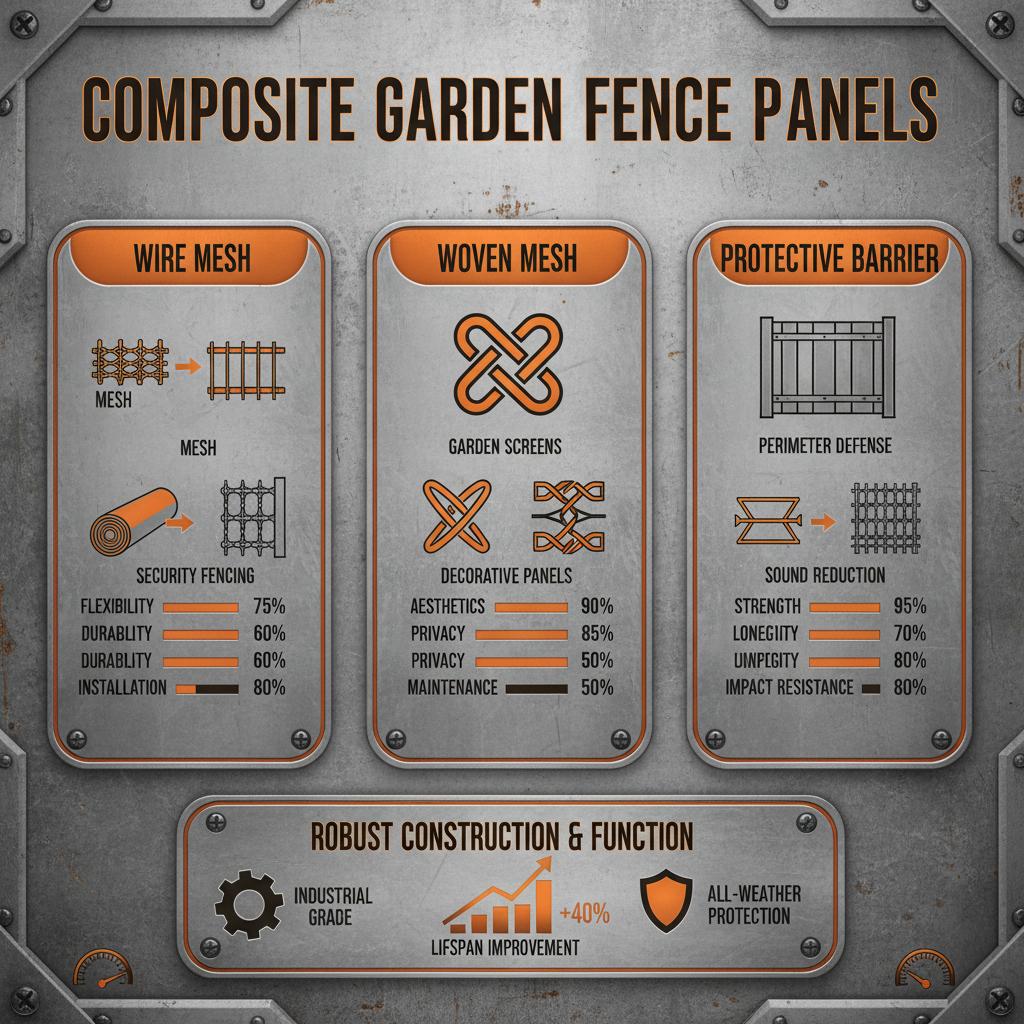
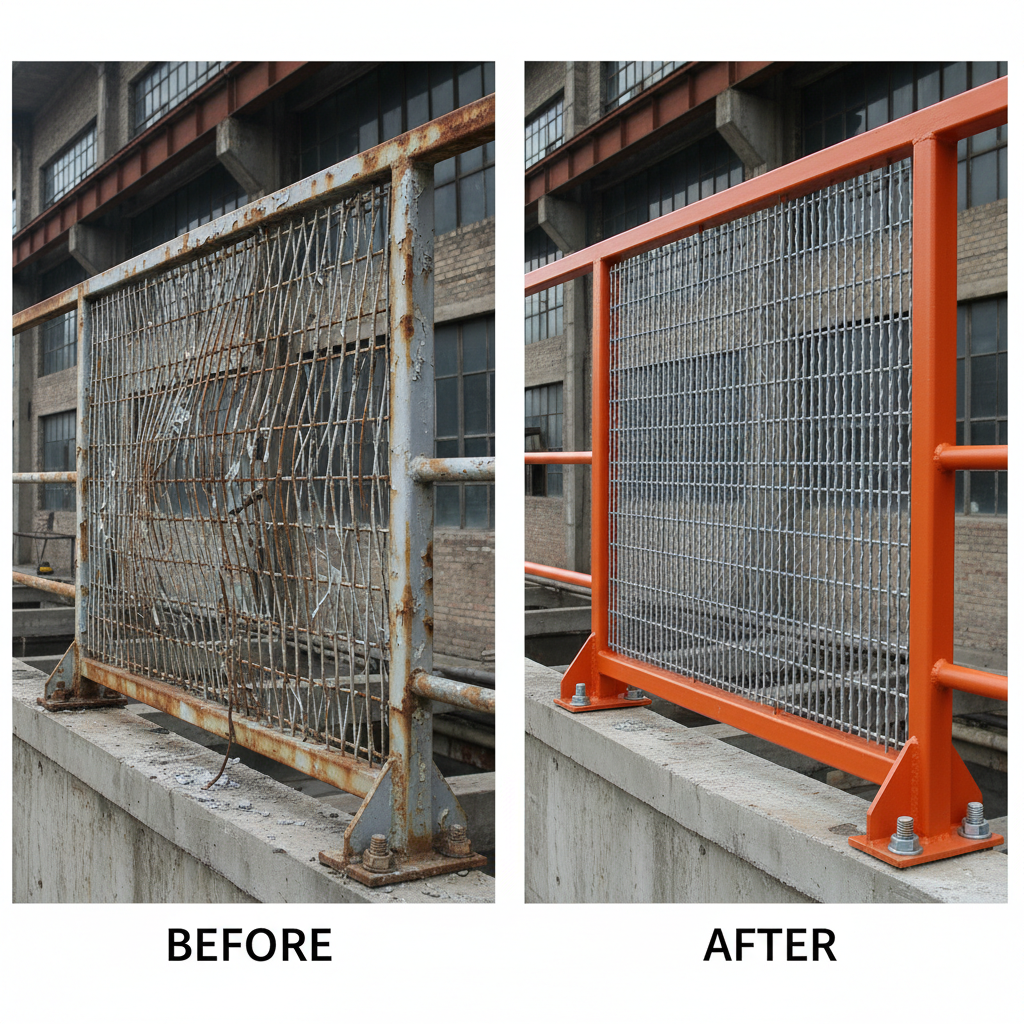
Durability is the big one, without question. I’ve seen composite fences withstand weather conditions that would have decimated a wood fence in a few years. No warping, no cracking, no need for constant sealing or staining. It’s built to last, and that translates to long-term savings.
Low Maintenance is another huge factor. Homeowners are busy, and they don't want to spend their weekends painting or repairing fences. A simple wash with soap and water is usually all it takes to keep a composite fence looking good. That’s a big selling point, and contractors can highlight that to their clients.
Aesthetic appeal is also key. Composite fencing can be manufactured to look remarkably like natural wood, offering the same curb appeal without the drawbacks. Plus, the color options are much more varied and consistent than with wood, which can fade and change over time.
Global Applications and Use Cases
You’re seeing composite garden fence panels pop up everywhere – residential neighborhoods, commercial properties, even agricultural settings. I’ve done installations for everything from simple backyard privacy fences to large-scale perimeter security systems. The versatility is impressive.
In coastal regions, where saltwater and humidity are major concerns, composite fencing is becoming increasingly popular because of its resistance to corrosion. I did a job in Florida last year where a homeowner had been replacing a wood fence every three years due to saltwater damage. The composite fence is holding up beautifully.
Composite Garden Fence Panel Market Share by Application
Advantages and Long-Term Value
Let's talk about the bottom line. The initial cost of composite garden fence panels is higher, no getting around that. But you're not just buying a fence; you're buying peace of mind. You're buying years of saved labor and maintenance costs. You're buying a product that’s going to look good for a long time.
From an environmental perspective, the use of recycled materials and the reduction in wood consumption contribute to a more sustainable building practice. It’s a win-win. And, frankly, a well-maintained fence adds value to a property. It shows pride of ownership and enhances curb appeal.
Future Trends & Innovations
I'm seeing more and more research going into enhancing the wood-to-plastic ratio in composite fencing, aiming for an even more natural look and feel while maintaining durability. There’s also work being done on improving the UV resistance of the materials to prevent fading.
We might even see smart fencing solutions integrated with composite materials – things like built-in lighting, security sensors, or even solar panels. The possibilities are endless. As technology advances, composite fencing will only become more sophisticated and versatile.
Challenges and Solutions
One of the biggest challenges is still the initial cost. It’s a barrier for some homeowners, but we need to educate them about the long-term savings. Show them the numbers, explain the reduced maintenance, and highlight the increased property value.
Another challenge is ensuring proper installation. Composite fencing requires specific techniques and fasteners to prevent warping or cracking. Training installers is crucial. Proper gapping and support are critical to ensuring a fence doesn't fail over time.
Finally, there's the issue of recyclability at the end of the fence's lifespan. We need to develop better systems for recycling composite materials and diverting them from landfills. That’s where innovation and industry collaboration will be key.
Summary of Common Challenges and Solutions for Composite Garden Fence Panels
| Challenge |
Impact on Project |
Proposed Solution |
Implementation Cost (Scale 1-10) |
| High Initial Cost |
Budget constraints, homeowner hesitation |
Life-cycle cost analysis, financing options |
3 |
| Incorrect Installation |
Warping, cracking, premature failure |
Certified installer training, detailed installation guides |
6 |
| Limited Recyclability |
Environmental concerns, landfill waste |
Industry-wide recycling programs, material innovation |
7 |
| Color Fading (UV Exposure) |
Aesthetic deterioration, reduced curb appeal |
UV-resistant coatings, darker pigment options |
4 |
| Material Availability |
Project delays, increased costs |
Stronger supplier relationships, inventory management |
5 |
| Lack of Consumer Awareness |
Slow adoption rate, preference for traditional materials |
Marketing campaigns, educational materials |
2 |
FAQS
Composite fencing, when installed correctly with proper posts and bracing, can withstand significant wind loads. It's generally more flexible than wood, which allows it to bend and flex with the wind rather than break. The specific wind resistance will depend on the fence height, post spacing, and the overall design. I always recommend checking local building codes for wind load requirements.
Unlike wood, composite fencing doesn’t provide a food source for mold or mildew. However, dirt and algae can accumulate on the surface, creating a greenish tinge. This is easily cleaned with a mild soap and water solution. Choosing a composite with built-in mildew inhibitors can further minimize this issue.
Typically, composite fencing is slightly more expensive upfront than vinyl fencing. However, composite generally offers a more natural wood-look appearance. Vinyl can become brittle over time and is more susceptible to cracking in cold weather. The longevity and reduced maintenance of composite often make it a more cost-effective choice in the long run.
Most composite fencing manufacturers don't recommend painting or staining their products. The composite materials are designed to maintain their color and appearance without additional coatings. Painting can void the warranty and may not adhere properly to the surface. However, some manufacturers offer pre-colored composites or allow for light surface treatments.
A properly installed composite garden fence panel can easily last 25-30 years, and potentially even longer. The lifespan depends on the quality of the materials, the climate, and the maintenance performed. That’s a significant advantage over wood, which typically needs to be replaced every 10-15 years.
Absolutely. Composite fencing is an excellent choice for pool enclosures because it's resistant to water damage, chlorine, and other pool chemicals. It won’t rot, warp, or splinter, making it a safe and durable option. It also provides a visually appealing barrier around the pool area.
Conclusion
Ultimately, composite garden fence panels represent a smart investment for anyone looking for a durable, low-maintenance, and aesthetically pleasing fencing solution. They address many of the shortcomings of traditional materials while offering long-term cost savings and environmental benefits. It's a material that’s here to stay, and I expect to see even wider adoption in the years to come.
If you’re considering a new fence, do your research, talk to experienced contractors, and explore the options available. HB Hou offers a wide range of composite fencing solutions to meet your needs and budget. Visit our website at www.hbhou.com to learn more and get a quote.