You know, been running around construction sites all year, getting dust in my teeth and smelling concrete. These days, everyone’s talking about prefabrication. It’s the buzzword, right? Like it’s some revolutionary idea. To be honest, it's not new, we’ve been doing modular stuff for ages. But the scale… the push for efficiency… that’s what’s different now. Everyone wants things faster, cheaper, and with less waste. Easier said than done, believe me.
And the material choices… that’s a whole other can of worms. Seems like every week there’s a ‘miracle material’ promising the world. Carbon fiber, graphene-infused concrete, self-healing polymers… they all sound good in the brochure. But on the ground, it's about practicality. Will it survive a dropped hammer? Can a guy actually work with it without needing a PhD? That’s what matters.
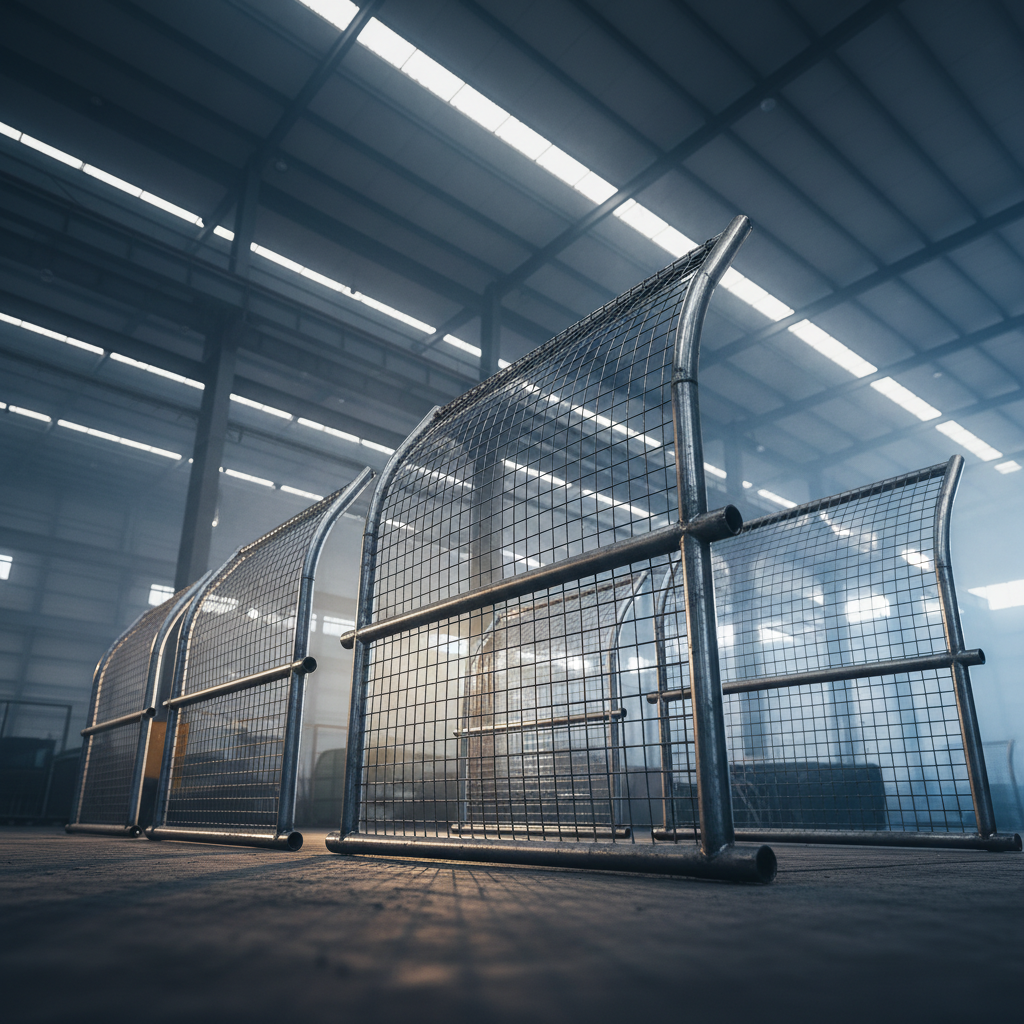
There’s a lot of hype around these new materials, don't get me wrong, but sometimes the old stuff is just…reliable. Like good ol’ galvanized steel. Smells like metal, feels solid, and you know it'll hold. I was at a factory in Wuxi last time, and they were trying to switch to this new lightweight alloy for scaffolding. Looked slick, felt flimsy. I told them right then, “That’s not going to fly.” They didn't listen. Later… forget it, I won't mention it.
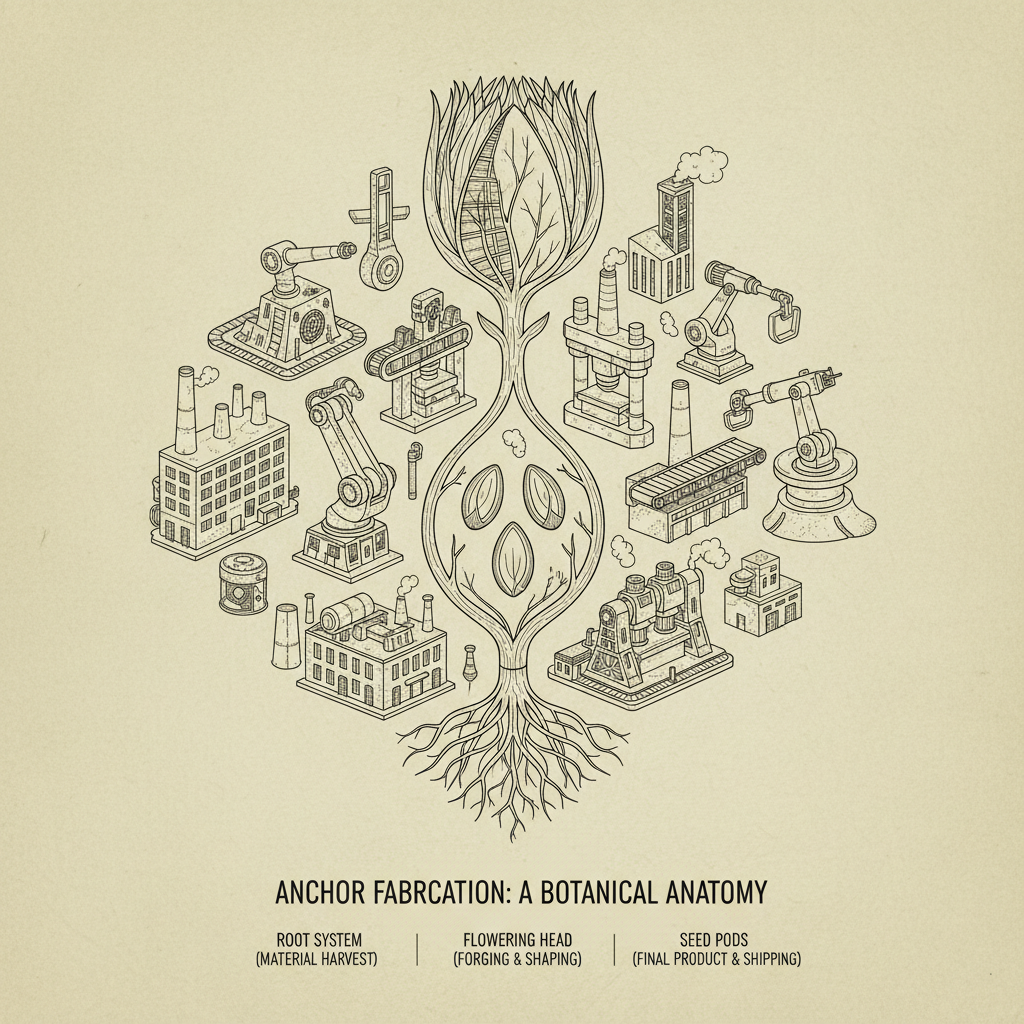

Have you noticed how everyone is chasing ‘smart’ everything? Smart buildings, smart materials… it’s exhausting. And that often leads to over-engineered designs. Too many sensors, too much complexity. It's a classic trap. Simple, robust designs are almost always better in the long run. I've seen so many projects delayed because some engineer insisted on adding a ‘feature’ that no one actually needed. They get caught up in the potential, not the reality of getting it built, installed, and maintained.
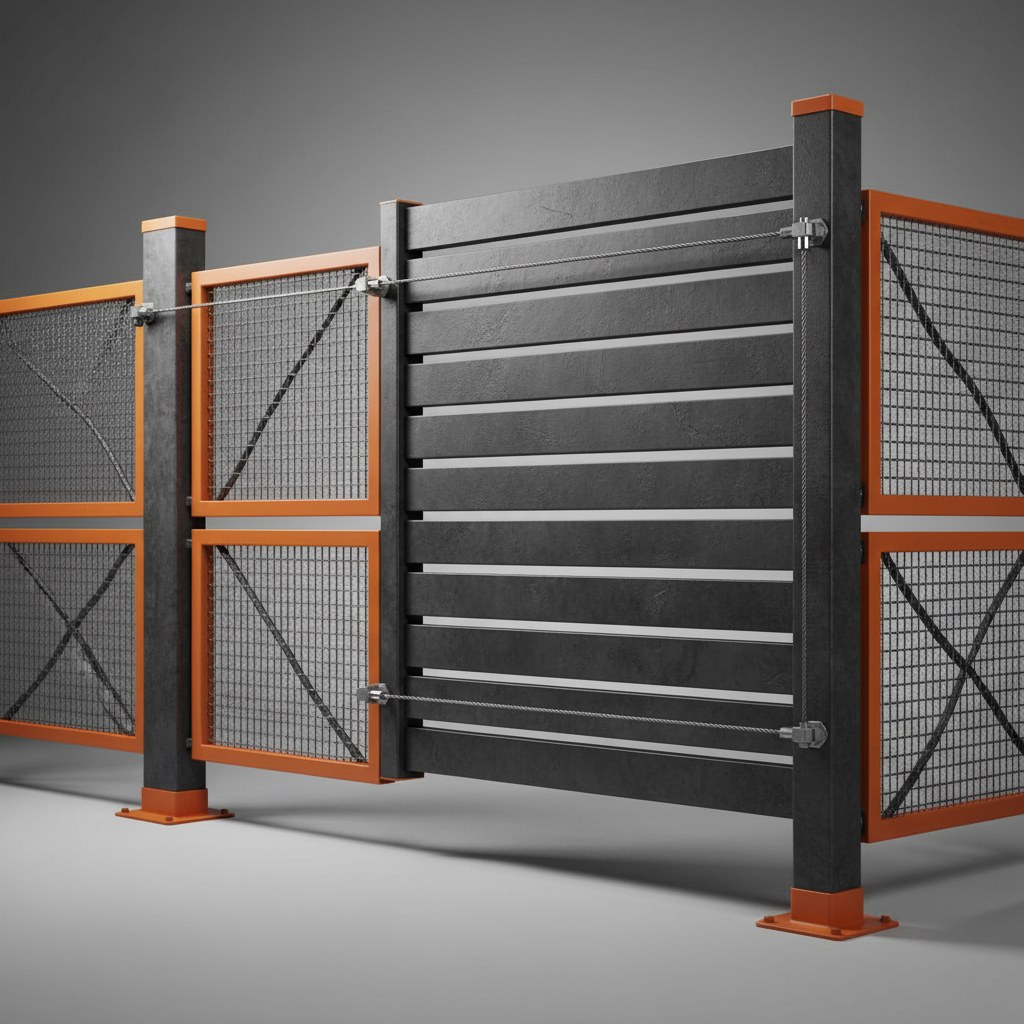
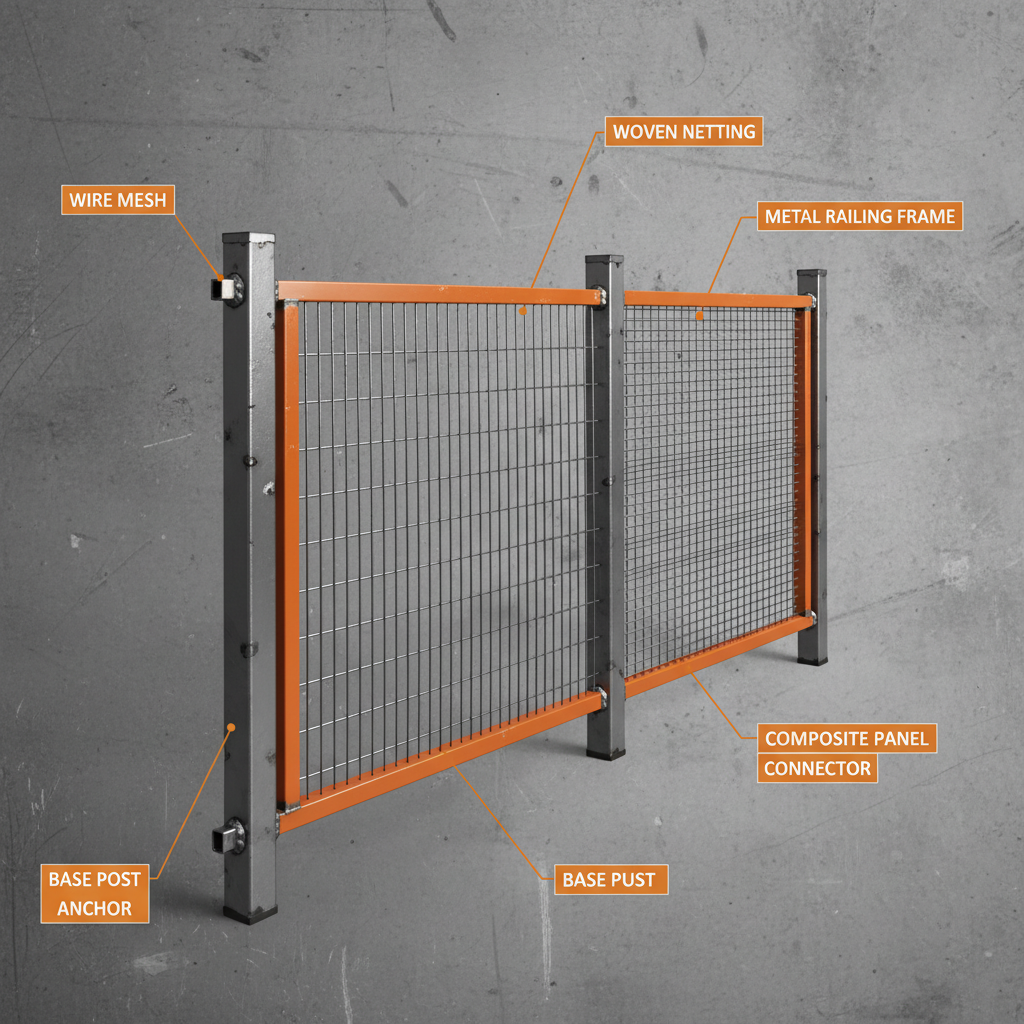
The big trend right now is, as I said, prefabrication. More and more components are being made off-site. Which is good, in theory. Less disruption on-site, better quality control… but it also means you need incredibly tight tolerances and a really solid logistics plan. One tiny mistake in the factory, and it throws the whole schedule off.
The biggest hurdle is often worker familiarity and training. Many crews are used to traditional materials like steel and concrete, and they’re hesitant to adopt new techniques. Also, damage assessment and repair can be tricky with composites. A seemingly minor impact can cause internal delamination that’s difficult to detect. Proper PPE and careful handling are absolutely essential. It's about retraining habits.
That's crucial. We have a strict inspection checklist, covering dimensions, material properties, and weld quality. We also require the factory to provide detailed documentation and test reports. But the real test is a visual inspection on site, checking for any damage that occurred during transportation. We also do random spot checks, taking samples back to the lab for further analysis. It's a multi-layered process.
Underestimating the load. People often choose fasteners based on the initial design calculations, without considering dynamic loads, wind loads, or seismic activity. It's vital to factor in a safety margin. And don't skimp on quality! A cheap fastener can fail, leading to catastrophic consequences. Always use fasteners that are rated for the application, and make sure they are properly installed.
It’s promising, but still early days. The technology is improving rapidly, but there are challenges with scalability and material properties. We’ve experimented with 3D-printed concrete components, and the results have been mixed. It’s great for creating complex shapes, but the material isn’t as strong as traditional concrete. I think it will find a niche in specialized applications, but it won’t replace conventional construction methods anytime soon.
Hugely important, especially in coastal areas or environments with high humidity. Corrosion can weaken structures over time, leading to failures. We always specify materials with a high level of corrosion resistance, such as stainless steel or galvanized steel. We also use protective coatings to enhance the durability of the materials. Regular inspections and maintenance are crucial to identify and address any corrosion issues before they become serious.
It's becoming more and more important, both from a regulatory standpoint and a client demand perspective. We're actively looking for materials with a lower carbon footprint, recycled content, and reduced environmental impact. Things like responsibly sourced timber and low-VOC adhesives are increasingly preferred. It’s not always easy to find sustainable alternatives that meet performance requirements, but it’s something we prioritize.
So, there you have it. Prefabrication is the way forward, but it’s not a silver bullet. Material selection is critical, and you need to balance cost, performance, and sustainability. Rigorous testing, both in the lab and on the job site, is essential. And remember, the real world is messy and unpredictable. Things will always go wrong.
Ultimately, whether this thing works or not, the worker will know the moment he tightens the screw. Trust your instincts, listen to the guys on the ground, and don’t be afraid to question the latest hype. If you want to learn more about how we handle these challenges, and how we can help you with your project, visit our website: www.hbhou.com.