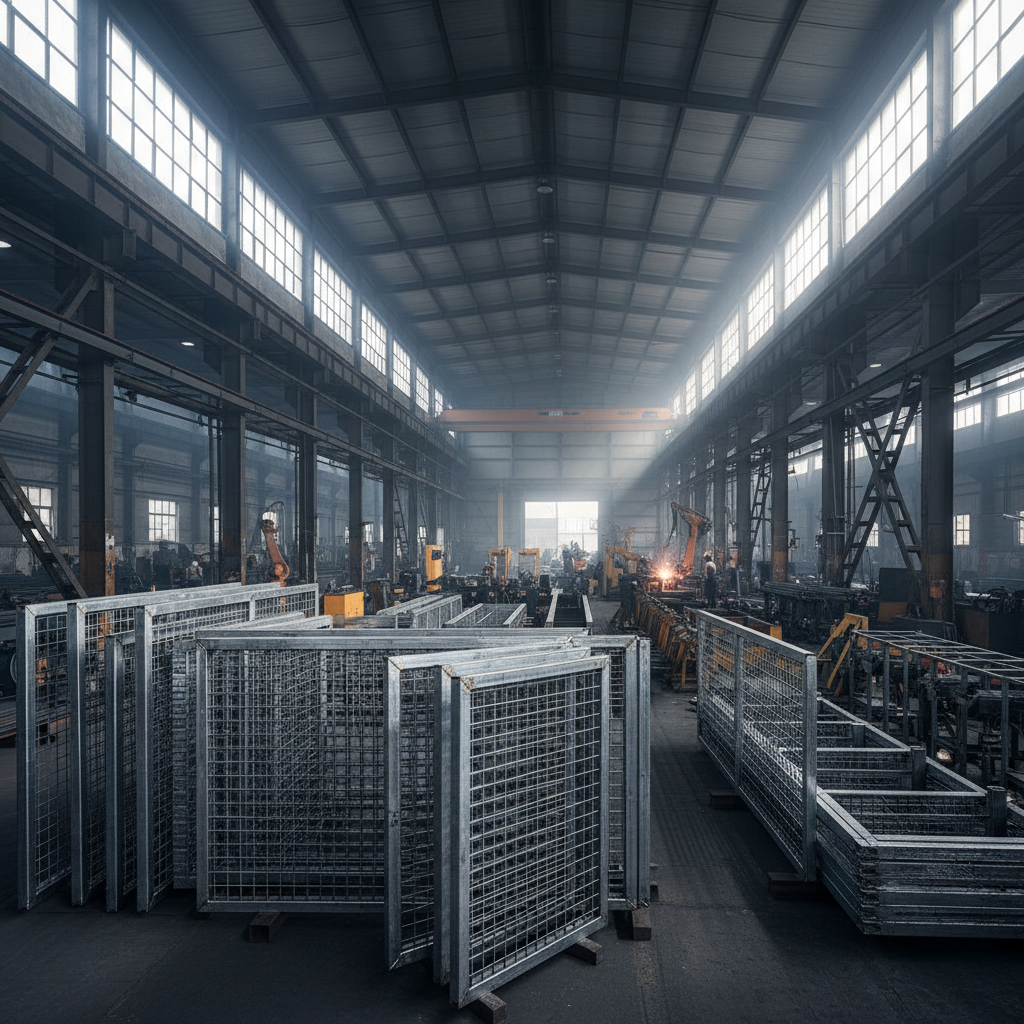
In the modern landscape of industrial and residential security, continuous fence panels have emerged as a critical solution for creating seamless, high-strength boundaries. These systems are designed to eliminate the structural weaknesses often found in traditional fragmented fencing, providing a unified barrier that enhances both aesthetic appeal and physical security. As urban infrastructure expands and the need for precise perimeter control grows, the adoption of these integrated panels has become a benchmark for quality in the metal fabrication industry.
The global demand for continuous fence panels is driven by a shift toward modularity and rapid installation. Whether used in large-scale industrial zones, agricultural enclosures, or high-end residential gardens, the ability to maintain a constant tension and structural integrity across long distances is paramount. By utilizing advanced galvanization and welding techniques, these panels withstand harsh environmental conditions while maintaining a professional, clean appearance.
Understanding the technical nuances of continuous fence panels—from wire gauge and coating thickness to the precision of the joint connections—allows project managers and homeowners to optimize their security investments. This guide explores the engineering, application, and long-term value of continuous fencing systems, providing a comprehensive overview of why these solutions are superior to conventional alternatives in today's market.
Global Relevance of Continuous Fence Panels
On a global scale, the implementation of continuous fence panels is no longer just about boundary marking; it is about risk mitigation. According to international industrial standards, perimeter security is the first line of defense for critical infrastructure. The shift toward continuous systems reflects a global movement to reduce "gap vulnerabilities" that are common in traditional post-and-rail or chain-link setups, where tension loss often leads to security breaches.
In regions experiencing rapid industrialization, the ability to deploy these panels quickly across vast terrains has made them indispensable. From ISO-certified manufacturing plants to expansive logistics hubs, the reliability of continuous panels ensures that safety protocols are maintained without the need for constant manual adjustment or expensive recurring repairs.
Defining the Engineering of Continuous Fence Panels
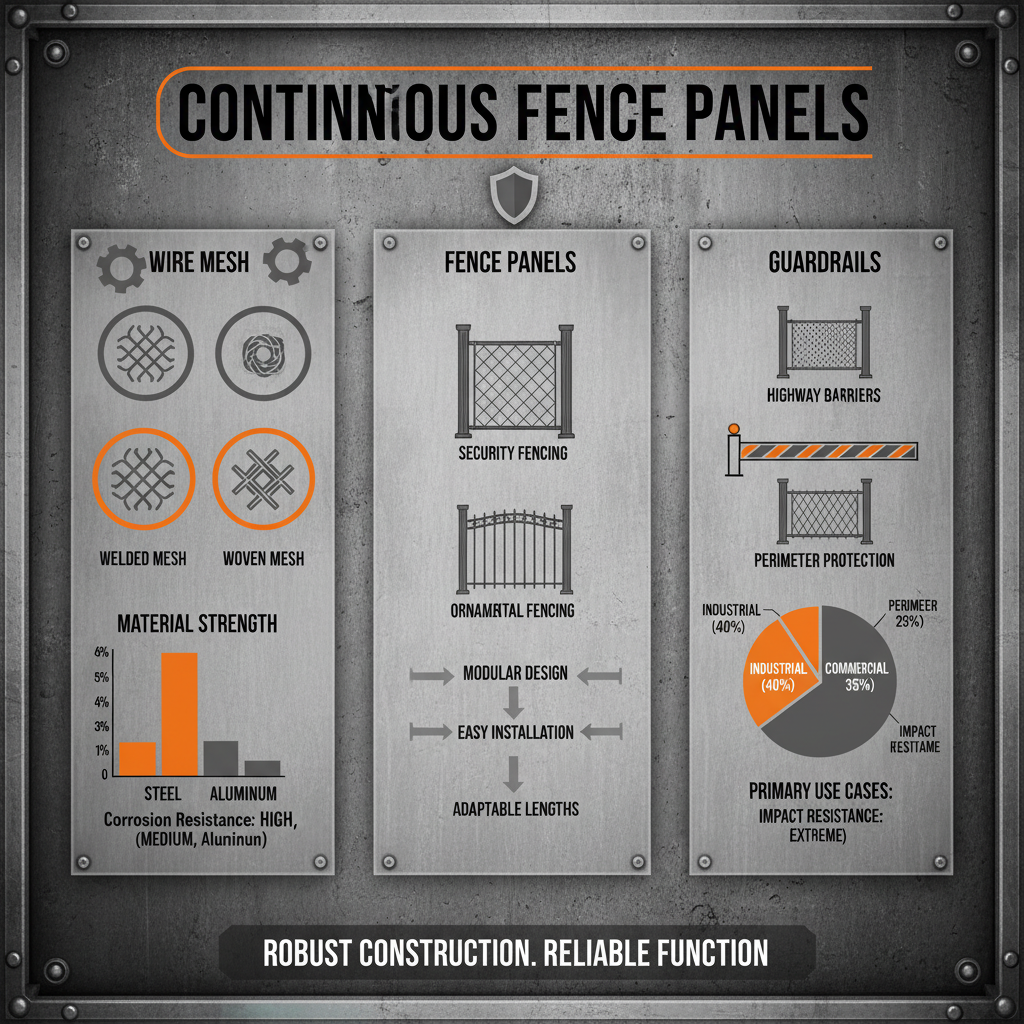
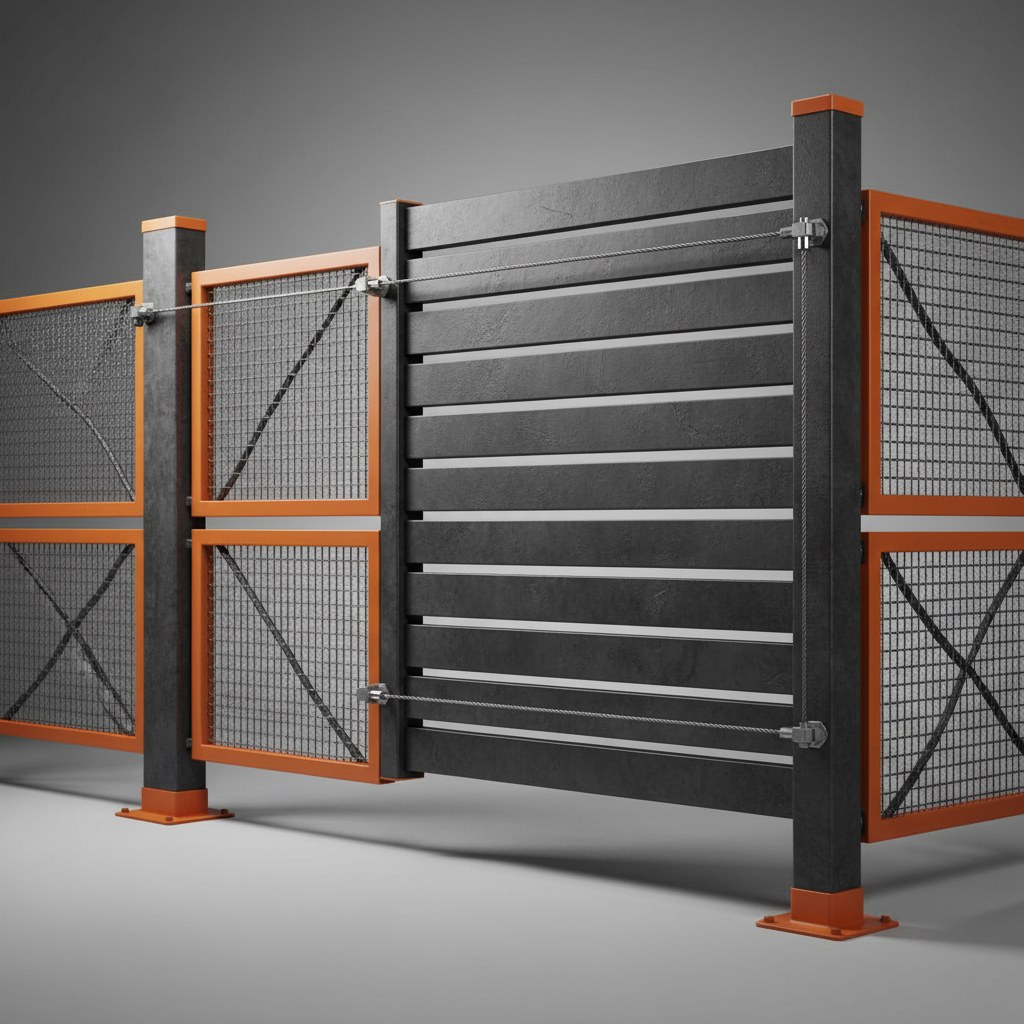
At its core, continuous fence panels refer to a modular fencing system where each panel is engineered to integrate seamlessly with the next, creating an uninterrupted wall of protection. Unlike standard fences that rely on overlapping materials, these panels utilize precision-engineered locking mechanisms or continuous welding patterns that ensure the structural load is distributed evenly across the entire length of the installation.
From a technical standpoint, the "continuous" nature refers to the consistency of the mesh aperture and the alignment of the horizontal and vertical wires. This precision prevents the sagging and warping that typically occur over time in lower-quality fencing. By maintaining a rigid geometry, the panels provide a formidable psychological and physical deterrent, making them a preferred choice for high-security environments.
This engineering approach also addresses humanitarian and safety needs in public spaces. In crowded urban environments or school zones, continuous panels prevent accidental intrusions and provide a clean, safe boundary that does not have sharp protruding edges or unstable gaps, aligning with modern safety regulations and urban planning goals.
Core Components for Maximum Durability
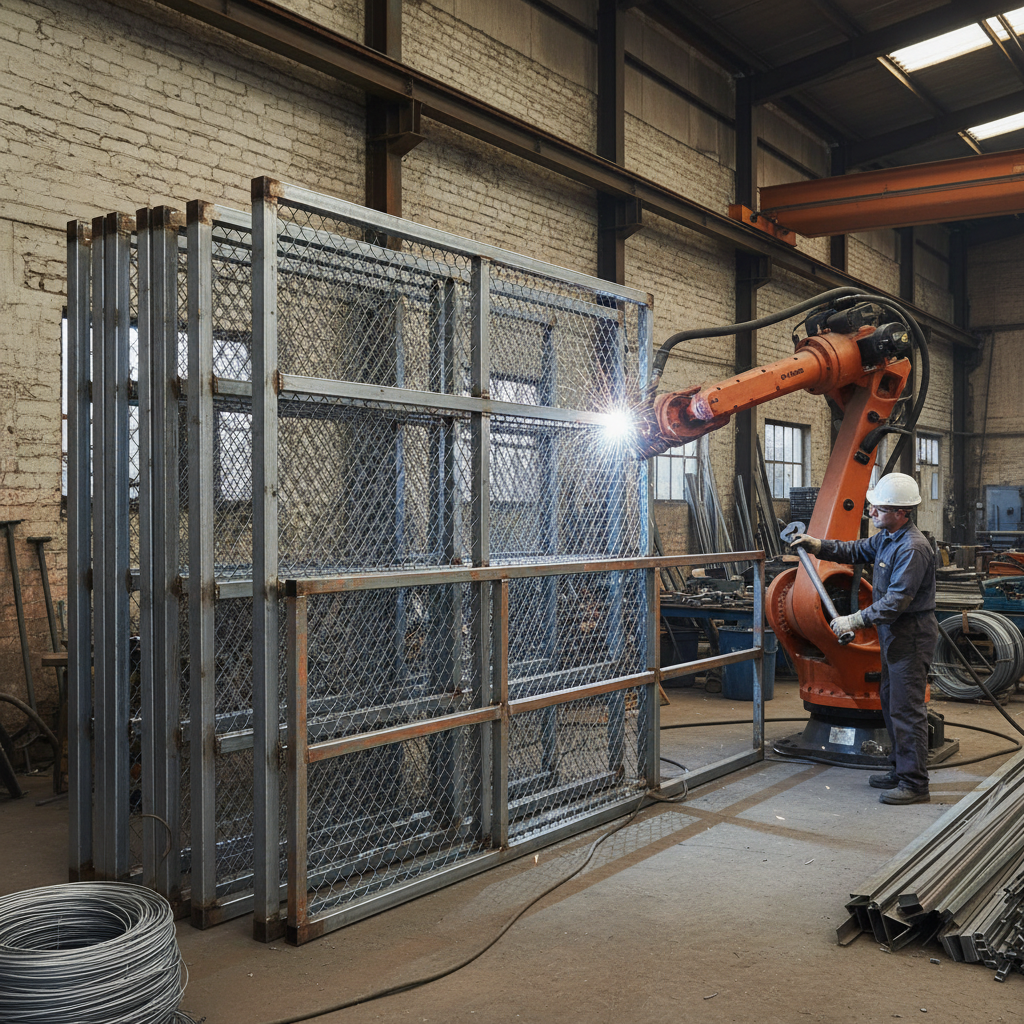
The longevity of continuous fence panels is primarily determined by the quality of the raw steel and the precision of the welding. High-carbon steel is typically used to provide the necessary tensile strength, ensuring that the panels do not deform under external pressure or heavy wind loads.
A critical component is the anti-corrosion coating. Most premium continuous fence panels utilize a hot-dip galvanizing process or a powder-coating finish. This creates a molecular bond between the zinc and the steel, preventing rust from penetrating the core and extending the service life of the fence to several decades, even in coastal or high-humidity environments.
Furthermore, the integration of specialized fittings, such as adjustable U-forms and heavy-duty post anchors, ensures that the continuity of the fence is maintained even on uneven terrain. These components allow for micro-adjustments during installation, ensuring that the panels remain perfectly aligned and tensioned.
Performance Metrics and Efficiency Ratings
Evaluating the effectiveness of continuous fence panels requires a look at several performance metrics, including tensile strength, installation speed, and maintenance costs. When compared to traditional masonry walls or fragmented wire fences, continuous panels offer a superior balance of weight and strength, allowing for faster deployment without sacrificing security.
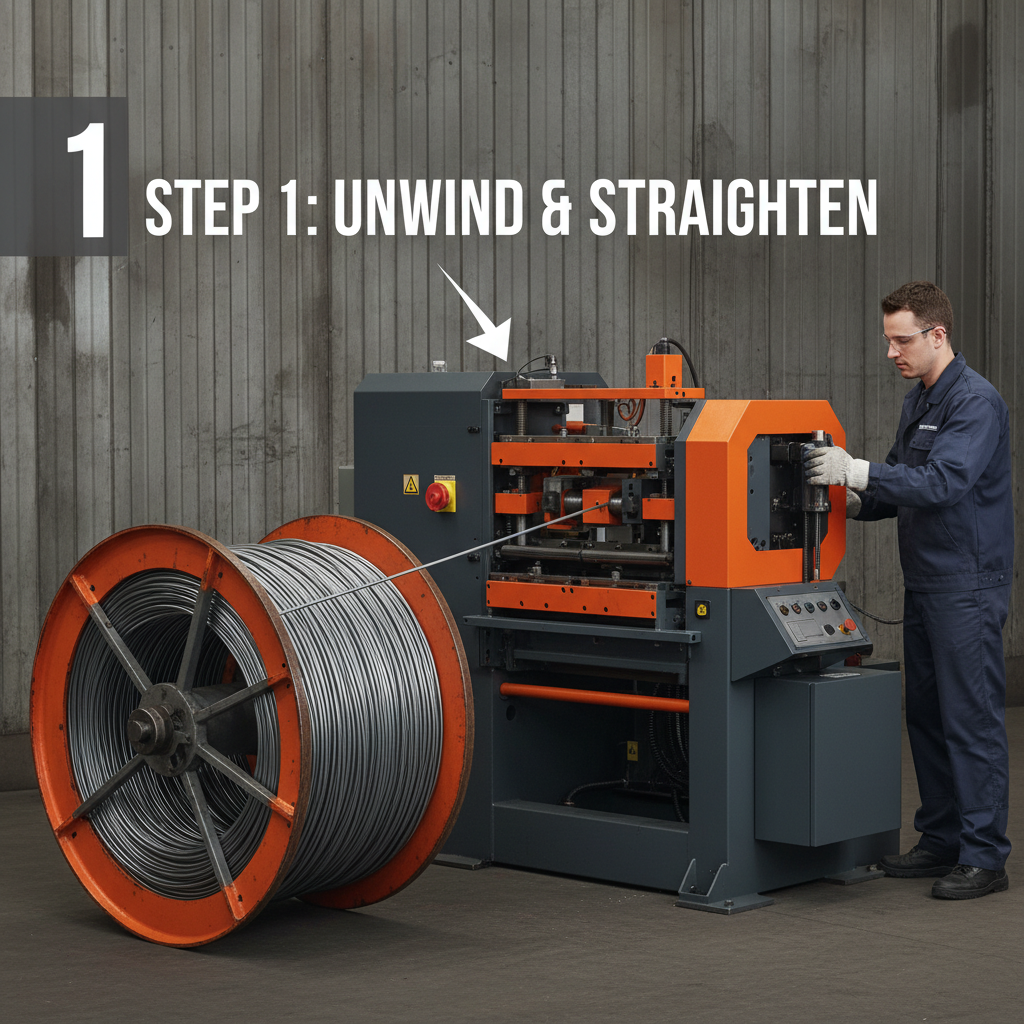
The efficiency of these systems is often measured by the "man-hours per linear meter." Because the panels are prefabricated to exact specifications, the onsite labor is reduced to simple alignment and fastening, which significantly lowers the total cost of ownership over the project's lifecycle.
Comparative Efficiency of Continuous Fence Panels Systems
Global Applications and Strategic Use Cases
The versatility of continuous fence panels makes them suitable for a vast array of industries. In the energy sector, they are frequently used to secure solar farms and power substations, where a seamless perimeter is required to prevent wildlife interference and unauthorized human access. The panels' ability to be integrated with electronic security sensors makes them a cornerstone of "smart" perimeter defense.
Beyond industrial use, these panels are increasingly adopted in urban landscaping and public park management. By selecting specific coatings and designs, architects can create boundaries that are visually unobtrusive yet highly effective. For example, in European city parks, continuous panels are often used to protect heritage gardens, providing a secure barrier that blends into the environment while ensuring the safety of botanical collections.
Long-Term Value and Sustainability Benefits
Investing in continuous fence panels provides significant long-term economic value. While the initial material cost may be higher than basic wire fencing, the drastic reduction in maintenance—no need for frequent re-tensioning or patching—results in a lower total cost of ownership. The structural stability ensures that the fence remains functional for decades, reducing the need for complete replacements.
From a sustainability perspective, the use of recyclable steel and eco-friendly powder coatings aligns with global "green" building standards. Many of these panels are produced using energy-efficient welding processes, and because they are modular, damaged sections can be replaced individually rather than replacing the entire line, significantly reducing material waste.
Ultimately, the value lies in the peace of mind provided by a reliable security system. The combination of logical strength (tensile resistance) and emotional security (the visual presence of a solid barrier) creates a professional environment that fosters trust and safety for employees, residents, and visitors alike.
Future Innovations in Fencing Technology
The future of continuous fence panels is moving toward the integration of "Active Security." We are seeing the development of panels with embedded fiber-optic sensors that can detect vibrations or cutting attempts in real-time, instantly alerting security personnel to the exact location of a breach. This transformation from a passive barrier to an active monitoring system represents a leap in security technology.
Material science is also evolving, with the introduction of nano-coatings that are self-healing and super-hydrophobic. These coatings will make continuous fence panels virtually immune to corrosion, even in the most extreme saline environments, such as offshore oil rigs or coastal ports, further reducing maintenance cycles.
Automation in manufacturing, specifically through the use of AI-driven robotic welding, is allowing for even tighter tolerances and more complex geometries. This means that future panels will be even more seamless and structurally sound, providing an impenetrable boundary that requires almost zero human intervention for installation and upkeep.
Analysis of Continuous Fence Panels Technical Specifications and Performance
|
Panel Type
|
Tensile Strength (MPa)
|
Corrosion Resistance
|
Installation Speed
|
|
Standard Galvanized
|
450 - 500
|
High
|
Fast
|
|
Powder Coated
|
450 - 500
|
Very High
|
Fast
|
|
Heavy-Duty Industrial
|
600 - 750
|
Extreme
|
Moderate
|
|
Agricultural Mesh
|
300 - 400
|
Medium
|
Very Fast
|
|
Residential Decorative
|
350 - 450
|
High
|
Fast
|
|
Security High-Tensile
|
700 - 850
|
Extreme
|
Moderate
|
FAQS
The primary advantage lies in the lack of structural gaps and the uniform distribution of tension. While standard fencing often sags over time or has weak points at the post connections, continuous fence panels are engineered as a unified system. This results in higher impact resistance, a cleaner aesthetic, and significantly lower maintenance requirements, as the panels maintain their shape and integrity regardless of environmental stress.
Choice depends on your environment. Hot-dip galvanizing is ideal for industrial sites where raw durability is key. Powder coating is recommended for residential or commercial areas where aesthetics and color matching are important. For coastal areas with high salinity, a combination of galvanizing and powder coating (Duplex system) is the best choice to ensure maximum corrosion resistance and long-term color stability.
Not at all. Modern continuous systems are designed with modular flexibility. By using adjustable post anchors and U-form fittings, installers can "step" the panels or adjust the height of the posts to follow the contour of the land. This ensures that the continuous nature of the fence is preserved without leaving gaps at the bottom, providing a secure and professional finish even on challenging terrains.
Yes, continuous fence panels are actually the preferred substrate for electronic security. Their rigidity makes them ideal for mounting vibration sensors, infrared beams, or electric fence wires. Because there is no sagging, the sensors remain calibrated and produce fewer false alarms compared to flexible chain-link systems, making them highly efficient for high-security industrial applications.
When manufactured with high-grade steel and a proper hot-dip galvanized or powder-coated finish, continuous fence panels can easily last 20 to 50 years. The lifespan depends largely on the thickness of the zinc layer and the environmental exposure. Regular inspections and minimal maintenance of the fastening hardware are usually the only requirements to ensure the system reaches its full service life.
Yes, they are highly sustainable. Steel is one of the most recycled materials on earth. Furthermore, the modular design of continuous panels means that if a single section is damaged, only that specific panel needs to be replaced rather than the entire fence line. This reduces material waste. Many manufacturers also use lead-free powder coatings, reducing the environmental impact during both production and installation.
Conclusion
In summary, continuous fence panels represent a sophisticated fusion of structural engineering and practical security. By eliminating the vulnerabilities of traditional fencing through seamless integration, superior anti-corrosion coatings, and modular flexibility, these systems provide an unparalleled level of perimeter control. Whether the goal is industrial risk mitigation, urban beautification, or long-term asset protection, the efficiency and durability of continuous panels offer a clear advantage over fragmented alternatives.
Looking forward, the evolution toward smart, sensor-integrated fencing and nano-material coatings will further cement the role of continuous panels as the gold standard in boundary security. We recommend that project planners prioritize quality of materials and precision of joints to maximize the return on investment. For those seeking a secure, sustainable, and professional fencing solution, transitioning to a continuous system is the most logical step toward future-proofing your property. Visit our website: www.hbhou.com