Creating a sturdy and effective tomato cage using chicken wire is a practical and innovative gardening solution that can greatly enhance the growing conditions of your tomato plants. As we know, tomatoes are vining plants that require support to flourish and achieve a bountiful harvest. Here’s how to create your own tomato cage with chicken wire, along with some tips on maintaining your garden.
Creating a sturdy and effective tomato cage using chicken wire is a practical and innovative gardening solution that can greatly enhance the growing conditions of your tomato plants. As we know, tomatoes are vining plants that require support to flourish and achieve a bountiful harvest. Here’s how to create your own tomato cage with chicken wire, along with some tips on maintaining your garden.
To begin, cut a section of chicken wire that is about 4 feet wide and 6 feet long. This will allow you to create a cylindrical cage. Roll the wire into a cylinder and secure the edges using wire ties or twine, ensuring the structure is tight and strong. Place the cage in the garden bed where you plan to plant your tomatoes. It’s best to do this before planting to avoid disturbing the roots later.
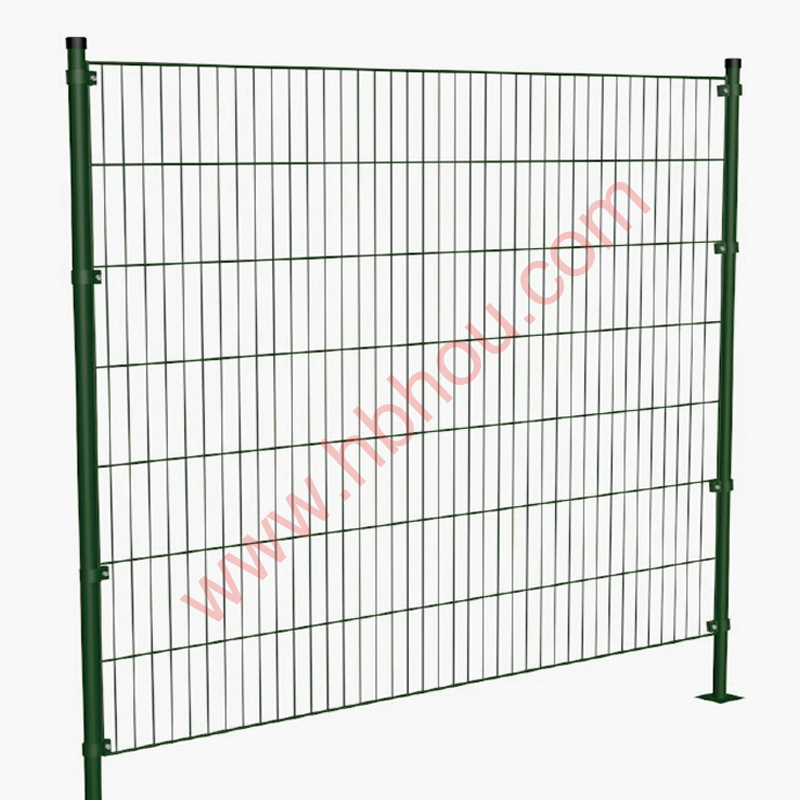
tomato cage with chicken wire

Once your cage is in place, you can plant your tomato seedlings inside. Ensure that you provide enough space between plants if you are using multiple cages. As the tomatoes grow, the chicken wire will offer them something to latch onto, guiding their upward growth and preventing sprawling on the ground, which can lead to disease and rot.
Maintaining the health of your tomato plants is crucial during the growing season. Regularly check for pests and diseases, and prune any dead or yellowing leaves to encourage better airflow. Additionally, ensure that your plants receive adequate sunlight, water, and nutrients. Applying mulch around the base of the cage can help retain moisture and suppress weeds.
Ultimately, a chicken wire tomato cage not only supports your plants physically but also encourages better fruit production by keeping the tomatoes off the soil and improving air circulation. Plus, this DIY project is a cost-effective way to use materials you might already have on hand. Embrace your gardening creativity, and enjoy the fruits of your labor with a successful tomato harvest!