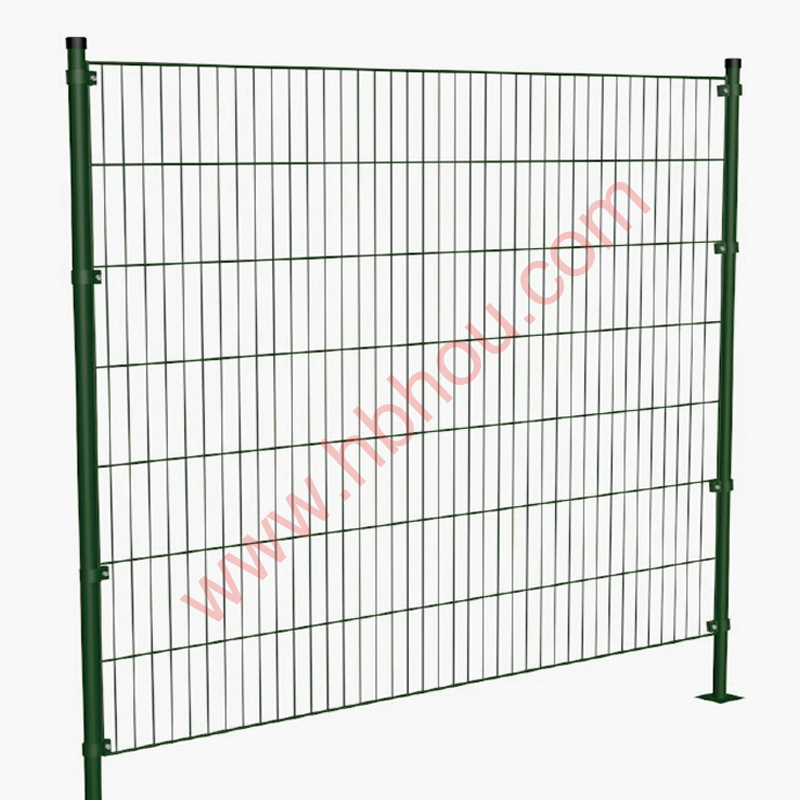
Understanding the 4ft Garden Fence: Why It’s More Than Just a Boundary
If you’ve ever strolled through a suburban neighborhood or browsed garden centers online, you’ve probably noticed a humble but crucial element—the 4ft garden fence. On the surface, it might seem like a simple structure, just a few feet of wood, metal, or vinyl lining a yard. But globally, these fences are quietly playing important roles—from defining property lines to improving urban wildlife corridors, enhancing safety, and preserving privacy. In fact, getting familiar with 4ft garden fences opens up a lot of insight into practical landscaping, sustainable design, and community planning. It’s all about balancing functional needs with aesthetics and environmental concerns. ---The 4ft Garden Fence in Global Context: Small Yet Significant
Globally, garden fencing has seen consistent demand, especially for those modestly sized at around 4ft tall. According to a recent report by the International Standards Organization (ISO), fences between 3 and 5 feet are the most popular heights for residential and public green spaces because they hit the sweet spot of containment and visibility. Around 70% of urban households in Europe and North America incorporate this style for their gardens or small front yards. Why does this matter? Well, urbanization is pushing green spaces into tighter spots, and a 4ft garden fence offers an efficient way to demarcate spaces without overwhelming views or breaking connectivity for small wildlife. At the same time, security and child safety remain top concerns in many areas. The World Bank’s urban development statistics emphasize that safe, well-marked outdoor areas promote healthier communities by encouraging outdoor activity, especially among families with children. In brief: This simple fence type helps solve a few sticky problems about blending private and public space in densely populated areas — whether in New York boroughs or London suburbs. ---What Exactly Is a 4ft Garden Fence?
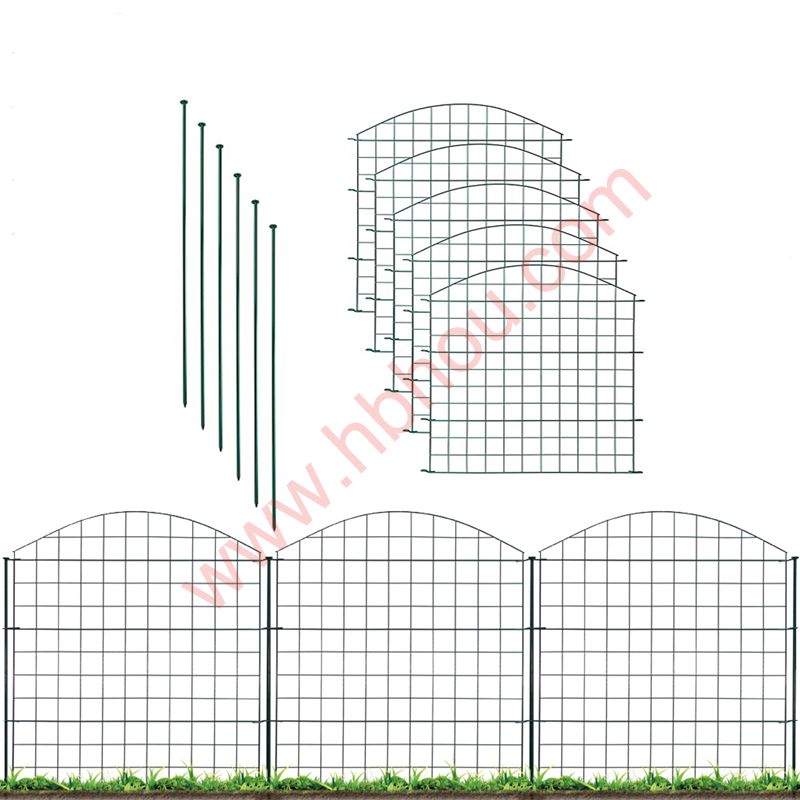
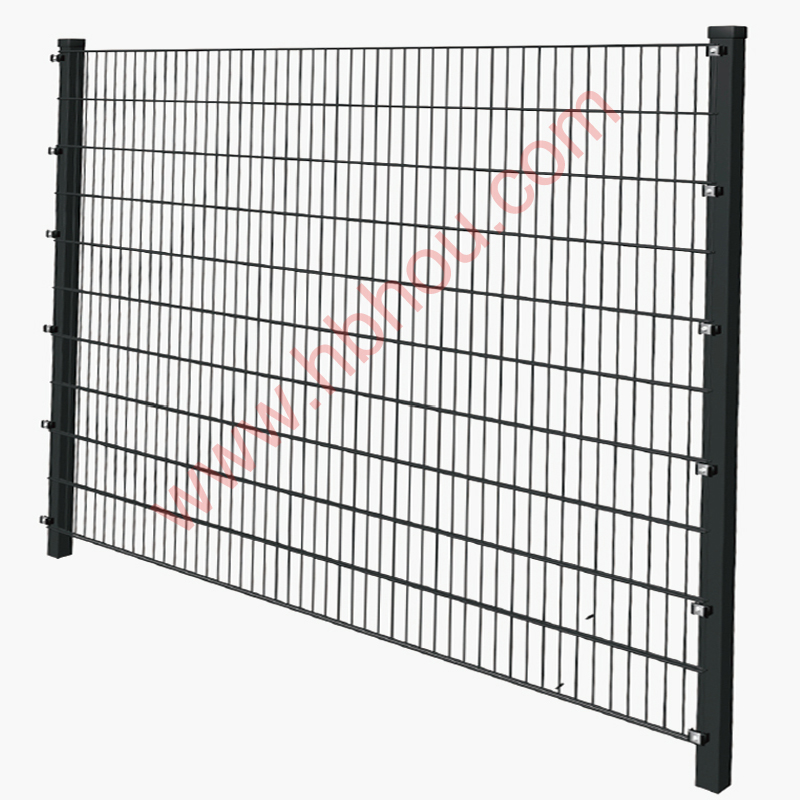
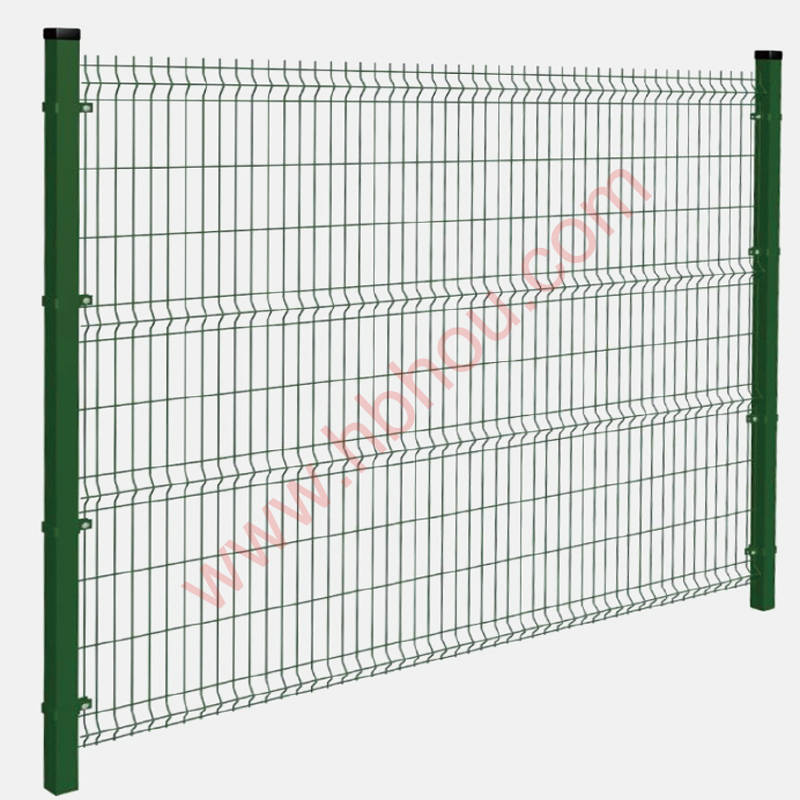
Put plainly: a 4ft garden fence is a barrier typically four feet (about 1.2 meters) tall, designed primarily for gardens or small yards. It’s tall enough to keep pets and small children in, and casual trespassers or neighborhood critters out, but short enough to maintain sightlines and airflow. The materials vary widely — wood planks, wrought iron, vinyl, bamboo, or composite blends — but the key is the moderate height combined with flexibility of design. Unlike taller privacy fences, these fences strike a balance that suits many modern needs, such as: - Defining property boundaries clearly. - Allowing sunlight and air into garden areas. - Providing a level of security without isolation. - Supporting climbing plants or garden art. Interestingly, the humble 4ft garden fence is also connected to humanitarian efforts, especially in temporary shelters or public parks in developing countries where affordable, practical fencing solutions are needed quickly. ---Key Components of a Well-Designed 4ft Garden Fence
Durability
Materials need to withstand sun, rain, pests, and sometimes snow. For instance, cedar and redwood are prized for rot resistance, while vinyl or metal fences resist weathering with minimal upkeep.Cost Efficiency
Pricing matters. The 4ft fence is often selected for budget-conscious projects because it uses less material than taller alternatives but still performs essential functions.Aesthetics
This height allows for creative styles—from picket fences to lattice tops—making gardens inviting without sacrificing neatness.Ease of Installation
A crucial point often overlooked. 4ft fences are generally easier and quicker to install, making them attractive for DIYers and commercial projects alike.Environmental Impact
Many producers now focus on sustainably sourced wood or recycled materials, adding eco-value. The fence’s smaller size inherently uses fewer resources. ---Global Applications & Real-World Use Cases
These fences aren’t just the background decor of peaceful suburbs. For example: - In Europe, municipalities install 4ft fences in urban community gardens to protect crops from urban wildlife without obstructing views or airflow. - In Australia, post-bushfire recovery projects rely on quick-to-assemble fences to demarcate rebuilding zones. - Asian megacities use these fences in rooftop gardens and small parks to create micro green spaces that improve air quality. - Shopping centers and schools worldwide favor this height to secure playgrounds and pet areas with child safety and visibility in mind. One fascinating case: a community-based garden in Toronto replaced a taller chain-link fence with a 4ft wooden version, improving neighborhood friendliness and boosting local involvement with less litter and graffiti. ---Mini Takeaway:
The 4ft garden fence thrives globally because it’s a kind of Swiss Army knife solution—blending form, function, and practicality. ---Advantages That Make 4ft Garden Fences a Wise Long-Term Investment
Let’s get concrete: - Cost Savings: Less material means lower initial and replacement costs. - Sustainability: Using eco-conscious materials with a modest height means reduced carbon footprint. - Social Impact: Enhances curb appeal and community safety, offering both dignity and trust to inhabitants. - Reliability: Resists weather without overwhelming maintenance requirements. - Flexibility: Perfect for temporary setups or permanent installations. From a homeowner’s perspective, it’s peace of mind: pets stay safe, kids have a contained play area, and you don’t have to commit to permanent, towering walls. Emotionally, it feels like the right mix of protection and openness. ---Looking Ahead: Innovations in 4ft Garden Fence Design
This category is quietly evolving. For one, smart fencing materials with integrated sensors that detect breaches or weather damage are popping up, especially in gated communities or industrial zones. Sustainability is also driving change. Bamboo composites and recycled plastics have started replacing traditional timber. Green energy—like solar-powered fence lighting—adds functional beauty, boosting safety after dark. Automation is sneaking into backyard fencing too. Systems that open and close via smartphone apps exist even at the 4ft scale, handy for pet owners or delivery zones. ---Common Challenges & Their Solutions
Of course, no product is perfect: - Durability vs. Cost: Cheap materials can degrade quickly. Choosing mid-range composites often strikes a good balance. - Security Limits: A 4ft fence won’t stop determined intruders but deters casual ones and increases perception of safety. - Installation Issues: Uneven ground can complicate leveling, but modular fencing kits with adjustable post heights ease setup. Innovative joinery methods and pre-fabricated panels are helping installers avoid common pitfalls, making these fences ever more user-friendly. ---Product Specifications at a Glance
| Feature | Typical Range | Notes |
|---|---|---|
| Height | 4 feet (1.2 meters) | Standard for residential garden fencing |
| Material | Wood, Vinyl, Metal, Composite | Choice impacts durability & maintenance |
| Post Spacing | 6-8 feet (1.8-2.4 meters) | Depends on material and design |
| Finish Options | Paint, Stain, Powder Coating | For weather resistance and aesthetics |
| Installation Time | 1-3 days (typical yard) | Depends on terrain & complexity |
Vendor Comparison: Choosing Your 4ft Garden Fence Provider
| Vendor | Material Options | Price Range | Warranty | Customization |
|---|---|---|---|---|
| GreenWood Fencing | Cedar, Redwood | $$ - mid-range | 5 years | Custom stains/colors |
| Vinyl Masters | Vinyl Composite | $$$ - premium | 10 years | Pre-fab panels, limited color |
| MetalWorks Inc. | Powder-coated steel, Aluminum | $$-$$$ | 8 years | Custom heights/styles |
FAQ About 4ft Garden Fence
Q1: Is a 4ft garden fence enough to keep pets safe?
For most small to medium dogs, a 4ft garden fence provides adequate containment. However, energetic or larger breeds might require taller or reinforced fencing. Consider your pet’s behavior and supplement with wiring or mesh if needed.
Q2: What maintenance does a 4ft garden fence typically require?
Maintenance depends largely on material. Wooden fences may need annual staining or sealing to prevent rot, while vinyl and metal fences typically require only occasional cleaning. Regular inspections for damage extend lifespan.
Q3: Can I install a 4ft garden fence myself?
Yes, many 4ft garden fences come as DIY kits that are fairly straightforward to install, especially on flat terrain. Be sure to check local building codes and secure necessary permits before starting.
Q4: How do I choose the right material for my 4ft garden fence?
Consider climate, budget, and aesthetics. Wood offers natural beauty but higher maintenance. Vinyl is low-maintenance but pricier. Metal provides durability with a modern look. Match choices to your priorities.
Q5: Are 4ft garden fences secure enough for urban areas?
While they deter casual passersby and pets, 4ft fences aren’t designed to stop determined intruders completely. Combine fencing with lighting, security cameras, or natural barriers for best results.
---