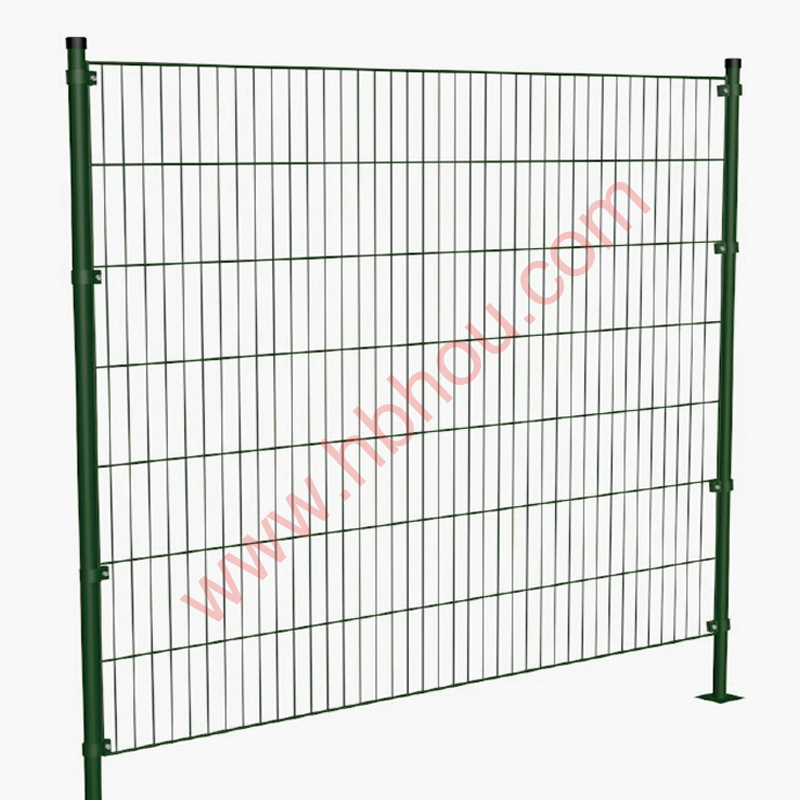
The Indispensable Role of Stainless Steel Wire Mesh in Industrial Applications
In the demanding landscape of modern industrial operations, the selection of robust and reliable materials is paramount. stainless steel wire mesh stands out as a critical component, offering an unparalleled combination of strength, corrosion resistance, and versatility. From sophisticated filtration systems to heavy-duty structural reinforcement, its utility spans a vast array of sectors including petrochemicals, food processing, pharmaceuticals, and environmental engineering. This comprehensive guide delves into the technical intricacies, manufacturing excellence, diverse applications, and strategic advantages that position stainless steel wire mesh as a superior choice for discerning B2B decision-makers and engineers seeking long-term performance and reliability.
Understanding the nuances of material grades, mesh configurations, and fabrication techniques is essential for optimizing operational efficiency and ensuring compliance with stringent industry standards. This document aims to provide a definitive resource, illuminating the essential characteristics and strategic implications of integrating high-quality stainless steel wire mesh into your critical infrastructure projects.
Manufacturing Excellence: The Process Flow of Stainless Steel Wire Mesh
The production of high-performance stainless steel wire mesh is a meticulously controlled process, beginning with the selection of premium raw materials and culminating in a precisely engineered product. Our manufacturing adheres to stringent quality protocols, ensuring each mesh panel meets international standards such as ISO 9001:2015 and ASTM specifications.
1. Material Selection and Preparation
The foundation of superior stainless steel wire mesh lies in its raw material. We primarily utilize high-grade stainless steel alloys, predominantly SS304, SS304L, SS316, and SS316L. These materials are chosen for their specific properties:
- SS304/SS304L: Excellent corrosion resistance in a wide range of atmospheric and chemical environments. The 'L' grade (low carbon) minimizes carbide precipitation during welding, enhancing weldability and intergranular corrosion resistance.
- SS316/SS316L: Superior resistance to pitting and crevice corrosion, particularly in chloride-rich environments, due to the addition of molybdenum. Indispensable for marine, chemical, and pharmaceutical applications.
Raw stainless steel rods are sourced from certified mills, then undergo a wire drawing process to achieve the precise wire diameter required for various mesh specifications. This cold drawing process enhances the tensile strength and surface finish of the wire.
2. Weaving and Welding Processes
The formation of stainless steel wire mesh involves specialized machinery and expert craftsmanship:
- Stainless Steel Woven Wire Mesh: Precision weaving looms interlace longitudinal (warp) and transverse (weft) wires at right angles. Common weave patterns include plain weave, twilled weave, and Dutch weave, each offering distinct filtration characteristics, strength, and opening sizes. The tight interlock ensures stable mesh openings and high structural integrity.
- Stainless Steel Welded Wire Mesh: Individual stainless steel wires are laid out precisely and joined at their intersections by resistance welding. This creates a strong, rigid, and uniform mesh structure, ideal for applications requiring high load-bearing capacity and structural stability, such as panels and enclosures.
3. Post-Processing and Finishing
After weaving or welding, the mesh undergoes several finishing stages:
- Cutting and Trimming: Mesh is cut to specified dimensions, whether rolls or panels, using automated cutting machines to ensure precision.
- Cleaning and Passivation: Surfaces are thoroughly cleaned to remove contaminants (e.g., lubricants, iron particles) and then passivated. Passivation forms a passive chromium oxide layer on the surface, significantly enhancing corrosion resistance and extending service life, especially for SS316L.
- Edge Treatment: Edges may be crimped, bent, or reinforced as per application requirements to prevent fraying and improve handling safety.
4. Quality Control and Testing Standards
Rigorous quality control is integrated throughout the entire process. Key testing includes:
- Dimensional Accuracy: Verification of mesh opening size, wire diameter, and panel dimensions using precision instruments.
- Tensile Strength Testing: To ensure the wire meets specified mechanical properties.
- Corrosion Resistance Testing: Salt spray tests or immersion tests (e.g., ASTM A262 for intergranular corrosion) are performed on samples to validate material integrity and passivation effectiveness.
- Weld Integrity (for welded mesh): Destructive and non-destructive tests to ensure strong, consistent welds.
- Adherence to Standards: Products comply with international standards such as ISO 3310-1 (for test sieves), ASTM E2016 (standard specification for industrial wire cloth), and ANSI/AWWA C200 (for steel water pipe).
This comprehensive process ensures that the finished stainless steel wire mesh delivers exceptional performance, durability, and a long service life of typically 10-25 years, depending on application severity and material grade.
Industry Trends and Market Dynamics
The market for stainless steel wire mesh is dynamic, driven by increasing industrialization, stringent environmental regulations, and the rising demand for durable, corrosion-resistant materials. Key trends include:
- Growing Demand for Fine Filtration: Industries such as pharmaceuticals, food and beverage, and chemical processing increasingly require ultra-fine filtration media, pushing the development of Dutch weave and multi-layer sintered mesh with micron-level filtration capabilities.
- Sustainable Solutions: The push for eco-friendly practices sees greater emphasis on recyclable materials and manufacturing processes with reduced environmental impact. Stainless steel’s inherent recyclability makes it a preferred choice.
- Automation and Precision Manufacturing: Advancements in automated weaving and welding machinery allow for higher production speeds, tighter tolerances, and greater consistency in mesh quality, reducing human error and waste.
- Customization and Specialized Alloys: A growing trend towards highly customized mesh solutions, including specific alloys (e.g., Duplex stainless steel for enhanced strength and corrosion resistance), unique weave patterns, and fabricated assemblies tailored for niche applications.
- Digital Integration: Adoption of digital tools for design, simulation, and quality control, optimizing mesh performance for specific fluid dynamics or structural loads.
According to market research, the global stainless steel wire mesh market is projected to grow significantly, attributed to expanding infrastructure projects, increasing demand from the oil & gas sector, and robust growth in the food processing industry. The material's longevity and low maintenance costs contribute to its sustained market presence.
Technical Specifications and Parameters
Understanding the key technical parameters is crucial for selecting the appropriate stainless steel wire mesh for any application. These parameters define the mesh's physical characteristics and performance capabilities.
Key Technical Terminology:
- Mesh Count (or Mesh per Inch): The number of openings per linear inch, indicating the fineness of the mesh. Higher mesh counts mean smaller openings and finer filtration.
- Wire Diameter (d): The thickness of the individual wires, measured in millimeters or inches. Directly impacts mesh strength, open area, and flow rate.
- Aperture (Opening Size - w): The clear opening between adjacent parallel wires. Crucial for filtration applications and particle separation.
- Open Area (%): The percentage of total mesh area that is open space. Calculated as (w / (w+d))^2 100 for square mesh. Higher open area facilitates greater flow rates and less pressure drop.
- Weave Type: Describes how the wires are interlaced (e.g., plain, twilled, Dutch). Each weave offers different strength, stability, and filtration properties.
- Material Grade: Specifies the stainless steel alloy (e.g., SS304, SS316L), dictating corrosion resistance, temperature tolerance, and mechanical strength.
Typical Stainless Steel Woven Wire Mesh Specifications:
| Mesh Count (per inch) | Wire Diameter (mm) | Aperture (mm) | Open Area (%) | Material Grade | Weave Type |
|---|---|---|---|---|---|
| 4 | 1.00 | 5.35 | 72.5 | SS304 | Plain |
| 10 | 0.60 | 1.94 | 60.0 | SS316 | Plain |
| 40 | 0.25 | 0.38 | 35.0 | SS316L | Twilled |
| 100 | 0.10 | 0.154 | 38.0 | SS304 | Plain |
| 200 | 0.05 | 0.077 | 37.0 | SS316L | Twilled |

Figure 1: Close-up of intricately woven stainless steel wire mesh demonstrating precise aperture and wire diameter.
Diverse Application Scenarios
The versatility of stainless steel wire mesh makes it indispensable across a multitude of industrial and commercial applications. Its inherent properties cater to environments demanding resilience, hygiene, and specific filtration capabilities.
Petrochemical and Oil & Gas Industries:
In highly corrosive and high-temperature environments, stainless steel woven wire mesh is crucial for filtration in crude oil refining, gas processing, and chemical production. It serves as catalyst support grids, molecular sieve supports, and sand screens in downhole operations. The SS316L grade, with its enhanced resistance to chlorides, is particularly vital for saltwater applications and process streams containing halogens, ensuring extended service life and reduced downtime.
Water Treatment and Drainage Systems:
For municipal and industrial water treatment facilities, stainless steel welded wire mesh and panels are extensively used in intake screens, filter beds, and sedimentation tanks. Their anti-fouling properties and structural integrity are critical for pre-filtration, particle removal, and protecting pumps and piping systems. The corrosion resistance ensures consistent performance even when exposed to various water chemistries and bio-fouling agents.
Food & Beverage and Pharmaceutical Sectors:
Due to its hygienic properties, resistance to chemical cleaning agents, and non-contaminating surface, stainless steel wire mesh is standard for sieving, sorting, and filtration in food processing (e.g., flour sifting, fruit washing) and pharmaceutical manufacturing (e.g., tablet granulation, sterile air filtration). SS316L is often preferred for its exceptional cleanliness and resistance to aggressive sanitizers, meeting FDA compliance standards.
Architecture and Construction:
Beyond industrial filtration, stainless steel wire mesh panels are utilized for aesthetic and functional purposes, including building facades, balustrades, security screens, and animal enclosures. Stainless steel wire rope mesh offers flexible and transparent safety barriers for zoos and architectural designs, combining strength with minimal visual impact.
Customer Feedback: A major chemical plant customer reported a 30% increase in filter element lifespan after switching to our SS316L woven mesh, citing improved chemical resistance and reduced maintenance costs.
Technical Advantages of Stainless Steel Wire Mesh
The selection of stainless steel wire mesh over other materials is often dictated by its superior technical advantages, which translate directly into operational efficiency, safety, and cost savings.
1. Exceptional Corrosion Resistance:
This is the primary advantage. Stainless steel's chromium content forms a passive oxide layer that resists rust and corrosion in various aggressive environments, including exposure to acids, alkalis, and saltwater. Grades like SS316 and SS316L provide even greater resistance against pitting and crevice corrosion, crucial for marine and chemical processing applications. This property ensures a longer service life and reduces the need for frequent replacement, leading to significant energy saving from reduced production downtime and material waste.
2. High Temperature Resilience:
Stainless steel retains its mechanical properties, including strength and stiffness, at elevated temperatures. Unlike plastics or some common metals, it does not deform, melt, or lose significant structural integrity, making it suitable for high-temperature filtration, furnace components, and heat treatment processes up to 800°C (1472°F) for certain grades.
3. Superior Strength and Durability:
The high tensile strength of stainless steel wire, especially when woven or welded into a mesh, provides excellent mechanical strength. This allows it to withstand significant pressure, abrasion, and impact, making it ideal for structural applications, security barriers, and heavy-duty screening where longevity is paramount.
4. Hygienic and Easy to Clean:
The non-porous surface of stainless steel resists bacterial growth and is easy to sanitize, a critical factor in food, pharmaceutical, and medical industries. This contributes to maintaining high standards of cleanliness and preventing contamination.
5. Aesthetic Appeal and Versatility:
Beyond its functional benefits, stainless steel offers a modern, clean aesthetic that is highly valued in architectural and design applications. Its versatility in mesh configurations, from delicate filtration to robust security, allows for wide-ranging creative and engineering solutions.
Vendor Comparison and Selection Criteria
Choosing the right supplier for stainless steel wire mesh is as critical as selecting the right product. A reputable vendor offers not just quality products but also technical expertise, reliable service, and a commitment to long-term partnerships.
Key Factors for Vendor Evaluation:
- Certifications and Quality Control: Verify adherence to international standards like ISO 9001, ASTM, and CE. A strong QC program ensures consistent product quality.
- Material Sourcing: Inquire about the origin and certification of raw stainless steel. Reputable suppliers use prime grade materials from trusted mills.
- Manufacturing Capabilities: Assess the vendor’s capacity for various mesh types (woven, welded, panels, rope mesh), wire diameters, and weaving/welding technologies.
- Customization Options: The ability to provide bespoke solutions in terms of material, dimensions, mesh count, and fabrication is a significant advantage.
- Technical Support and Expertise: A knowledgeable sales and engineering team can offer valuable advice on material selection, design optimization, and application-specific solutions.
- Lead Time and Logistics: Evaluate the vendor’s ability to meet delivery schedules and manage complex logistics, especially for large or international orders.
- After-Sales Service and Warranty: A commitment to product warranty and accessible after-sales support indicates vendor reliability and trust.
Comparative Analysis: Standard vs. Premium Stainless Steel Wire Mesh Suppliers
| Feature | Standard Supplier | Premium Supplier (e.g., HB Hou) |
|---|---|---|
| Material Sourcing | Mixed quality, uncertified sources possible. | Certified, prime grade stainless steel from established mills. |
| Quality Certifications | Basic or regional certifications. | ISO 9001:2015, ASTM, CE, FDA compliance for specific products. |
| Manufacturing Precision | Standard automation, potential for wider tolerances. | Advanced CNC weaving/welding, tight tolerances, consistent quality. |
| Product Range | Limited standard sizes and grades. | Extensive range, including specialty weaves, ultra-fine mesh, custom fabrication. |
| Technical Support | Minimal pre-sales/after-sales support. | Dedicated engineering team, application consulting, material recommendations. |
| Lead Times | Variable, less reliable for custom orders. | Optimized production, clear lead time commitments, expedited options. |
| Warranty & Trust | Limited or unclear warranty. | Comprehensive warranty, transparent terms, strong customer satisfaction record. |

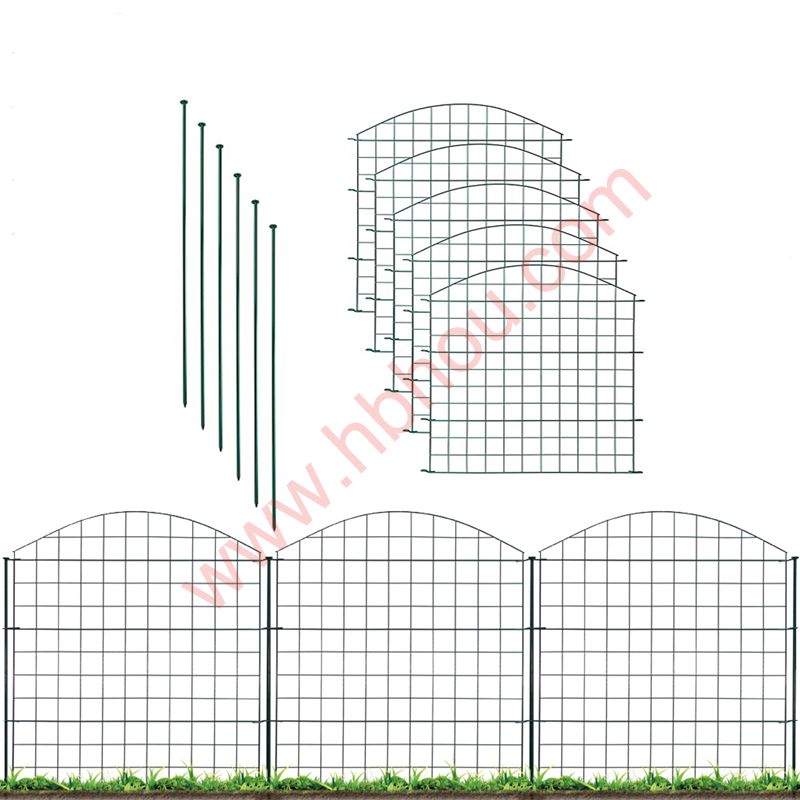
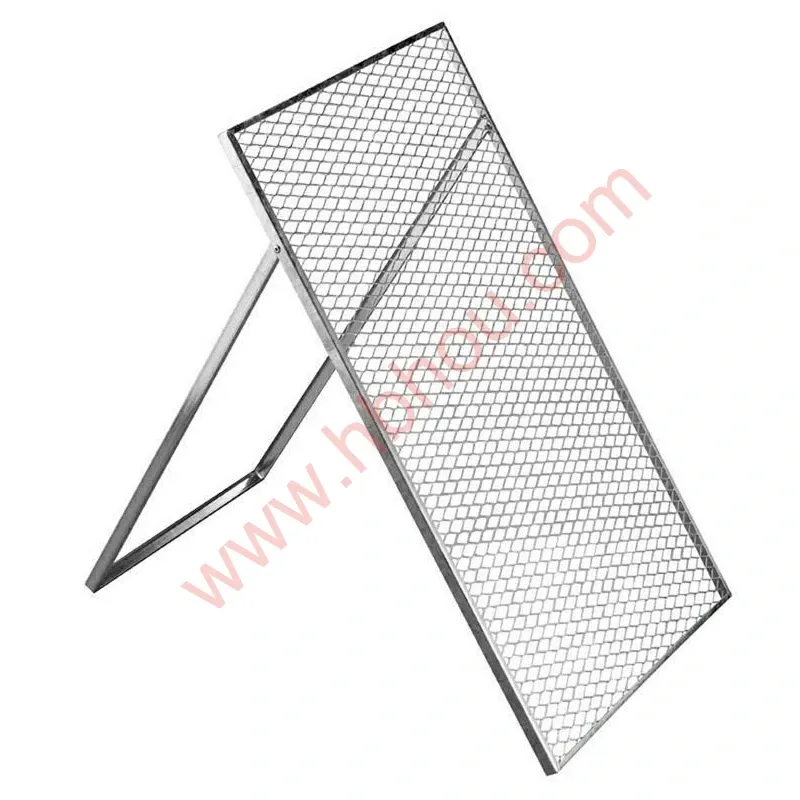
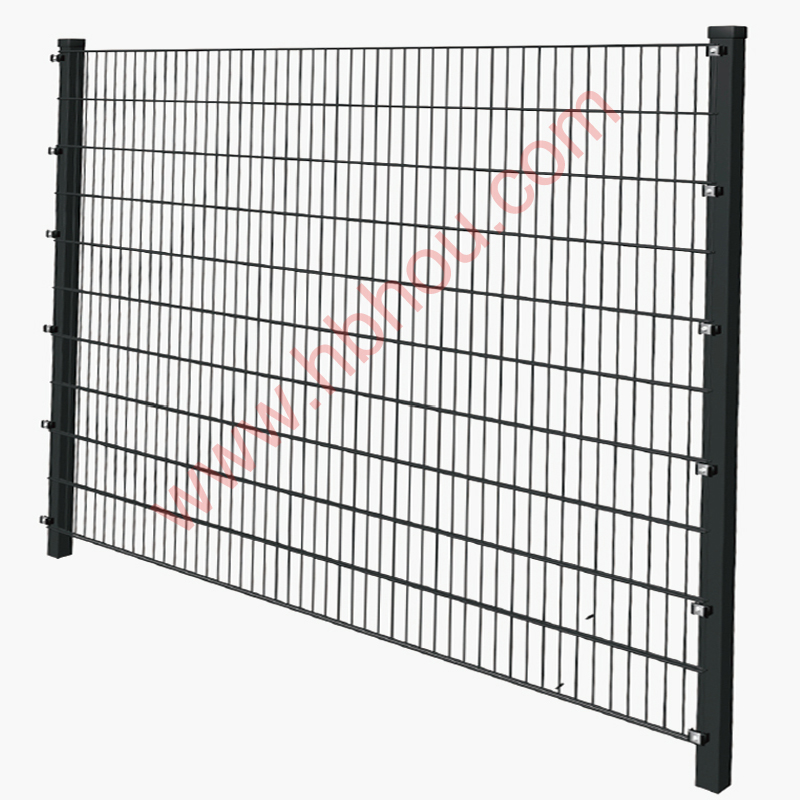
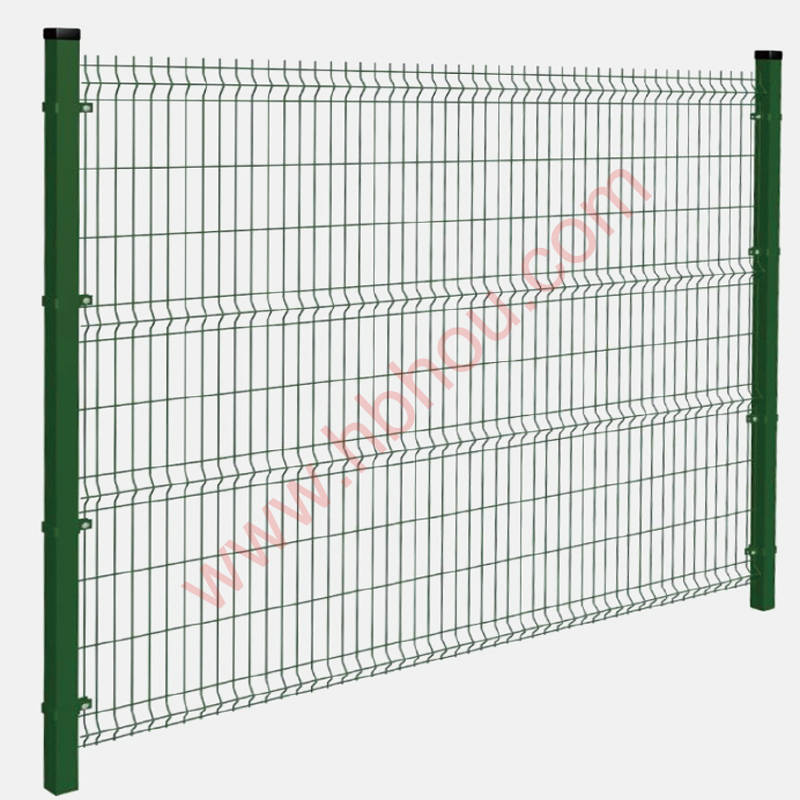
Figure 2: Examples of different stainless steel wire mesh configurations, showcasing versatility for various industrial demands.
Customized Solutions for Specialized Needs
Many industrial applications require more than off-the-shelf products. Our expertise lies in delivering bespoke stainless steel wire mesh solutions tailored to the exact specifications and performance demands of complex projects. This specialization is a hallmark of authoritative suppliers in the B2B space.
Our Customization Capabilities Include:
- Material Variation: Beyond standard SS304/316, we can work with duplex stainless steels (e.g., 2205) for enhanced strength and corrosion resistance, or other specialized alloys for unique chemical or temperature requirements.
- Custom Mesh Design: Fabrication of mesh with non-standard wire diameters, aperture sizes, and weave patterns (e.g., reverse Dutch weave for precise filtration, multi-layer sintered mesh for extreme durability and filtration fineness).
- Size and Formats: Production of mesh in specific roll widths and lengths, cut-to-size panels, or complex fabricated components such as filter discs, cylinders, baskets, and screens with custom frames and reinforcements.
- Surface Finishes: Options for electropolishing for improved surface smoothness and corrosion resistance, or various coatings for enhanced performance.
- Assembly and Fabrication: Integration of mesh into larger assemblies, including welding, bending, pressing, and other fabrication techniques to deliver ready-to-install components.
Our team of engineers collaborates closely with clients from initial design consultation through to prototyping and full-scale production, leveraging decades of experience to transform complex requirements into precision-engineered stainless steel wire mesh solutions. This collaborative approach ensures optimal performance and cost-effectiveness for even the most challenging applications.
Application Case Studies
Real-world examples demonstrate the tangible benefits of high-quality stainless steel wire mesh in diverse industrial settings.
Case Study 1: Enhanced Filtration in Petrochemical Refinery
Client: A leading international petrochemical company.
Challenge: Existing catalyst support grids in a crude oil distillation unit were experiencing premature degradation due to high temperatures and corrosive sulfur compounds, leading to frequent shutdowns and high maintenance costs.
Solution: We engineered custom stainless steel woven wire mesh grids using SS316L, specified with a unique twilled dutch weave for increased particle retention and superior mechanical strength. The mesh underwent an advanced passivation process for enhanced chemical resistance.
Result: The new grids demonstrated a 40% increase in operational lifespan compared to previous materials, significantly reducing downtime and maintenance expenditures. The improved structural integrity also minimized catalyst loss, optimizing the refining process and contributing to substantial energy savings.
Case Study 2: Durable Security Fencing for Critical Infrastructure
Client: A national water utility company.
Challenge: Securing a remote water treatment facility from vandalism and unauthorized access required a robust, long-lasting fence solution that could withstand harsh weather conditions and potential intrusion attempts without extensive maintenance.
Solution: We supplied heavy-gauge stainless steel welded wire mesh panels, fabricated from SS304, with specific anti-cut and anti-climb features. The panels were designed for easy installation and integrated seamlessly with existing security systems.
Result: The high-strength, corrosion-resistant stainless steel panels provided superior perimeter security. After five years, the mesh panels showed no signs of rust or degradation, significantly outperforming previously used galvanized steel fences and drastically reducing long-term maintenance costs for the utility.
Frequently Asked Questions (FAQ)
Q1: What is the primary difference between woven and welded stainless steel wire mesh?
A1: Stainless steel woven wire mesh is created by interlacing wires, similar to fabric, offering flexibility and diverse weave patterns for filtration. Stainless steel welded wire mesh involves resistance welding wires at intersections, resulting in a more rigid, structurally stable product ideal for architectural or security panels. Woven mesh generally offers finer filtration capabilities, while welded mesh provides greater load-bearing strength.
Q2: How do I choose the correct stainless steel grade for my application?
A2: The choice of grade depends on the operating environment. SS304 is suitable for general applications with good corrosion resistance. SS316/SS316L (low carbon) is recommended for highly corrosive environments, especially those involving chlorides (e.g., marine, chemical processing), due to its superior resistance to pitting and crevice corrosion. Consult with our technical team for specific recommendations based on your operational parameters.
Q3: What are your typical lead times for custom orders?
A3: Lead times for custom stainless steel wire mesh orders vary based on complexity, material availability, and order volume. For standard grades and common weave patterns, typical lead times range from 2-4 weeks. Highly specialized alloys or intricate fabrications may require 6-8 weeks. We provide a precise lead time estimate upon order confirmation and strive for timely fulfillment. Expedited services may be available upon request.
Q4: Do you offer a warranty on your stainless steel wire mesh products?
A4: Yes, we stand behind the quality of our products. All our stainless steel wire mesh comes with a standard 1-year warranty against manufacturing defects and material failures under normal operating conditions. Extended warranties are available for specific products and project scopes. Our commitment is to ensure long-term performance and customer satisfaction.
Customer Support and Partnership
Our dedication extends beyond product delivery. We believe in fostering long-term partnerships through exceptional customer support and comprehensive after-sales service. Our team is equipped to provide technical assistance, product guidance, and logistical support throughout the entire project lifecycle.
Lead Time & Fulfillment:
We operate with efficient manufacturing processes and a robust supply chain to ensure reliable and predictable lead times. Our logistics team works diligently to coordinate global shipping, packaging, and delivery, ensuring your stainless steel wire mesh arrives on schedule and in perfect condition, minimizing disruptions to your operations. We offer transparent communication on order status from production to final delivery.
Warranty & Commitment:
Our products are manufactured under strict quality control standards, backed by ISO 9001:2015 certification. We offer a comprehensive product warranty covering material and manufacturing defects. Our commitment to quality ensures that our stainless steel wire mesh will perform to the highest standards, offering peace of mind and long-term value for your investment.
After-Sales Support:
Our technical support team is available to assist with any post-installation queries, troubleshooting, or further application advice. We provide comprehensive documentation and guidance to ensure optimal performance and longevity of our mesh products. Your success is our priority, and we are dedicated to providing the support necessary to achieve it.
References
- ASTM International. "ASTM E2016-06 Standard Specification for Industrial Woven Wire Cloth." ASTM Standards.
- ISO. "ISO 9001:2015 Quality Management Systems – Requirements." International Organization for Standardization.
- ASM International. "Stainless Steels Handbook." ASM Handbook Volume 1: Properties and Selection: Irons, Steels, and High-Performance Alloys.
- The Nickel Institute. "Stainless Steel in Architecture, Building and Construction: Guidelines for Maintenance." Nickel Institute Technical Publication.
- National Institute of Standards and Technology (NIST). "Corrosion of Stainless Steels." NIST Technical Notes.