Understanding the Cost of Chain Link Fence for 1/2 Acre
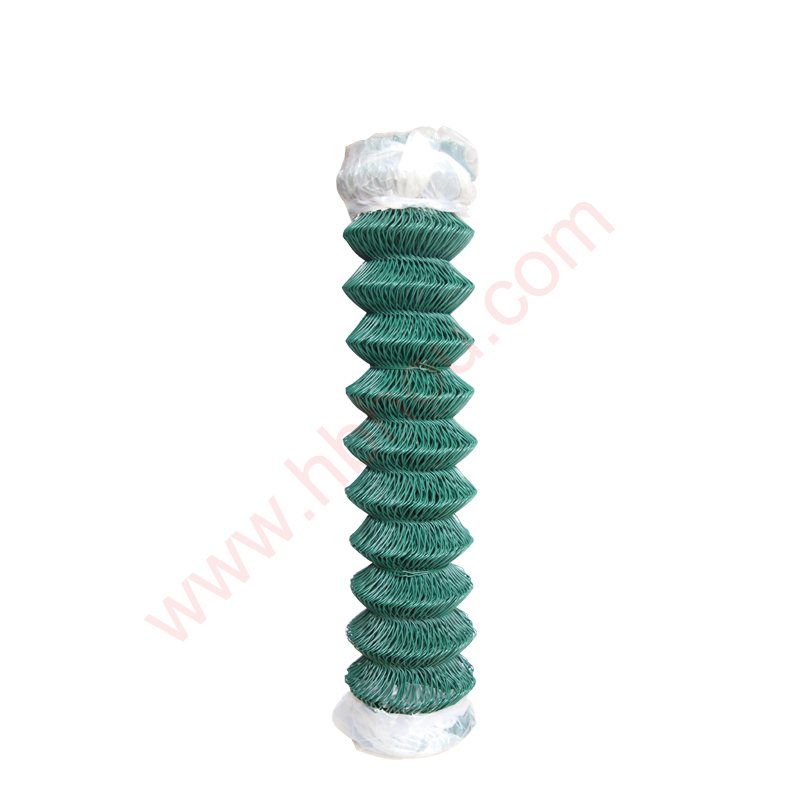
When it comes to fencing a half-acre of land, the cost of chain link fence for 1 2 acre is often the first question on a property owner’s mind. Whether you're securing a backyard, a commercial yard, or a small farm plot, knowing what drives the price helps you plan better and avoid surprises. On a global scale, chain link fencing remains a top choice thanks to its balance of affordability, durability, and ease of installation—qualities that continue to make it highly relevant for industries ranging from agriculture to urban development.
Introduction: Why Global Communities Care About Fencing Costs
Globally, fencing — particularly chain link types — impacts land management, security, and infrastructure development. The World Bank estimates that in emerging economies, cost-effective fencing solutions like chain link fences can improve property value while enhancing community safety. Oddly enough, even in developed countries, the decision to fence off pieces of land hinges heavily on cost factors. Misjudging expenses can lead to project delays or increased vulnerability, which is why understanding the cost of chain link fence for 1 2 acre is crucial. The challenge is balancing cost-efficiency with longevity and robustness—no one wants to invest in something that won’t last.
What Exactly Does “Cost of Chain Link Fence for 1/2 Acre” Mean?
Simply put, this phrase refers to the total expense required to install a chain link fence around a half-acre plot of land, inclusive of materials, labor, and possible accessories like gates and posts. For context, a half-acre is roughly 21,780 square feet, which translates to approximately 940 linear feet of fencing if the plot is square-shaped. Now, this cost varies considerably based on factors like fence height, gauge, coatings, and local labor markets. In modern industries—think construction sites, schools, or refugee camps—affordable yet reliable fencing solutions aren’t just functional; they represent safety, privacy, and sometimes even dignity.
Key Factors That Drive the Cost of Chain Link Fence for 1/2 Acre
1. Material Quality and Gauge
The wire thickness (gauge) critically influences cost and lifespan. For instance, a 9-gauge fence wire is thicker and more durable than 11-gauge, but it also commands a premium price. Coatings—galvanized steel or vinyl—add to the price but prevent rust and degradation.
2. Fence Height and Length
Height is a simple multiplier; a 6-foot fence costs more than a 4-foot one over the same linear feet. Since we’re considering about 940 feet for 1/2 acre, every additional foot of height significantly ups the bill.
3. Labor and Installation Complexity
Terrain matters—rocky or sloped ground requires specialized tools and extra time, pushing installation fees up. Urban areas typically have higher labor rates than rural zones.
4. Additional Components
Gates, posts with concrete footers, tension wires, and privacy slats all add to the baseline cost. These must align with the overall fencing goal—whether security, aesthetics, or boundary marking.
Typical Chain Link Fence Specs for 1/2 Acre
| Specification | Detail |
|---|---|
| Total Linear Feet | ~940 ft (square plot) |
| Fence Height | 4 ft, 6 ft, or 8 ft common |
| Wire Gauge | 9 – 11 gauge (thicker = more durable) |
| Material Coating | Galvanized steel or vinyl-coated |
| Posts | Steel T-posts or concrete-set round posts |
| Gates | Optional; typically 4 ft or 6 ft wide |
Mini takeaway: The price hinges largely on fence height and wire gauge but don’t forget additional accessories and installation complexity.
Who Benefits From Chain Link Fence for a Half Acre?
The uses are surprisingly broad. In North America, homeowners often install chain link fences around properties under a half-acre for security and pet containment. Agricultural users, especially smallholders in regions like sub-Saharan Africa or Southeast Asia, use them to protect crops from wildlife. Meanwhile, industrial facilities worldwide use these fences to secure equipment yards or outdoor storage spaces. NGOs involved in disaster relief sometimes install rapid-deployment fencing for temporary camps—where cost-effective, reliable fencing is a must. You can see why understanding the cost of chain link fence for 1 2 acre matters so much.
Advantages & Long-Term Value of Chain Link Fencing
The tangible benefits are clear:
- Cost Effectiveness: Compared to wood or vinyl fencing, chain link typically costs less for the same perimeter coverage.
- Durability: Coated wire resists rust and weather degradation, promising years of service.
- Low Maintenance: Minimal upkeep compared to wooden fences that require painting or repairs.
- Security & Visibility: It’s tough enough to deter trespassers but allows visibility, which is key for surveillance.
On an emotional level, there’s a sense of peace and confidence knowing your property is reliably enclosed—whether that’s a family home or an important industrial site.
Vendor Comparison: Chain Link Fence Providers for Half-Acre Needs
| Vendor | Price Range (per linear ft) | Material Options | Installation Included? |
|---|---|---|---|
| FenceCo | $8 - $12 | Galvanized, Vinyl-coated | Yes, local teams |
| SecureBound | $7 - $10 | Galvanized only | DIY or contracted |
| GreenLine Fencing | $9 - $14 | Vinyl-coated, eco-friendly materials | Yes, with environmental compliance |
Mini takeaway: Choosing a vendor depends not just on price, but also material quality, installation options, and eco-friendliness.
Future Trends in Chain Link Fence Pricing and Design
Sustainability is pushing vendors to experiment with recycled materials and eco-friendly coatings that reduce environmental impact without hiking prices significantly. Digital tools like drone surveys and automated installation machinery are coming into play, trimming labor costs. Frankly, if you’re budgeting for the cost of chain link fence for 1 2 acre today, expect marginal but continuous shifts due to these innovations.
Common Challenges & How to Overcome Them
One issue is unexpected terrain challenges that increase installation time and expense. Engaging early with professionals who conduct precise site surveys prevents such surprises. Another is corrosion—especially in coastal or humid zones—mitigated by opting for higher-quality coatings or specialized alloys. Finally, procurement delays can derail timelines, so pre-ordering materials and confirming vendor reliability early on is wise.
FAQ: Your Practical Questions About Cost of Chain Link Fence for 1 2 Acre
- Q: How much does labor typically add to the overall cost?
A: Labor can account for 30-50% of total costs depending on terrain complexity and local wages. Labor rates are higher in urban areas. - Q: Can I reduce costs by installing the fence myself?
A: DIY installation saves money but requires tools and skill. Mistakes may lead to increased long-term costs due to repairs. - Q: What’s the lifespan of a galvanized chain link fence on a half-acre?
A: Typically 15-20 years with proper maintenance; vinyl coatings can extend this lifespan further. - Q: Are there approximate budget ranges available?
A: On average, fencing a 1/2 acre with standard 4-6 ft galvanized chain link costs between $7,000 and $12,000, including installation.
Conclusion — Taking Control of Your Chain Link Fence Budget
Understanding the cost of chain link fence for 1 2 acre helps you balance affordability with durability and peace of mind. The most successful projects are those where owners invest in quality materials, careful planning, and trusted vendors. If you’re ready to take the next step or simply want a reliable quote, do check out our website—there’s plenty of info and expert guidance waiting. It feels rewarding when you know your property is secured just right — no more, no less.
References:
1. World Bank Infrastructure Report, 2022
2. ISO 9001 Quality Management Systems Standards
3. Wikipedia: Chain Link Fence (https://en.wikipedia.org/wiki/Chain-link_fence)