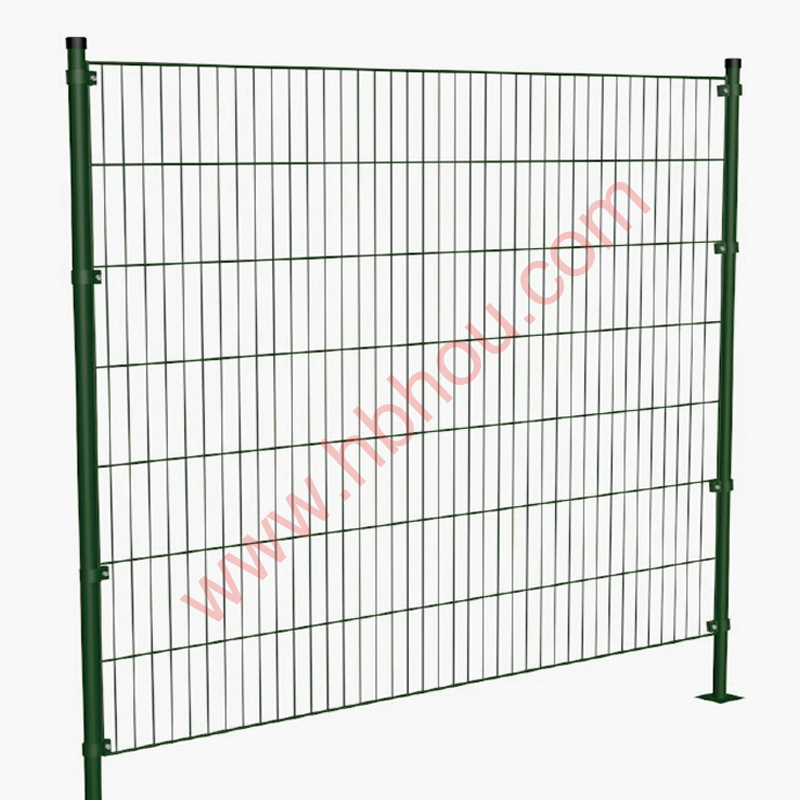
Industry Trends in Grassland Fencing Solutions
The demand for robust and sustainable grassland fence solutions is experiencing significant growth, driven by several macro-environmental factors. Global population expansion necessitates increased agricultural output, leading to a greater emphasis on efficient livestock management and pasture utilization. Concurrently, heightened awareness of wildlife conservation and effective land demarcation practices has fueled innovation within the fencing industry. Modern trends indicate a strong preference for materials offering extended service life, minimal maintenance, and superior structural integrity, directly impacting operational expenditures and ecological footprints.
Technological advancements in metallurgy and coating processes are pivotal. Hot-dipped galvanization, for instance, remains the industry standard, but evolving techniques aim for even greater zinc adhesion and uniformity, prolonging the corrosion resistance of fencing wire. The shift towards higher tensile strength steel wires allows for lighter yet more durable fencing structures, reducing material consumption and transportation costs. Furthermore, the integration of smart monitoring solutions, although nascent, hints at a future where fence integrity can be remotely assessed, offering proactive maintenance and enhanced security for valuable livestock or protected areas.
Sustainability is another critical driver. End-users are increasingly scrutinizing the lifecycle impact of their investments. Manufacturers responding to this trend are developing products with enhanced recyclability and reduced environmental impact during production. The longevity of a high-quality grassland fence directly contributes to sustainability by minimizing replacement frequency and associated resource consumption. These trends collectively underscore a market moving towards more resilient, cost-effective, and environmentally conscious fencing infrastructure.
Manufacturing Process: Precision and Durability
The production of a high-performance grassland fence, specifically the Hot Dipped Galvanized Hinge Joint Knot Cattle Fence, involves a meticulously controlled manufacturing process to ensure maximum durability and functional efficacy. This process integrates advanced material science with precision engineering to deliver a product capable of withstanding harsh environmental conditions and significant livestock pressure.
Key Process Steps:
- Wire Rod Selection & Drawing: High-carbon steel wire rods, conforming to ASTM A853 standards for steel wire, are meticulously selected for their inherent tensile strength and ductility. These rods undergo a drawing process, reducing their diameter to the precise gauges required for line wires and stay wires. This cold-drawing enhances the wire's strength and surface finish.
- Hot-Dipped Galvanization: The drawn steel wires are then subjected to a rigorous cleaning and fluxing process before being immersed in a bath of molten zinc at temperatures typically around 450°C (840°F). This hot-dipped galvanization process creates a metallurgical bond between the zinc and the steel, forming a protective layer that adheres to ASTM A116 standards for metallic-coated steel wire. This robust coating provides superior corrosion resistance, critical for outdoor applications.
- Hinge Joint Knot Weaving: Galvanized wires are fed into specialized weaving machines. The hinge joint knot mechanism involves wrapping the vertical stay wire around the horizontal line wire in a secure, non-slip manner. This knot design allows the fence to flex on impact without breaking, providing inherent elasticity and resistance to animal pressure. The weaving process is precisely calibrated to achieve consistent mesh spacing and overall fence height, ensuring uniform load distribution.
- Quality Control & Testing: Throughout the production cycle, stringent quality control measures are implemented. Key parameters such as wire gauge, zinc coating thickness, tensile strength (tested to ISO 6892-1), knot strength, and overall fence dimensions are continuously monitored. Finished products undergo visual inspection for defects and are subjected to tension and flexibility tests to simulate real-world conditions. Batch sampling ensures compliance with ISO 9001 quality management systems.
- Packaging & Dispatch: Completed rolls of grassland fencing are tightly spooled, often secured with steel strapping, and may be wrapped in protective materials to prevent damage during transit. Proper labeling ensures traceability and adherence to shipping specifications.
The typical service life for a hot-dipped galvanized hinge joint knot grassland fence can range from 20 to 30 years, depending on environmental corrosivity and maintenance. Our products target industries such as agriculture (livestock farming, pasture division), wildlife management (exclusion fencing), and general land demarcation for rural and remote properties, offering robust protection against environmental degradation and unauthorized access.
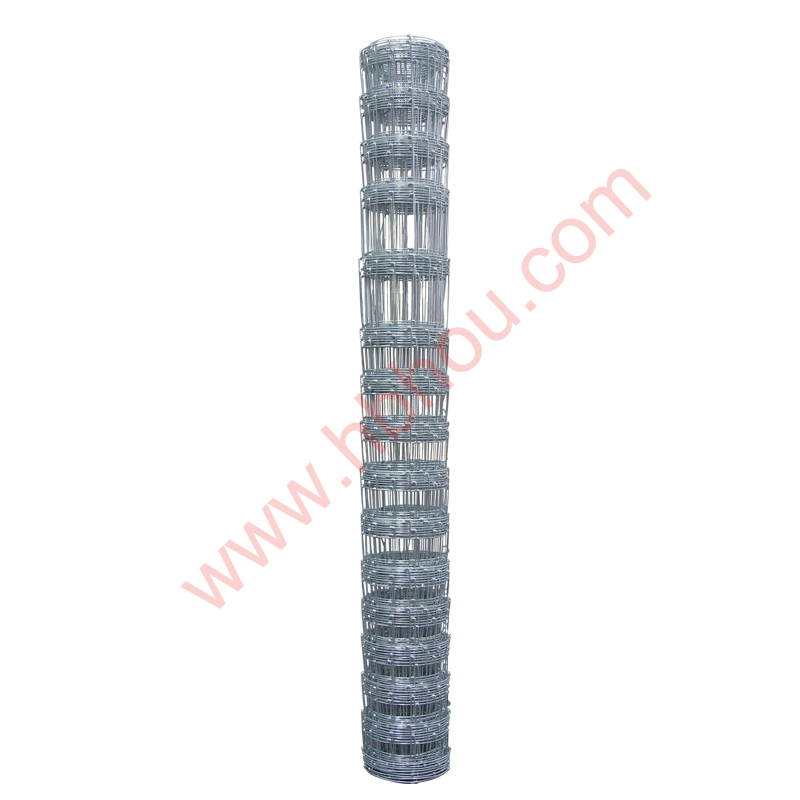
Technical Specifications and Parameters
Understanding the technical specifications of a grassland fence is crucial for effective project planning and procurement. Our Hot Dipped Galvanized Hinge Joint Knot Cattle Fence is engineered to meet stringent performance requirements. The key parameters ensure optimal functionality and longevity in demanding agricultural and natural environments.
Product Specification Table:
| Parameter | Specification Details | Standard/Value Range |
|---|---|---|
| Material | High Tensile Steel Wire | ASTM A853 compliant |
| Surface Treatment | Hot Dipped Galvanized | Zinc coating ≥ 240 g/m² (ASTM A116, Class 3) |
| Wire Gauge (Line Wire) | 2.50 mm (12.5 Gauge) | ±0.05 mm tolerance |
| Wire Gauge (Stay Wire) | 2.00 mm (14 Gauge) | ±0.05 mm tolerance |
| Tensile Strength (Line Wire) | Min. 1200 N/mm² | ISO 6892-1 compliant |
| Knot Type | Hinge Joint Knot | Flexible, non-slip design |
| Fence Height Options | 90 cm, 100 cm, 120 cm, 150 cm, 200 cm | Customizable upon request |
| Roll Length | 50 m, 100 m, 200 m | Standard lengths |
| Vertical Wire Spacing | 15 cm, 30 cm (variable) | Graduated options available |
The hinge joint knot is specifically designed for environments where dynamic impacts are common, allowing the fence to "give" and return to its original shape without compromising structural integrity. This flexibility, combined with the high-tensile steel and heavy galvanization, ensures superior performance against large livestock and predatory wildlife, making it an ideal choice for diverse applications requiring durable grassland fencing.

Application Scenarios and Technical Advantages
The versatility and robust nature of the Hot Dipped Galvanized Hinge Joint Knot Cattle Fence make it suitable for a broad spectrum of applications, primarily in rural, agricultural, and conservation sectors. Its technical advantages address common challenges faced in these environments.
Primary Application Scenarios:
- Livestock Containment: Essential for cattle, sheep, goats, and other grazing animals. The hinge joint knot prevents unraveling and provides excellent resistance to animal pressure, reducing breakouts and ensuring herd security.
- Wildlife Exclusion: Effectively deters larger wildlife such as deer, kangaroos, or wild boars from entering agricultural lands, protecting crops and pastures. The graduated mesh design (smaller openings at the bottom) can also deter smaller predators.
- Pasture Subdivision & Rotational Grazing: Enables efficient management of grazing lands, facilitating rotational grazing practices that enhance pasture health and productivity while minimizing overgrazing.
- Boundary Fencing: Provides a durable and clear demarcation for property lines, minimizing disputes and ensuring controlled access to land parcels.
- Roadside & Railway Enclosures: Enhances safety by preventing animals from straying onto roads or railway tracks, a critical application in remote and semi-rural areas.
Technical Advantages:
- Superior Corrosion Resistance: The heavy hot-dipped galvanization (Class 3 zinc coating, ≥ 240 g/m²) provides an exceptional barrier against rust and corrosion, significantly extending the fence's lifespan, even in harsh weather conditions or coastal environments. This reduces the need for frequent replacement, offering substantial long-term cost savings.
- High Tensile Strength: Constructed from high-carbon steel, the wires boast a tensile strength of over 1200 N/mm², allowing the fence to absorb impact from animals without deforming or breaking. This results in fewer posts required per span, lowering installation costs and material consumption.
- Flexible Hinge Joint Knot: Unlike rigid knots, the hinge joint design allows the fence to flex vertically and horizontally under pressure, then rebound to its original shape. This makes it highly effective against impacts from livestock and changing terrain, minimizing sagging and damage.
- Reduced Maintenance: The combination of high-quality materials and robust construction means significantly less maintenance is required over the fence's long service life, translating directly into reduced labor costs and operational efficiencies for agricultural businesses.
- Cost-Effectiveness: While the initial investment in a high-quality grassland fence might be higher than traditional alternatives, the extended lifespan, reduced maintenance, and superior performance deliver a substantially lower total cost of ownership over its decades-long service period.

Vendor Comparison and Customized Solutions
The market for grassland fencing solutions is diverse, with various manufacturers offering different product specifications, quality standards, and service levels. A thorough vendor comparison is essential for B2B buyers to identify the best fit for their operational requirements and budgetary constraints.
Key Differentiation Factors in Vendor Selection:
- Material Quality & Coating: Verify the actual zinc coating weight (g/m²) and compliance with international standards (e.g., ASTM A116 Class 3). Lesser quality galvanization significantly reduces service life.
- Wire Tensile Strength: Higher tensile strength means greater resilience against impacts and fewer posts needed, leading to cost savings. Ensure wire gauge specifications are consistent and verified.
- Knot Integrity: The hinge joint knot should be consistently formed and securely wrapped, providing flexibility without slippage. Fixed knots offer greater rigidity but less flexibility; choose based on application.
- Customization Capabilities: Assess a vendor's ability to provide non-standard heights, lengths, or mesh configurations.
- Certifications & Reputation: Look for ISO-certified manufacturers with a proven track record, positive customer feedback, and verifiable project references.
Product Comparison: Hinge Joint Knot vs. Fixed Knot Fencing
| Feature | Hinge Joint Knot (Our Product) | Fixed Knot Fencing |
|---|---|---|
| Flexibility & Impact Absorption | High; designed to flex and rebound, reducing damage from animal impacts or terrain shifts. | Lower; more rigid structure, less forgiving to impacts, may deform under heavy load. |
| Knot Slippage | Highly resistant; secure wrap prevents vertical wires from slipping along line wires. | Virtually no slippage; wraps are tightly crimped, providing maximum rigidity. |
| Installation Adaptability | Excellent for uneven terrain; conforms well to contours, easier to tension. | Better suited for very flat terrain; requires precise tensioning to avoid strain. |
| Post Spacing | Allows for wider post spacing due to inherent flexibility and strength. | May require slightly closer post spacing for optimal rigidity, depending on application. |
| Primary Application Focus | Livestock, general boundary, undulating terrain, areas with high impact risk. | Heavy-duty livestock, predator control, very flat and consistent terrain. |
Customized Solutions:
Recognizing that every project has unique requirements, we offer extensive customization options for our grassland fence products. This includes:
- Specific Heights and Lengths: Tailored to match precise property boundaries or animal containment needs.
- Varied Mesh Configurations: Adjustable vertical and horizontal wire spacing to suit different animal types (e.g., tighter mesh for smaller animals like sheep, wider for cattle).
- Wire Gauges: Options for heavier line wires or stay wires to enhance strength in high-stress areas.
- Coating Options: While hot-dipped galvanization is standard, other coating options or higher zinc masses can be explored for extreme environmental conditions.
Our engineering team collaborates closely with clients to develop precise specifications, ensuring the customized grassland fencing solution perfectly integrates with their operational environment and objectives.
Application Case Studies & Customer Trust
Our commitment to quality and performance in grassland fencing is best demonstrated through real-world applications and the trust placed in us by our clients. With years of experience in the industry, our products have been deployed across various challenging environments, delivering consistent, reliable results.
Case Study 1: Large-Scale Cattle Ranch in Queensland, Australia
Challenge: A prominent cattle ranch operating in the vast, arid, and often harsh conditions of Queensland required a durable and low-maintenance fencing solution for thousands of acres. The existing fencing suffered from rapid corrosion and frequent damage due to wildlife and cattle pressure, leading to high repair costs and labor input.
Solution: We supplied over 500 rolls of our Hot Dipped Galvanized Hinge Joint Knot Cattle Fence, specifically 120cm height with graduated mesh. The heavy Class 3 galvanization was critical for resisting the extreme UV and saline conditions, while the hinge joint knot allowed for effective tensioning over undulating terrain.
Outcome: After five years, the client reported negligible corrosion and significantly reduced maintenance requirements. Breakouts decreased by 85%, and the flexibility of the hinge joint knot proved invaluable in absorbing impacts from large cattle and native wildlife. The project demonstrated a substantial return on investment through reduced operational costs and enhanced herd security.
Case Study 2: Wildlife Sanctuary in South Africa
Challenge: A wildlife conservation trust needed to establish secure perimeter fencing for a new sanctuary to protect endangered species from poaching and prevent local livestock from straying into protected habitats. The fence needed to be robust against various wildlife, durable in a tropical savanna climate, and visually unobtrusive.
Solution: We provided a customized 200cm high grassland fence with tighter mesh spacing at the bottom and stronger line wires throughout, combined with Class 3 hot-dipped galvanization. The fence was installed with minimal visual impact, blending with the natural environment.
Outcome: The fence has successfully contained designated species and prevented ingress from external elements for over three years. The high tensile strength and flexible knot design resisted attempts by larger animals to breach the perimeter, while the durable galvanization ensured resilience against the humid climate. This project exemplifies our capability to provide tailored solutions for highly sensitive applications.
"The fencing from HB Hou has transformed our operational efficiency. Its durability and minimal need for repairs are exactly what we needed for our extensive ranch. A truly reliable product." - Farm Manager, Queensland Ranch.

Frequently Asked Questions (FAQ)
Q1: What is the primary advantage of a hinge joint knot in grassland fencing?
A1: The hinge joint knot allows the fence to flex under impact from animals or when encountering uneven terrain, providing superior elasticity and resistance to damage compared to rigid knot types. This prevents permanent deformation and extends the fence's functional lifespan.
Q2: How does hot-dipped galvanization compare to other coating methods for fencing?
A2: Hot-dipped galvanization, especially Class 3, provides a thick, metallurgically bonded zinc coating that offers superior corrosion protection and durability compared to electro-galvanization or painted finishes. It significantly extends the service life of the fence in outdoor environments.
Q3: What is your typical lead time for large orders?
A3: Standard orders typically have a lead time of 2-4 weeks, depending on order volume and current production schedules. For customized or exceptionally large orders, our sales team will provide a detailed timeline upon specification confirmation. Expedited options may be available.
Q4: What warranty do you offer on your grassland fence products?
A4: We provide a comprehensive warranty covering material defects and zinc coating adhesion for 10-20 years, depending on the specific product and environmental application. Full warranty details are available upon request and accompany every order, ensuring customer confidence in our product's longevity.
Q5: Do you offer after-sales support and installation guidance?
A5: Yes, our dedicated customer support team is available 24/7 to assist with any queries, from technical specifications to installation best practices. We provide detailed installation guides and can offer remote consultation to ensure proper setup and maximize the performance of your fencing system.
Authoritative References
- ASTM International. (2020). ASTM A116/A116M-20, Standard Specification for Metallic-Coated Carbon Steel Barbed Wire. Available from: https://www.astm.org/a0116_a0116m-20.html
- International Organization for Standardization. (2017). ISO 9001:2015, Quality management systems – Requirements. Available from: https://www.iso.org/standard/62085.html
- International Organization for Standardization. (2019). ISO 6892-1:2019, Metallic materials – Tensile testing – Part 1: Method of test at room temperature. Available from: https://www.iso.org/standard/76020.html
- American Galvanizers Association. (2023). Hot-Dip Galvanizing for Corrosion Protection. Available from: https://galvanizeit.org/hot-dip-galvanizing/what-is-hot-dip-galvanizing/coating-durability