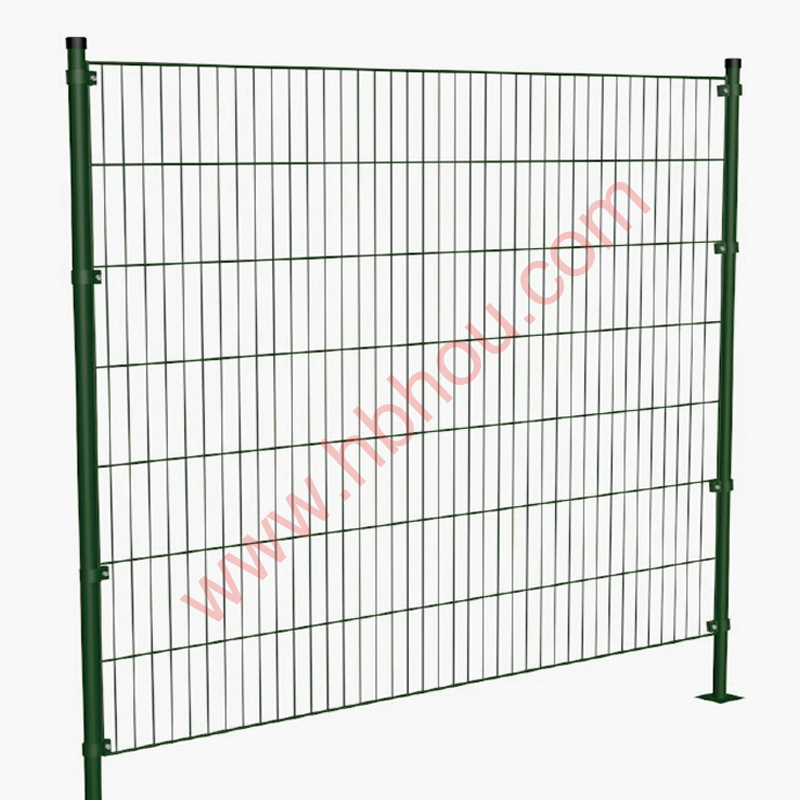
Understanding 5 Foot Fence Panels: Why They Matter More Than You Think
So, you might have come across the term 5 foot fence panels somewhere — maybe in a hardware store, a construction site, or a remote community project. But what exactly are these panels, and why are they becoming such a significant feature across multiple industries worldwide? At a glance, they seem simple: modular fencing components standing about five feet tall. But behind that simplicity lies a world of global utility, cost-saving innovations, and even humanitarian solutions. In this article, we’ll dive into what makes 5 foot fence panels a bit of an unsung hero in modern fencing, exploring their definition, key attributes, and why they’re one of the go-to choices from sprawling industrial zones to post-disaster relief camps.
Understanding these panels isn’t just for builders or designers — it’s for anyone curious about practical, scalable solutions that tie into safety, sustainability, and community-building worldwide.
The Global Context of 5 Foot Fence Panels: More Than Just Boundaries
Globally, fencing solutions impact everything from urban development to agriculture, disaster management, and border security. According to UN reports, secure perimeters have become critical in humanitarian zones where shelter and safety go hand in hand. And interestingly, the World Bank highlights how infrastructure upgrades—often including fencing—play a silent but essential role in community resilience and economic growth.
5 foot fence panels fill a niche between overly imposing barriers and flimsy demarcations. Their height is just right for many applications: enough to deter intrusions, but not so tall as to be visually overwhelming or impractical. Yet they come with challenges, like durability under extreme weather or rapid deployment needs. Industry leaders have been pushing innovation precisely around such pain points.
What Exactly are 5 Foot Fence Panels?
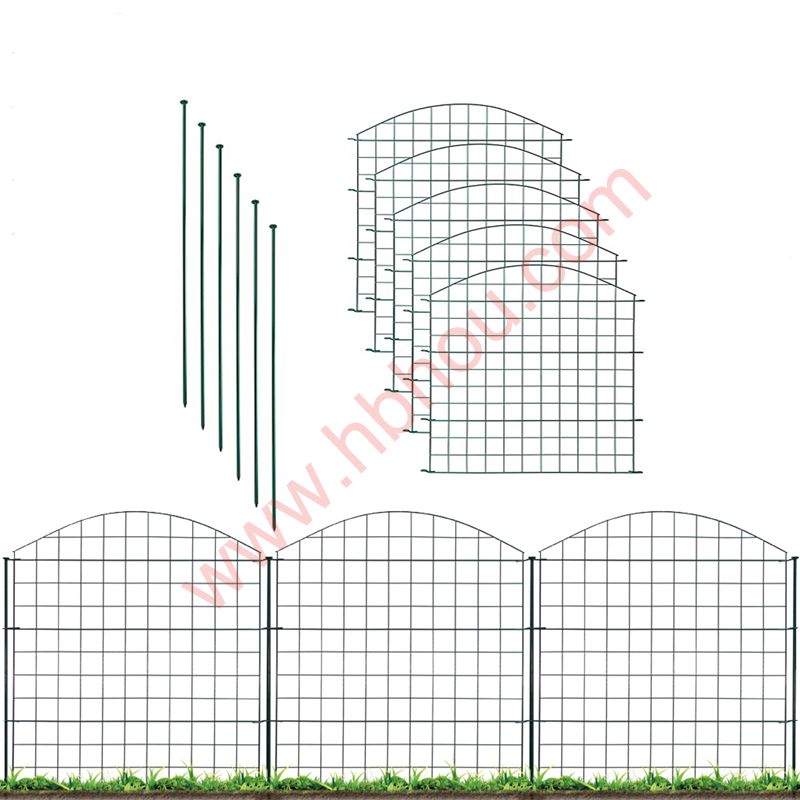
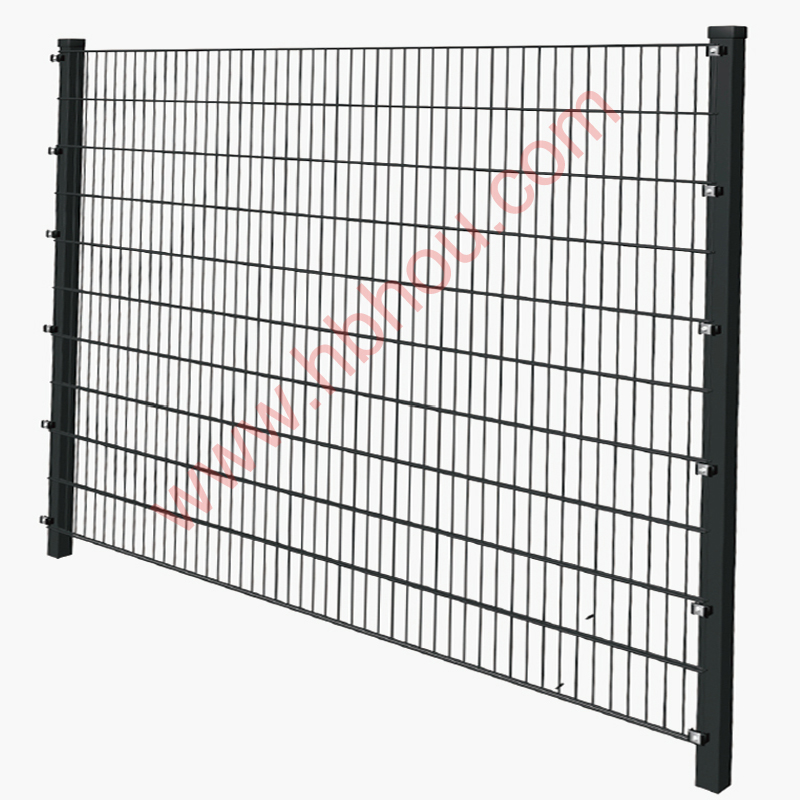
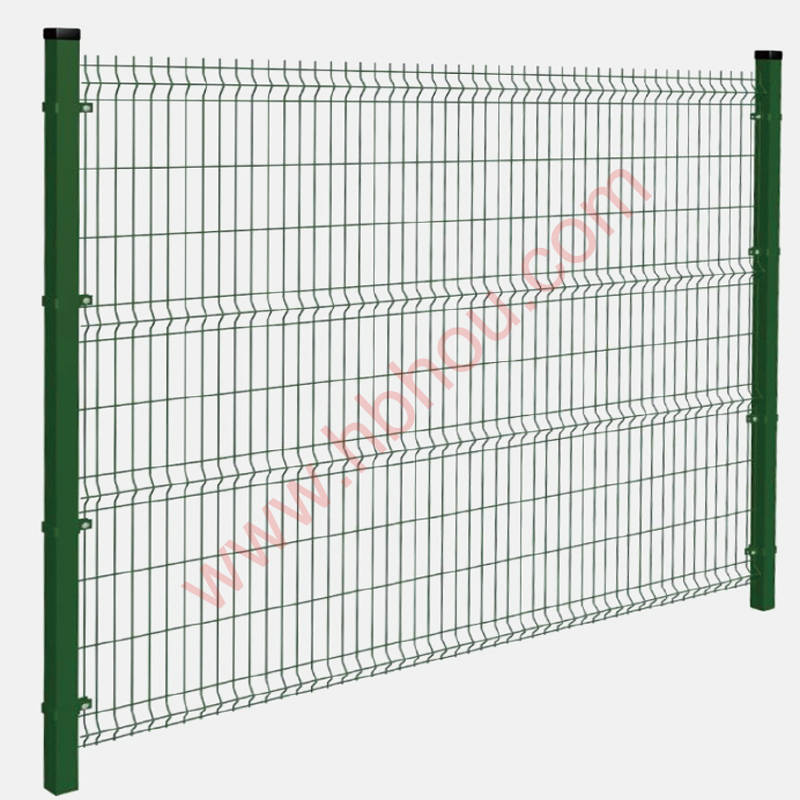
In simple terms, 5 foot fence panels are prefabricated fencing sections approximately five feet in height, often constructed from wood, metal, vinyl, or composite materials. They’re modular, which means you can attach multiple panels to cover whatever distance you need, making them scalable and flexible.
Industrially, these panels serve crucial roles. Take manufacturing plants or warehouses — they require efficient perimeters that ensure personnel safety and control access. Similarly, NGOs use them for quickly assembled fences around temporary camps, balancing speed with reliability.
So while many might think of fencing purely as a yard boundary or something for pets, these panels play a far bigger role in modern infrastructure and community protection.
Core Factors that Make 5 Foot Fence Panels Practical
Durability: Built to Last
Materials vary, but many panels incorporate powder-coated metals or treated wood for UV and weather resistance. You want a fence that stands through seasons without sagging or rusting. Durability directly affects long-term cost efficiency—no sense in replacing a panel every year.
Ease of Installation
One of the biggest draws is how quickly these panels can go up. Usually, the setup doesn’t require specialist tools—handy for emergency deployments. I’ve seen teams assemble dozens of panels within hours, which can be a literal lifesaver on-site.
Cost Efficiency
Comparatively inexpensive, 5 foot fence panels strike a good balance between affordability and performance. Since they’re modular, you can invest gradually, expanding fences as budgets allow.
Scalability & Flexibility
Need a small garden fence or a 1,000-foot secure perimeter? The modular nature means you can mix and match easily. You can also choose materials and styles tailored for industrial strength or aesthetic privacy — versatility is baked in.
Environmental Impact
Nowadays, post-consumer recycled plastics or sustainably forested wood are becoming popular for panels, addressing concerns over resource depletion and carbon footprint.
Typical Global Applications: From Remote Mines to Refugee Camps
- Industrial zones: Factories and warehouses in regions like Southeast Asia and Eastern Europe rely on these panels for securing property efficiently.
- Construction sites: Temporary fencing to protect equipment and workers during multi-phase projects.
- Agricultural land: Sections for livestock containment or crop protection where height is enough to deter animals but not block wind.
- Humanitarian aid: In disaster relief zones in Africa and the Middle East, NGOs rapidly deploy 5 foot fence panels to create safe zones and controlled access around camps.
- Residential developments: Around suburban neighborhoods for privacy and aesthetics.
For instance, in flood-prone areas of Bangladesh, temporary fence panels have been used extensively for organizing emergency shelters—a simple but effective way to restore social order amid chaos.
Product Specification Table
| Feature | Specification | Notes |
|---|---|---|
| Height | 5 feet (approx. 1.52 m) | Standard for visibility and security |
| Material | Powder-coated steel / Treated Wood / Vinyl | Various options based on use-case |
| Panel width | 6 to 8 feet (1.8 to 2.4 m) | Flexible for different fence lengths |
| Weight | 40–60 lbs per panel | Light enough for manual installation |
| Resistance | Weather, UV, Corrosion | Materials treated or coated accordingly |
Vendor Comparison: Choosing the Right 5 Foot Fence Panels Supplier
| Vendor | Materials Offered | Customization | Lead Time | Price Range |
|---|---|---|---|---|
| FencePro Inc. | Steel, Vinyl | Color & panel size available | 2–3 weeks | $$$ |
| GreenGuard Solutions | Recycled Plastic Composite | Limited customization | 1–2 weeks | $$ |
| EcoFences Ltd. | Sustainably Sourced Wood | Custom paint & stain | 3–4 weeks | $$$ |
Advantages and Long-Term Value of 5 Foot Fence Panels
Beyond mere borders, these panels offer a mix of practical and emotional value. Cost-wise, their modular nature reduces waste and upfront capital, which is appealing for both corporate and NGO budgets. Sustainability isn’t just a buzzword here — with growing availability of eco-friendly materials, these panels can align with green building certifications.
Emotionally, fencing conveys a sense of security and dignity—particularly important in vulnerable populations like displaced persons or in community housing projects. At the same time, they represent innovation, as manufacturers continue to refine materials and design for better longevity and adaptability.
Future Trends in 5 Foot Fence Panels: What’s Next?
Emerging tech and policies are pushing fencing beyond basic metal or wood. Expect to see:
- Smart fencing materials: Panels integrated with sensors for intrusion detection.
- Solar-powered fences: Especially in remote areas, adding lighting or alarm capabilities.
- More recyclable composites: Reducing environmental footprints throughout the lifecycle.
- Faster prefab systems: For emergency or military use, with plug-and-play installation hampers.
Industry forums like ISO TC 146 are working on standards to unify quality benchmarks globally, making it easier for international aid and construction companies to adopt a unified supply chain approach.
Challenges and How Experts Are Overcoming Them
Of course, no solution is perfect. Issues often arise around:
- Maintenance: Even the best coatings wear after years.
- Transport & assembly: While panels are modular, logistics in remote zones can complicate delivery.
- Security limitations: Five feet may not deter larger threats, so layering fencing solutions is often required.
Innovations like modular add-ons, remote monitoring, and hybrid material use help overcome these. Many engineers suggest planning fencing as part of a holistic security or containment system.
FAQs: Practical Questions About 5 Foot Fence Panels
- Q: Are 5 foot fence panels suitable for quick deployment in emergency situations?
- A: Absolutely. Their modular design and manageable weight make them ideal for rapid assembly, especially for NGOs working in disaster relief. Panels can be installed without heavy machinery and adapt well to uneven terrain.
- Q: How long do these fence panels typically last outdoors?
- Lifespan depends on material and maintenance. Powder-coated steel panels can last 10+ years if well cared for, while treated wood might need refinishing every 3–5 years. Vinyl and composite materials often last longer with less upkeep.
- Q: Can I customize these panels for specific aesthetic or privacy needs?
- Yes, many suppliers offer customization such as color choices, patterns, or slat spacing. Privacy-focused panels usually use tighter slats, while decorative versions include lattice or ornamental tops.
- Q: How do I find a reliable supplier internationally?
- Vetting based on lead times, certifications (ISO or ASTM), and user reviews is key. Some global vendors have distribution centers to speed delivery. Online marketplaces also provide transparency—but always ask for samples or references before large orders.
Wrapping It Up: Why 5 Foot Fence Panels Are Here to Stay
To sum up, 5 foot fence panels represent a balance between practicality, affordability, and function that resonate across global industries and communities. From securing a corporate campus to creating safe zones in fragile environments, their versatility is both their strength and charm.
Whether you’re a builder, planner, or simply curious about how infrastructure quietly supports safety and order worldwide, these panels deserve a closer look. If you're interested in exploring the variety and options available, feel free to visit our website: 5 foot fence panels are just a click away.