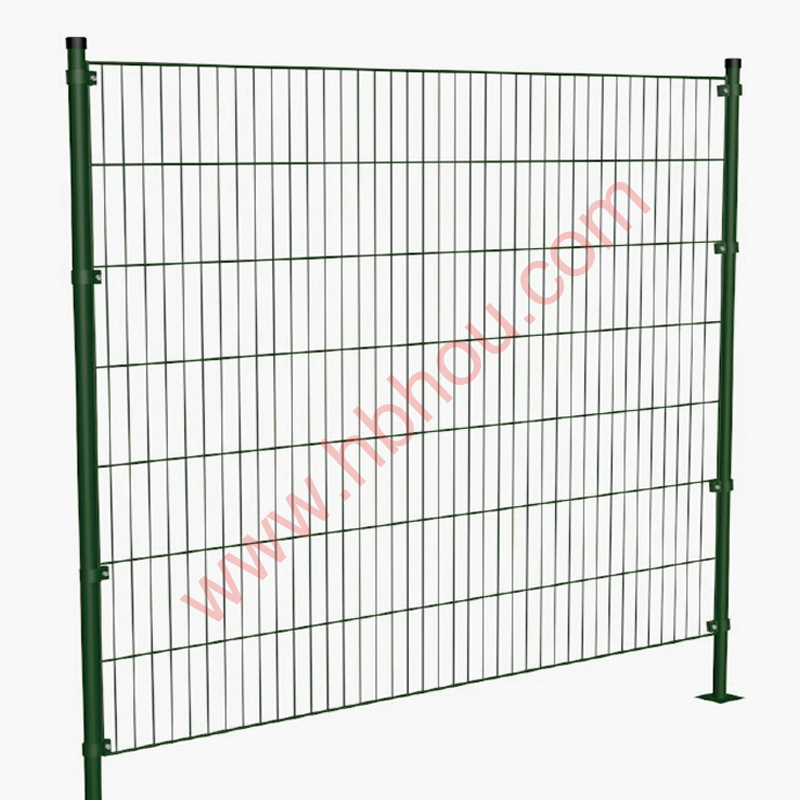
A Quick Dive Into 6 by 3 Fence Panels: What They Are & Why They Matter Globally
At first glance, "6 by 3 fence panels" might just seem like a plain specification — six feet by three feet, right? But when you peel back the layers, these panels reflect an essential part of industries ranging from construction and agriculture to humanitarian aid. They provide a modular, scalable, and cost-effective way to secure spaces, delineate boundaries, and even help rebuild after crises.
Understanding the scope and benefits of these fence panels reveals not only how they support everyday industry needs but also how they contribute to global challenges like improved security, sustainability, and fast deployment in emergency situations.
Why 6 by 3 Fence Panels Are More Globally Relevant Than You Might Think
Fence panels sized at 6 by 3 feet have found their way into applications worldwide, largely due to their balance of size, strength, and transportability. According to data from global trade and construction industry reports (ISO standards on fencing materials), these panels fit neatly into both standard shipping and installation scenarios, making them a favorite in many regions.
The United Nations Office for Disaster Risk Reduction highlights the need for rapid and durable infrastructure solutions in disaster zones — and here, the 6 by 3 fence panel format plays a small but vital role. From safeguarding refugee camps to protecting construction sites in urban hubs, these panels meet a fundamental “keep safe” requirement.
However, challenges exist like long-term weather resistance, theft prevention, and environmental footprint. Understanding how these panels answer such needs is key when assessing their global utility.
What Exactly Are 6 by 3 Fence Panels?
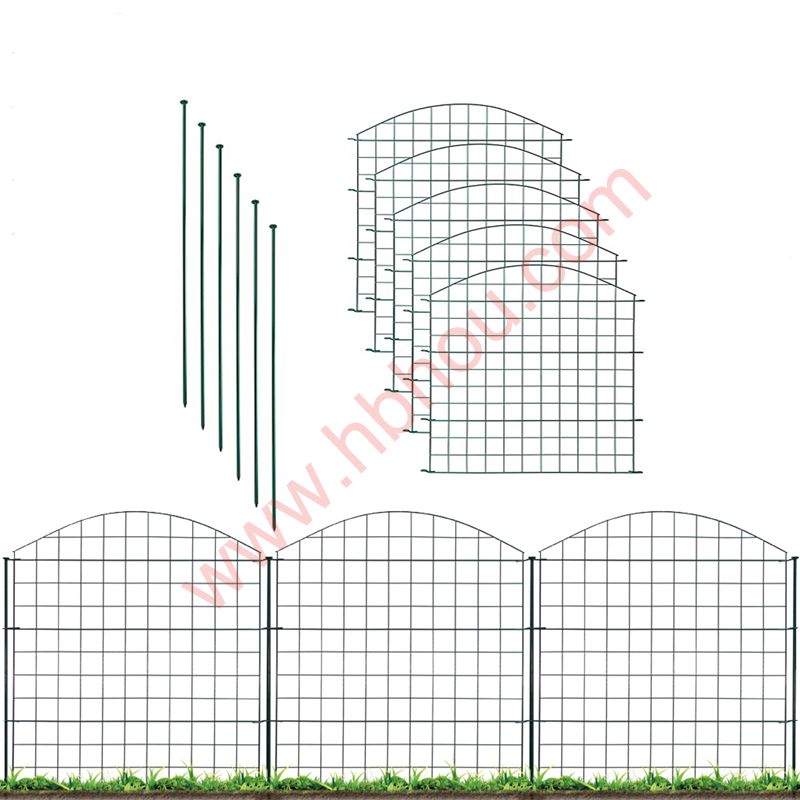
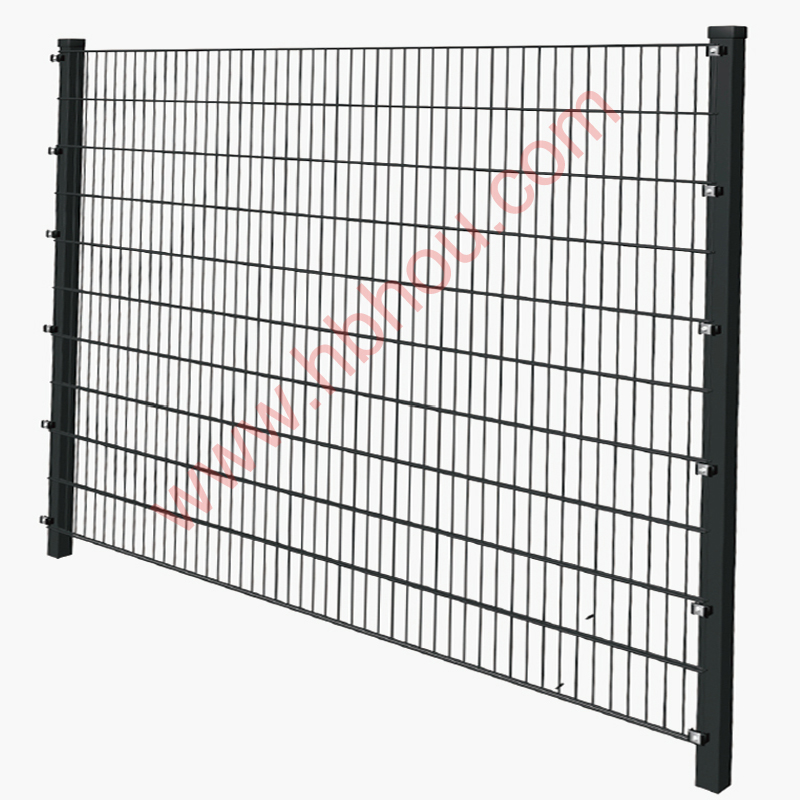
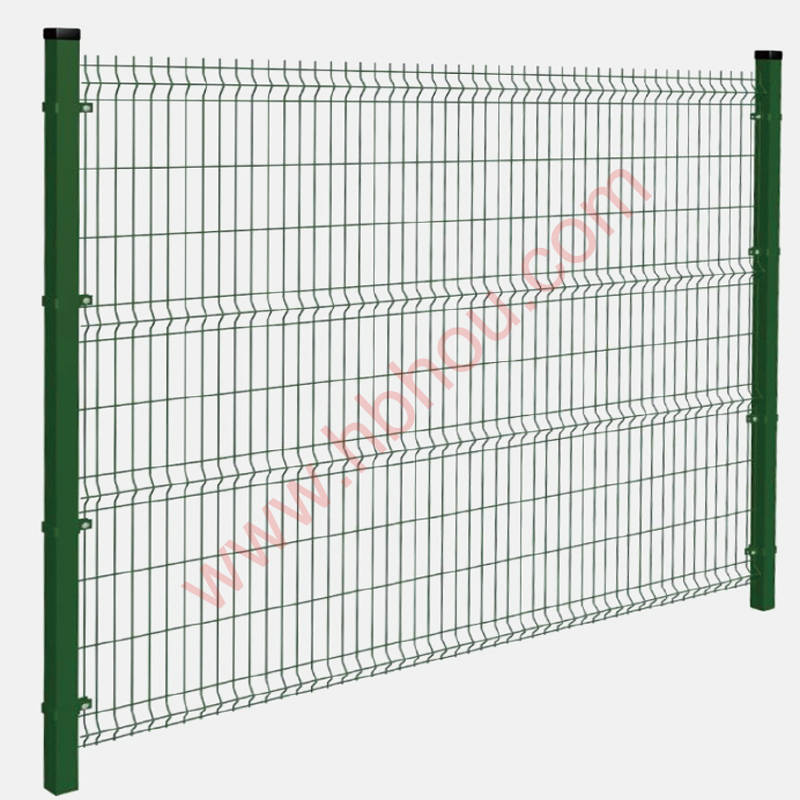
Simply put, a 6 by 3 fence panel measures six feet wide and three feet tall, typically constructed from materials including wood, metal (often galvanized steel), vinyl, or composite blends. Their modular design means they slot into post systems efficiently, allowing quick fence creation without custom fabrication. This is invaluable in both permanent and temporary installations.
In modern industry jargon, they are "modular fencing units" designed for easy assembly, disassembly, and transport. Whether you’re securing livestock in a rural farm or marking off a construction perimeter, these panels combine convenience with robustness.
Mini takeaway:
Think of 6 by 3 fence panels as the workhorses of fencing tech — they fit everywhere and do a reliable job.
Key Components That Define Their Value
1. Durability
The core appeal of these panels is their durability. Most are treated or coated to withstand weathering—galvanized steel for rust resistance, pressure-treated timber to fight rot, or UV-resistant vinyl. In harsh climates, these coatings can extend lifespan considerably, meaning fewer replacements and less waste.
2. Scalability & Modularity
The 6 ft by 3 ft size is ideal because it strikes a balance between coverage and manageability. Larger panels are unwieldy; smaller ones mean more joins and potential weak points. The uniform size means expansion or repair is straightforward — just slot in new panels as needed.
3. Cost Efficiency
Because these panels are standardized, mass production drives prices down. Plus, installation generally doesn’t require heavy machinery or specialist labor, reducing upfront and ongoing costs. It’s no wonder they’re preferred when budgets are tight, but functionality can’t be compromised.
4. Versatility in Materials & Finish
Manufacturers tailor panels with various materials and finishes for specific needs—some prioritize aesthetics for residential fences, others build heavy-duty security panels for industrial sites. Variations include chain link, solid wood planks, or mesh-infused panels for ventilation and visibility.
5. Ease of Transportation and Deployment
There’s a subtle but important logistics advantage here: 6 by 3 panels fit neatly on standard pallets and inside common shipping containers. This reduces shipping costs and speeds up delivery times worldwide.
Mini takeaway:
- Durability, size, cost, material choice, and ease of deployment combine to make 6 by 3 fence panels a no-brainer choice across sectors.
Where Are 6 by 3 Fence Panels Actually Used?
Globally, these panels pop up in surprisingly diverse settings:
- Emergency Relief & Humanitarian Efforts: Post-disaster camps in Southeast Asia have used fence panels to mark safe zones, control access, and ensure privacy for displaced communities.
- Agriculture: Farms across Australia, the US, and Europe rely on these panels to herd livestock securely, balancing sturdiness with flexibility.
- Construction & Industrial Sites: Temporary site fencing in urban projects — think London or Dubai — commonly employs 6 by 3 panels to shield work areas without long installation delays.
- Private & Residential Use: Backyard fencing, garden borders, or privacy screens often opt for this size, blending functionality with aesthetic preferences.
Mini takeaway:
From refugee camps to rural farms, these fence panels quietly underpin many everyday barriers — and protections.
Advantages & Long-Term Value of Choosing 6 by 3 Fence Panels
- Cost Savings: The modular format means easy upgrades and minimal wastage, translating to economical fencing solutions.
- Durable & Sustainable: Many products use environmentally conscious materials or treatments that reduce replacement frequency.
- Safety & Privacy: A sense of security — both physically and psychologically — comes from well-designed fences protecting premises or communities.
- Trust & Reliability: Repeat customers in construction industries and NGOs often cite the trustworthiness of these panels, which consistently perform under varied conditions.
Product Specification Table: Typical 6 by 3 Fence Panel (Galvanized Steel Model)
| Feature | Specification |
|---|---|
| Dimensions | 6 ft (width) × 3 ft (height) |
| Material | Galvanized steel, 1.5 inch square tubing |
| Finish | Hot-dip galvanized with powder coating |
| Weight | Approx. 32 lbs (14.5 kg) |
| Installation Type | Bolt-on to standard posts |
| Typical Uses | Temporary fencing, livestock containment, site security |
Vendor Comparison: Popular 6 by 3 Fence Panel Suppliers
| Supplier | Material Types | Price Range (per panel) | Lead Time | Special Features |
|---|---|---|---|---|
| FencePro Worldwide | Steel, Vinyl | $45 – $75 | 1–2 weeks | Powder coated, weatherproof |
| AgriFencing Ltd. | Wood, Steel | $35 – $65 | 3–4 weeks | Custom finishes, eco-treatments |
| SafeZone Fencing | Steel Only | $50 – $80 | 1 week | Heavy-duty, rapid deployment kits |
Advantages in Real Terms: Why Invest in 6 by 3 Fence Panels?
Frankly, their advantages peel back into both emotional and logical territories. For owners and operators, the panels provide peace of mind—knowing fences are tough enough to deter outsiders or contain animals without breakdowns. For NGOs, governments, and contractors, it’s about innovation meeting practicality—solutions that withstand weather, reduce labor time, and sleep easy on budgets.
And in a world increasingly chasing sustainability and circular economies, modular and repair-friendly fencing means less scrap, less landfill. The panels you install today can be swapped or refurbished without full tear-outs tomorrow.
Looking Ahead: The Future of 6 by 3 Fence Panels
New tech is nudging fencing forward: lightweight alloys promise easier installation, smart fences equipped with sensors for security integrate digital monitoring, and eco-conscious coatings cut chemical impact. Automation even plays a role in mass production and on-site setup.
Green energy-friendly fences (solar-powered LED strips, anyone?) and adaptable “living fences” combining plants with modular panels hint at a fence revolution that keeps up with urbanization and climate priorities.
Challenges & How The Industry Tackles Them
No product is perfect—fence panels sometimes struggle with:
- Theft or vandalism in public or unsecured zones;
- Corrosion in salty or acidic environments;
- Installation on uneven terrain which complicates alignment;
- Recycling challenges for composite materials.
Manufacturers address these with custom locks, enhanced coatings, adjustable mounting systems, and new recycling partnerships. It’s a work in progress, but the strides are promising.
FAQs About 6 by 3 Fence Panels
Q1: Are 6 by 3 fence panels suitable for all weather conditions?
A: Most panels come with weather-resistant finishes like galvanization and powder coats, making them reliable in rain, snow, or sun. However, environments with extreme salt exposure (coastal zones) may require additional protective measures. Selecting panels with appropriate coatings ensures longevity.
Q2: How easy is it to install these fence panels without professional help?
A: Thanks to modular designs and standardized sizes, many homeowners and small businesses manage installation themselves using basic tools. However, for large sites or specialized fences, professional services guarantee optimal security and appearance.
Q3: Can I customize the appearance or size of 6 by 3 fence panels?
A: While 6 by 3 is the standard size for modularity, some vendors offer custom panel sizes or finishes. You can adjust material types, colors, or add accessories like decorative caps or mesh inserts depending on supplier options.
Q4: Where can I purchase high-quality 6 by 3 fence panels?
A: There are multiple suppliers worldwide—ranging from agricultural to industrial specialists. It’s wise to compare price, lead times, and warranty. (Check out this 6 by 3 fence panels resource for trusted vendors and specs.)
Final Thoughts: Making the Most of 6 by 3 Fence Panels
In conclusion, these panels might seem straightforward, but their trusted size and design back some very important practical applications worldwide. They bring safety, sustainability, and affordability to the table — making them a choice many industries, aid organizations, and households rely on daily.
Interested? Visit our website at https://www.hbhou.com for expert advice, product specs, and ordering options.