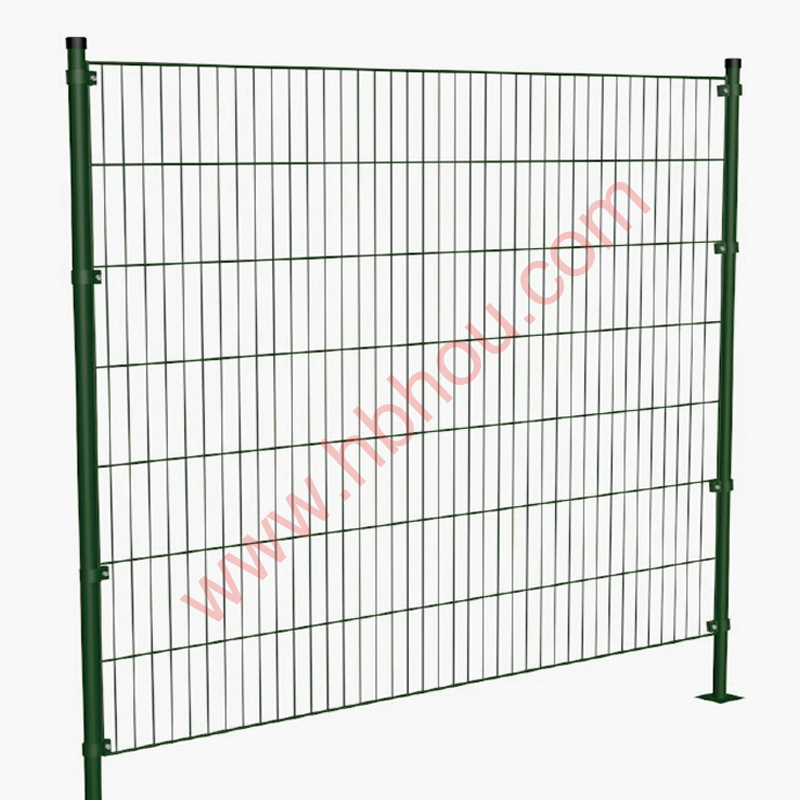
The Quiet Importance of 5 4 Fence Boards: Why They Matter
At first glance, “5 4 fence boards” might just sound like a piece of lumber jargon. But dig a little deeper and you’ll discover why these oddly numbered fence boards have carved a niche in the construction and fencing world — globally. They’re more than just wooden planks; they represent a balance of strength, affordability, and practicality that's particularly crucial as the demand for sustainable building materials grows worldwide.
In a world where boundaries—literal or metaphorical—seem more important than ever, the right fencing can provide security, privacy, and aesthetic appeal without breaking the bank. Understanding 5 4 fence boards and their applications means you’re better equipped to choose fencing solutions that hold up under weather stress, budget constraints, and modern design requirements.
Setting the Global Scene: Why 5 4 Fence Boards Are More Relevant Than Ever
Globally, the fencing industry is booming. According to various industry reports, the market is expected to grow by roughly 5% annually over the next five years, largely driven by construction, agriculture, and residential sectors. Meanwhile, the United Nations estimates that urbanization means millions more homes will be built every year, many requiring cost-effective but durable fencing solutions.
But here’s the catch: Many regions struggle with finding materials that are both affordable and resilient enough to handle local climates—whether it’s the blistering sun of Australia or the damp chill of Northern Europe. 5 4 fence boards often hit the sweet spot. They provide a resilient framing component with a width of five and a quarter inches (in rough lumber terms) that balances size and strength, solving a persistent supply and quality challenge.
What Exactly Are 5 4 Fence Boards?
Simply put, 5 4 fence boards refer to lumber that’s nominally 1 inch thick (really about 3/4 inch after drying and planing) and five and a quarter inches wide. They’re a bit wider than your standard 1x4 board, which offers several advantages for fencing.
In practical terms, this size means fewer boards are needed to build a sturdy fence that resists warping and can stand up to weather, animal interaction, or physical impact. The boards are commonly milled from pine, cedar, or spruce depending on regional preferences and sustainability initiatives, supporting everything from traditional ranch fences to modern privacy enclosures.
What’s more, their dimensions make them especially suitable to be used for "good looking fences," because they create strong visual lines while avoiding the overly bulky or thin appearance that can make a fence look either flimsy or overwhelming.
Mini Takeaway:
5 4 fence boards sit right in the sweet spot of size and durability, offering a practical answer to many fencing needs worldwide.
Key Factors that Make 5 4 Fence Boards Stand Out
1. Durability
Lumber in the 5 4 dimension is often chosen for its balance of thickness and width, which lends itself to strength without excessive weight. Treated variants come with preservatives to resist rot, fungi, and insect damage—critical in humid or termite-prone regions.
2. Cost-Effectiveness
Because of their size, you need fewer boards to build a fence, reducing both material waste and labor time. Plus, the wood types typically used are often sustainably harvested, meaning they’re priced competitively compared to composites or metal fencing.
3. Flexibility & Customization
5 4 fence boards are easy to cut or shape for custom fence designs. Whether it’s a picket fence or a horizontal slat style, they lend themselves well to varying aesthetics, making them a favorite for DIY homeowners and professional builders alike.
4. Weather Performance
Thanks in part to the thickness and width, these boards handle expansion and contraction better than thinner boards—meaning fewer cracks and less warping over years of exposure.
| Specification | Value |
|---|---|
| Nominal Size | 1" x 5 1/4" |
| Actual Size | 0.75" x 5.25" |
| Material | Pine, Cedar, Spruce |
| Weight per Board (8 ft) | ~8–10 lbs |
| Treatment | Pressure treated options available |
| Common Uses | Privacy, ranch, garden fences |
How 5 4 Fence Boards Are Used Worldwide
From sprawling ranches in the American West to suburban backyards in Europe, 5 4 fence boards feature prominently in fencing projects. In regions prone to harsh winters or humid summers, these boards’ dimensional stability makes them preferable.
Oddly enough, humanitarian agencies sometimes deploy fencing from such boards to create secure perimeters around temporary shelters or community zones, where rapid, reliable boundary formation is essential. The boards’ right balance of strength and ease of installation means less hassle on the ground.
For example, in parts of Australia, farmers prefer 5 4 boards when repairing paddocks because the boards resist impact and require less frequent replacement. Meanwhile, in Europe, where aesthetic fences also have to meet regulatory standards, these boards fit well into modular fencing systems.
Mini Takeaway:
Whether post-disaster relief zones or rural farms, these boards keep things simple, strong, and fairly affordable across climates and continents.
Comparing Popular Vendors of 5 4 Fence Boards
| Vendor | Material Options | Price Range (per board) | Treatment | Shipping Availability |
|---|---|---|---|---|
| TimberSource Ltd. | Pine, Cedar | $7 - $9 | Pressure Treated / Untreated | North America, Australia |
| EcoFencing Co. | Sustainably Harvested Cedar | $10 - $13 | Natural, Non-Treated | Europe, USA |
| Global Woodworks | Spruce, Pine | $6 - $8 | Pressure Treated | Worldwide |
The Long-Term Benefits of Choosing 5 4 Fence Boards
When you think about it, fencing isn’t just about marking boundaries. It’s about safety, privacy, and sometimes even dignity. Boards that last longer, stand firm, and stay beautiful play a surprisingly big role in community wellbeing and property value.
Cost-wise, while raw materials may vary, fewer boards per length and less upkeep mean savings pile up over time. Sustainability-wise, many 5 4 fence boards come from responsibly managed forests, contributing positively to global efforts as tracked by organizations like the FSC (Forest Stewardship Council).
And finally, there’s peace of mind. Not all fences are created equal, and picking robust 5 4 boards can prevent frustrations, repairs, and even accidents—especially in homes with children or pets.
Future Innovations on the Horizon
The fencing world is beginning to intersect more heavily with green tech and smart materials. I’ve noticed an uptick in 5 4 fence boards that incorporate composite blends — wood fibers mixed with recycled plastics. These hybrids aim to combine the best of wood's look and feel with plastics’ resistance to rot and insects.
Automated milling and treatment processes have also made standardized quality much more reliable, even in smaller lumber yards. Digital inventories and IoT tracking can soon tell suppliers how much stock to hold, reducing waste—and that’s a model the whole industry is eager to adopt.
What About the Challenges?
Sure, no material is perfect. For 5 4 fence boards, common challenges include weather-induced cracking if untreated, and variations in wood density that affect uniformity. Sourcing from sustainable forests can sometimes be tricky depending on the region.
Luckily, many of these issues are being tackled by better kiln drying techniques, more consistent pressure treatment standards, and advances in certifications to assure ethical sourcing. It feels like these boards are just about ready to become even more versatile.
Frequently Asked Questions About 5 4 Fence Boards
Q1: What makes 5 4 fence boards better than 1x4 boards?
A: The slightly wider 5 4 fence boards cover more surface area per board, which means fewer boards are needed to complete a fence, saving on material and labor. Their thickness provides better durability and resistance to warping compared to thinner boards.
Q2: How long can fences made with 5 4 boards last outdoors?
A: With proper treatment and maintenance, fences using 5 4 boards can last 10-20 years or more. Untreated wood generally has a shorter lifespan, especially in harsh climates, so pressure treatment or sealants greatly extend durability.
Q3: Are 5 4 fence boards eco-friendly?
A: Yes, especially when sourced from sustainably managed forests certified by organizations like FSC or PEFC. Some 5 4 boards now also offer reclaimed or composite wood options, which further reduce environmental impact.
Q4: Can I ship 5 4 fence boards internationally?
A: Absolutely, many vendors offer international shipping, but it’s important to check local import regulations on treated wood, as some countries require phytosanitary certifications or have restrictions due to pest concerns.
Wrapping It All Up: Why 5 4 Fence Boards Are a Smart Choice
To sum things up, 5 4 fence boards have quietly established themselves as a go-to option for a lot of fencing needs—offering strength, cost savings, and adaptability. Whether your aim is to fence in a backyard or secure a large rural property, they stand up to the task without fuss.
Curious to see how 5 4 fence boards could fit your project? Head over to our site and check out the latest products and expert advice at https://www.hbhou.com. Because fencing well—like any boundary—starts with the right foundation.
References:
1. Forest Stewardship Council (FSC) - https://fsc.org
2. United Nations Urbanization Data - https://population.un.org
3. ISO Standards for Wood Processing - https://www.iso.org