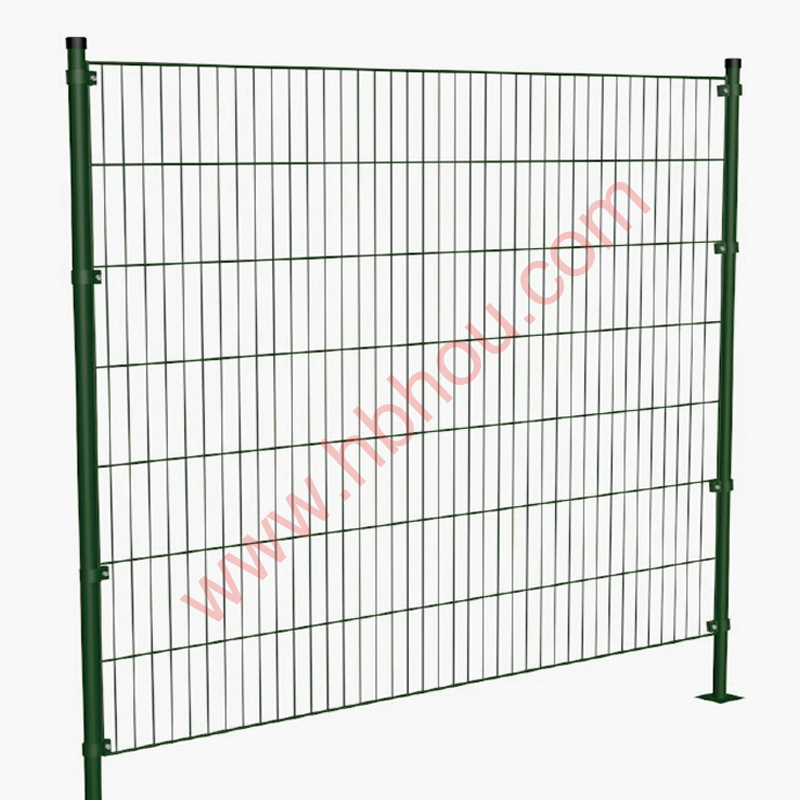
Understanding 6 ft Tall Chain Link Fence Options
When securing a property, whether residential, commercial, or industrial, a robust and reliable fence is paramount. A 6 ft tall chain link fence offers an excellent balance of security, affordability, and durability. This guide will comprehensively cover everything you need to know about 6 ft chain link fences, from materials and installation to common applications and cost considerations. We'll also explore the benefits of choosing HB Hou as your trusted supplier.

Materials Used in 6 ft Chain Link Fences
A standard 6 ft chain link fence primarily consists of galvanized steel, but other options exist to enhance durability and aesthetics. The core components include the chain link fabric, framework posts (line posts, corner posts, and gate posts), top rail, tension wire, and fittings. Galvanization provides corrosion resistance, but options like vinyl-coated chain link offer even greater protection and a more appealing look. Post materials vary, with steel being the most common, but aluminum is available for lighter-duty applications and increased corrosion resistance. Understanding these material differences is key to selecting the right fence for your needs and budget.
Key Considerations: Choosing the right materials impacts the fence’s lifespan, maintenance requirements, and overall cost. Consider your local climate and potential for corrosion when making your selection.
The Importance of Post Spacing for a 6 ft Chain Link Fence
Proper post spacing is critical for a structurally sound and long-lasting 6 ft chain link fence. Generally, line posts are spaced between 8 and 10 feet apart. Corner and gate posts require deeper concrete footings and are spaced according to the layout of the fence. Insufficient spacing can lead to sagging or instability, while excessive spacing increases the load on each post. The terrain also influences post spacing – uneven ground may require more frequent posts to maintain a level fence line. HB Hou provides expert guidance on determining the optimal post spacing for your specific property.
Post Spacing Guidelines:
• Line Posts: 8-10 feet apart
• Corner/Gate Posts: Determined by layout & require deeper footings
• Terrain: Adjust spacing for uneven ground
6 ft Chain Link Fence vs. Other Fence Types: A Comparison
Choosing the right fence depends on your specific needs and priorities. While a 6 ft chain link fence is an excellent option for many, it's helpful to compare it to other common fence types. Wood fences offer privacy but require more maintenance. Vinyl fences are low-maintenance but more expensive. Wrought iron fences provide aesthetic appeal but are also costly and can be prone to rust. Compared to these options, chain link offers a compelling combination of security, affordability, and low maintenance.
Applications of a 6 ft Tall Chain Link Fence
6 ft chain link fences are versatile and suitable for a wide range of applications. Common uses include securing residential properties, containing pets, protecting commercial buildings, delineating schoolyards or playgrounds, and providing security for industrial facilities. They are also frequently used around swimming pools to meet safety regulations. The adaptability and cost-effectiveness of chain link make it a popular choice for diverse security needs.

Factors Influencing the Cost of a 6 ft Chain Link Fence
The cost of a 6 ft chain link fence varies based on several factors, including the materials used (galvanized steel vs. vinyl-coated), the length of the fence, the terrain, and installation costs. Gate installation, post upgrades (e.g., larger diameter for increased strength), and any necessary site preparation (e.g., removing existing structures) also contribute to the overall price. Obtaining quotes from multiple suppliers and installers is essential to ensure you’re receiving a competitive price. HB Hou offers transparent pricing and expert installation services.
Conclusion: Choosing the Right 6 ft Chain Link Fence
Investing in a 6 ft chain link fence from HB Hou provides a secure, durable, and cost-effective solution for your property’s perimeter needs. With quality materials, expert installation, and competitive pricing, you can rest assured you’re making a smart investment. Don’t compromise on security – choose HB Hou.
Frequently Asked Questions (FAQs)
How long will a 6 ft chain link fence last?
A properly installed and maintained 6 ft chain link fence can last 15-20 years or even longer. The lifespan depends on the quality of the materials, the climate, and regular maintenance. Galvanized steel fences typically last longer in drier climates, while vinyl-coated options offer enhanced protection against corrosion in coastal or humid environments. Regular inspection and addressing any damage promptly will maximize the fence’s lifespan.
Does a chain link fence require much maintenance?
Chain link fences are relatively low-maintenance. Occasional inspection for damage, such as broken links or loose tension wires, is recommended. Removing any vegetation growing on or around the fence is also important. If the fence is galvanized steel, you can apply a protective coating every few years to prevent rust. Vinyl-coated fences require even less maintenance as the coating provides excellent corrosion resistance.
Can I install a 6 ft chain link fence myself?
While it's possible to install a chain link fence yourself, it requires specific tools, knowledge, and physical effort. Proper post setting is critical for the fence’s stability, and stretching the chain link fabric requires experience and the right equipment. Professional installation from HB Hou ensures a correct and durable installation, saving you time and potential headaches.
What are the local regulations regarding fence height and placement?
Local regulations regarding fence height and placement vary by municipality. Before installing a 6 ft chain link fence, it’s essential to check with your local zoning department to ensure compliance with height restrictions, setback requirements, and permit requirements. HB Hou can assist you in understanding local regulations.