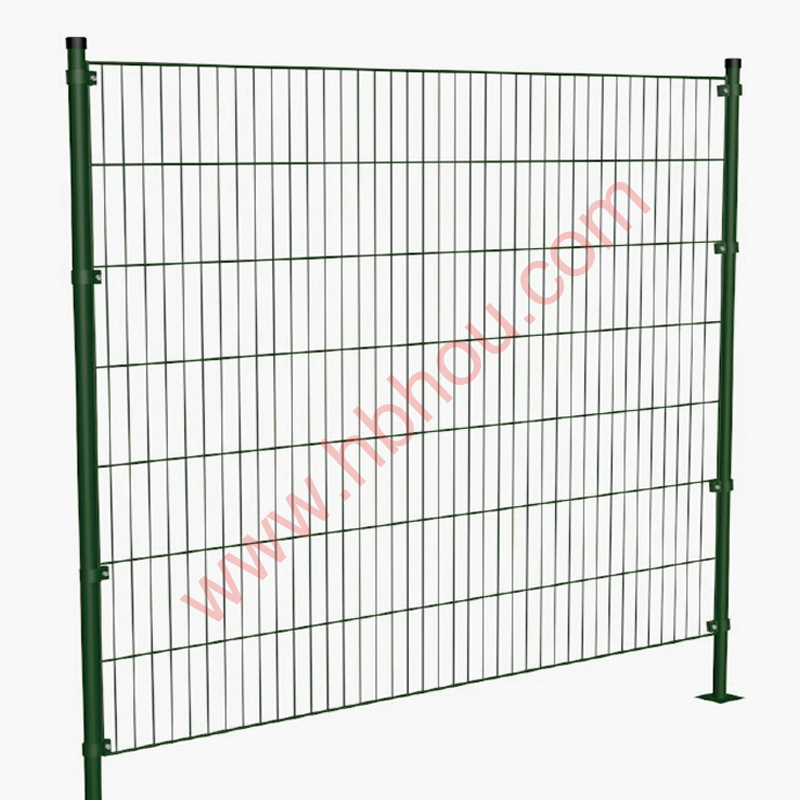
Understanding 6 ft Privacy Fence Panels and Their Growing Global Importance
When you picture a typical backyard, chances are you imagine some kind of fence standing tall and guarding that space with quiet determination. Among various fencing options, 6 ft privacy fence panels have quietly but firmly earned their spot as a go-to solution not only for homeowners but for commercial and humanitarian applications worldwide.
Why should we care about these fence panels on a global scale? Well, they do more than just delineate property lines. They offer essential privacy, security, and safety – qualities that resonate in urban neighborhoods, industrial zones, and even refugee camps. As cities densify and communities face new challenges, understanding the design, quality, and applications of 6 ft privacy fence panels translates into better planning, cost efficiency, and sometimes, peace of mind.
Global Context: Why 6 ft Privacy Fence Panels Matter Today
According to the United Nations, urban populations are expected to grow by 2.5 billion by 2050.[1] This growth increases the demand for secure, private, and cost-effective fencing solutions. In parallel, industries like construction, agriculture, and disaster relief require fast-assembly and durable fencing to manage sites and ensure safety. That’s the challenge many professionals face — finding a fencing system that balances durability, accessibility, and cost.
Globally, privacy fences offer a subtle yet effective means of creating boundaries that respect both personal space and local regulations. Oddly enough, despite their simple appearance, the choice of fencing panels can impact neighborhood security statistics or how quickly a disaster zone returns to some form of normalcy.
What Exactly Are 6 ft Privacy Fence Panels?
Simply put, 6 ft privacy fence panels are modular fencing units generally measuring six feet tall, designed to offer full visual blockage between adjoining properties or areas. They’re typically made from wood, vinyl, metal, or composite materials and are designed to be installed vertically or horizontally.
Their height strikes a balance: tall enough to preserve privacy and deter intrusions, yet manageable in handling and installation. This makes them especially relevant in residential neighborhoods, commercial facilities, and even humanitarian setups where creating secure perimeters is crucial.
Key Factors That Define Quality 6 ft Privacy Fence Panels
1. Durability
This is the first thing anyone looks for — how well the panels will stand up to weather, pests, and wear. Wood panels offer natural aesthetics but often need treatment to resist rot. Vinyl panels resist moisture and insects but can fade over time. Metal fences like aluminum or steel provide unmatched strength but sometimes require coatings to prevent rust.
2. Cost Efficiency
Cost is always a balancing act. Wood panels might be cheaper initially but require maintenance costs down the line. Vinyl or composite may cost more upfront but save on upkeep. For industrial usage, metal panels—even if pricier—offer lower replacement frequency, helping long-term budgets.
3. Ease of Installation
Modular design and lightweight materials make installation faster and simpler. Some panels come prefab with locking mechanisms; others need more hardware. Speedy installation matters in contexts like temporary construction sites or emergency relief (> think quick fencing around camps).
4. Aesthetics and Customization
Design can mean everything: from natural wood grain to sleek white vinyl. Some panels offer adjustable spacing or added lattice to increase airflow while maintaining privacy. Custom colors or decorative tops add to curb appeal—particularly significant in residential and commercial real estate.
5. Environmental Impact
With sustainability on everyone’s mind, many manufacturers offer recycled-content panels or wood from certified forests. Some green certifications help consumers choose panels that reduce carbon footprints or improve local biodiversity.
Typical Product Specifications of 6 ft Privacy Fence Panels
| Specification | Details |
|---|---|
| Height | 6 feet (standard) |
| Width | 6 to 8 feet (varies by model) |
| Materials | Wood (cedar, pine), Vinyl, Metal (aluminum, steel), Composite |
| Finish Options | Stain, paint, powder coating, natural |
| Installation Type | Post-mounted, slotted post, or panel on rails |
| Typical Lifespan | 10–25 years, depending on material & maintenance |
Vendor Comparison: Choosing the Right Supplier
| Feature | Vendor A | Vendor B | Vendor C |
|---|---|---|---|
| Materials Offered | Wood & Vinyl | Vinyl & Composite | Steel & Aluminum |
| Customization | Color & size options | Limited colors, extra charge for custom | Full custom design consultation |
| Lead Times | 2–3 weeks | 1 week (stock items) | 4–6 weeks |
| Warranty | 5 years | 10 years | 15 years |
| Price Range | $$ | $$$ | $$$$ |
Global Applications & Use Cases
6 ft privacy fence panels are surprisingly versatile. Residentially, they keep neighborhoods safe and private, which is critical in densely populated urban areas across North America, Europe, and parts of Asia. In industrial zones, these fences secure hazardous areas, control noise, and restrict unauthorized access. For example, factories in Germany and Japan rely on them to comply with safety norms and environmental regulations.
Humanitarian applications are perhaps the most moving. In post-disaster relief operations—for instance, following the 2010 Haiti earthquake or the Rohingya crisis—quickly assembled privacy fencing provides refugees with a semblance of dignity and personal space, reducing vulnerability to external threats.
And then there’s agricultural use: farms in Australia and Brazil use these 6 ft panels not just as perimeter fencing but also to protect livestock and reduce wind damage to crops.
Mini takeaway: Whether it’s a suburban backyard or a disaster relief camp, these fence panels play powerful roles in privacy and security worldwide.
Advantages and Long-Term Value
- Cost savings: Durable materials reduce the need for frequent replacement or repairs.
- Sustainability: Many panels use eco-friendly materials or certified wood, contributing to lower environmental impact.
- Safety & Security: Their height and solid build help deter intrusions and protect families or assets.
- Emotional comfort: Privacy stands for dignity – having personal space can significantly improve quality of life.
- Trust & aesthetics: Well-made fencing enhances property value and community trust.
Future Trends & Innovations
The future of 6 ft privacy fence panels is gearing toward even more durability and eco-conscious manufacturing. Innovations in composite materials combining recycled plastics and wood fibers are producing panels that feel natural but last decades. Some manufacturers are integrating solar-powered lighting or smart sensors for security, which is frankly pretty fascinating.
Automation in manufacturing reduces waste and speeds up production, which can respond better under emergency or commercial demand spikes. Policies encouraging sustainable forestry and recycled content (e.g., FSC certified wood, ISO 14001 standards)[2] are likely to push the industry toward greener fences without sacrificing quality.
Challenges & Solutions
Of course, no product is perfect. Wood panels risk decay and require maintenance. Vinyl may become brittle under extreme cold. Metal fences need rust protection. Logistical challenges appear when fencing large or remote areas quickly.
To tackle these, many experts suggest hybrid designs—like vinyl-coated steel or composite cores with wood surface. Modular assembly kits cut down installation times dramatically, critical for humanitarian efforts. And innovations in coatings and sealants improve weather resistance year-round.
FAQ: Frequently Asked Questions About 6 ft Privacy Fence Panels
- Q: What’s the best material for long-lasting 6 ft privacy fence panels?
- A: Metal panels with powder coating or composite fences tend to last longest with minimal maintenance. Wood offers aesthetics but requires treatment to prevent rot.
- Q: How difficult is it to install these panels myself?
- A: Many panels are designed for DIY installation with modular pieces and clear instructions. However, installation ease varies by material and site. For larger or uneven plots, professional help is advisable.
- Q: Are privacy fence panels environmentally friendly?
- A: They can be! Choosing FSC-certified wood or recycled composite materials greatly reduces environmental impact. Look for eco-labels and supplier transparency.
- Q: How can NGOs import 6 ft privacy fence panels for crisis zones?
- A: Working with suppliers experienced in international shipping and humanitarian logistics is key. Prioritize modular, lightweight designs for easier transport and rapid assembly.
Conclusion: Securing Privacy and Peace of Mind with 6 ft Privacy Fence Panels
To sum it all up, 6 ft privacy fence panels might seem straightforward, but their impact runs deep—from personal residences to industrial complexes, and even to tents in refugee camps. Their durability, adaptability, and cost-effectiveness make them indispensable in creating secure, private environments.
As urban spaces evolve and challenges of safety and sustainability mount, choosing the right 6 ft privacy fence panel becomes more than just a fence—it’s a practical, economic, and sometimes emotional investment.
If you’re considering fencing solutions that blend function with form, durability with cost, visit our website for expert guidance, product options, and timely delivery.
In the end, a fence is more than wood or vinyl—it’s the invisible line that keeps what matters most close and safe.
Quick reflections: Choosing quality fencing is both an art and a science, balancing material properties, environmental concerns, and human needs. It feels like even something as “simple” as a fence carries the weight of history and innovation.
- United Nations Department of Economic and Social Affairs, World Urbanization Prospects (2018).
- International Organization for Standardization (ISO) - Environmental management standards.
- Forest Stewardship Council (FSC) – Responsible wood sourcing guidelines.