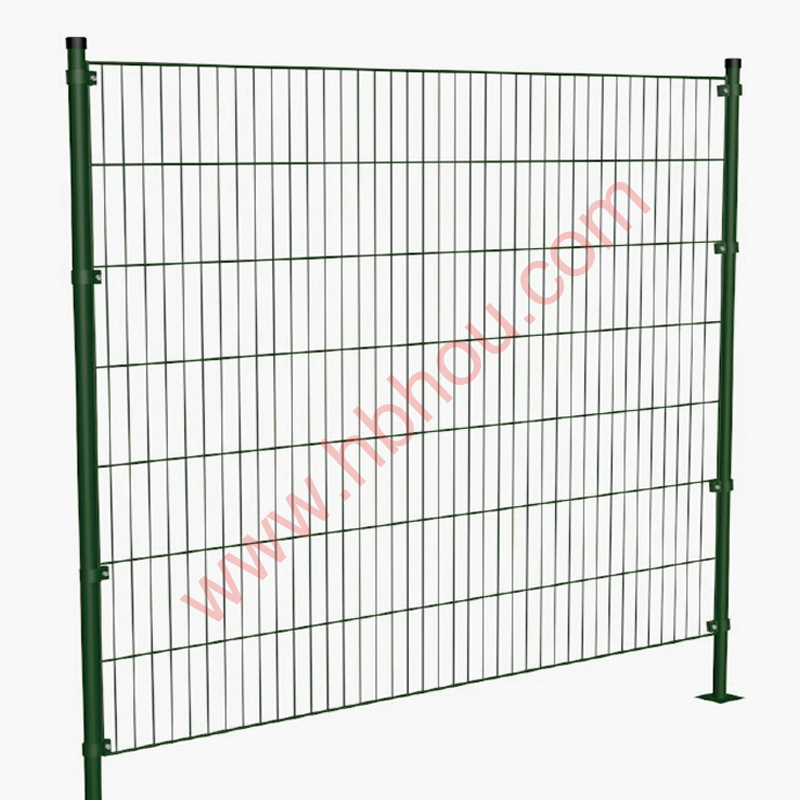
Understanding 6 foot by 6 foot fence panels: A Global Perspective
At first glance, the 6 foot by 6 foot fence panels might seem like just another piece of fencing material. But, trust me, they’ve become a surprisingly global staple in both residential and industrial landscapes. Why? Well, these panels combine size, durability, and modularity in a way that addresses critical security, privacy, and boundary-setting needs across continents—from home gardens in suburban America to large-scale construction sites in Asia. Understanding these panels means gaining insight into a product that balances cost-efficiency with adaptability, a balance that resonates with modern challenges of durable enclosure at scale.
Globally, fencing as an industry mirrors many expansive trends—from urban security improvements to humanitarian responses in disaster-prone areas. According to the United Nations, secure perimeters are often vital for refugee camps, and in industrial safety, fencing keeps hazardous zones controlled. It’s easy to overlook how a standard-size panel can influence such diverse sectors.
Why Size and Standardization Matter
6 foot by 6 foot panels hit a sweet spot: tall enough to offer privacy or restrict access, yet manageable for transport and installation. Oddly enough, the uniformity leads to massive scalability—a must-have for large projects.
Breaking Down 6 Foot by 6 Foot Fence Panels
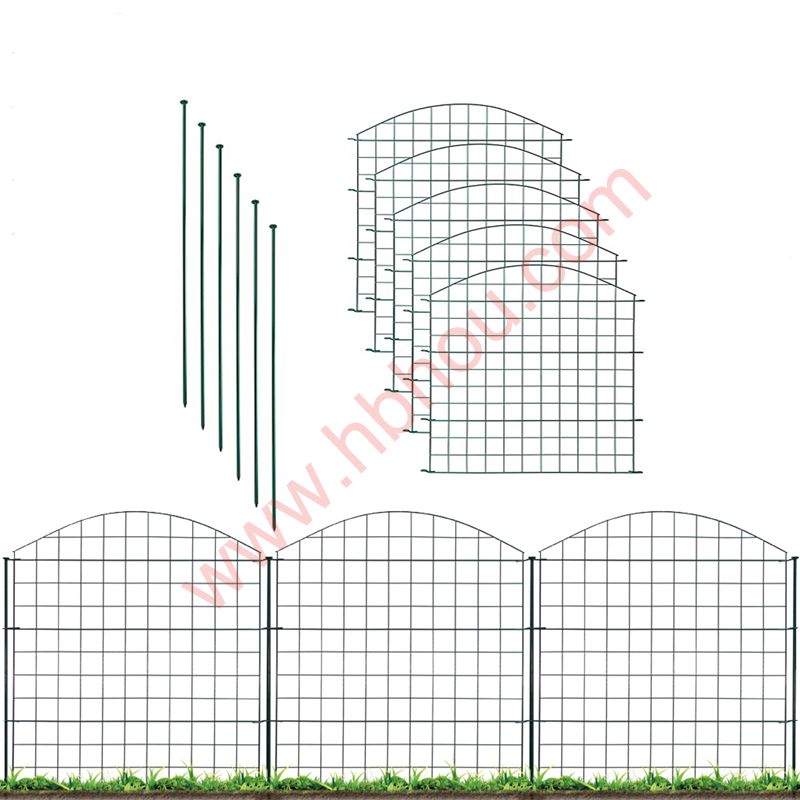
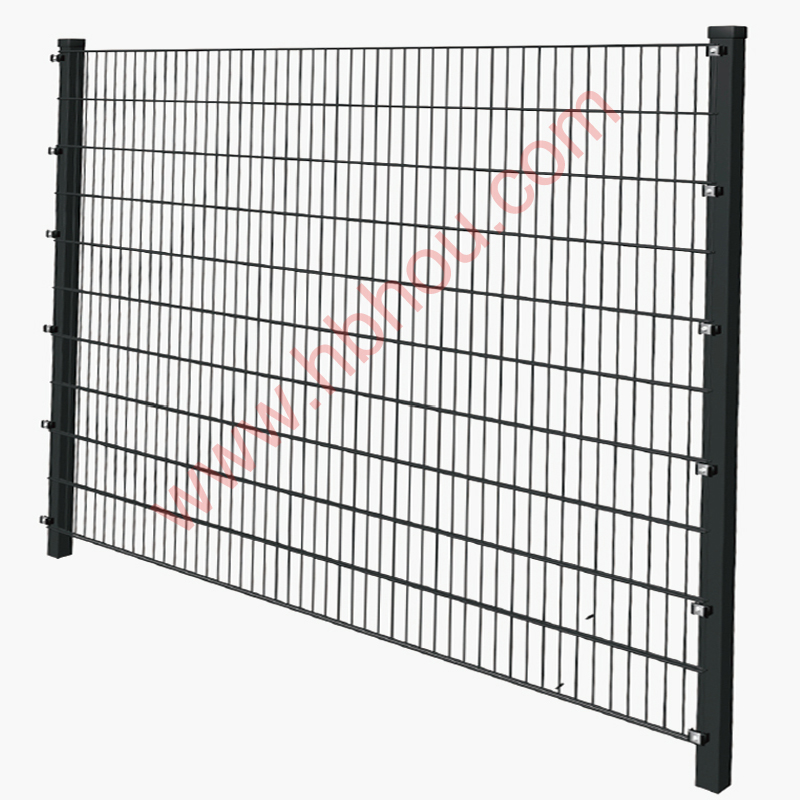
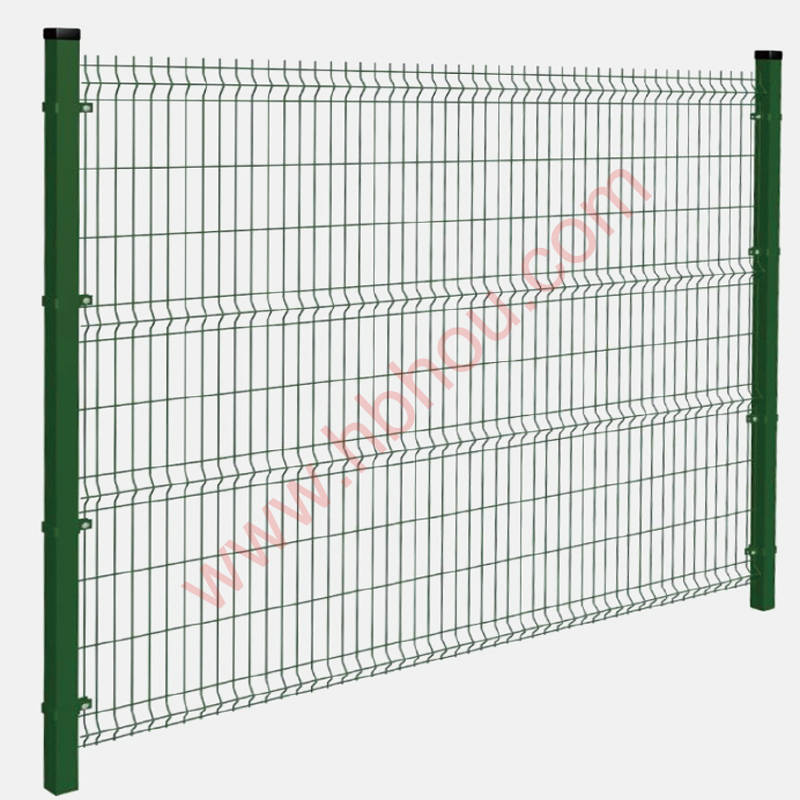
Put simply, these are fence sections measuring six feet in height and six feet in width. They’re typically made from materials like wood, vinyl, or metal mesh, but the exact build depends on usage. This size means a homeowner can secure an average backyard with fewer panels, while a warehouse might use them to build a quick, robot-proof barrier around sensitive equipment.
The panels’ role spans beyond mere subdivision—they represent a modular building block in modern fencing systems where durability, ease of installation, and maintenance are critical. For disaster relief or remote industrial zones, quick assembly and reliable protection aren't luxuries; they are necessities.
Key Aspects of 6 Foot by 6 Foot Fence Panels
1. Durability and Materials
The choice between pressure-treated wood, vinyl, chain-link, or steel mesh determines lifespan and maintenance. For instance, vinyl panels resist rot and require less upkeep, while steel offers superior security.
2. Cost Efficiency
Standard sizing means mass production and consistent pricing, which is appealing for both homeowners and businesses managing budgets tightly.
3. Scalability and Flexibility
Because panels are modular, they can be combined to create fences of varying lengths without custom fabrication, suiting everything from small gardens to massive perimeters.
4. Installation Ease
6x6 panels often weigh less than larger sections, making them easier to transport and install, which reduces labor costs and complexity.
5. Aesthetic and Privacy
Wood or vinyl panels provide not just a barrier but also privacy and curb appeal, critical for residential areas or commercial properties wanting a neat, controlled look.
Product Specification Table
| Specification | Details |
|---|---|
| Size | 6 feet (H) x 6 feet (W) |
| Common Materials | Pressure-treated wood, vinyl, steel mesh, chain-link |
| Weight | 20-45 lbs (varies by material) |
| Installation | Post-mounted or panel fixed systems |
| Typical Lifespan | 10-25 years (depending on care and materials) |
Global Applications & Use Cases
It’s fascinating to see how these panels find their place worldwide. In North America, they’re a go-to for backyard fences, prized for privacy and ease of assembly. In Europe, the emphasis leans toward combining appearance with security, so vinyl or metal panels often come coated with weather-resistant finishes to cope with local climates.
In humanitarian contexts—think refugee camps in the Middle East—lighter chain-link 6x6 panels help rapidly create safe zones and delineate areas quickly without extensive groundwork. Similarly, industrial zones in Africa and Asia rely on metal panels to protect equipment and delineate property lines.
One recent example: after a cyclone hit Southeast Asia, relief agencies deployed modular fencing made of these panels to secure temporary shelters and supply depots, enabling quick organization and safety for displaced families.
Explore more about modular fence solutions here.Vendor Comparison Table
| Vendor | Material Options | Price Range (per panel) | Lead Time | Warranty |
|---|---|---|---|---|
| FenceCo | Wood, Vinyl | $40 - $80 | 1-2 weeks | 5 years |
| SecurePanels Ltd. | Steel mesh, Chain-link | $50 - $90 | 2-3 weeks | 7 years |
| EcoFence | Recycled Plastic, Vinyl | $55 - $85 | 1 week | 10 years |
Advantages & Long-Term Value
Choosing 6 foot by 6 foot fence panels often means investing in longevity and peace of mind. These panels balance upfront cost with durability—wood may need stain or treatment, but vinyl lasts long without much fuss. Emotionally, a secure fence fosters safety and privacy, which you don’t want to underestimate. Socially, communities feeling secure tend to thrive better, as per multiple urban studies on crime prevention through environmental design.
There’s also an environmental angle: vinyl and recycled-plastic panels tend to be low-maintenance and weather well, reducing replacement waste. And from the innovation standpoint, manufacturers are exploring eco-friendly composite panels that could redefine fencing materials in the near future.
Future Trends & Innovations
Digitally integrated fences? Sounds sci-fi, but smart fences with built-in sensors that detect breaches or movement are emerging. These can be crafted using the 6x6 framework, embedding tech without compromising privacy or durability.
More manufacturers are pivoting to green production methods, employing recycled materials and low-VOC paints to meet stricter environmental standards set by ISO and regional bodies.
Additionally, modular fencing systems are becoming more automated for installation, cutting labor costs—a welcome change especially in large-scale, temporary setups like event venues or emergency relief camps.
Challenges & Solutions
Despite their advantages, these panels have limitations: wood demands upkeep, metal can rust, and plastic panels may be less impact-resistant. Installation on uneven terrain can be tricky, requiring flexible mounting hardware.
Solutions? Many engineers now advocate composite panels that blend materials for the best of both worlds—strength, appearance, and care. Adjustable mounting posts help with irregular grounds, and anti-corrosion coatings protect metals.
FAQ: Frequently Asked Questions About 6 Foot by 6 Foot Fence Panels
- Q: What is the easiest material to maintain for 6x6 fence panels?
A: Vinyl panels are typically the easiest to maintain—they don’t require painting or staining and resist rot, mold, and pests effectively. - Q: Can 6 foot by 6 foot fence panels be customized?
A: Yes, many vendors offer custom colors, finishes, and sometimes sizing modifications to fit unique project needs. - Q: How long does installation usually take per panel?
A: Installation of a single panel generally takes anywhere from 15 to 30 minutes depending on the terrain and installer experience. - Q: Are these panels good for windy areas?
A: Yes, but wind-resistant installation methods (like sturdier posts and windbreak designs) are recommended to prevent damage over time. - Q: Can the panels be reused if relocated?
A: Often yes, especially metal and vinyl panels, if removed carefully. Wood panels might suffer some wear during removal.
Conclusion: Why 6 Foot by 6 Foot Fence Panels Still Lead the Pack
In real terms, these panels offer a practical, scalable fencing solution that’s hard to beat. From security to aesthetics, cost to longevity, their design ticks multiple boxes. Whether you’re securing a small garden or erecting boundaries around industrial equipment, understanding the ins and outs of these panels pays off—both financially and practically.
Curious to see which type matches your needs? Visit our website: https://www.hbhou.com to explore our product range and get personalized advice.
Takeaway: The humble 6 foot by 6 foot fence panel quietly shapes how we protect and define our spaces worldwide—affordable, adaptable, and increasingly innovative.